Malta packs four thousand years of history, turquoise swimming spots, and two sister islands into an area smaller than most cities. This overview orients you on when to come, how to get around, where to base yourself, and what not to miss, with a dedicated guide linked for every topic so you can go deeper where it matters.
- Currency: Euro (EUR)
- Transport apps: Bolt, Uber, and eCabs (check all three for the best rate)
- Driving: left side of the road; non-EU drivers need an International Driving Permit (IDP)
- Power outlets: Type G (UK style, 230V)
- Emergency number: 112
When to Visit
Malta has three distinct seasons, and the one you pick shapes your budget and crowds. Summer (June to August) brings 34°C heat, a bath-warm sea, and peak prices. The shoulder months of May and September are the sweet spot, with warm water but thinner crowds and lower hotel rates. Winter (November to April) is too cool for swimming but ideal for hiking and quiet historic sites. For a month-by-month look at weather and pricing, see our breakdown of the best time to visit Malta.
What Not to Miss
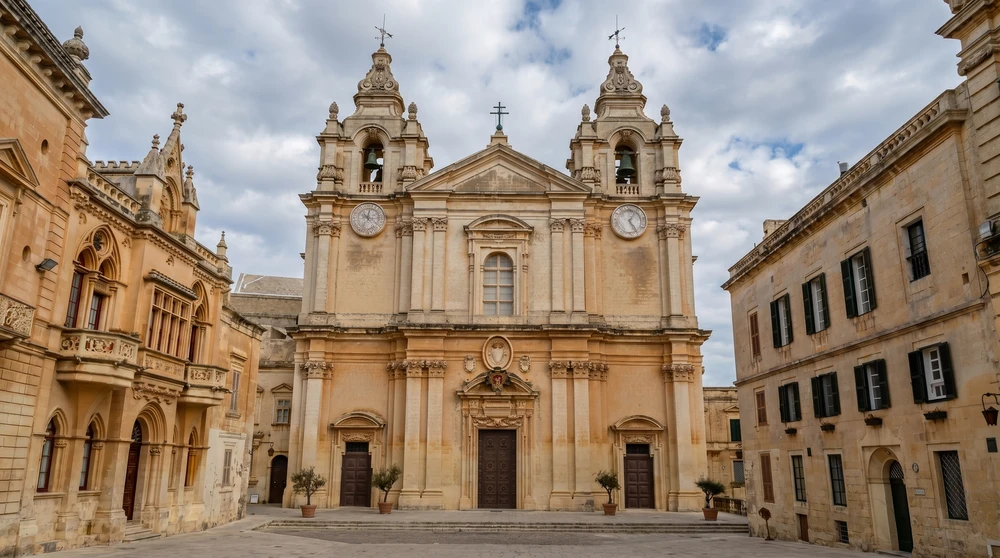
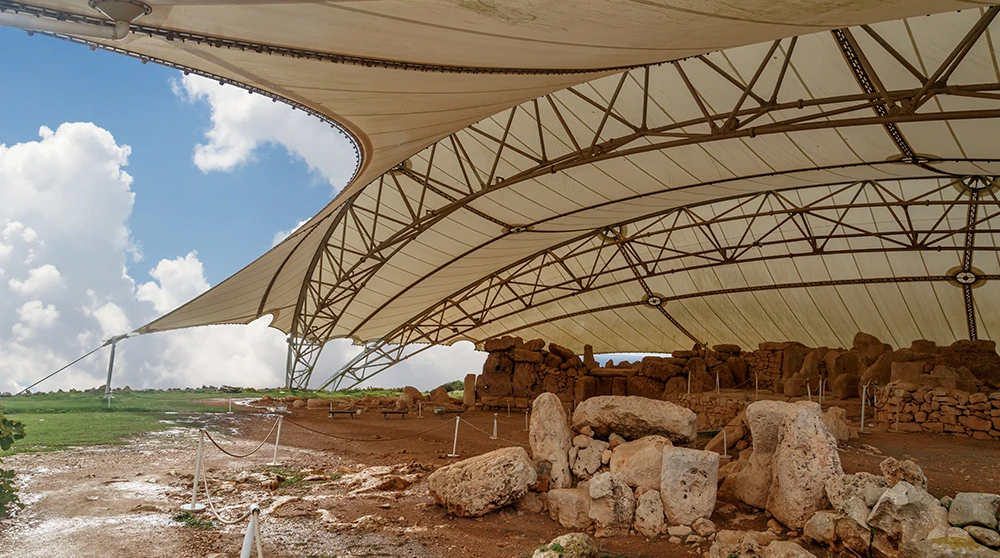
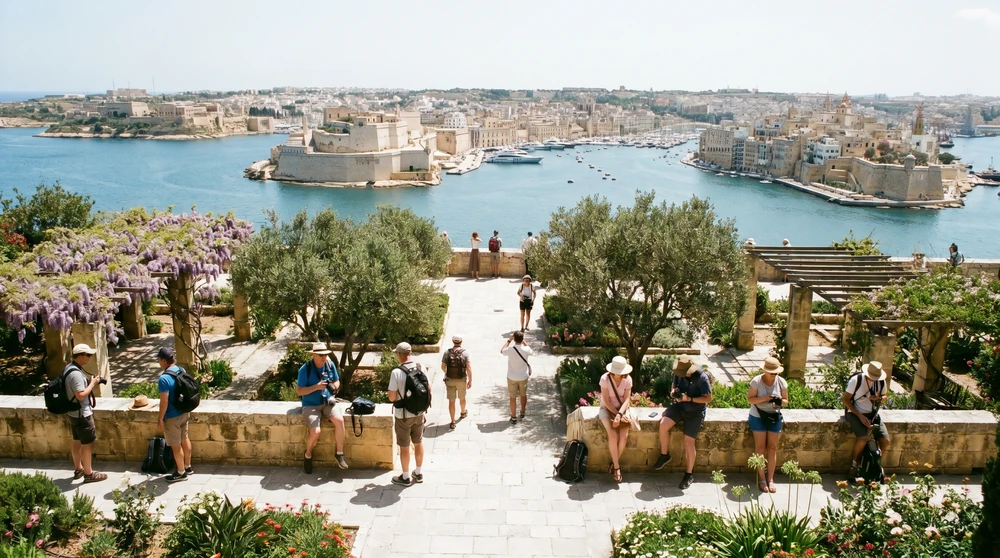
The headline sights cluster around the old capital and the south coast. Valletta, the smallest capital in the European Union, rewards a slow morning around the Upper Barrakka Gardens and the Saluting Battery, and there is far more than one visit allows among the things to do in Valletta. The silent walled city of Mdina and nearby Rabat make a natural half-day pair. Underground, the 5,000-year-old Hal Saflieni Hypogeum caps entry at 80 people a day, so book months ahead. On the coast, the sea caves of the Blue Grotto and the deep rock pool at St. Peter's Pool are the swimming and boat-trip highlights.
Getting Around
How you move dictates how much of the island you see. Buses reach everywhere but traffic wrecks the timetable, and full vehicles often skip stops in peak summer, so pairing contactless bus fares with ride-hailing apps keeps you on schedule. Our public transport walkthrough covers routes, the Tallinja card, and timetables, while renting a car and driving in Malta explains insurance, parking, and the local habit of treating indicators as optional. Skip the white street taxis, since their rates are heavily inflated.
Day Trips to Gozo and Comino
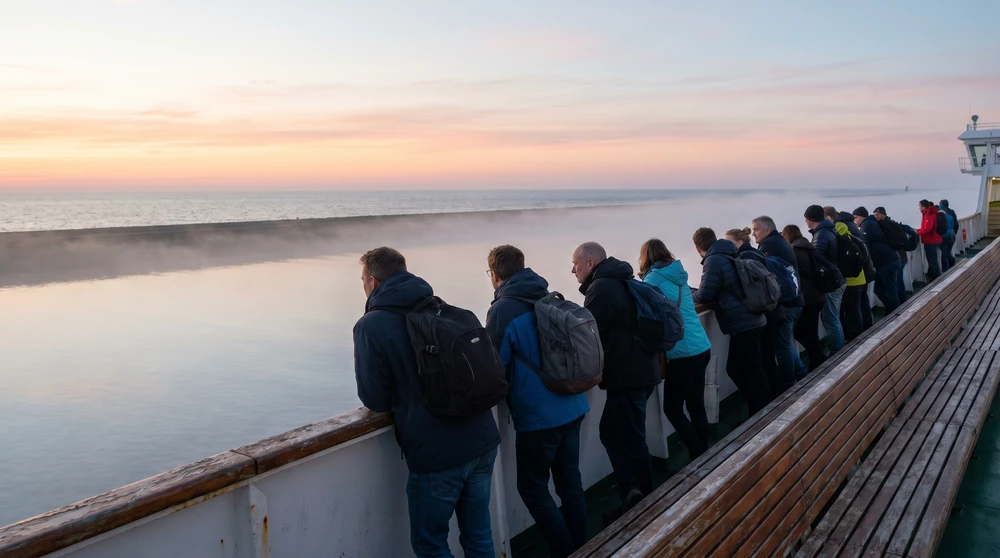
Both sister islands are easy day trips with one booking quirk each. The Cirkewwa ferry to Gozo takes 25 minutes and charges only on the return leg, and the green, slower-paced island is covered in our one-day Gozo itinerary alongside the full Malta to Gozo ferry guide. Comino's Blue Lagoon now caps visitors at roughly 4,000 at a time, so arrive before 9 AM or after 3 PM to dodge the tour-boat crush.
Where to Base Yourself
Your base shapes everything from nightlife access to parking headaches. Valletta puts you among 17th-century palazzos and the best wine bars but makes car parking a daily struggle. Sliema and St. Julian's are the commercial and nightlife hubs with fast ferry links across the harbour, while Gozo suits travelers who want farmhouse stays and coastal hiking over city buzz. Compare every neighborhood in our where to stay in Malta guide.
What to Eat
Maltese cooking is rustic, hearty, and cheap. Track down pastizzi (flaky pastries with ricotta or peas for under a euro), fenek (the national rabbit stew), and a stuffed ftira sourdough loaf before you leave. Our guide to traditional Maltese food covers what to eat and where to find it.

Before You Go
A few rules catch first-timers off guard. Malta sits inside the Schengen Area, so check the latest visa and entry requirements before booking, and set realistic daily figures with our Malta travel costs breakdown. Topless sunbathing is illegal on public beaches and you must cover shoulders and knees inside churches. Solo travelers can read our take on whether Malta is safe, and families chasing calmer water should see Malta with kids.