Valletta's grid system looks simple on a map, but the steep, calf-burning staircases connecting the streets will exhaust you without a plan. Plotting your route along the flatter main arteries like Republic Street saves your energy for the real highlights. Malta's tiny capital packs centuries of Baroque grandeur, Knights' history, and harbour views into a peninsula you can cross on foot in twenty minutes.
This guide covers what to prioritise, what costs money and what is free, how to get around the hills, and the lesser-known corners most day-trippers miss.
How to Get Around Valletta
Valletta is mostly pedestrianised, so you will walk almost everywhere. The catch is the vertical drop from the harbour waterfront to the city centre. Use the Barrakka Lift (around €1 return) to skip the 58-metre climb up from the Grand Harbour.
Renting a car inside the city is a mistake. The streets are restricted by an automated Controlled Vehicular Access (CVA) zone that charges non-resident cars, and parking is nearly impossible. Park at the large MCP Car Park in Floriana, a short walk from City Gate, or rely on the efficient bus terminal just outside the gate for day trips.
For door-to-door rides to places like Mdina, the Bolt app is quick and cheap. If you plan to explore the rest of the island, it is far easier to Rent a car and base yourself outside the capital.
To cross the Grand Harbour to the Three Cities, the public catamaran ferry costs €1.50 one way, while a traditional wooden Dgħajsa water taxi costs about €2 per passenger for a more scenic angle on the fortress walls.
Top Things to Do in Valletta
See St John's Co-Cathedral and the Caravaggio
The exterior is surprisingly plain, almost austere. Inside is an explosion of 24-carat gold leaf, intricate marble tombstones, and ornate Baroque carving. Take your time scanning the floor: the inlaid marble grid is made up of the tombs of around 400 Knights of Malta.
Head straight to the Oratory at the back to see Caravaggio's The Beheading of Saint John the Baptist. It is the only painting Caravaggio ever signed, and it is the largest canvas he ever produced. Adult admission is €15 and includes a multi-language audio guide. Book online at least 24 hours ahead to bypass the queues that wrap around the block.
Both men and women must cover their shoulders and knees. Packing a lightweight scarf in your day bag solves the strict dress code instantly. For context on the Knights and the artwork, it is worth joining a guided Valletta walking tour that includes skip-the-line entry.
Watch the Saluting Battery at Upper Barrakka Gardens
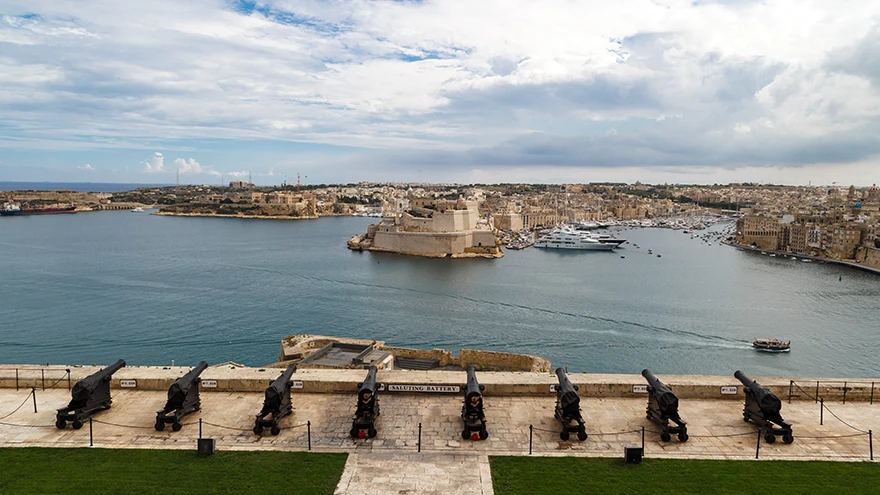
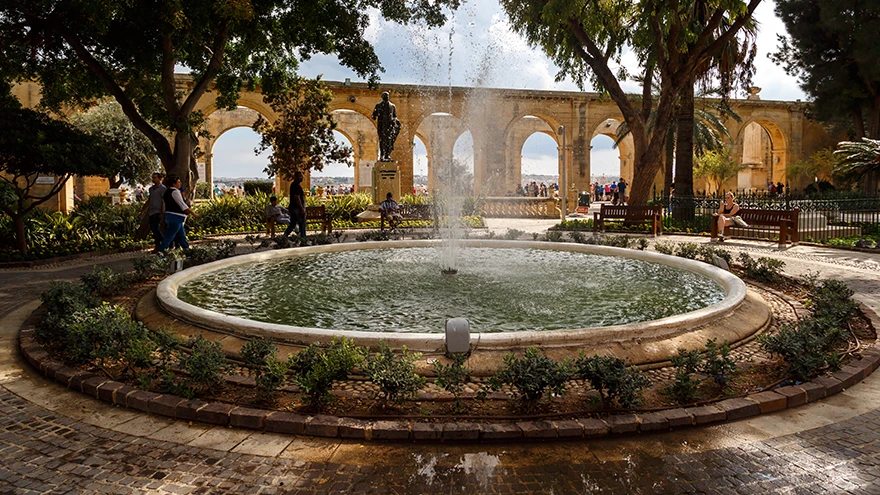
Towering arches, shaded stone benches, and a sweeping panorama over the Grand Harbour make Upper Barrakka Gardens the best free viewpoint in the city. The gardens themselves are free to enter. The real draw happens on the terrace directly below.
The saluting battery fires its cannons at noon and 4pm every day, a tradition kept alive by the Malta Heritage Trust. Arrive at least 20 minutes early, because the balcony fills fast with cruise-ship passengers. For a quieter view, grab a coffee from the kiosk and stand near the side railings.
Explore the Grand Master's Palace
This was the political heart of Malta for over 450 years. Following a major restoration completed in early 2024, the State Rooms are vibrant and immaculate. The Armoury houses a vast collection of knights' armour and weaponry. Adult admission is €12, and about an hour here is enough to grasp the military might and wealth of the Knights of St John.
Go Underground at the Lascaris War Rooms
Hidden deep beneath the Upper Barrakka Gardens lies the secret underground headquarters of the Allied command during the Second World War. The air is cool and the corridors are narrow and claustrophobic. Original map tables and plotting boards remain exactly as they were in the 1940s. The guided tunnel tour costs €17 per adult, and the expert historians turn static rooms into a tense, vivid account of the **Siege of Malta**.
See the Sleeping Lady at the National Museum of Archaeology
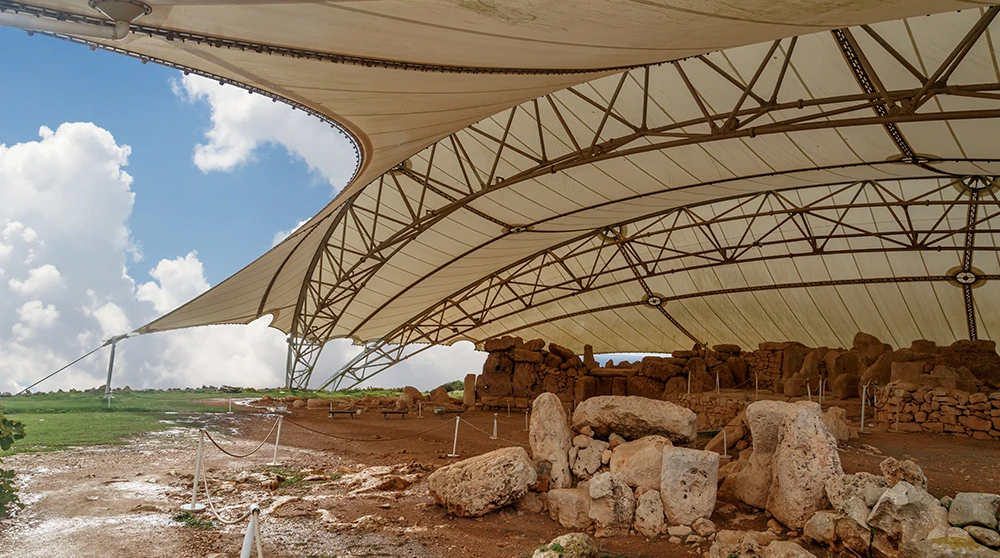
Housed in the Auberge de Provence, a Baroque palace built in 1571 on Republic Street, this Heritage Malta museum is the best primer there is for Malta's prehistoric sites. The headline piece is the Sleeping Lady, the palm-sized clay figure recovered from the Hal Saflieni Hypogeum, shown alongside the Venus of Malta and the original temple statuary whose replicas you later see out at Ġgantija, Tarxien, and Ħaġar Qim. Seeing the genuine articles here first turns those otherwise abstract field sites into something you can actually read.
Beyond the Neolithic core, the collection runs through Phoenician artefacts, including finds from the Xlendi shipwreck, plus a large coin gallery that history buffs love and everyone else can happily skim. Adult entry is around €5 with reduced rates for seniors, students, and children, and it is covered by the Heritage Malta multi-site pass. Budget one to two hours, use the audio-guide app for the context the wall panels leave out, and be aware that individual rooms occasionally close for restoration.
Take a Traditional Dgħajsa to the Three Cities
Crossing the Grand Harbour on the public catamaran is cheap, but a traditional wooden Dgħajsa offers a far better angle on the massive fortress walls. Head down the Barrakka Lift to the waterfront, where for about €2 a local boatman will drop you at Birgu in the Three Cities. If you have extra time, pay around €8 for a 30-minute private spin around the harbour inlets. The water-level perspective reveals the intimidating scale of Valletta's fortifications.

Watch The Malta Experience and Tour the Sacra Infermeria
For a fast grounding in the island's story before you explore, The Malta Experience screens a 45-minute audiovisual show, with headphones carrying commentary in more than a dozen languages, in a small cinema cut into the rock beside the Mediterranean Conference Centre. The real draw is the add-on the ticket includes: a guided walk through the Sacra Infermeria, the vast 16th-century hospital ward built by the Knights, where the guides bring the island's medical history vividly to life. The film itself feels a little dated, so skip it if you have already taken a Valletta tour, but at around €20 for both the show and the Infirmary, plus a cafe with sweeping harbour views, it earns its place.
Free Things to Do in Valletta
You do not need to spend a cent to enjoy Valletta's best views. Both the Upper and Lower Barrakka Gardens are free, as is Hastings Garden atop St John's and St Michael's Bastions. Walking the narrow Baroque streets past colourful Maltese balconies costs nothing and is half the pleasure of the city.
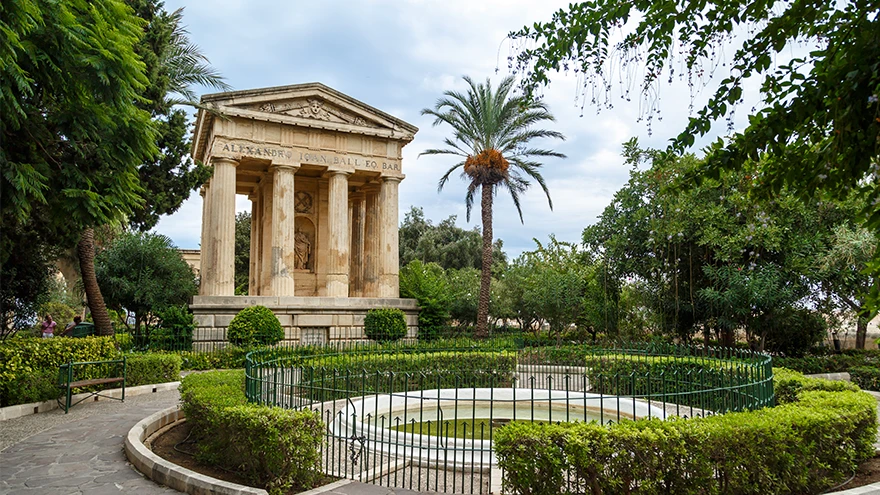
The Siege Bell War Memorial offers free harbour views and commemorates Malta's George Cross, and the modernist Triton Fountain by City Gate is one of Malta's finest pieces of 20th-century design. The daily cannon firing at the saluting battery is also free to watch from the main terrace.
Hidden Gems and Lesser-Known Spots
Casa Rocca Piccola
A 16th-century palace still inhabited by the aristocratic de Piro family. The rooms are a riot of colour, with deep crimsons, emerald greens, and patterned Maltese tiles. It feels far more intimate and alive than the larger state museums. Descend into the underground cisterns at the end of the tour; these deep, damp stone caverns served as air-raid shelters during the heavy WWII bombardments.
The Valletta Ditch at Laparelli Gardens
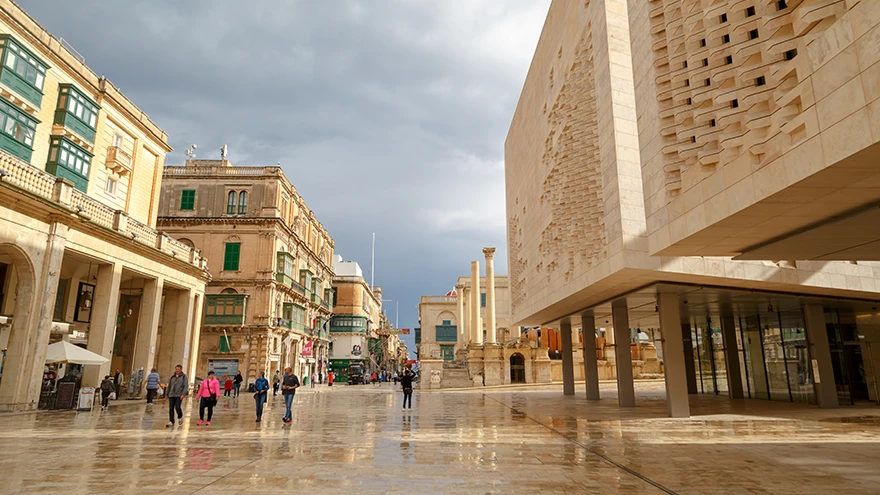
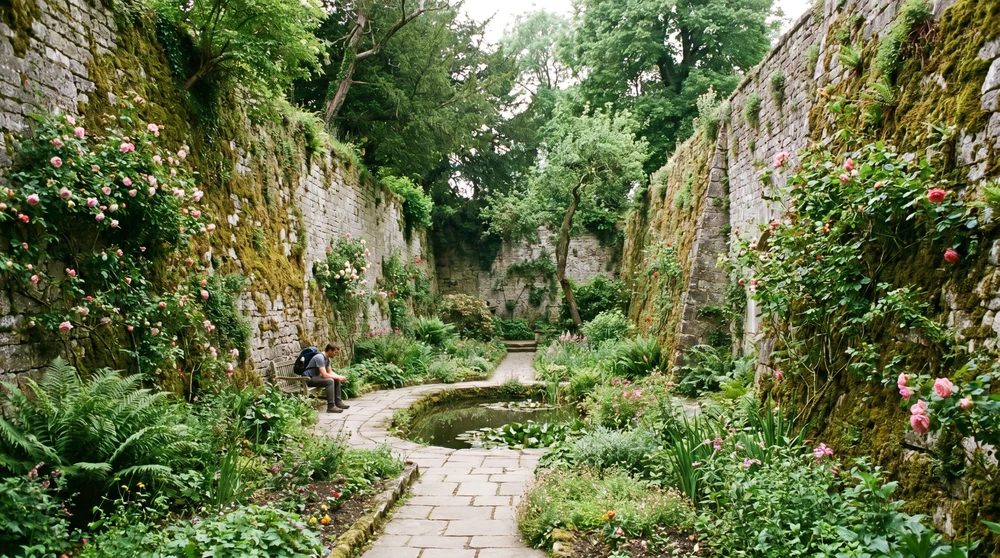
The deep defensive moat surrounding City Gate used to be an ugly car park. Now it is a tranquil, sunken garden. Take the elevator beside the modern Parliament Building down to the Francesco Laparelli Gardens. The sheer limestone walls block the wind and the city noise, and it doubles as a quiet, tourist-free shortcut toward the Marsamxett Harbour side.
Mysterium Fidei and the Secret Garden of St Catherine's
Tucked down St Christopher Street, the underground complex beneath St Catherine's Monastery has reopened a cloistered world sealed off for over 400 years. A free-app audio tour, in eight languages and lasting about 40 minutes, walks you through the austere daily life of the Augustinian cloister nuns and ends at a quiet courtyard garden with a turtle fountain billed as a secret garden. Keep your expectations modest, since the garden is small, but the calm is real and the resident rescue cats have become an unexpected highlight. Admission is around €8 at the door, cheaper than the online resellers, and the whole visit runs 30 to 45 minutes.
MICAS: Contemporary Art in the Floriana Fortifications
A ten-minute walk out of the centre into Floriana, the Malta International Contemporary Art Space opened at the end of 2024 inside the restored Ospizio fortifications, setting heavy military stonework against sharp modern galleries built for large-scale installations. Rotating shows have already brought names like Milton Avery and Joana Vasconcelos, and there is an easy-to-miss outdoor section reached down a ramp on the right, so ask at the desk before you leave. Entry runs around €12 and is free on Sundays, there is free parking opposite, and the building alone justifies the trip for anyone curious about Malta's fast-growing art scene.
Where to Eat and Drink Like a Local
For quick bites, skip the generic cafes on Republic Street and grab a fresh, flaky ricotta or pea pastizzi from a side-street bakery on Merchants Street. They cost less than a euro each and are dangerously addictive.
For lunch, Grano on St Lucia's Street serves slow-cooked pulled pork sandwiches on fresh Maltese bread that you can eat on the steps outside. For a drink, skip the standard commercial lagers and look for Gozo-brewed Lord Chambray on draft at 67 Kapitali or Wild Honey.
In the evening, Strait Street was once the infamous red-light district for British sailors. Today the narrow alley is packed with upscale tapas bars, whiskey lounges, and cocktail spots, with places like Tico Tico good for sharing Maltese dishes over a drink.

Best Time to Visit and Practical Tips
**April to May and September to October** offer mild temperatures and clear skies. July and August turn the limestone city into an oven, making the steep climbs genuinely grueling.
Thick-soled, grippy sneakers are essential. The centuries-old limestone paving is incredibly slippery, especially on downhill gradients after even a brief rain shower. With a comfortable pace, two full days is enough to cover the main sights without rushing, though determined visitors can hit the highlights in a single day.