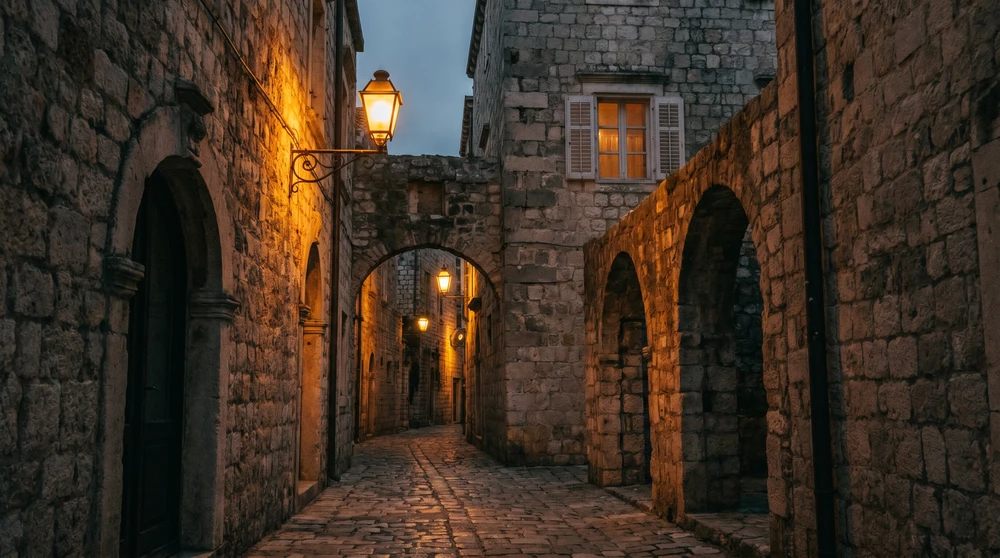
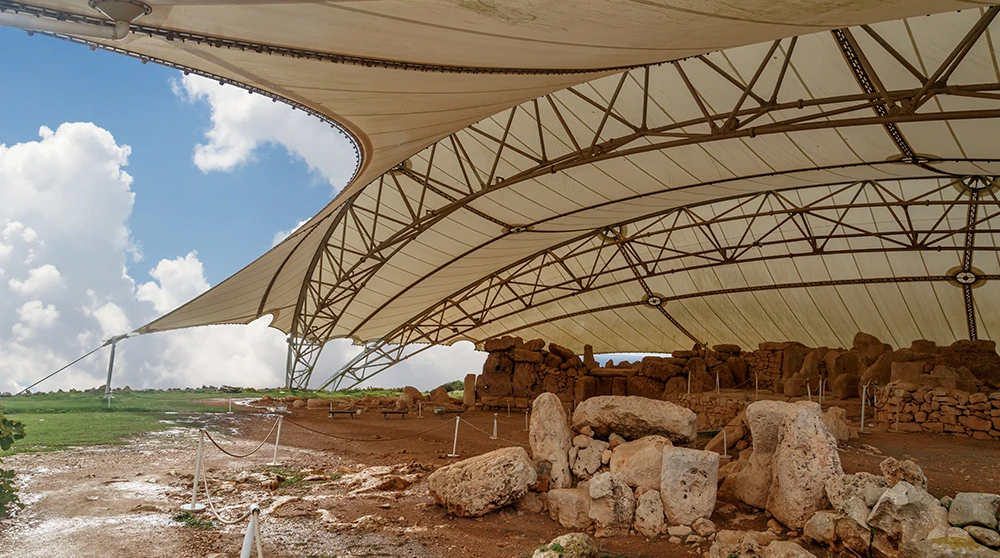
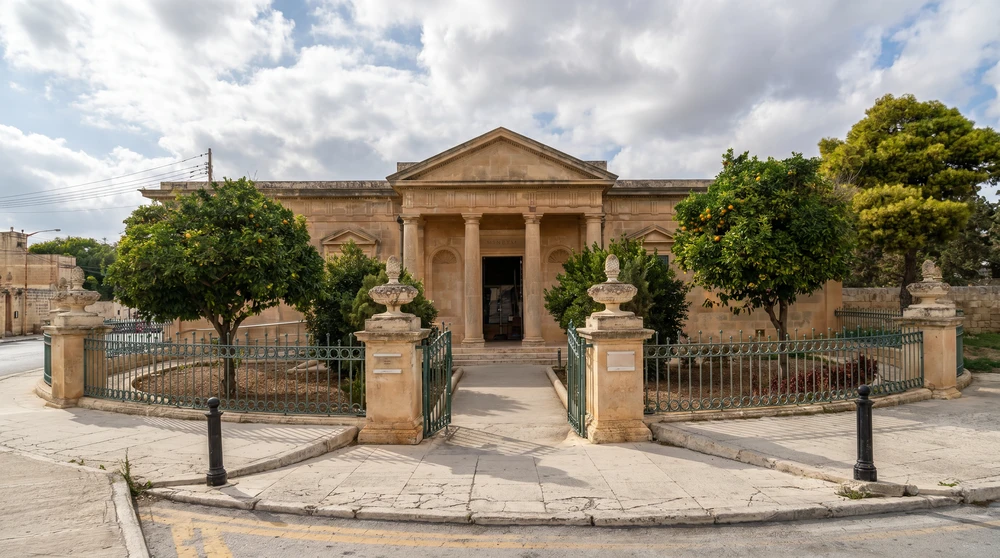
Tourists pour through Mdina's Main Gate at 11:00 AM just as the tour coaches unload, turning the so-called Silent City into a crowded bottleneck. Slipping in through the Greek's Gate before 09:30 instead, and knowing exactly which Valletta bus drops you at the walls, decides whether you get a magical medieval fortress or a frustrating tourist trap.
Here is a quick orientation before you go:
- Entry to both towns is free. Museums and catacombs charge roughly €6 to €10 each.
- Time needed: Allow 4 to 6 hours for a relaxed combined visit, or a half day if you skip lunch.
- Best buses: Routes 51, 52, and 53 run from Valletta's main terminal.
- Pro tip: Enter Mdina through the Greek's Gate rather than the Main Gate to bypass the morning photo queue.
Why Combine Mdina and Rabat in One Day
People research Mdina and Rabat as two separate destinations, but they sit literally across the street from each other. They function as two halves of the same historical timeline, so splitting them across two trips wastes a bus journey.
The Silent City Versus the Local Suburb
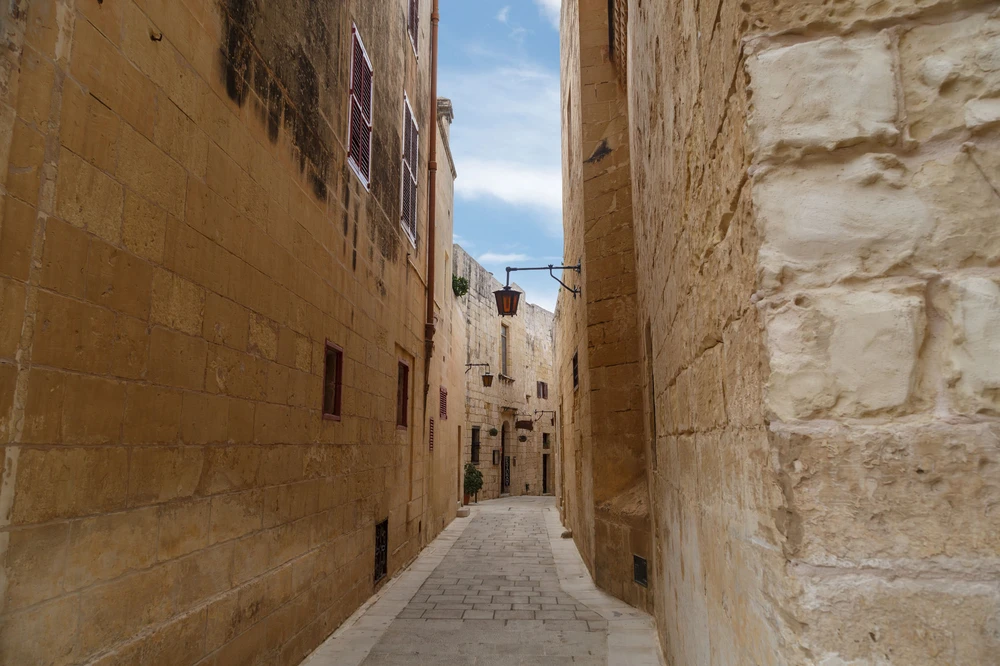
Mdina is the ancient fortified capital. It is pedestrian-only, highly polished, and entirely wrapped in towering limestone walls. Rabat, whose name means "suburb" in Arabic, grew up outside those walls and is where actual Maltese daily life still happens.
Inside the walls you get grand aristocratic history that can feel like a pristine museum set. Just outside them, Rabat delivers raw Roman and early-Christian history with working bakeries, parish bustle, and shuttered balconies. Seeing both back to back is the whole point.
How to Get to Mdina and Rabat
The island's public transport is reliable but frequently crowded. Because Mdina sits at one of the highest inland points, reaching it means crossing the central traffic corridors, so build in a buffer during rush hour.
By Bus From Valletta and St. Julian's
Taking the bus from Valletta is the cheapest and simplest option. Head to the main terminal just outside the Valletta city gates.
From Valletta, hop on routes 51, 52, or 53. Between them they give you five to six departures an hour, and they drop you at the Rabat interchange just a five-minute walk from the Mdina Main Gate. Expect a 30 to 40-minute ride.
From Sliema or St. Julian's, take route 202. That journey often stretches to a full hour because it winds through several busy coastal and inland neighbourhoods before turning inland.
Driving, Parking, and Taxi Drop-offs
You cannot drive inside Mdina unless you are one of the roughly 300 permanent residents. The walled core is strictly pedestrian, with exceptions only for residents, emergency vehicles, and the occasional wedding carriage.
If you rent a car, a public parking lot sits directly beside the Mdina Ditch Gardens, but it fills by 10:00 AM in summer. Taxis and ride-hailing apps like Bolt or eCabs are efficient and drop you right at the entrance bridge. If you would rather skip the bus timetables entirely and reach several inland sites in one loop, Renting a small car removes the guesswork.
Top Things to Do in Mdina
Mdina is small enough to walk every street in about an hour. The real value comes from slowing down and reading the architectural detail rather than racing between landmarks.
The Main Gate and Game of Thrones Locations
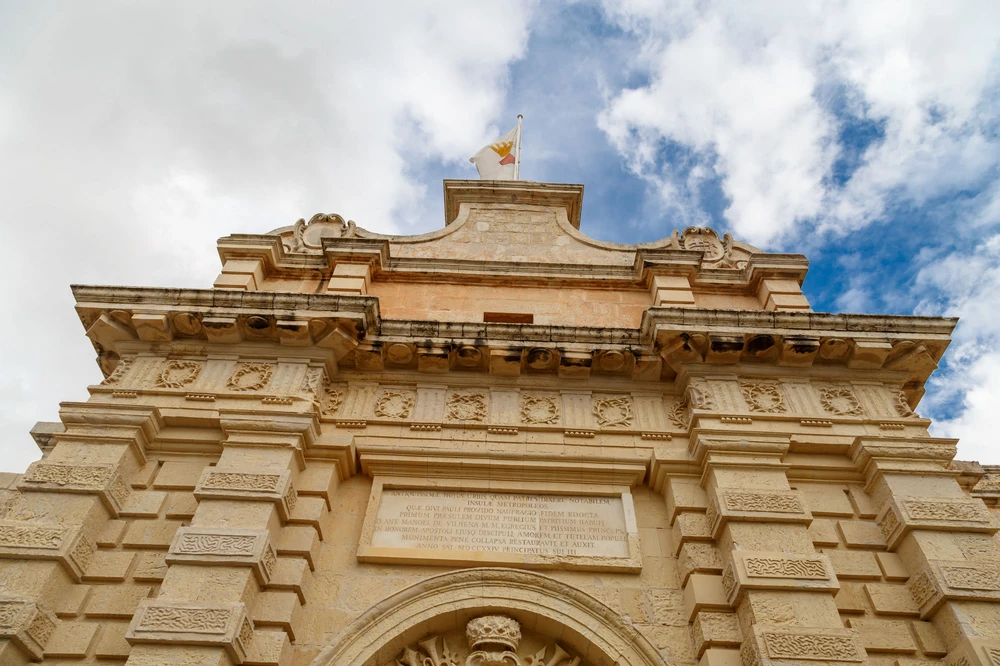
The Baroque Main Gate, reached across a stone bridge over the dry moat, is the primary entry point and the one most visitors photograph. It doubled as the gate of King's Landing in season one of Game of Thrones, where Catelyn Stark rides back into the city.
Once inside, turn toward Pjazza Mesquita. This quiet square served as the exterior for Littlefinger's brothel in the same season, and because it sits off the main thoroughfare it stays largely empty even when the rest of the town is busy. A guided Mdina and Rabat walking tour is the easiest way to find every filming spot without a map.
St. Paul's Cathedral and Bastion Square
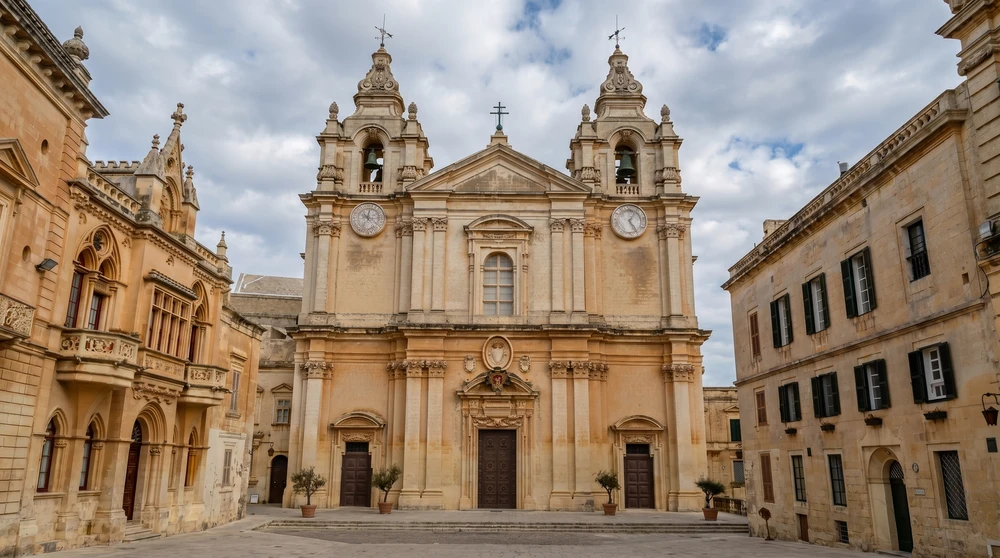
Walk toward the centre to find **St. Paul's Cathedral** dominating the skyline. Maltese architect Lorenzo Gafa rebuilt it in the late 17th century after a massive earthquake flattened the previous church. The €10 ticket covers both the cathedral and the adjacent Cathedral Museum.
Continue straight to Bastion Square, the northernmost edge of the fortifications. It offers panoramic, uninterrupted views stretching all the way to the sea, and it is the single best free vantage point in the city.
Palazzo Falson and the Mdina Ditch Gardens
Palazzo Falson gives a rare look inside a 13th-century noble residence, complete with antique weaponry and an impressive library. It is one of the few interiors that shows how Mdina's aristocracy actually lived.
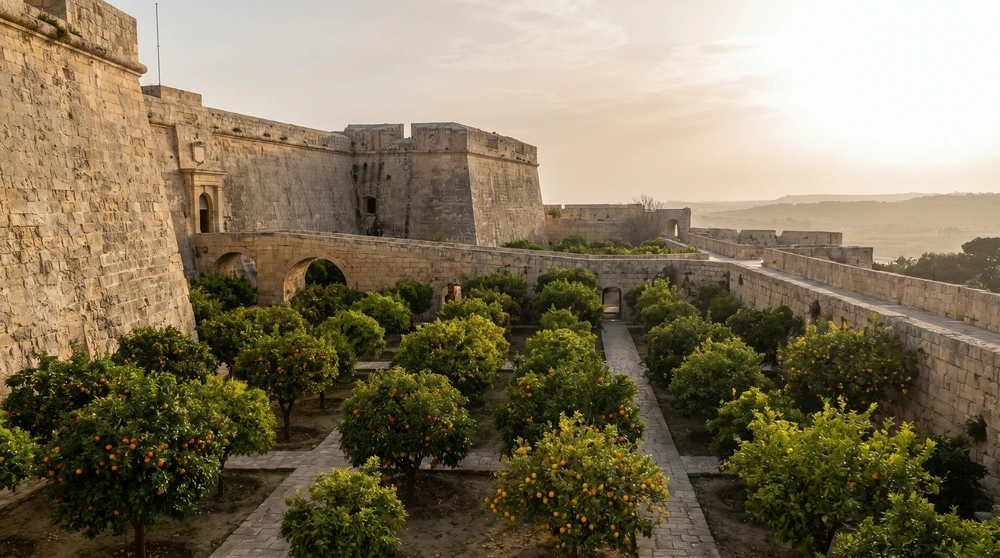
Before leaving, walk down into the Mdina Ditch Gardens. This former defensive moat is now a landscaped orchard of citrus trees, and it offers the best angle for photographing the sheer scale of the outer bastions.
The Mdina Dungeons
Tucked beneath the Magisterial Vilhena Palace just inside the Main Gate, the Mdina Dungeons use the original cells and cellars of the city to walk you through Malta's darker history. Life-size dioramas, dim lighting, and piped-in sound effects stage the punishments inflicted across the island's long line of occupiers, from Roman and Arab rule through the Inquisition to the French and Napoleonic era. Expect specific, graphic scenes, including the martyrdom of St. Agatha and the Inquisition's wooden horse, rather than a polished museum gloss.
The visit is small and takes about 30 minutes, and the narrow passages and intense subject matter make it a poor fit for very young or sensitive children. Read the wall panels as you go, because they carry the historical context that turns the waxworks from a gimmick into a genuine lesson. Admission is budget-friendly at around €5 for adults with student and family discounts, you can pay by card, and no advance booking is needed. A vending machine and a small toilet sit at the midway point, which is useful to know before you start.
The National Museum of Natural History
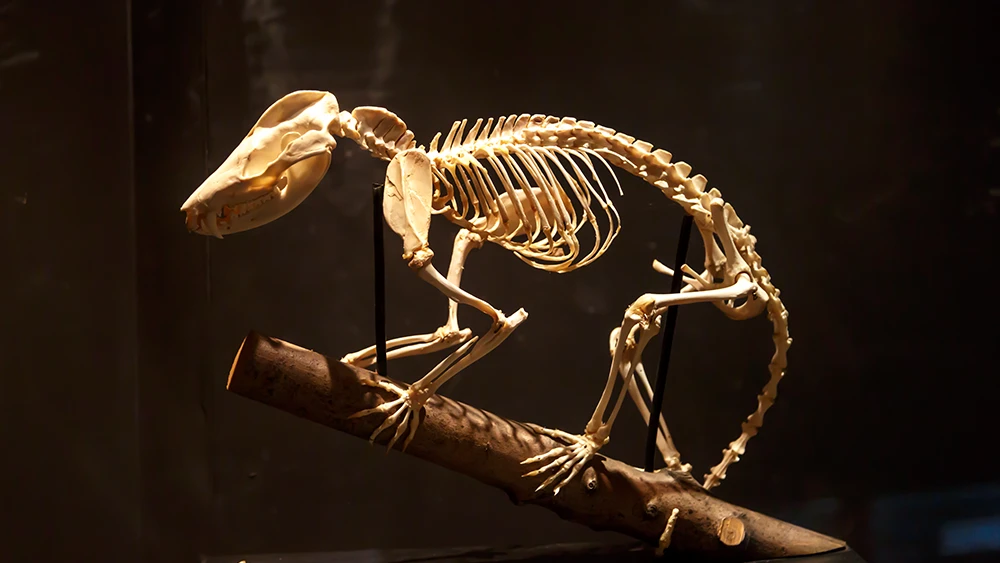
Housed inside the grand Palazzo Vilhena just past the Main Gate, this Heritage Malta museum is proudly old-school. The display cases date back to the 1800s, there are no interactive screens, and some of the taxidermy looks every bit its age, so manage your expectations going in. Where it genuinely shines is the ornithology collection, which covers most European and Maltese bird species and rivals museums many times its size, backed up by a solid room of rocks, minerals, and fossils.
Adult entry is around €5, with reduced senior tickets, and it is included on the multi-site Heritage Malta pass alongside St. Paul's Catacombs and the Domvs Romana. Budget about an hour, and note that several flights of stairs make it tricky for prams or wheelchair users. The quiet payoff is the building itself, because even at peak times the rooms stay cool and calm, and the palazzo's courtyard alone nearly justifies the modest ticket.
Exploring Rabat Beyond the City Walls
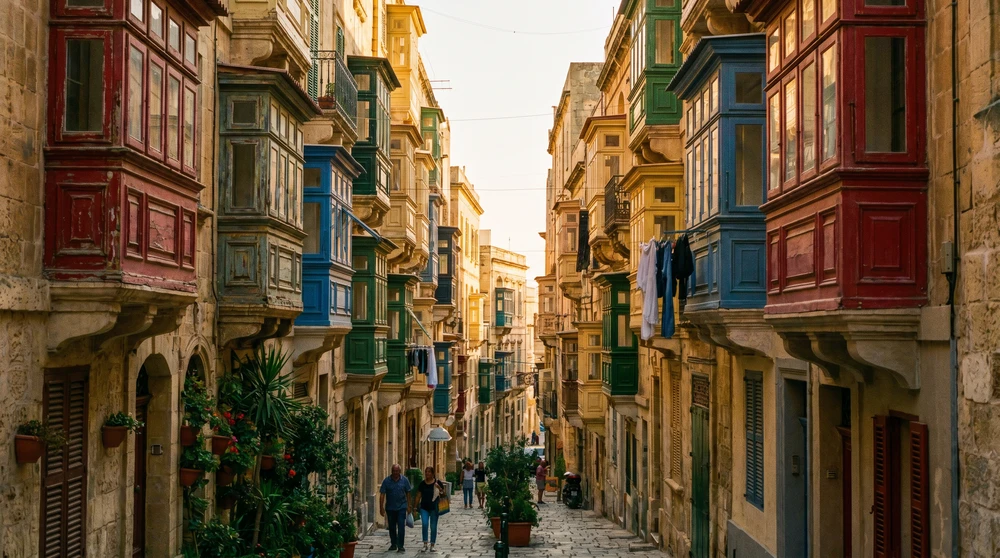
Cross the street from Mdina's gates and you step straight into Rabat. The mood shifts instantly from silent alleyways to bustling cafes and vibrant shuttered balconies, and the prices drop noticeably too.
St. Paul's Catacombs and Domvs Romana
Rabat sits on top of vast underground burial sites from the Roman and Byzantine eras. St. Paul's Catacombs charge €6 for an adult and reveal a sprawling network of rock-cut tombs where pagan, Jewish, and early Christian burials sit side by side. They are genuinely worth the entry for anyone interested in late antiquity.
Just up the road is the **Domvs Romana**, where adult entry is €6. Discovered by accident in the late 19th century, this museum protects the remarkably well-preserved mosaic floors of an aristocratic Roman townhouse. A Rabat combo ticket bundles both sites with the Natural History Museum if you plan to see everything.
Casa Bernard and Local Architecture
For a more intimate visit, head to Casa Bernard. This 16th-century palazzo is still privately owned and lived in by a noble Maltese family, and the daily guided tours give a sharp contrast to the empty museum displays elsewhere.
Spend some time walking down Triq ir-Repubblika to photograph the traditional, colourful wooden balconies that Malta is famous for. The light is best here in the late afternoon.
The Wignacourt Museum, St Paul's Grotto and the Shelters
A few steps from the parish square sits the Baroque Wignacourt Museum, once the residence of the Knights' chaplains, and a single ticket of around €6 packs in far more than its galleries of ecclesiastical art by Mattia Preti, Antoine de Favray and Francesco Zahra. The same ticket leads down into St Paul's Grotto, where the Apostle is believed to have sheltered after his shipwreck and founded Malta's first Christian community, and then into a labyrinth of Roman and early-Christian catacombs and an extensive network of hand-cut WWII air-raid shelters. These are not the separate St Paul's Catacombs up the road, a point that catches a lot of visitors out, and signage underground is sparse, so the €2 audio guide is worth picking up. Allow an hour at a brisk pace, or closer to two if you read everything, and expect plenty of stairs.
Where to Eat and Drink
Dining around Mdina and Rabat ranges from luxurious tasting menus to the cheapest, most authentic street food on the island. The contrast between the two is part of the fun.
Michelin Stars Versus Pastizzi at Crystal Palace
If you want high-end gastronomy, De Mondion holds a Michelin star and sits on the rooftop of the Xara Palace inside Mdina's walls. Book well ahead, because seats are limited.
For the exact opposite, walk over to Crystal Palace, known locally as Is-Serkin, in Rabat. This tiny no-frills bakery has a cult following, and the queue moves fast. Their freshly baked pastizzi, flaky diamond-shaped pastries stuffed with ricotta or mushy peas, cost less than a euro and the ovens run almost constantly.
Cafes With the Best Bastion Views
Inside Mdina, the Fontanella Tea Garden is an institution, famous for its multi-layered chocolate cake and terrace seating right on the edge of the bastions. The upper-level tables offer sweeping views over the eastern half of the island.
Be prepared to wait 10 to 15 minutes for a table during peak afternoon hours. Arriving mid-morning or after the day-trip crowds thin out gets you a railside seat with far less waiting.
Best Time to Visit and Crowd Management
Timing is everything in the Silent City. Arrive between 08:00 and 09:30 AM to photograph the streets while they are still completely empty and the stone is just catching the light.
The alternative is visiting after 16:30. The large tour groups pack up and leave by late afternoon, the day-trippers vanish, the amber streetlights flicker on, and the alleyways empty out. This evening window is the only time Mdina genuinely lives up to its Silent City nickname, so plan dinner inside the walls and stay for it.