Calculating a Malta travel budget often leaves visitors blindsided by hidden eco-taxes, peak-season hotel surges, and unexpected baggage fees that standard online planners conveniently ignore. Locking down the exact costs of local transport, attraction fees, and dining options before you book your flights takes the financial anxiety out of your Mediterranean trip.
This guide breaks down realistic 2026 prices across every category, from a single pastizz to a five-star suite in Valletta. Malta is cheaper than mainland Italy or Scandinavia, but it is not a true budget destination. Knowing where each euro goes is the difference between a relaxed holiday and a nasty credit-card surprise.
A quick snapshot of the headline numbers:
| Item | 2026 Cost |
|---|---|
| Average daily budget (per person) | EUR 50 to EUR 350+ depending on travel style |
| Mandatory tourist eco-tax | [practical_info:eco_tax] per night, capped at EUR 5 per stay |
| Weekly transport pass (Explore Tallinja Card) | [practical_info:explore_tallinja_card] |
| Gozo ferry (return, foot passenger) | [practical_info:gozo_ferry_return] |
| Cheapest local meal (pastizzi) | EUR 0.50 to EUR 2.50 |
| Best-value season | May or September shoulder season |
Average Daily Budget in Malta
Your daily spending in Malta scales dramatically based on where you sleep and how you move around the islands. Below is a realistic breakdown of what you can expect to spend per person, per day in 2026.
| Expense Category | Backpacker | Mid-Range | Luxury |
|---|---|---|---|
| Accommodation | EUR 25 to EUR 50 | EUR 90 to EUR 170 | EUR 200 to EUR 500+ |
| Food & Drink | EUR 15 to EUR 30 | EUR 40 to EUR 70 | EUR 100+ |
| Transportation | EUR 5 to EUR 10 | EUR 15 to EUR 25 | EUR 40 to EUR 80 |
| Activities | EUR 0 to EUR 15 | EUR 20 to EUR 40 | EUR 60+ |
| Total (approx.) | EUR 45 to EUR 105 | EUR 165 to EUR 305 | EUR 400+ |
These daily totals are illustrative ranges based on typical 2026 spending patterns, not fixed prices. Your real number depends entirely on the season and your habits.
The Backpacker Budget (Hostels & Street Food)
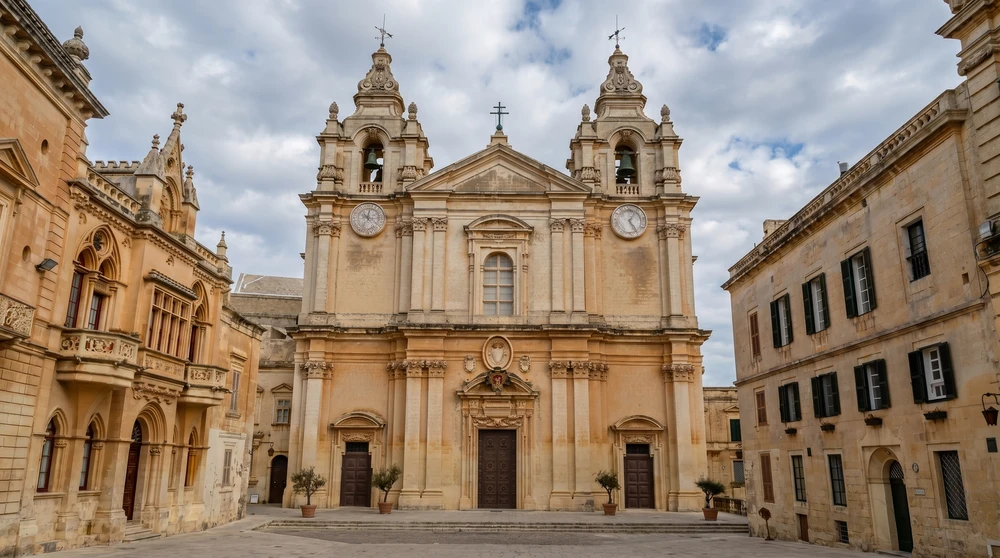
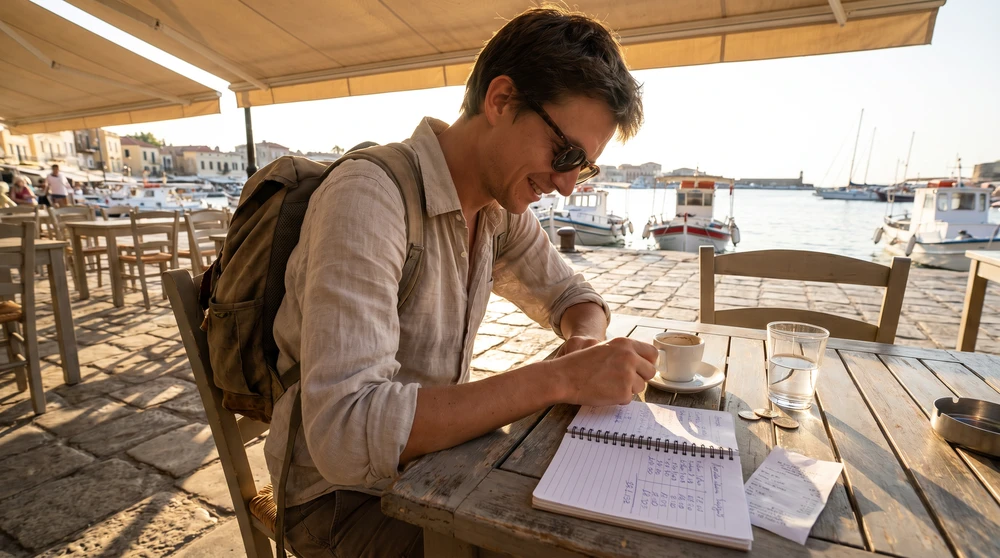
Keeping your daily expenses under EUR 100 is entirely possible. Bunking in shared hostels in St. Julian's or Sliema costs around EUR 25 to EUR 35 a night. You will rely heavily on the public bus network and grab lunches from local pastizzi shops or street food stalls. Free activities like swimming at Golden Bay or walking the ancient streets of Mdina keep entertainment costs practically at zero.
Mid-Range Comfort (Hotels & Bistros)
A mid-range budget of around EUR 200 a day allows for significant upgrades. You get a private room in a comfortable 3-star boutique hotel or a well-located guesthouse. Dining shifts to local trattorias where you can sit down for traditional meals and a glass of local wine. You will mix public buses with occasional taxi rides via apps like Bolt or eCabs to save time.
The Luxury Experience (Resorts & Fine Dining)
Pushing past EUR 400 a day unlocks Malta's premium offerings. You sleep in 5-star historic properties in Valletta, like the Phoenicia, or rent expansive private villas with sea views. Dinner means multi-course tasting menus at Michelin-starred restaurants such as Bahia. Private boat charters to the Blue Lagoon and high-end convertible car rentals replace crowded ferries and buses.
Pre-Trip Expenses: Flights and Accommodation Prices
Your largest upfront costs fluctuate wildly depending on the calendar. Summer (June to August) is peak season, bringing intense heat and premium price tags.
Booking a flight from a major European hub costs roughly EUR 60 to EUR 110 in the winter, but those exact same seats jump to EUR 220 to EUR 450+ during the July rush. Long-haul flights from the US average around USD 1,300 round-trip during peak times. Choosing the shoulder season, spring or autumn, slashes flight costs by nearly half.
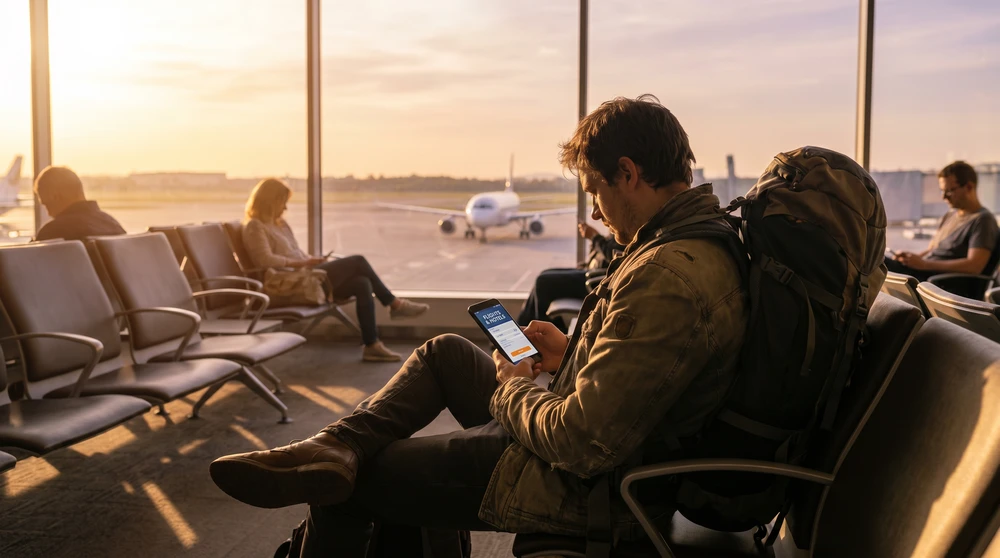
Accommodation follows the same aggressive pricing curve. These nightly figures are typical 2026 ranges rather than fixed rates:
- Budget hostels: EUR 30 to EUR 80 per night.
- Guesthouses & 3-star hotels: EUR 100 to EUR 200 per night.
- Luxury resorts: EUR 200 to EUR 700+ per night.
Staying slightly outside the primary tourist hubs like Valletta or St. Julian's, in towns like Mellieha or St. Paul's Bay, naturally drops the nightly rate by 20% to 30%. To compare current rates and lock in a refundable price early, browse Malta accommodation deals before peak season fills up.
Cost of Food and Drink (From Pastizzi to Michelin Stars)
Eating well in Malta does not require a massive budget if you know where to look. The local culinary scene blends Sicilian, Middle Eastern, and Mediterranean influences.
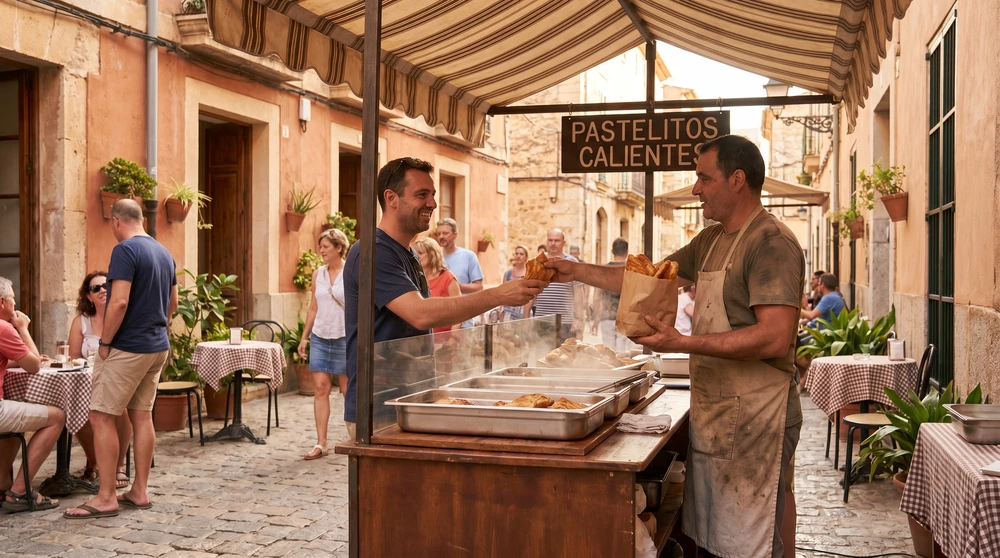
Grabbing lunch on the go is incredibly cheap. Traditional pastizzi, flaky pastries filled with ricotta or mushy peas, cost less than EUR 1. A filling hobz biz-zejt (Maltese sourdough bread rubbed with tomatoes, olive oil, and tuna) rarely exceeds EUR 4.
For sit-down meals, expect the following typical ranges:
- Casual trattoria (mid-range): EUR 25 to EUR 45 per person for a main course like rabbit stew (stuffat tal-fenek) or fresh seafood, excluding drinks.
- Fine dining: EUR 70 to EUR 140+ per person for tasting menus at high-end establishments.
- Drinks: A pint of local Cisk beer costs about EUR 3.50 to EUR 5.50, and a decent bottle of local supermarket wine starts at EUR 7.
The takeaway is simple. You can eat for under EUR 5 a day on street food or spend EUR 140 on a single tasting menu, and both experiences are authentically Maltese.
Getting Around: Public Transport and Car Rental Costs
Malta is small, but its winding roads and dense traffic make transportation a critical budget factor.
Is the Tallinja Card Worth It?
Absolutely. A single bus ticket costs [practical_info:bus_single_fare_summer] in the summer ([practical_info:bus_single_fare_winter] in winter), with free transfers inside a two-hour window. If you plan to use the bus more than a few times a day, the Explore Tallinja Card is a major money-saver. For [practical_info:explore_tallinja_card], it gives you unlimited travel on public buses across both Malta and Gozo for seven days.
Gozo Ferry Fares
Island hopping is inexpensive. The standard passenger ferry from Cirkewwa (Malta) to Mgarr (Gozo) costs just [practical_info:gozo_ferry_return] for a return ticket. If you rent a car and want to take it across, the vehicle-plus-driver ticket is EUR 15.70.
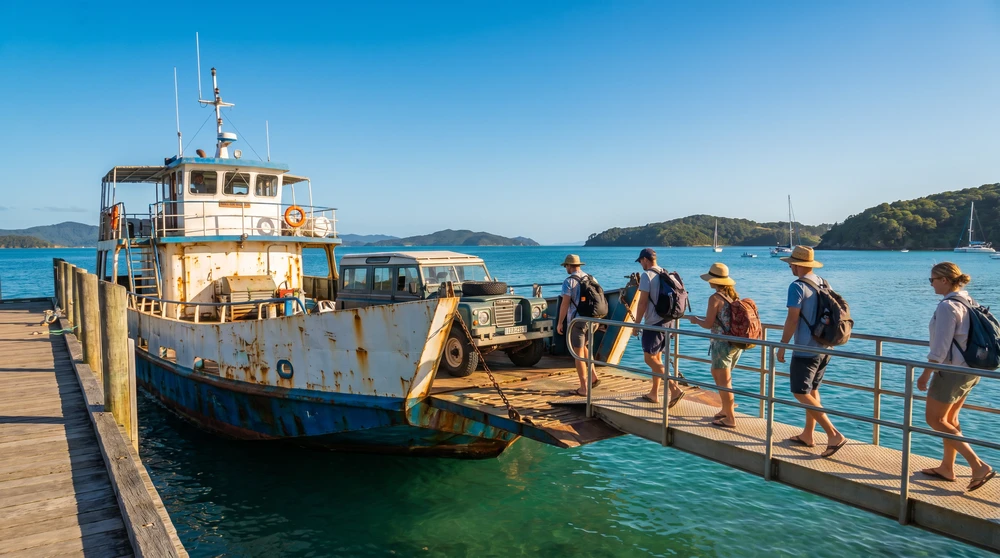
Car rentals give you total freedom to explore hidden coves, but they add up. Daily rates average EUR 25 to EUR 60, plus the cost of fuel (around EUR 1.35 per liter) and the inevitable stress of finding parking in crowded areas like Sliema. If a road trip is part of the plan, you can Check car rental rates for Malta to gauge realistic daily costs before you arrive.
Entrance Fees for Top Malta Attractions
Historical sites dictate a large portion of your sightseeing budget. While nature provides free entertainment, Malta's ancient temples and museums require tickets.
- St. John's Co-Cathedral: [practical_info:st_johns_cocathedral] adult entry, essential for seeing the Caravaggio masterpiece.
- Blue Lagoon boat trips: EUR 15 to EUR 40 for group ferries from the main island.
- Heritage Malta multi-site pass: [practical_info:heritage_malta_pass]. This pass covers entry to over 20 sites and museums, paying for itself if you are a avid history buff.
Free alternatives keep sightseeing costs down: wandering the fortified walls of Mdina (the Silent City), swimming at St. Peter's Pool, and browsing the Marsaxlokk Sunday fish market all cost nothing.
Hidden Tourist Costs and How to Avoid Them
Unplanned micro-expenses drain travel budgets faster than a lavish dinner. Malta has a few specific hidden costs you need to anticipate.
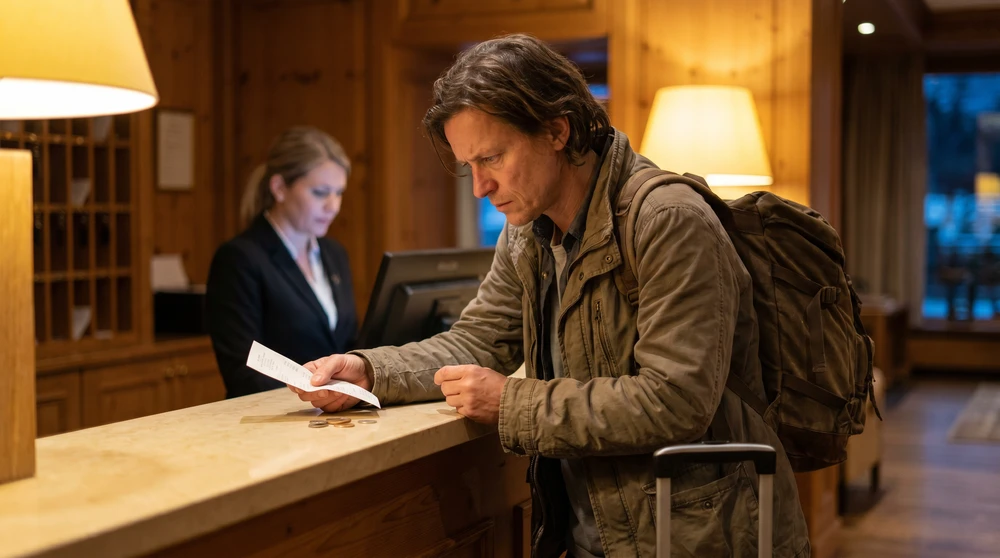
- The eco-tax: Every tourist aged 18 and over must pay an Environmental Contribution of [practical_info:eco_tax] per night, capped at EUR 5 per continuous stay. Note that Malta is set to raise this nightly charge to EUR 1.50 from mid-2026, so check the current rate before you travel. Hotels collect it directly, and it is rarely included in your online booking price.
- Luggage storage fees: Arriving before check-in or flying out late leaves you dragging bags. Some attractions charge EUR 2 to EUR 3 for storage, while independent locker services like Radical Storage cost around EUR 5 per day.
- Beach sunbeds: Public beaches are free, but renting a pair of sunbeds and an umbrella costs EUR 10 to EUR 20 a day. Bring a towel and arrive before 9 AM to claim a free spot on the sand.
- Roaming charges: Non-EU travelers face steep mobile data fees. Buying a digital eSIM before you land provides instant cellular data and bypasses expensive daily roaming packages from your home provider.
The honest verdict is reassuring. Malta delivers serious Mediterranean value if you travel in the shoulder season and lean on buses, ferries, and street food, but the bill climbs fast the moment you chase peak-summer resorts and private charters.