Navigating a new country alone often brings a mix of excitement and hyper-vigilance, especially when you are trying to figure out which neighborhoods are genuinely secure after dark. The good news is that Malta consistently ranks as one of the safest destinations in Europe, and violent crime is rare. True comfort, though, comes from knowing exactly how to move around without unnecessary friction.
Here is the unfiltered reality of navigating this Mediterranean archipelago solo. The single most important thing to remember before anything else: the emergency number is 112 across the whole island for police, ambulance, and fire.
Safety vs. Feeling Safe: Decoding Malta's Neighborhoods
Statistics say one thing; your nervous system says another. Both matter when you travel alone, and choosing the right base dictates the entire rhythm of your trip. The main risk in Malta is petty theft, not violent crime, so the goal is picking an area where you feel at ease walking back to your room at night.
Sliema and St. Julian's (Vibrant but Chaotic)
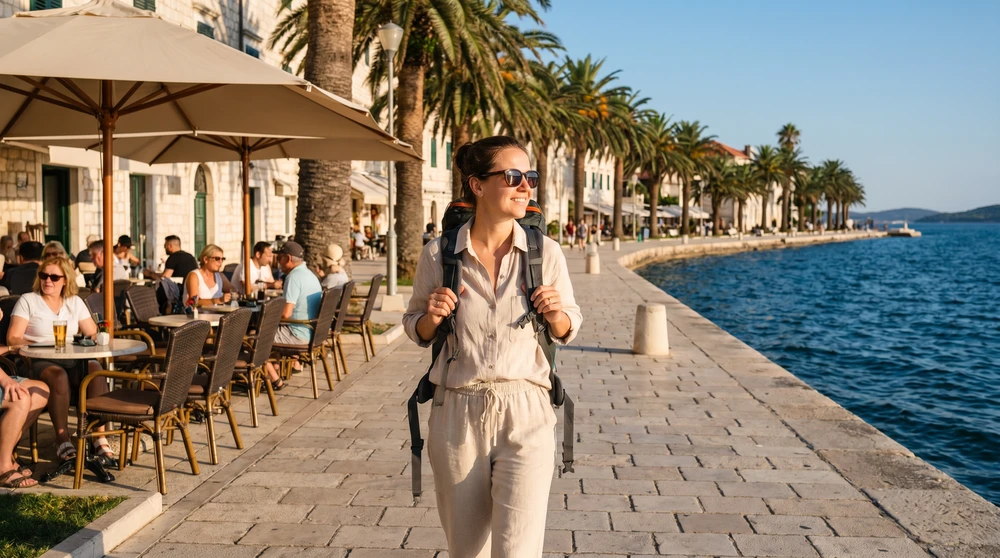
These coastal towns are the primary hubs for expats and tourists. The long promenade connecting Sliema to St. Julian's stays constantly active with runners, cafes, and open water views. It feels incredibly safe during the day, offering easy access to shops and ferries.
The energy shifts at night, however. The dense crowds, narrow pavements, and fast-paced traffic can feel overwhelming if you prefer a quieter environment. Keep your bag zipped and in front of you on the busy promenade, where pickpockets occasionally work the summer crowds.
Valletta and The Three Cities (Historic and Well-Lit)
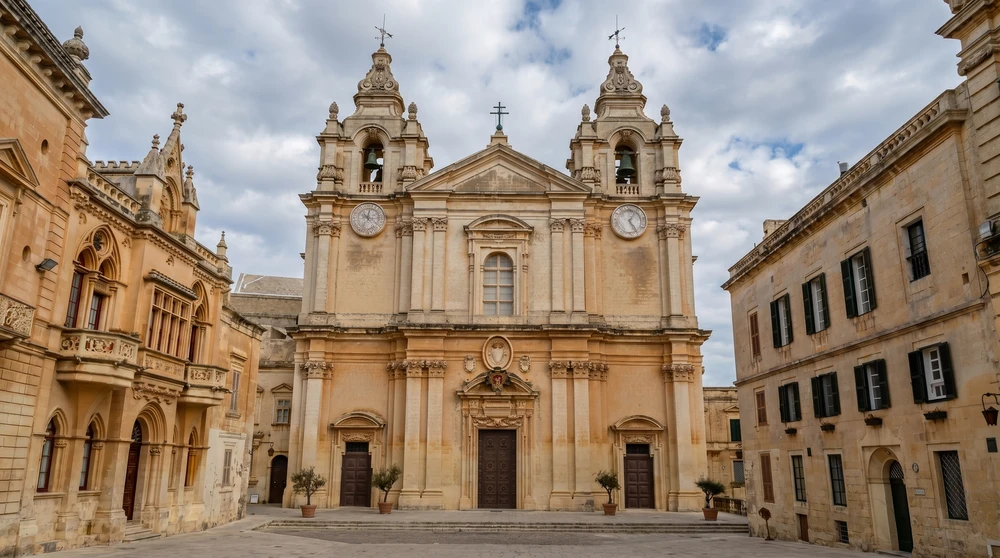
Valletta is a precise grid of limestone, and golden hour paints the colorful balconies. Security presence is high, and the main streets stay well-lit throughout the night. Most solo women report feeling comfortable walking here even late in the evening.
Keep in mind that the capital empties out significantly after 9 PM. Walking back to your accommodation is secure, but the intense quiet in the narrow, steep alleys might feel unsettling for a first-time solo traveler. Republic Street is the one spot to stay alert, as it is a known zone for pickpocketing during peak hours.
Northern Malta and Gozo (Calm and Regulated)
If constant social interaction drains you, head north to Mellieha or catch the ferry to Gozo. You get open landscapes, wide coastal paths, and a slower daily rhythm. This area gives you maximum personal space and the lowest stress of anywhere on the islands.
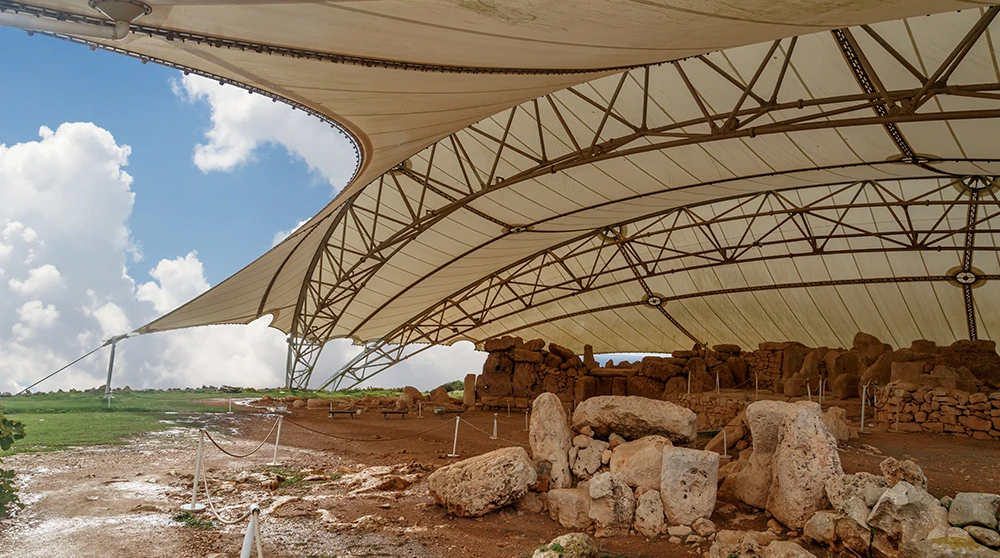
The calm here drastically reduces decision fatigue, offering a sense of control that busy urban centers lack. It is also worth a day trip to see sights like the ancient temples of Gozo once you have settled into your routine.
Common Scams and Petty Theft to Watch For
Malta is honest by Mediterranean standards, but a handful of tourist traps repeat themselves every season. None of them are dangerous; they simply target your wallet rather than your safety. Knowing the patterns in advance removes most of their power.
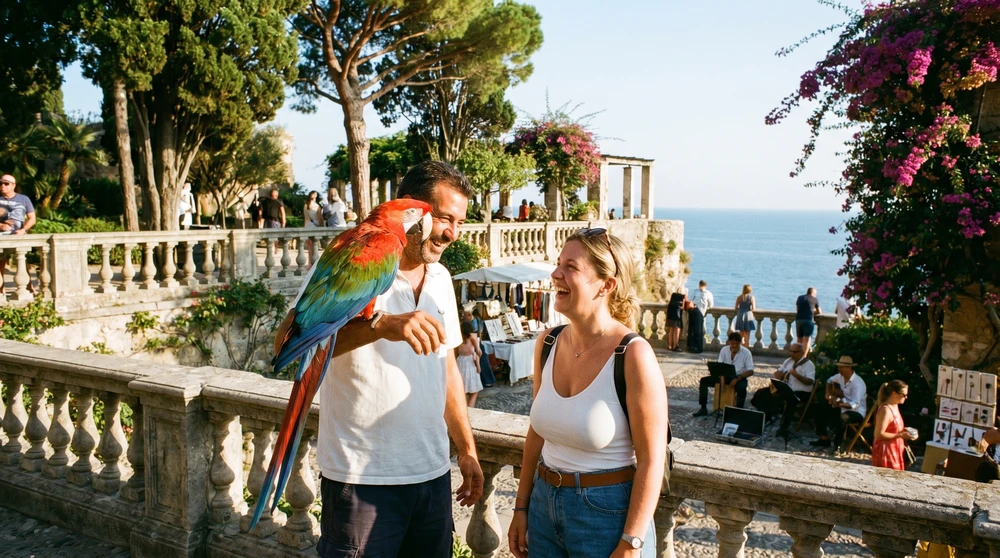
The classic one is taxi overcharging, which is exactly why ride-hailing apps matter so much (more on that below). In Valletta's Upper Barrakka Gardens, you may also meet the "Bird Man," who places a parrot on your shoulder for a photo and then demands €10 or €20. A polite but firm "no thank you" is your best tool against the free bracelets, flowers, and fake-charity clipboards in tourist squares.
Watch your restaurant bill in the busiest areas like Sliema and St. Julian's, where the occasional venue adds a cover charge or an item you never ordered. Pickpocketing clusters in predictable places: the Sliema promenade, Republic Street in Valletta, the Blue Lagoon on Comino, and crowded buses such as the X1, X2, and X3 from the airport.
Getting Around Solo: Transport Facts You Need
Mobility is a major factor in travel confidence. Malta is small, but its infrastructure requires a bit of strategy.
Why Ride-Hailing Apps Beat Local Taxis
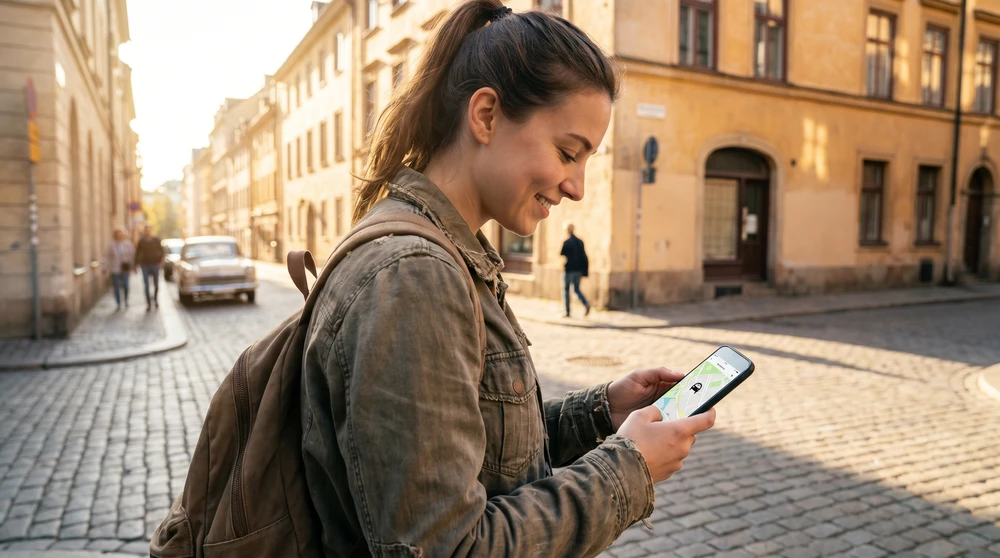
Never hail a white taxi directly from the street, as fares are often arbitrary and communication can be frustrating. Download Bolt, eCabs, or Uber before you land instead.
With an app, fares are locked in, drivers are tracked via GPS, and you can easily share your ride status with a friend back home. A typical ride from Malta International Airport to Sliema costs around €15 to €20 on these apps. Staying digitally connected matters for safety, so consider an ESIM data plan so your maps and ride app work the moment you land.
Malta Public Transport: Reliable or Risky?
The bus network covers the entire island, and a single journey costs €2.50, easily paid via a contactless card. The buses are perfectly safe for solo women, even late into the evening. The main issue is efficiency, not security.
Heavy traffic often throws schedules off, turning a 20-minute drive into an hour-long commute. Keep your backpack in front of you on packed summer routes, since these buses are the most common spot for pickpockets.
The Reality of Renting a Car Alone
Driving in Malta happens on the left side of the road. Add narrow walled streets, aggressive local driving habits, and scarce parking, and you have a recipe for high stress.
For most solo travelers, the smart move is to skip the rental car. Relying on ride-hailing apps, buses, and ferries is much kinder to your peace of mind and your budget.
Nighttime Safety and Solo Dining
You never have to lock yourself in your room after sunset, but a few calculated choices go a long way. A good travel insurance policy is one of them, and Travel insurance for Malta covers the medical and theft scenarios that solo travelers worry about most.
Areas to Avoid After Dark
Paceville is Malta's nightlife epicenter. By day it is just another commercial neighborhood; by night it turns into a chaotic strip of crowded clubs, heavy drinking, and occasional rowdiness. Pickpocketing spikes here, and reports of drink spiking make it the one area to treat with real caution.
Unless you specifically want the intense club scene, avoid walking through Paceville late at night, and never leave a drink unattended if you do. Stick to the well-lit promenades of Sliema or the cozy wine bars in Valletta instead. Mild catcalling can happen in the busier coastal strips, but it rarely goes beyond comments.
Comfortable Spots for Dining Alone
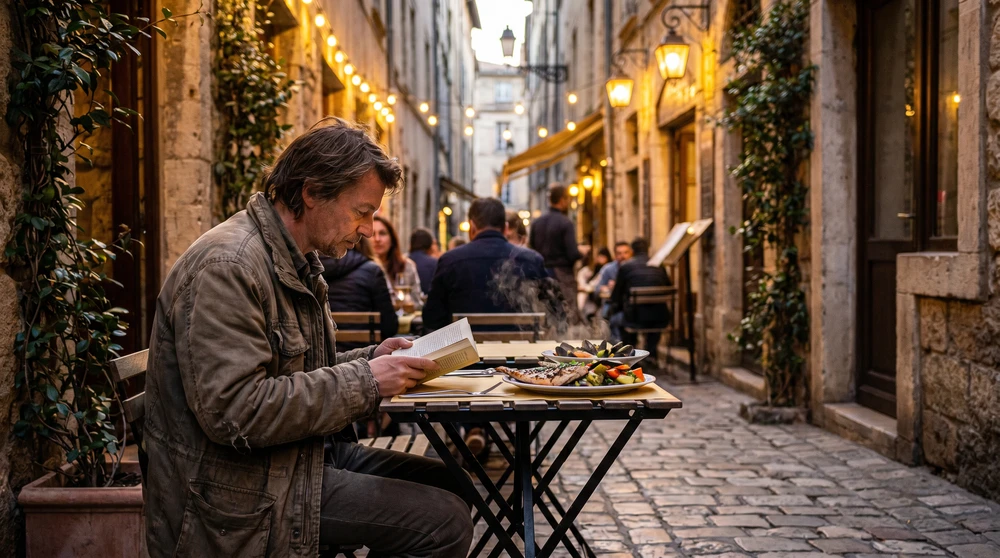
Dining solo in Malta is entirely normalized. Restaurants in Valletta, particularly the charming spots along Strait Street, offer small tables perfect for one. You will not face judgment or unwanted attention from staff.
A simple "table for one" is met with a menu and a smile. That leaves you free to enjoy your pastizzi or fresh seafood in total peace, and to refill your bottle with tap water that is safe to drink, even if its desalinated taste leans slightly toward a swimming pool.