Planning a Malta trip based solely on average temperatures often leads to unexpected surprises, like shivering on a boat tour in May or battling shoulder-to-shoulder crowds at the Blue Lagoon in August. Understanding the delicate balance between the island's unpredictable winds, actual sea temperatures, and peak tourist influx is the only way to lock in the perfect travel dates.
- Best overall balance (shoulder season): May, June, September, and October
- Ideal for swimming: July to October, when the sea temperature peaks at 26°C (79°F) in August
- Cheapest months and lowest crowds: January and February
- Peak crowds and highest prices: July and August
Malta Weather and Crowds: The Short Answer
Summer brings relentless heat and massive crowds, while winter offers budget-friendly solitude at the cost of beach days. The true sweet spot lies in the shoulder seasons. Late spring and early autumn deliver pleasant warmth, significantly lower hotel rates, and a sea temperature that remains surprisingly inviting long after the summer rush fades.
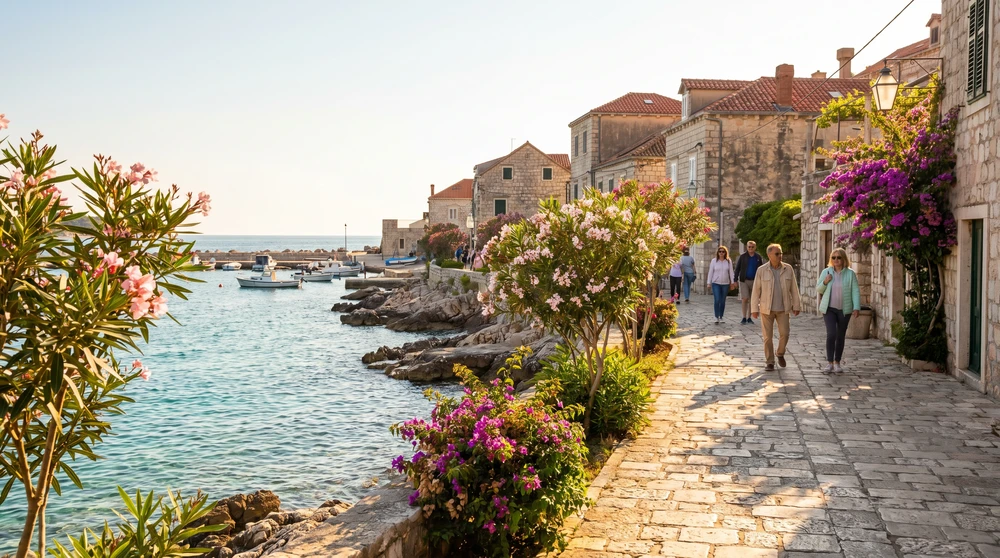
Month-by-Month Breakdown: What to Expect
January and February: Budget-Friendly but Windy
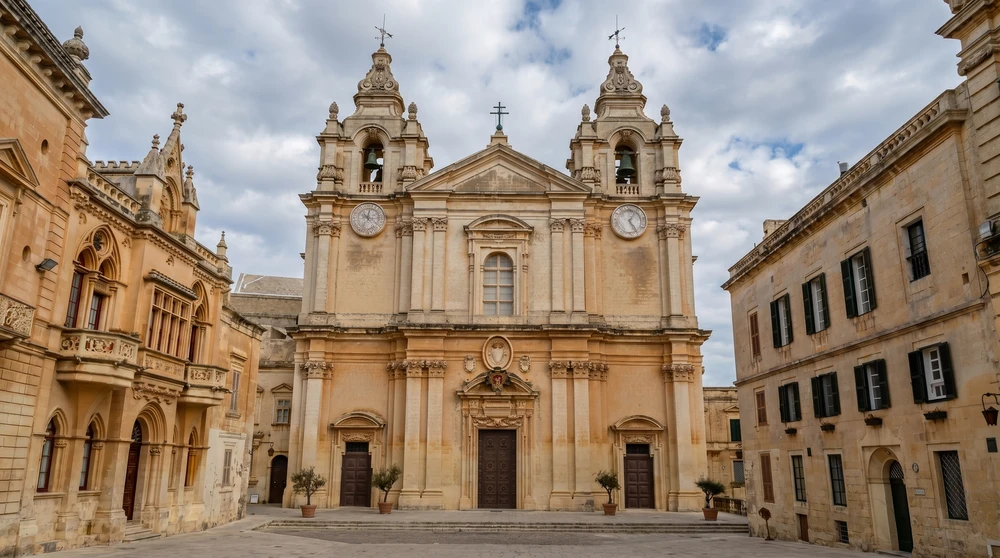
These are the quietest and most affordable months on the islands. Average temperatures hover around 15°C (59°F). While it rarely freezes, the coastal winds can be biting, and sudden rain showers are common. It is an excellent window for exploring Valletta's museums, Mdina's quiet alleys, or ancient temples without sweating through your clothes.
March and April: Spring Blooms and Hiking Season
The landscape transforms into a vibrant green, making this the prime season for hiking along the **Dingli Cliffs** or exploring the quieter island of Gozo. Temperatures rise to a comfortable 17-20°C (63-68°F). The sea is still far too cold for swimming, usually sitting around 15°C (59°F). Hotel rates begin to creep up, especially around the Easter holidays.
May and June: The Absolute Sweet Spot
If you want sunshine without the suffocating heat, aim for this window. May averages 24°C (75°F), and June quickly pushes toward 28°C (82°F). The sea gradually warms up enough for a refreshing dip by late May. You get long daylight hours, clear skies, and full access to boat tours before the July surge doubles the island's population.
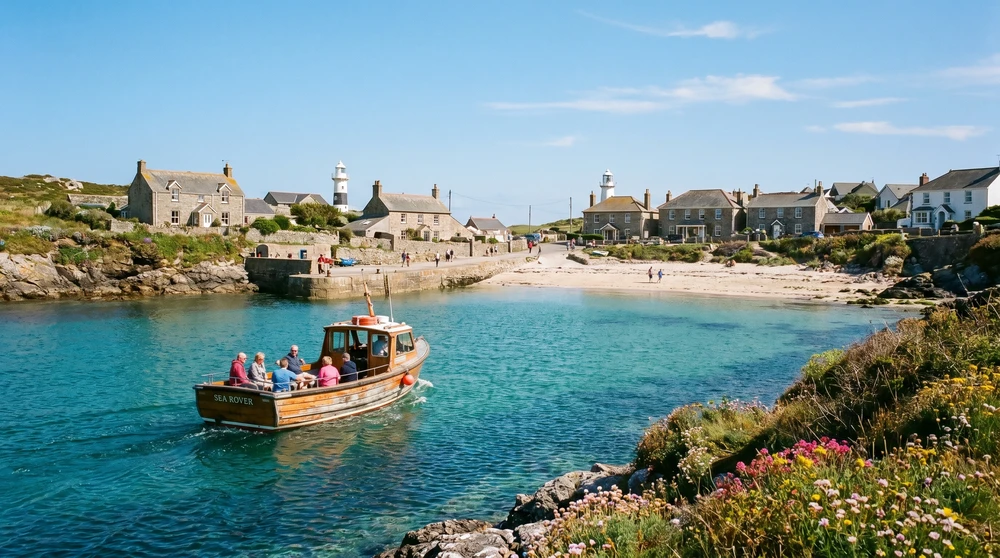
July and August: Peak Crowds and High Heat
The Mediterranean sun takes over, pushing daily highs well past 32°C (90°F). The sea water is bath-warm, making it perfect for snorkeling and late-night swims. However, this is the peak European holiday season. Expect premium pricing on accommodations, fully booked restaurants, and serious overcrowding at iconic spots.
September and October: Warm Seas and Wine Harvests
The intense summer heat breaks, but the sea retains all its warmth, often staying at a comfortable 25°C (77°F) straight through October. This period offers the exact same beach benefits as August but with significantly thinner crowds. It is also the harvest season, bringing local wine and food festivals to the smaller rural villages.
November and December: Mild Winters and Festive Vibes
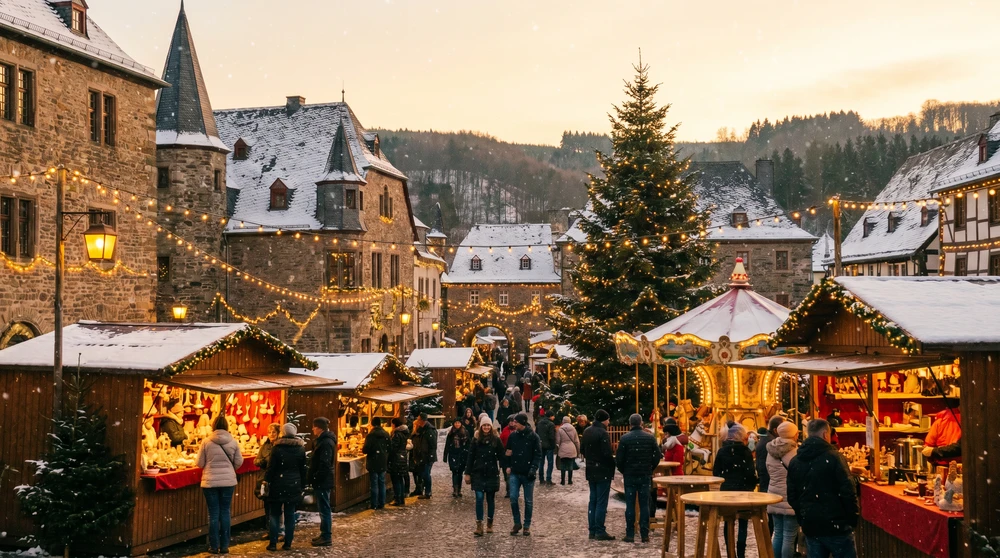
Autumn transitions sharply into winter, with November bringing the highest chance of rainfall. Temperatures drop back down to 17-20°C (63-68°F). December shifts the focus from the coast to the historic towns, filled with elaborate Christmas markets, traditional crib displays, and a distinctly cozy, local atmosphere.
Best Time to Visit Malta for Specific Travel Goals
Swimming and Beaches
Do not trust the high air temperatures in April or early May to guarantee a good beach day. The Mediterranean Sea takes time to warm up. For guaranteed comfortable swimming, wait until late June. September is arguably the best beach month, when the water is pristine and warm while the UV index drops to a much safer level.
Avoiding the Massive Crowds at the Blue Lagoon
Visiting Comino's famous **Blue Lagoon** in August requires arriving before 8:30 AM to secure a tiny patch of rock. To experience the vibrant turquoise water without the chaos, schedule your boat trip for late May or early October. Alternatively, skip the main lagoon entirely and take the short walk over to the much quieter Crystal Lagoon.
Budget Travelers and Hotel Deals
Finding cheap flights and discounted hotel rooms is effortless between November and March, excluding the Christmas weeks. Many resorts slash their prices by up to 50% compared to summer peaks. If you are comparing seasonal rates, it is worth Checking hotel deals across different months before locking anything in. Just ensure your accommodation has reliable heating, as traditional Maltese stone buildings get surprisingly cold inside during winter nights.
Local Events and Festivals You Shouldn't Miss
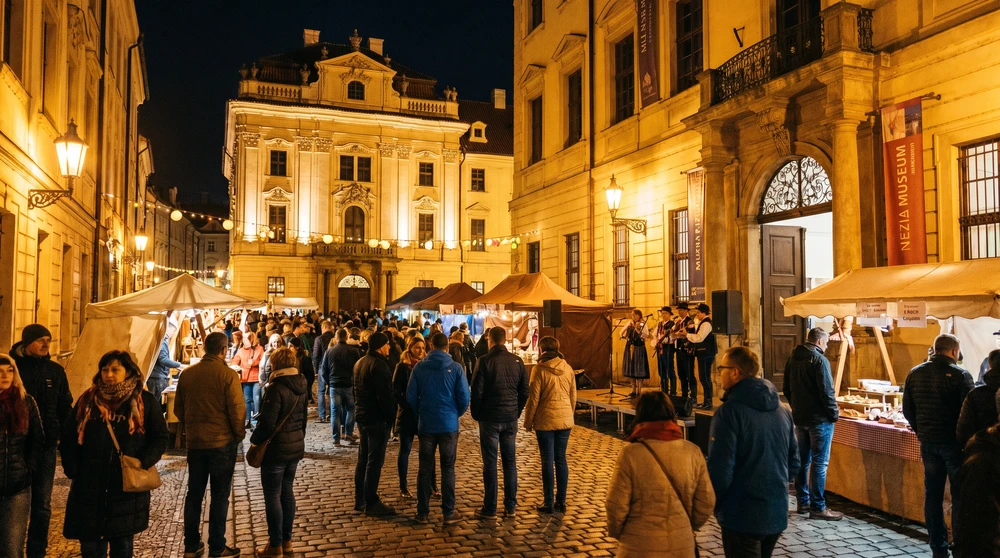
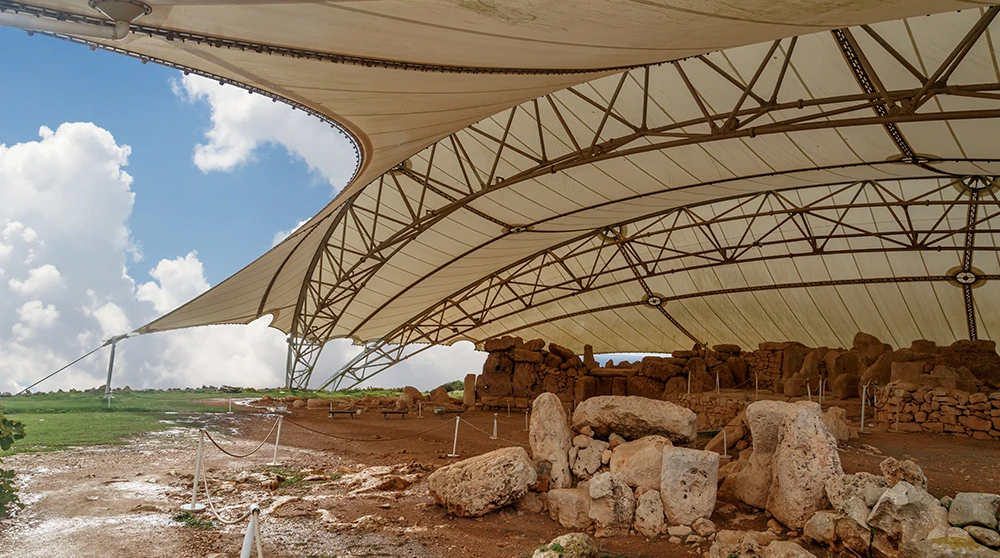
Malta's cultural calendar is packed, but the festa season is the undisputed highlight. Running from late May through September, almost every weekend features a different village celebrating its patron saint with massive firework displays, brass bands, and street food. If you are drawn to ancient history rather than the crowds, the quieter winter months are ideal for visiting the Ggantija Temples on Gozo, some of the oldest free-standing structures on earth. If visiting in October, time your trip around Notte Bianca in Valletta, where museums, palaces, and cultural sites remain open and free all night long.