Arriving at Malta International Airport without knowing the new European border rules can lead to long delays or even denied entry at passport control. The EU's Entry/Exit System (EES) is now fully operational, and the ETIAS travel authorization launches later in 2026, so crossing the Maltese border requires different preparation depending on your passport.
This guide breaks down exactly what you need before you fly: who registers biometrics at the border, who needs an ETIAS, and who still requires a full Schengen visa.
- EES status: Active since April 10, 2026. Mandatory biometric registration for all non-EU nationals at the border, free of charge.
- ETIAS status: Launching in Q4 2026, with a transition period before it becomes strictly mandatory. Required for visa-exempt passports.
- ETIAS cost and validity: €20 fee, valid for 3 years or until your passport expires.
- Schengen visa: Required for non-exempt passports. Needs €30,000 minimum health insurance coverage.
- Stay limit: Maximum 90 days within any 180-day period for both ETIAS and Schengen visa holders.
Malta Entry Rules: EES Is Now Active
The days of receiving a physical passport stamp when landing in Malta are officially over. The Entry/Exit System (EES) is a digital border initiative that records the exact time and location of your arrival and departure across all 29 Schengen countries.
This system applies to all non-EU citizens, whether you hold a short-stay visa or travel visa-free. You do not need to download an app or apply for anything in advance for EES, as the entire process happens physically at the border. If you are still mapping out your trip, the best time to visit Malta is worth pinning down first, since it helps you avoid the busiest arrival windows at the airport.
What Happens at Malta International Airport Now?
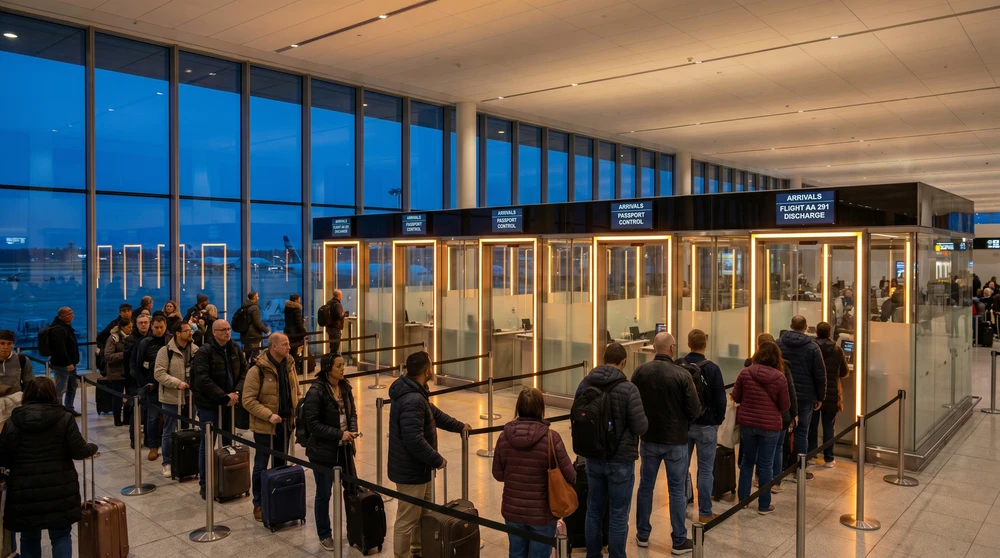
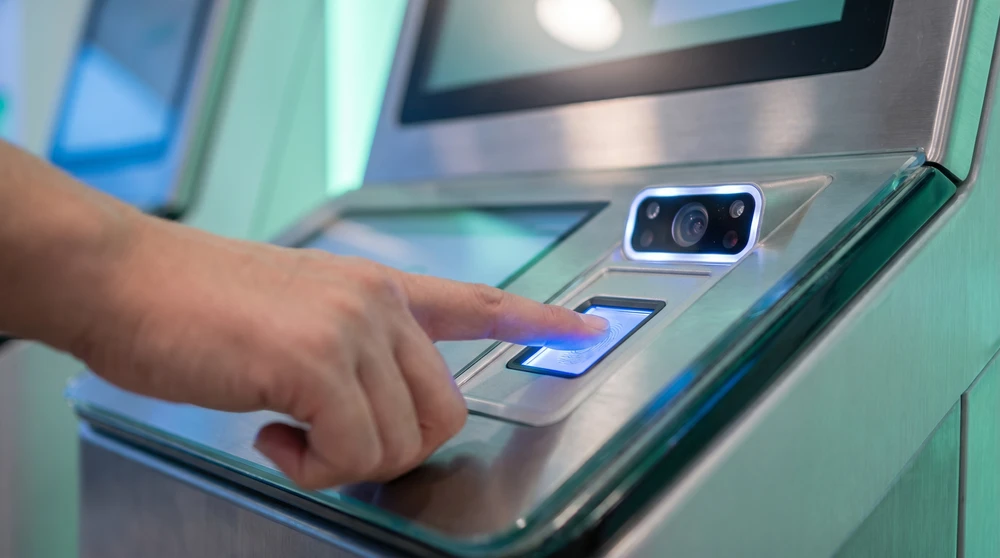
On your first visit to the Schengen Area under the new system, border officials will ask you to register your biometric data. You step up to a dedicated self-service kiosk or booth where your facial image and four fingerprints are scanned and securely recorded.
This initial registration takes a few extra minutes, so expect slightly longer wait times during peak flight arrivals. Your digital EES record remains valid for three years. On later trips to Malta or any other Schengen country within that window, the biometric check is much faster.
Do You Need ETIAS for Malta?
ETIAS is not a visa, but an automated travel authorization designed to pre-screen visitors before they board their flights. From late 2026, the EU will phase in this requirement to improve internal security and reduce overstays, with a transition period before it becomes strictly enforced.
You submit your basic personal information, travel plans, and background details through the official EU online platform. Most applications are approved within minutes, and the authorization is linked directly to your biometric passport.
ETIAS Eligible Countries (UK, US, Canada and More)
If you currently travel to Malta using just your passport, you will fall under the ETIAS requirement. This includes citizens from more than 60 visa-exempt nations such as the United Kingdom, United States, Australia, Canada, and Japan.
You must make sure your passport meets EU formatting rules before applying. It cannot be older than 10 years and must remain valid for at least three months beyond your planned departure date from the Schengen Area. Older, non-biometric passports from certain regions will not be accepted.
Application Cost and Validity
The application requires a one-time €20 fee, payable online by credit or debit card. Travelers under 18 or over 70 are exempt from paying the fee, though they still need an approved ETIAS to travel.
Once approved, your ETIAS grants multiple entries into Malta and other participating European nations and stays valid for three years. However, if you lose or renew your passport, your ETIAS immediately becomes void and you must apply for a new one.

Schengen Visa Requirements for Malta
If your country does not have a visa-free agreement with the European Union, the ETIAS process does not apply to you. You must secure a standard Schengen visa before booking your flights or accommodation. It is worth confirming this step before you compare where to stay in Malta, since most consulates want proof of paid accommodation.
Who Needs a Standard Schengen Visa?
Citizens of countries such as India, South Africa, Turkey, and China must apply for a traditional short-stay visa. This involves gathering supporting documents, proving you have sufficient daily funds (typically around €48 per day), and attending an in-person appointment at a consulate or authorized visa center.
The standard adult application fee is €90, while children aged 6 to 12 pay a reduced rate and those under 6 are free. Holding a Schengen visa lets you enter Malta and cross internal borders into countries like Italy or France without extra paperwork. Your entry and exit dates are still digitally logged by the EES system at the airport.
Mandatory Travel Medical Insurance
Unlike ETIAS, where medical insurance is optional, a Schengen visa application strictly requires proof of comprehensive health coverage. You cannot bypass this rule.
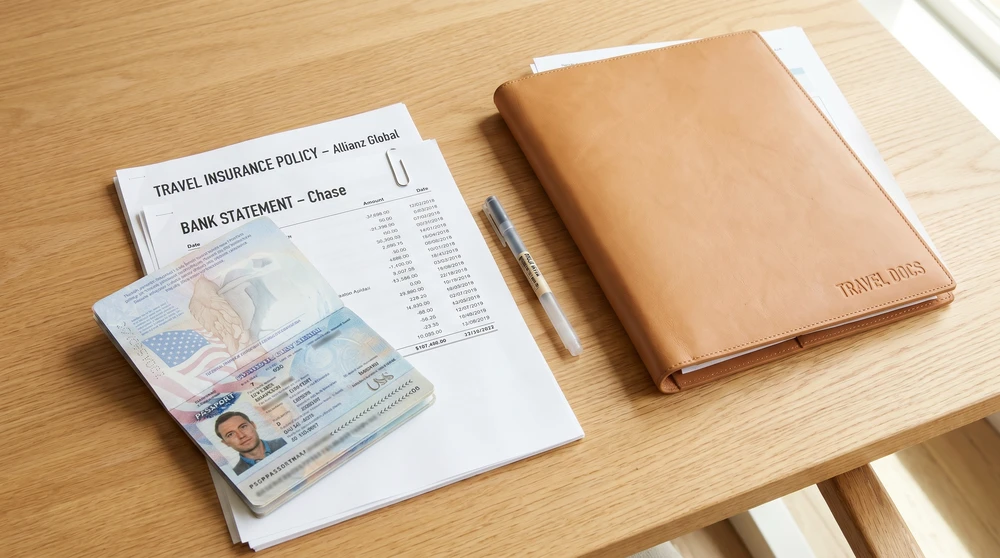
Your insurance policy must cover a minimum of €30,000 for emergency medical expenses, hospitalization, and repatriation. The coverage must be valid for the exact duration of your stay and applicable across the entire Schengen Area, even if you only plan to stay on the Maltese islands.
Once your paperwork is sorted, planning the on-the-ground logistics is the easy part. Getting around Malta on public transport is straightforward, and the airport bus links you to the city the moment you clear the border.