Finding authentic food in Malta without falling into overpriced tourist traps usually comes down to knowing which side streets to explore. The main squares offer great sea views, but the real culinary mastery happens in unassuming bakeries and family-run taverns tucked away from the busy pedestrian zones.
This guide covers the dishes worth seeking out, the regions where each one shines, and the simple eating habits that help you order like a local rather than a passing visitor.
Traditional Maltese Dishes You Must Try
Malta's strategic position in the Mediterranean created a unique cuisine heavily influenced by Sicilian, North African, and British flavors. The cooking leans on garlic, tomatoes, capers, and herbs rather than heat, so most dishes taste rich and savory rather than spicy.
If you are timing a trip around food festivals or village feasts, it helps to read up on the seasonal differences across the islands before you book.
Savory Snacks: Pastizzi and Ftira
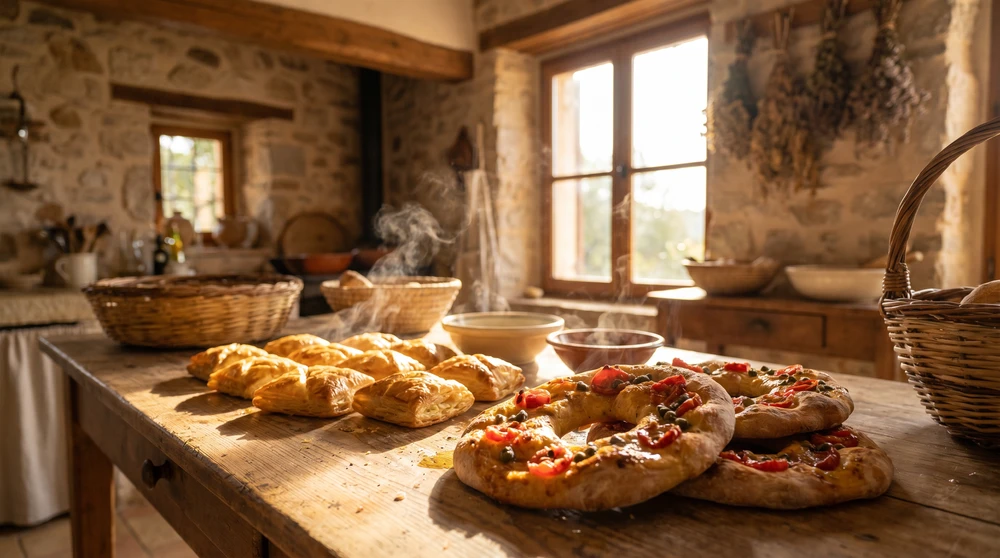
Pastizzi rule the local street food scene. These diamond-shaped, incredibly flaky pastry parcels traditionally hold either fresh ricotta cheese or mushy peas. Buying them directly from small, dedicated pastizzerias ensures you get them fresh and piping hot right out of the oven, and they rarely cost more than a euro or two.
The ultimate lunch option is the ftira. This local sourdough flatbread features a distinctive ring shape with a thick, chewy crust, and it earned a spot on UNESCO's Intangible Cultural Heritage List in 2020. Locals usually eat it rubbed with ripe tomatoes and olive oil, then topped with a salty mix of capers, tuna, garlic, and onions.
On Gozo, the ftira takes a different form entirely. There it is served more like a thin wood-fired pizza, topped with sliced potato, anchovies, and capers.
Main Courses: Stuffat tal-Fenek and Kapunata
You cannot explore local flavors without encountering Stuffat tal-fenek, the national dish of rabbit stew. The meat is slow-cooked for hours in a rich tomato and red wine sauce until it becomes incredibly tender. Traditional restaurants often serve the sauce first with pasta, followed by the meat and root vegetables as the main course.
This ritual has its own name, the fenkata, a communal rabbit feast shared with family or friends. A full fenkata often opens with snails in garlic sauce, moves on to spaghetti dressed in the rabbit gravy, and finishes with the braised or fried rabbit itself. Villages such as Mġarr and the area around Mdina are well known for it.
For a lighter, vegetable-forward dish, try Kapunata. This local take on ratatouille relies on fresh eggplants, bell peppers, tomatoes, and garlic. It works perfectly as a side dish or a satisfying main served with thick slices of wood-fired bread.
Maltese Cheese: The Famous Gbejniet
Gbejniet showcases the island's dairy craftsmanship. This small, round cheese is made from unpasteurized sheep or goat milk, and you will find it in three main forms: fresh and milky, dried in small baskets, or heavily peppered. A drizzle of olive oil turns the dried, peppered version into an excellent, sharp starter on a traditional platter.
Desserts and Sweet Treats
The local sweet tooth leans heavily toward almonds, ricotta, and honey.
Borrowed from neighboring Sicily, Maltese kannoli feature crispy fried pastry tubes stuffed with sweet ricotta, sometimes finished with dark chocolate chips or fresh strawberries.
If you visit in spring, look out for figolli, large decorated biscuits packed with a dense almond paste. They are traditionally an Easter treat, though smaller versions sometimes appear in bakeries year-round. For something more unusual, the qaghaq tal-ghasel, a treacle ring spiced with cinnamon and citrus, is a long-standing favorite at Christmas.
Best Places to Eat in Malta by Location
Knowing roughly where to go saves you from generic, tourist-focused menus. Rather than chasing a single famous address, it helps to understand what each area does best, then pick a family-run spot once you are there.
Valletta rewards slow mornings, with atmospheric cafes serving homemade ravioli, fresh pastizzi, and strong coffee before you tackle the capital's steep streets. If you are mapping out your days in the city, this overview of the main sights and walking routes in Valletta pairs well with a long lunch.
Around St Julian's and Sliema, the bayside restaurants specialize in authentic local dishes and modern ftira variations, and the waterfront terraces are the obvious choice for a sunset dinner over the water.
Gozo is where rustic, land-to-table cooking shines. Several family-run places inside Victoria's historic Citadel produce their own wine and gbejniet on private farms, and the rooftop terraces come with panoramic island views. It makes an easy and rewarding stop on a day trip across to Gozo. For menus, opening times, and current prices, check each restaurant's official site or social pages directly, since these change often.
When you want to lock in a well-reviewed table before you travel, it is worth comparing options in advance.
Vegetarian and Vegan Food in Malta
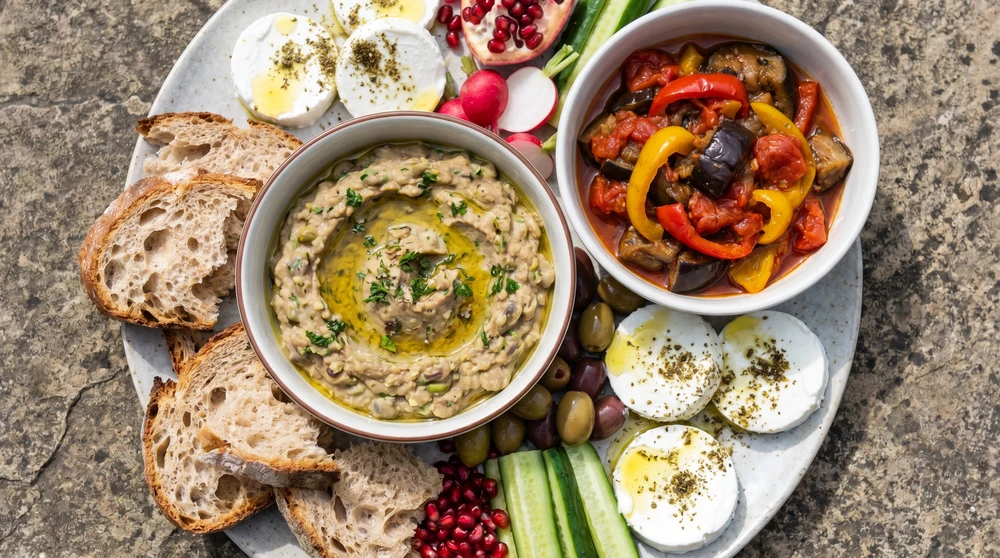
Despite the heavy emphasis on rabbit and seafood, plant-based eaters have plenty of choices. Soppa tal-armla, the Widow's Soup, mixes broad beans, peas, and carrots into a hearty broth, often finished with a piece of fresh goat cheese. Bigilla, a thick broad-bean and garlic dip served with crusty bread, is another reliable meat-free staple.
Combine these with kapunata and ricotta pastizzi for a fully authentic, meat-free meal. Most traditional bakeries and cafes can put together a vegetarian platter without any trouble.
What to Drink: Local Wines, Cisk, and Kinnie
The local soil produces fantastic, under-the-radar wines. Look for bottles of Syrah, Merlot, and Vermentino to pair with a heavy dinner.
For casual drinking, Cisk is the undisputed king of local beers. This light, crisp lager is exactly what you want after a hot day at the beach.
If you prefer something non-alcoholic, grab a Kinnie. This bittersweet, dark carbonated drink is made from bitter chinotto oranges and aromatic herbs, and it is brewed only in Malta. The flavor is complex, a little like a non-alcoholic Campari soda, and it takes some getting used to, but it is genuinely refreshing in the Mediterranean heat.

Getting between the food hotspots is straightforward once you understand the island's bus network and routes, which connects Valletta, Sliema, and most coastal towns.