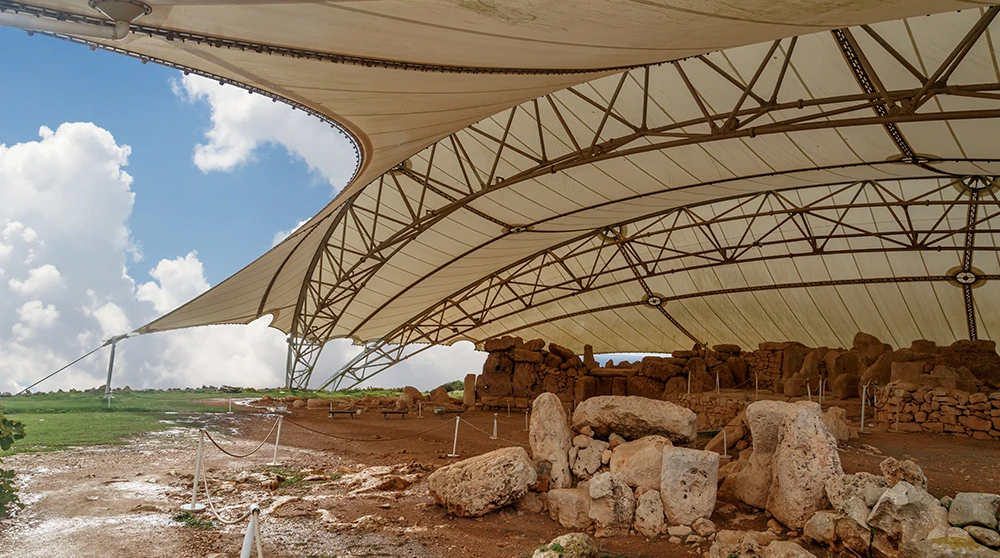
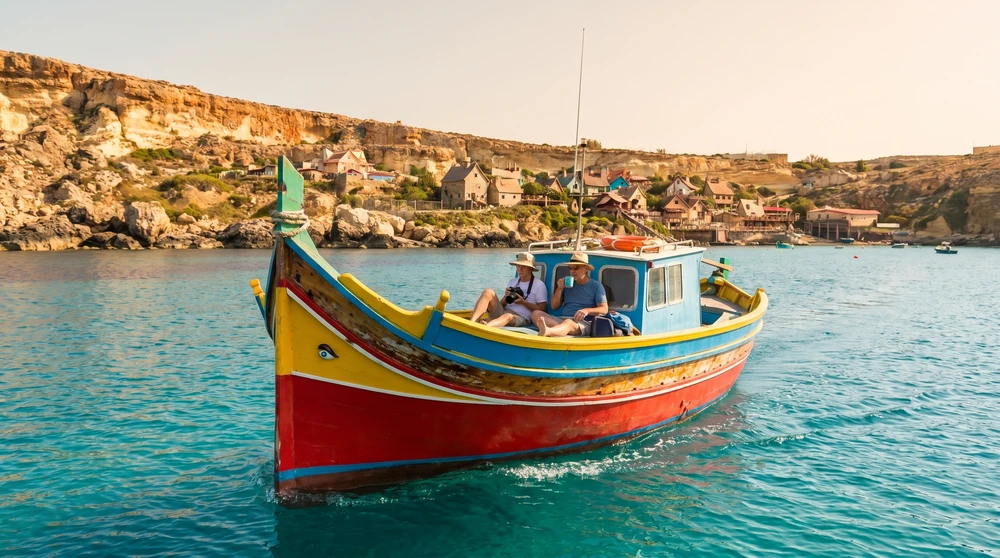
Driving down to Delimara Point during peak summer often ends in a frustrating standoff with oncoming traffic on a single-lane dirt road. Skip the chaotic parking trap entirely and take a traditional luzzu boat directly from Marsaxlokk harbor. You get a scenic coastal ride and save your energy for navigating the sharp limestone cliffs and slippery exit ladders.
This is everything you need to know before you go, from how to actually get there to where it is safe to jump.
- Location: Delimara Point, Malta (10-minute drive or 30-minute walk from Marsaxlokk)
- Entrance Fee: 100% free, open 24/7 year-round
- Parking: €3 at the first lot (cash only), or a free dirt lot further down the road
- Boat Transfer: roughly €5 to €10 per person from Marsaxlokk harbor
- Jump Heights: 3 to 5 meters depending on the tide
- Facilities: no toilets, with one cash-only snack van in summer
What to Expect at St Peter's Pool
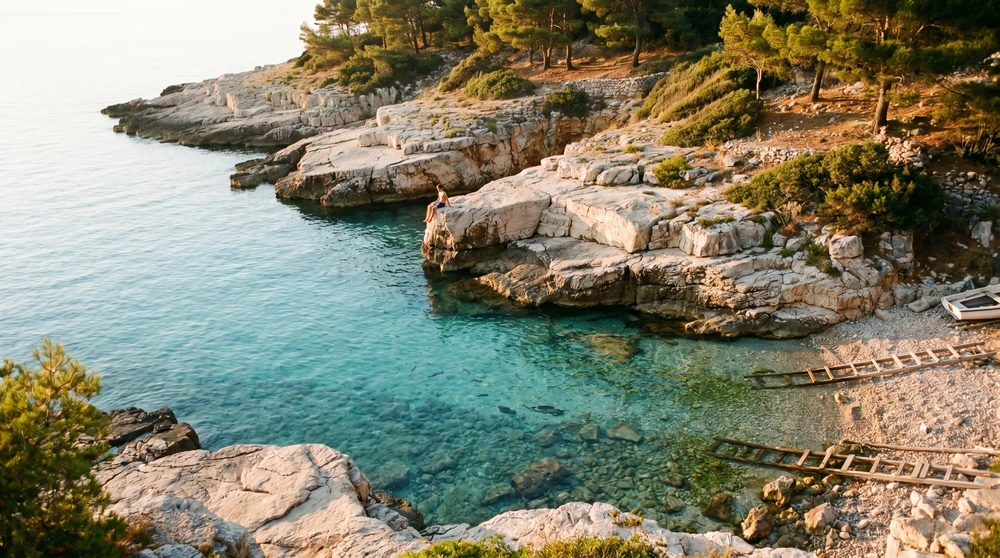
The visual contrast is striking. The water, a vibrant translucent turquoise, sits framed by bright white, horseshoe-shaped limestone walls. Flat rock platforms step down toward the Mediterranean, providing plenty of space to lay down a towel.
The reality on a July afternoon is much louder and more crowded. Zero sand means zero natural shade, and the white rocks reflect UV rays aggressively. Finding a quiet spot requires scrambling over uneven boulders away from the main jumping ledge.
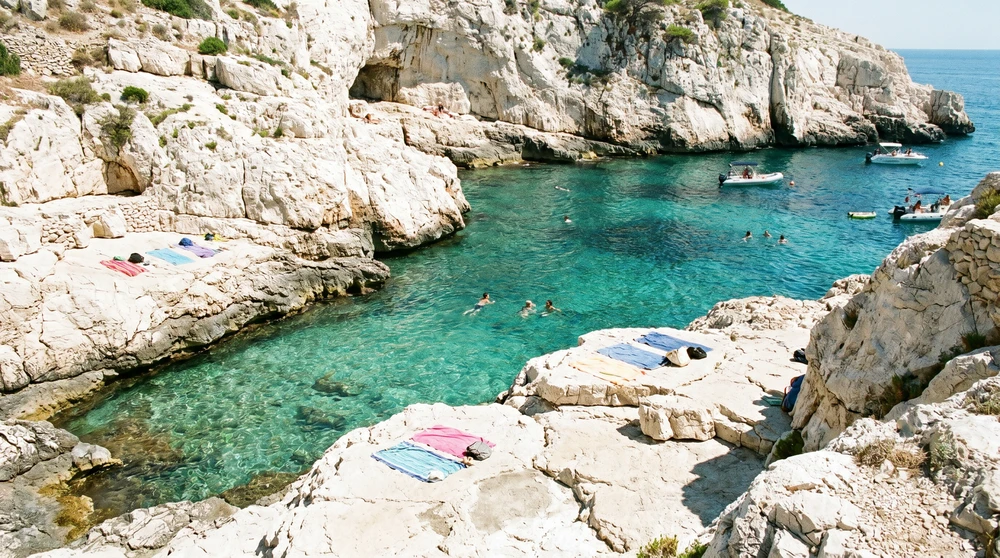
Unfortunately, high visitor volume brings heavy littering. Cigarette butts often dot the crevices, and the stagnant rock pools at the back can smell unpleasant. Arriving before 9:00 AM is the only reliable way to secure a clean, shaded alcove before the midday crowds descend. If you are lucky, you might spot local legend Carmelo and his dog, Tina, continuing the famous cliff-diving tradition of her predecessor, Titti.
If you want to fit this into a wider south-coast day, it pairs naturally with the colourful Sunday market and seafood at the nearby fishing village. For more swimming options across the islands, the best beaches in Malta and Gozo cover where else to take a dip, and the best time to visit Malta helps you time the trip for warm, calm water.
How to Get to St Peter's Pool
The Smart Way: Boat from Marsaxlokk
Local boat operators run continuous shuttles from the Marsaxlokk waterfront directly to the pool. The ride costs under €10 and cuts out the grueling uphill walk in the Maltese heat. The captain drops you right at the swimming area and arranges a specific pickup time. This completely eliminates the nightmare of navigating the narrow peninsula roads.
The Sweaty Way: Walking the Coastal Path
Taking public transit means catching bus 81 or 85 to Marsaxlokk, followed by a 30 to 40-minute hike. The path is scenic but entirely unshaded, dusty, and steep in sections. Keep an eye out for the letters "SPPL" spray-painted in red on the stone walls, which mark your turnoff toward the coast. If you plan to rely on the network for the rest of your trip, getting around Malta by public transport explains routes and fares.
The Stressful Way: Driving and the Parking Trap
The final stretch of road to the bay is a bumpy, single-lane maze with blind corners and heavy two-way traffic. If you meet a car coming the other way, someone is reversing.
Watch out for the misleading parking signs. The first "Private Car Park" forces you left and charges a €3 fee. If you simply ignore this sign and drive straight to the dead end, you will find the free, albeit unpaved, municipal parking area. If you have not sorted wheels yet, renting a car in Malta compares the depots and rates worth booking ahead.
Cliff Jumping and Swimming: Read Before You Dive
The main attraction is the natural drop-off, offering jumps between 3 and 5 meters high. The water in the center reaches depths of 4 to 5 meters, making it safe for a standard feet-first entry. However, the edges shallow out quickly to just 1 or 2 meters. Always visually check the bottom through the clear water before taking a leap.
Getting out of the water is significantly harder than getting in. The natural stone stairs and metal ladders are completely coated in green algae. Pulling yourself up the sheer rock face without proper footwear regularly results in scraped knees and bruised shins.
Never enter the water when the sea is rough. Strong southerly winds create turbulent waves that slam swimmers directly into the jagged limestone walls. There are no lifeguards here, so if the locals aren't jumping, keep your towel on the dry rocks.
Kalanka Bay: The Quieter Alternative Next Door
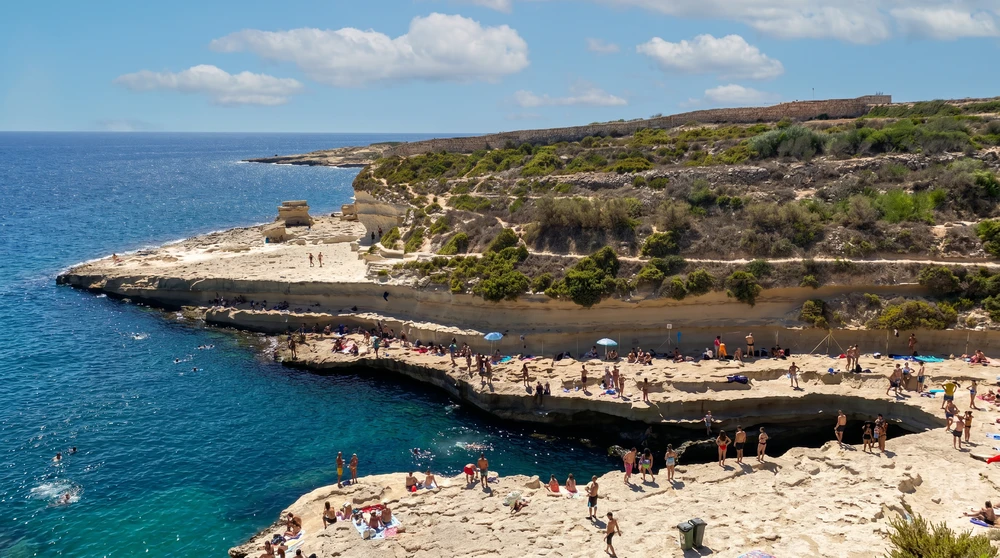
When the loud music and dense crowds at the main pool become overwhelming, head south. A 15-minute coastal hike over the rocks leads directly to il-Kalanka, widely known as Kalanka Bay.
This inlet mirrors the exact geological structure of its famous neighbor. You get the same crystalline water, the same smooth jumping ledges, but a fraction of the foot traffic. Kalanka lacks even the basic food truck found at the main site, making it a pure, uninterrupted natural escape.
Essential Packing List for Delimara Point
Preparation makes the difference between an exhilarating afternoon and a miserable one. Pack these specific items before leaving your accommodation:
- Water shoes: non-negotiable for walking on the sharp limestone and surviving the slippery exit ladders
- Cash: the parking attendants and the lone refreshment van do not accept cards
- Heavy-duty SPF and hats: the lack of shade and reflective white stone will burn unprotected skin in minutes
- Abundant hydration: bring a minimum of two liters of water per person
- Trash bags: with no bins available, you must pack out your own garbage to help preserve the coastline