Malta looks deceptively small on the map, leading many travelers to book a hotel in the wrong town and spend half their vacation stuck in heavy coastal traffic or waiting for delayed buses. Choosing your base here is not just about picking a nice room. It dictates whether you wake up to a 45-minute commute just to find a sandy beach or step straight out into a UNESCO World Heritage site. The four towns below cover almost every traveler type, so match the area to your priority before you book.
If you want the short answer: Sliema and St Julian's are the best bases if you are not renting a car, Valletta suits couples and short culture-focused city breaks, and Mellieha is the family beach choice with the easiest access to Gozo.
Understanding Malta's Geography
The island functions in distinct geographical zones. The central-eastern coast, wrapped tightly around the Grand Harbour and Marsamxett Harbour, holds the dense history, the main infrastructure, and the urban sprawl. The northern tip houses the natural sandy bays and the ferry terminal to Gozo.
Malta's coastline is overwhelmingly rocky. If your mental image of a Mediterranean holiday involves stepping out of your hotel directly onto soft white sand, booking a room in Valletta or Sliema will result in a harsh reality check. Map out your primary goal, whether that is swimming, clubbing, or history, before locking in a location.
- Valletta is best for couples, culture, and short trips. It is the central bus hub, has no beaches, and stays quiet in the evening.
- Sliema is best for boat tours, logistics, and value. It has ferries and coastal buses, rocky laddered swimming, and a moderate pub scene.
- St Julian's is best for young adults and luxury resorts. It has good bus access, rocky and man-made swimming, and intense nightlife in Paceville.
- Mellieha is best for families, beach days, and Gozo trips. It usually requires a car or a long bus, but it has Malta's only large natural sand beach and a very quiet vibe.
Valletta: The Historic Capital
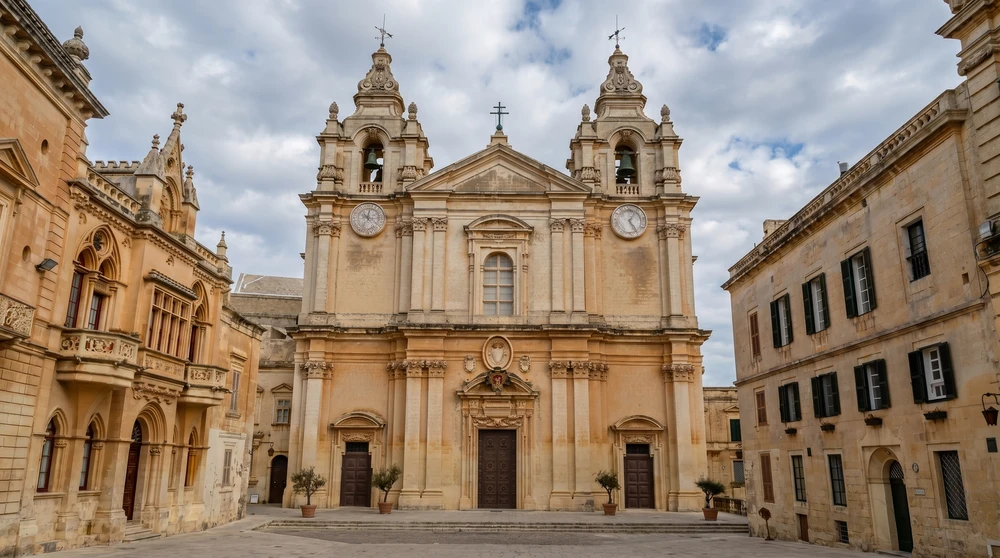
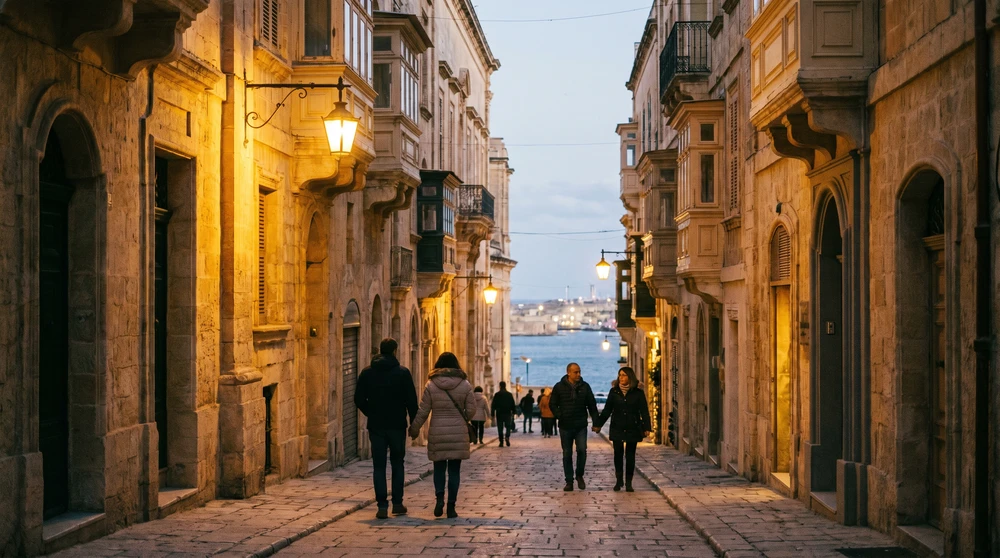
Valletta is a masterclass in 16th-century Baroque architecture, built by the Knights of St John on a high peninsula. The streets run in a strict grid pattern, dropping steeply down to the harbors on either side. They offer sudden, sweeping views of the Mediterranean between limestone buildings. Valletta is the pick for a romantic, walk-everywhere city break, not for a beach holiday.
Why Stay in Valletta?
- Total immersion: You sleep inside a living museum. Attractions like St John's Co-Cathedral, the Upper Barrakka Gardens, and the Grand Master's Palace are a five-minute walk from your door.
- Evening atmosphere: Republic Street and Strait Street transform into vibrant, sophisticated dining areas as the sun sets. The day-trippers leave, and the city reclaims its elegant, quiet charm.
- The main bus terminus: The Triton Fountain bus terminal sits right outside the City Gate, offering direct routes such as the X4 to the airport without needing a transfer.
The Honest Downsides
- A parking headache: The historic center is heavily pedestrianized and strictly regulated. Renting a car while staying here creates a daily struggle, with peripheral park-and-ride and lots in Floriana adding to your costs.
- Premium pricing: Valletta lacks massive resort hotels. Accommodation consists mostly of converted historic palazzos functioning as boutique hotels, which pushes nightly rates above neighboring towns.
- No beaches: There are no swimming spots here. You must take a bus or ferry to reach the water.
Sliema: The Logistics and Transport Hub
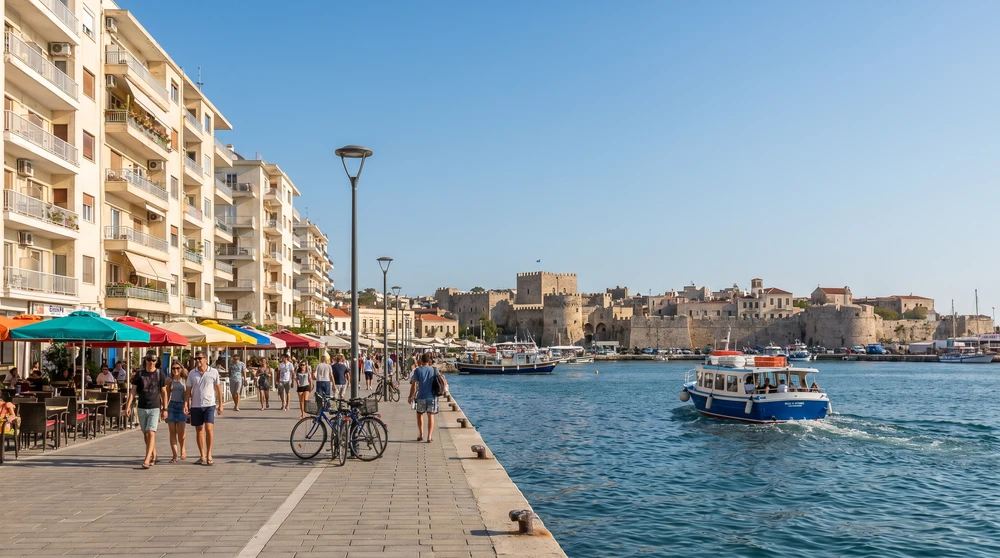
Sliema trades historic charm for pure, unadulterated convenience. It faces Valletta across the Marsamxett Harbour, offering the iconic postcard view of the capital's skyline from its long, flat waterfront promenade, known as The Strand. If you are not renting a car, Sliema is the most practical base on the island.
Why Stay in Sliema?
- The boat tour base: The Sliema Ferries dock is the central departure point for almost all commercial sea excursions. If your itinerary heavily features Blue Lagoon cruises or catamaran trips, you walk out of your hotel and board.
- Valletta on demand: The Sliema to Valletta ferry crosses the harbor in about 10 minutes for roughly €2.50 one way. You get immediate access to the capital without paying Valletta hotel prices.
- Practical amenities: The Point Shopping Mall, high-density supermarkets, and pharmacies are all concentrated here. It is built for functional living.
The Honest Downsides
- Concrete dominance: Sliema is heavily developed. The architecture is primarily 1970s and 80s apartment blocks, so the romantic, historic Maltese aesthetic is largely absent.
- Rocky swimming: The beaches are flat limestone rock shelves. While local councils provide metal ladders to climb down into the sea, it is not ideal for small children.
St Julian's and Paceville: Nightlife and Luxury Resorts
St Julian's wraps around the picturesque Spinola Bay, filled with traditional colorful Luzzu fishing boats. However, just a few streets up sits Paceville, the undisputed, neon-lit epicenter of Malta's nightlife. Avoid sleeping right in Paceville if you want a quiet night.
Why Stay in St Julian's?
- Upscale resort enclaves: The Dragonara peninsula isolates the massive 5-star properties from the street noise, offering private lidos, expansive pools, and luxury seclusion.
- Gastronomy hub: Spinola Bay and Portomaso Marina host the highest concentration of premium dining, sushi bars, and international restaurants on the island.
- After-dark energy: If your trip revolves around rooftop bars, nightclubs, and staying out until 4 AM, Paceville is the only logical choice.
The Honest Downsides
- Severe noise pollution: If you book a mid-range hotel right in Paceville or the immediate bordering streets, sleep is not guaranteed on weekends. The bass from the clubs carries far.
- Heavy summer crowds: The coastal road connecting Sliema to St Julian's becomes heavily congested in July and August. Buses running this route are frequently full and pass right by waiting passengers.
Mellieha: The Northern Beaches
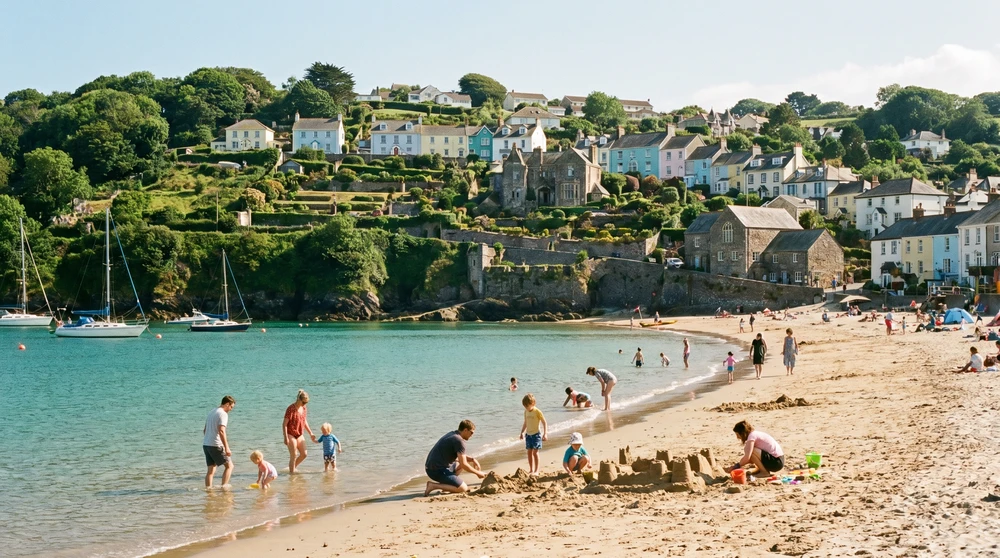
Mellieha is the critical piece missing from most Malta guides. Located far in the north, perched on a hill overlooking the sea, it is the gateway to the island's only natural, large-scale sandy beaches. Mellieha is the clear winner for families and beach days, but only if you rent a car.
Why Stay in Mellieha?
- Real beaches: Ghadira Bay, also called Mellieha Bay, is the largest sandy beach in Malta, with shallow, warm waters that suit toddlers and families. Golden Bay is a short bus ride away.
- The Gozo connection: The Cirkewwa Ferry Terminal is only a 10-minute drive or bus ride away on Route 222. If you plan to spend multiple days exploring Gozo, Mellieha cuts your transit time in half.
- Relaxed pacing: The vibe here is completely different from the central coastal sprawl. It feels like a traditional Mediterranean resort town rather than a busy commercial district.
The Honest Downsides
- Isolation: Mellieha is far from the airport and the capital. Taking a bus to Valletta for dinner means a 50-minute ride each way, which heavily limits your spontaneous evening options.
- Hilly terrain: The town center sits at the top of a steep ridge, while the main beach is at the bottom. Walking back up in the July heat is exhausting, so you will rely on the bus or a rental car even for short distances.
Commute Times and Transport Comparison
Understanding real transit times prevents itinerary ruin. Buses in Malta max out at 50 km/h and make frequent stops. Here is the reality of getting to the northern ferries and beaches and to the historic center from each base by public transport.
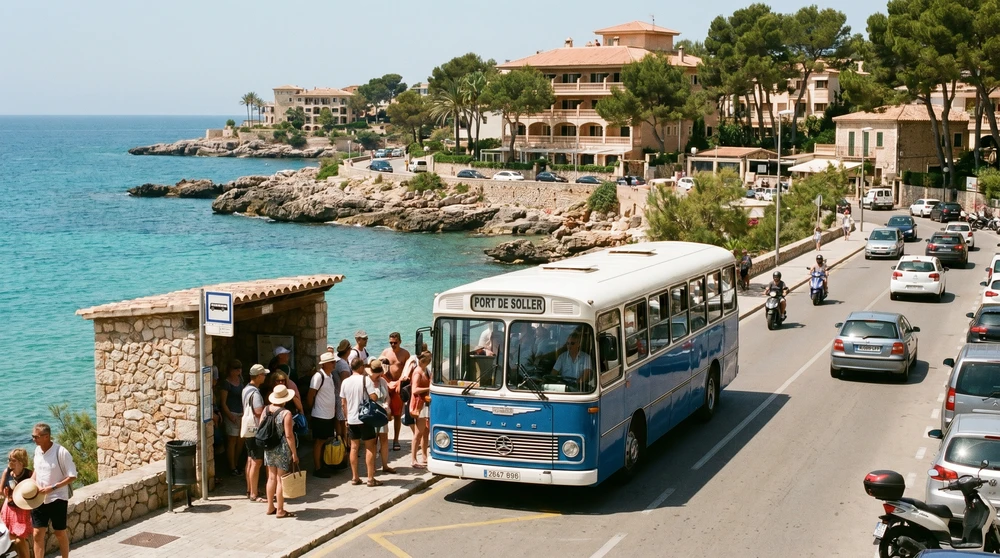
- From Valletta: 0 minutes to the center, 60-plus minutes to the northern beaches and ferries on Bus 41 or 42, and about 25 minutes to the airport on the X4.
- From Sliema: about 10 minutes to Valletta by ferry, around 50 minutes to the north on Bus 222, and roughly 45 minutes to the airport on the X2.
- From St Julian's: about 25 minutes to Valletta by bus, around 40 minutes to the north on Bus 222, and roughly 50 minutes to the airport on the X2.
- From Mellieha: 50-plus minutes to Valletta on Bus 41 or 42, about 10 minutes to the northern ferries, and 60-plus minutes to the airport.
If you want to lock in a sea-view room before the summer rooms sell out, it is worth checking Hotels and apartments across Sliema, Valletta and Mellieha early, since the best-located properties book out fastest in July and August.
Final Verdict: Which Town Fits Your Travel Style?
Choose Valletta if you are on a 3-day romantic city break, plan to walk everywhere, have a higher budget, and want to soak in Baroque history without renting a car.
Choose Sliema if you want the best balance of value, daily boat trip departures, easy grocery shopping, and quick ferry access to the capital.
Choose St Julian's if you are under 30 and want nightlife, or if you have the budget for a secluded 5-star resort on the Dragonara peninsula away from the clubbing noise.
Choose Mellieha if your entire goal is to lie on a sandy beach, rent a car, travel with small children, and take day trips to Gozo.