Most visitors arrive in Malta assuming they can zip around the Mediterranean island in a rental car, only to find themselves white-knuckling the wheel on narrow, chaotic, left-hand traffic roads. The decision to rent here should not be based on budget alone. It comes down to where you plan to stay and your tolerance for the aggressive local driving style.
Before you book, the single most important fact to absorb is simple: Malta drives on the LEFT, a lasting remnant of British rule. The second is that roads are narrow and parking is scarce, especially in the central tourist hubs.
- Traffic direction: Left side of the road.
- Minimum age to rent: 21 years old, with surcharges almost always applying for drivers under 25.
- Speed limits: 50 km/h in built-up areas, 80 km/h on open roads.
- Alcohol limit: 0.08% BAC.
- Tolls: No traditional toll roads, but Valletta enforces a Controlled Vehicular Access (CVA) charge.
Should You Rent a Car in Malta? The Honest Truth
When You Absolutely Need a Car (Gozo and Hidden Beaches)
If your itinerary focuses heavily on the sister island of Gozo or remote western beaches like Ghajn Tuffieha and Fomm ir-Rih, relying on public buses will easily consume half your day. The rural roads outside the main urban sprawl are much quieter and far less intimidating. Having a vehicle gives you the freedom to explore hidden coastal spots before the midday crowds arrive.
When a Car Becomes a Burden (Valletta, Sliema, St. Julian's)
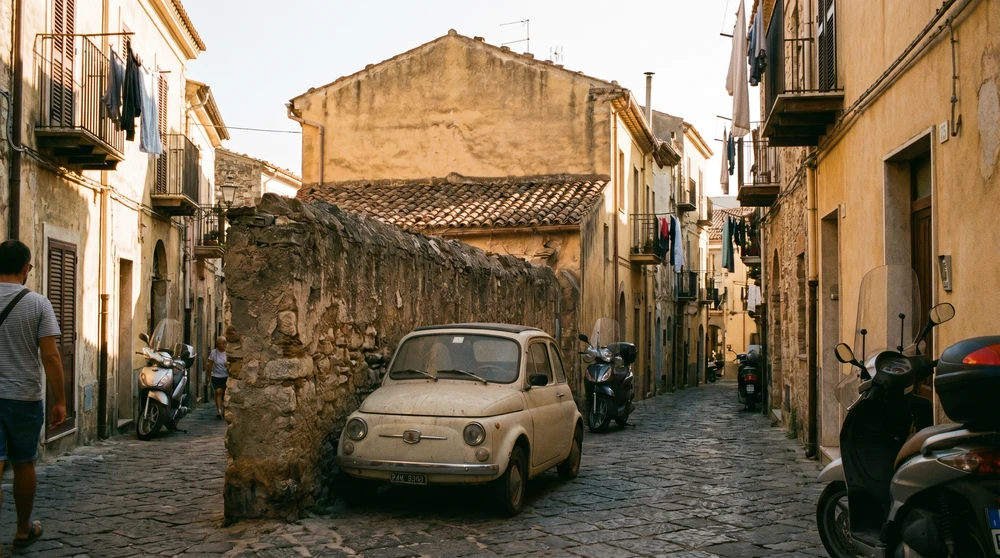
Staying in the central tourist hubs of Valletta, Sliema, or St. Julian's makes a rental car a massive liability. Parking spaces in these ancient, densely packed areas are virtually non-existent, and the stop-and-go traffic is relentless. You will spend more time hunting for a narrow spot along a rock wall than actually enjoying the sights.
Key Rules for Driving in Malta
Driving on the Left and Roundabout Etiquette
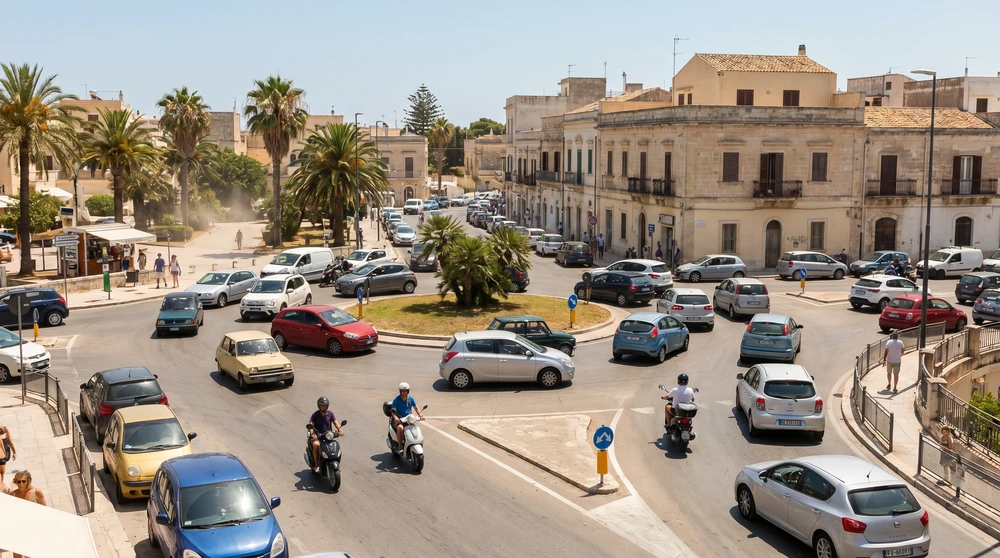
Traffic flows on the left side of the road, and steering wheels sit on the right. Almost every major intersection operates as a roundabout rather than using traffic lights. Cars already on the roundabout have the right of way, but expect local drivers to dart into tight gaps aggressively. Hesitation at these junctions often leaves you stuck in a stream of fast-moving vehicles.
Many Maltese drivers do not use indicators and rarely yield politely, so stay alert and assume nothing.
Speed Limits and Speed Cameras
The island is heavily monitored by speed cameras, particularly on bypasses and arterial roads. The maximum limit is 80 km/h on open stretches, dropping to 50 km/h or even 30 km/h in residential zones. Speeding fines are sent directly to the rental agency, which then passes the cost onto your credit card along with a hefty administrative fee.
Renting a Car in Malta: Requirements and Costs
Required Documents and Minimum Age
You need a valid, full driving licence from your home country to get the keys. An International Driving Permit (IDP) is generally not required for EU, UK, or US licence holders, but checking with your specific rental desk beforehand prevents unpleasant surprises. Drivers must be at least 21 years old and have held a licence for at least one year. Anyone under 25 will face a daily young driver surcharge that can sharply inflate the rental cost.
If you want to compare rates and read renter reviews before you arrive, browse the latest Malta deals on DiscoverCars to lock in a vehicle that suits your route.
Hidden Fees and Insurance (CDW) Explained
Headline rates can look incredibly cheap online, but the fine print matters. Standard Collision Damage Waiver (CDW) usually comes with a large excess, often hovering around 1,500 EUR. Renters frequently report aggressive upselling at the desk for premium zero-excess insurance.
Buy an independent excess insurance policy before you travel. This protects your deposit without paying inflated daily rates at the counter.
Parking in Malta
White, Yellow, and Blue Lines Explained
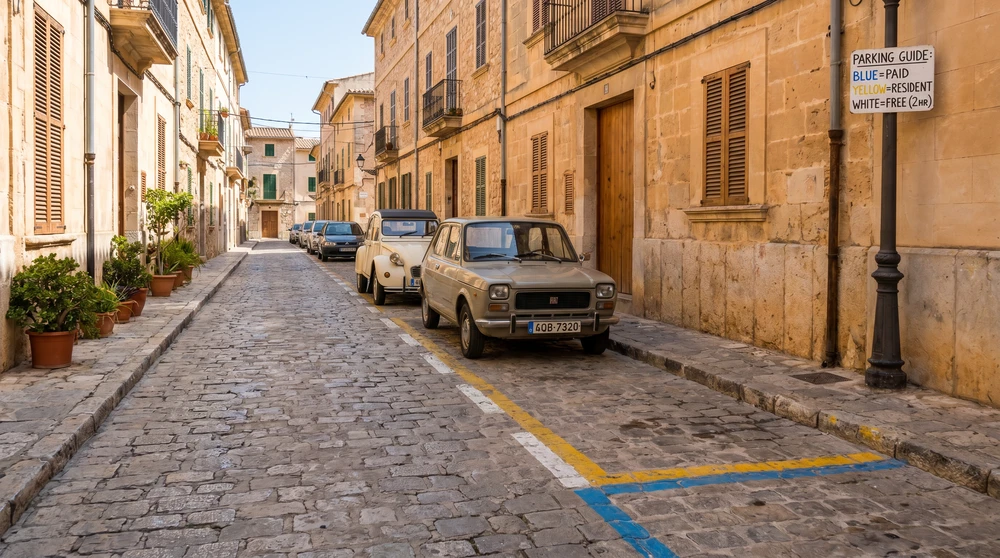
Finding a legal spot requires understanding the island's strict colour-coded line system. White lines mean free parking available to everyone. Yellow lines strictly prohibit parking and are reserved for residents, loading zones, or emergency vehicles. Blue lines indicate paid parking, requiring you to buy a ticket from a nearby meter and display it on your dashboard.
A practical tip: if you find a good legal spot, take it. Snap a photo and short video of the car at pickup and drop-off too, since minor scratches are common and easily disputed.
Valletta CVA (Controlled Vehicular Access) System
Driving into the capital comes with automatic fees for vehicles with Maltese plates, which includes every rental car. The CVA system uses cameras to read licence plates and bills based on the time spent inside the zone. The charge applies on weekdays only, roughly between morning and early afternoon, with the first 30 minutes free and a small per-hour rate after that.
Instead of dealing with the CVA and the maze of one-way streets, park at the Floriana Park and Ride facility just outside the city gates and take the quick shuttle bus in.
Mdina: The Silent City Has No Cars
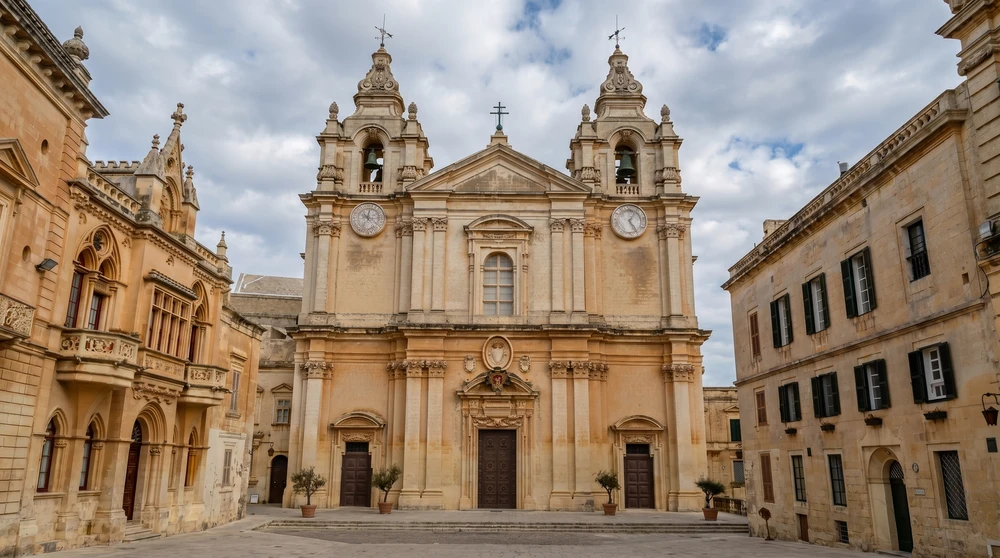
Do not plan to drive into **Mdina**, the walled "Silent City." Vehicle access inside the walls is restricted to residents and emergency services, so visitors enter on foot. Ample free parking sits just outside the gates, making it an easy and pleasant stop on any road trip.
Public Transport vs. Car Rental: Cost Comparison
Using Bolt, Uber, and the Tallinja Bus Network
For many visitors, ride-hailing apps like Bolt and Uber offer the perfect middle ground. Fares between major towns like Sliema and Valletta rarely exceed 10 to 15 EUR, sparing you parking-induced anxiety. The public bus network, managed by Malta Public Transport, is incredibly cheap at around 2.50 EUR per ticket.
Keep in mind that buses get delayed by the same traffic that plagues drivers, and they frequently skip stops when full during peak summer months.
How to Get to Gozo with a Rental Car
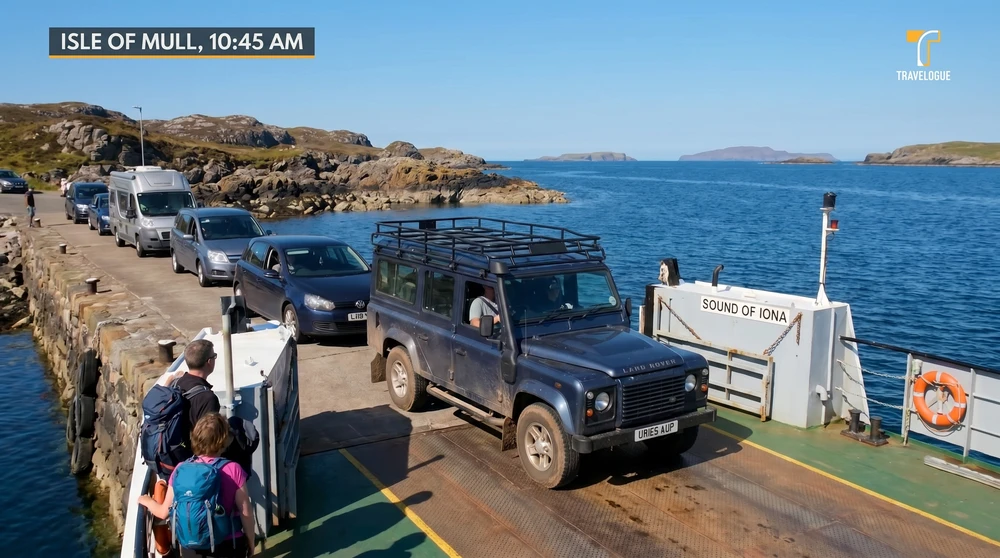
Taking your rental car to Gozo is straightforward via the **Gozo Channel ferry from Cirkewwa** at the northern tip of Malta. You do not pay for the ferry on the way over. The car-and-driver fare, around 15.70 EUR return, is collected exclusively on the trip back to the main island, which smooths out the departure.
Ensure your rental agreement permits ferry travel, as a few budget agencies strictly restrict vehicles to the main island.