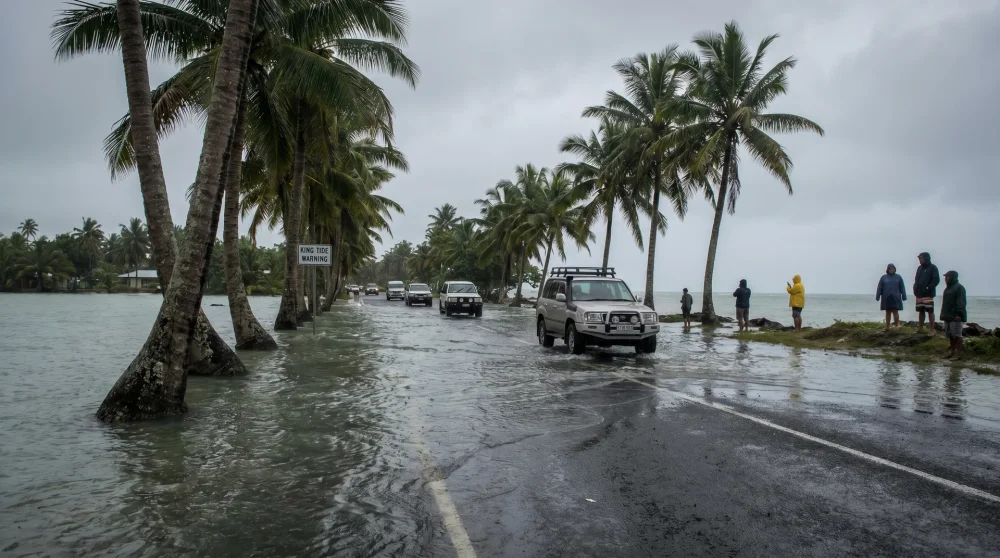
Planning a trip to the fourth smallest country in the world means aligning your schedule with the Pacific Ocean's temperament. A single king tide can flood the Funafuti runway and ground your only flight out. Understanding the balance between the dry season and the cyclone belt is the only way to avoid being stranded without cash or transportation.
Understanding Tuvalu's Two Distinct Seasons
Tuvalu does not experience typical summer and winter. The climate revolves strictly around rain, wind, and ocean behavior. Humidity remains constantly high throughout the year, but the shift in trade winds completely changes how you navigate the islands.
The dry season runs from May to October. Southeasterly trade winds break up the intense tropical heat, making walking around the atolls far more manageable. The lagoon water turns exceptionally clear, the surface calms, and this high visibility provides the best environment for snorkeling or taking a small boat out to the conservation areas. Consistent weather means international flights are also far less likely to face sudden cancellations.

The wet season runs from November to April. Heavy, sudden downpours arrive and Tuvalu sits directly inside the cyclone belt during this period. While full-scale cyclones do not strike every single month, the risk of severe storms increases significantly. High winds create dangerous storm surges, and the resulting conditions can sever local communications. Traveling during this period requires a highly flexible schedule, as inter-island ferries and flights often halt entirely until the skies clear.
Temperatures stay consistently warm year-round, hovering around 86–88°F (30–31°C). The primary seasonal difference is not temperature but the oppressive wet-season humidity versus the refreshing breeze of dry-season trade winds.
How King Tides Impact Your Travel Plans
Tuvalu's maximum elevation barely reaches a few meters above sea level. This geographical reality makes the nation highly vulnerable to king tides, especially early in the year.
King tides typically peak in February and March. They force seawater up through the porous coral ground, flooding inland areas without a single drop of rain falling. Funafuti's main roads, community spaces, and even the international airport runway frequently disappear under water during these events.
When the runway floods, no planes land or take off - sometimes for several days. You must factor tidal schedules into your itinerary, ensuring your departure flight does not coincide with a major tide warning. The Tuvalu Meteorological Service publishes advance tide forecasts that are essential reading before you book.
If you are visiting between November and April for any reason, check the tide calendar first.
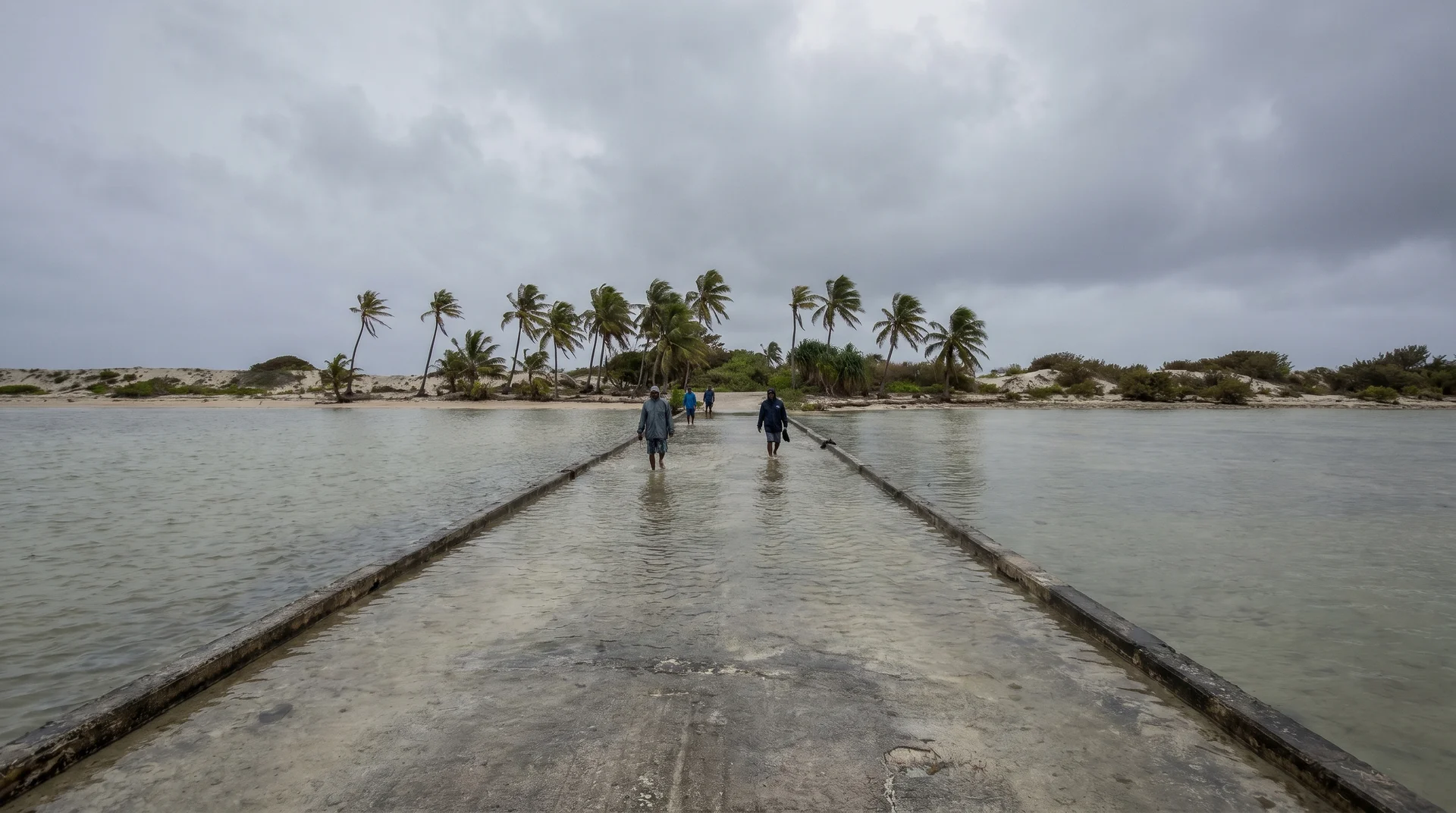
Even outside the February-March peak, elevated sea levels during the wet season create recurring flooding risks that can shut roads and disrupt daily life with little warning.
Flight Schedules and Weather Delays
Flying into Funafuti is not a daily option. Fiji Airways operates the only commercial route, connecting Funafuti to both Nadi and Suva. As of late 2025, the airline expanded to five weekly departures covering both departure points, a significant improvement over the previous two weekly flights.
Despite the frequency increase, missing a connection due to weather still leaves you waiting one to two days for the next available departure. Strong crosswinds or sudden tropical squalls frequently force planes to turn back to Suva mid-flight without landing. There is no alternative airline and no other viable route in.

Always build buffer days into your travel plans. If your onward journey from Fiji is tightly scheduled for the exact day you leave Tuvalu, a single storm surge could collapse your entire itinerary. A minimum three to four-day buffer in Suva or Nadi before any non-refundable international connection is strongly recommended. For a complete breakdown of what to budget for those extra days, see the Tuvalu travel costs guide.
For context on how similar remote Pacific routing works, the Nauru travel approach shares several characteristics - limited carriers, weather-dependent schedules, and the same logic of building in buffer time.
Best Time for Lagoon Activities and Snorkeling
The **Funafuti Conservation Area** is the main draw for most visitors, but accessing the outer islets requires small boats and favorable ocean conditions.
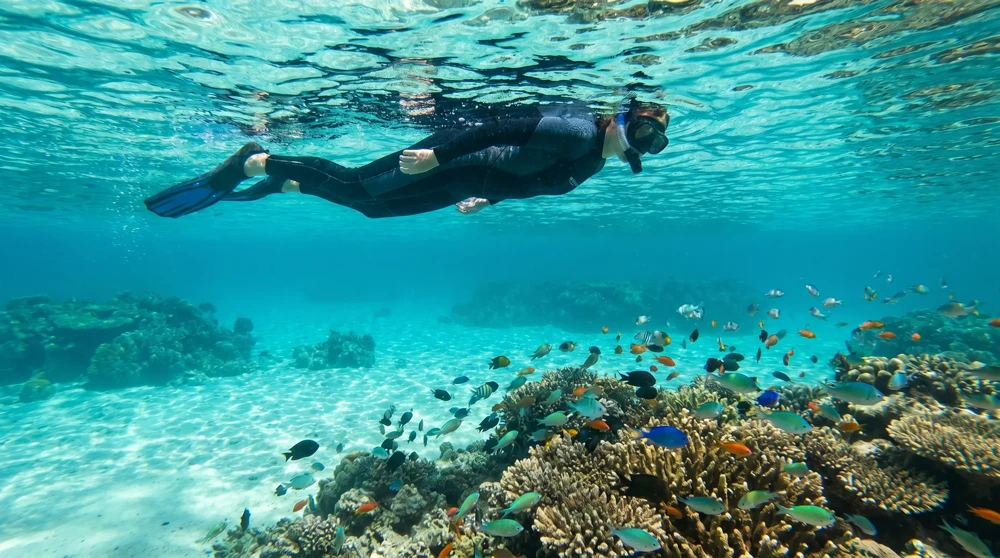
The mid-year months - June through September - provide the flat, glassy ocean surfaces necessary for safe boat transfers. Navigating the lagoon becomes effortless when the trade winds stabilize. Plan water excursions for early morning during the dry season to avoid the midday sun and catch marine life at its most active.
The wet season creates rough swells that make boat transfers to outer islets dangerous and churn up sediment, ruining lagoon visibility that would otherwise be exceptional. If snorkeling or diving is your primary goal, the dry season is not just preferable - it is essentially mandatory for a reliable experience.
For a comparison with nearby Pacific snorkeling, the Nauru diving and snorkeling experience illustrates what the regional underwater environment offers.
Cash Availability and Emergency Preparedness
Weather disruptions tie directly into your financial logistics. Tuvalu operates as a strict cash-based society using the Australian Dollar (AUD). Credit cards hold zero value at local guesthouses or small shops.
While a national bank exists, ATM operational status fluctuates, and severe weather can knock out banking networks completely. If a cyclone or king tide delays your departure, you need enough physical cash on hand to cover extra nights of accommodation and meals. General strategies for avoiding ATM fees abroad apply here, but with the added caveat that in Tuvalu, the problem is not the fee - it is whether the machine works at all.
Never rely on withdrawing money after you land. Secure all the Australian currency you need before boarding your flight in Suva or Nadi. Budget a minimum of three to five extra days of daily expenses as a contingency reserve. Daily costs in Tuvalu are modest - guesthouse accommodation runs roughly AUD 80-120 per night, and simple meals cost AUD 10-20 - but those costs accumulate fast if you are grounded for a week.
For broader trip cost context, the Nauru travel costs breakdown covers a comparable remote Pacific nation and gives a useful benchmark for what off-grid island travel actually costs when flights go wrong.
Month-by-Month Quick Reference
The table below summarizes what to expect across the year at a glance.
January: Wet season peak, cyclone risk elevated, king tide risk building. Avoid unless absolutely necessary.
February: King tide peak, highest flooding risk for Funafuti runway. Not recommended.
March: King tides continue, wet season ongoing. Flight disruption probability is highest this month.
April: Transition month. Rain begins to ease but wet season still active. Some travelers manage fine.
May: Dry season begins. Trade winds arrive, lagoon clears, flight stability improves rapidly.
June: One of the best months. Low rainfall, comfortable temperatures, excellent lagoon conditions.
July–August: Peak dry season. Busiest period for the handful of visitors Tuvalu receives.
September: Excellent conditions continue. Arguably the optimal combination of stable weather and fewer visitors than July-August.
October: Dry season winding down, still reliable. Conditions begin shifting late in the month.
November: Wet season begins. Increasing storm risk. Budget travelers sometimes visit for cheaper guesthouse rates.
December: Full wet season. Cyclone risk active. Flight disruptions become common again.
Comparing Tuvalu with Neighboring Nauru
If you are debating which remote Pacific microstate to visit, timing and logistics differ between the two. The Nauru vs Tuvalu comparison covers both destinations side by side, including climate differences, access routes, and what each offers the determined Pacific traveler.
For best-time comparison: Nauru shares a similar dry-season window (roughly May through October), but it lacks the king tide risk that makes Tuvalu's February-March period particularly challenging. Both destinations require the same buffer-day philosophy and cash preparation.
If this is your first remote Pacific trip, reviewing how to sleep on long-haul economy flights and the backpacker travel insurance guide are useful preparation steps - medical evacuation coverage is especially important for destinations with no hospital infrastructure.