Tuvalu sits just 4.5 meters above sea level at its highest point, making it one of the most climate-vulnerable nations on earth. Visiting this remote Pacific atoll means stepping into a frontline community that is not waiting to disappear quietly - it is engineering its own survival, lobbying international courts, and building a digital backup of its entire nation. Getting here is genuinely difficult, and that difficulty is part of the story.
How to Get to Tuvalu: Flights and Logistics
The Only Flight Option
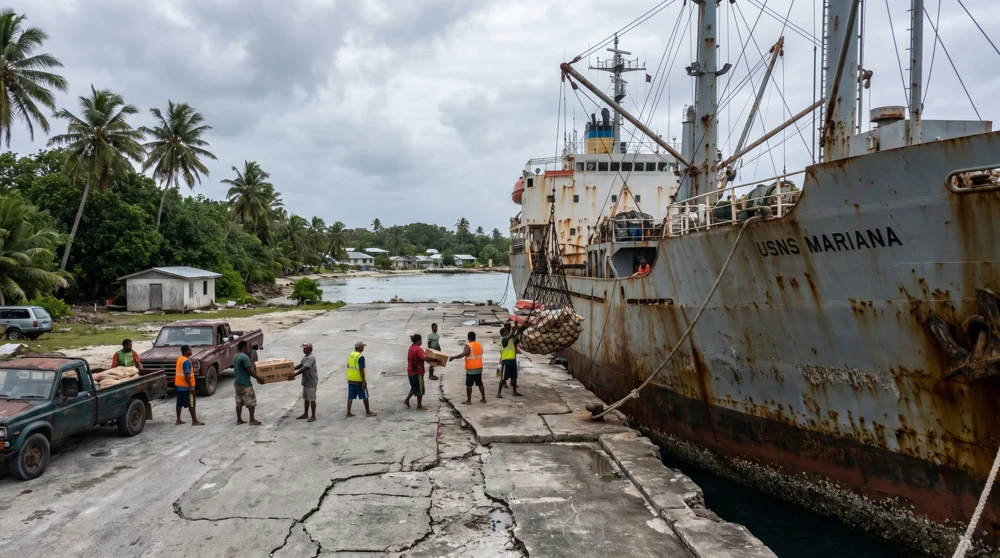
Funafuti International Airport (FUN) is your sole entry point. Fiji Airways operates the only commercial route, running a small propeller aircraft from Fiji a few times per week. There is no ferry option, no regional airline competition, and no alternative if you miss your departure window.
Missing your outbound flight leaves you stranded for several days. The schedule dictates the rhythm of the entire country.
Why You Must Plan Buffer Days in Fiji
Crossing the International Date Line shifts your arrival date in ways that catch many travelers off guard. A continuous booking from North America or Europe frequently drops you into Fiji at the wrong time relative to your Tuvalu connection. Book a full buffer day in Fiji to absorb delays and realign your dates correctly.
This pause in Suva or Nadi also gives you the last reliable opportunity to withdraw cash before flying onwards. If you want to sharpen your long-haul flight game, reading up on how to sleep on planes and beat jet lag makes the journey considerably less punishing.
Essential Things to Know Before You Arrive
Cash is the Only Currency That Works
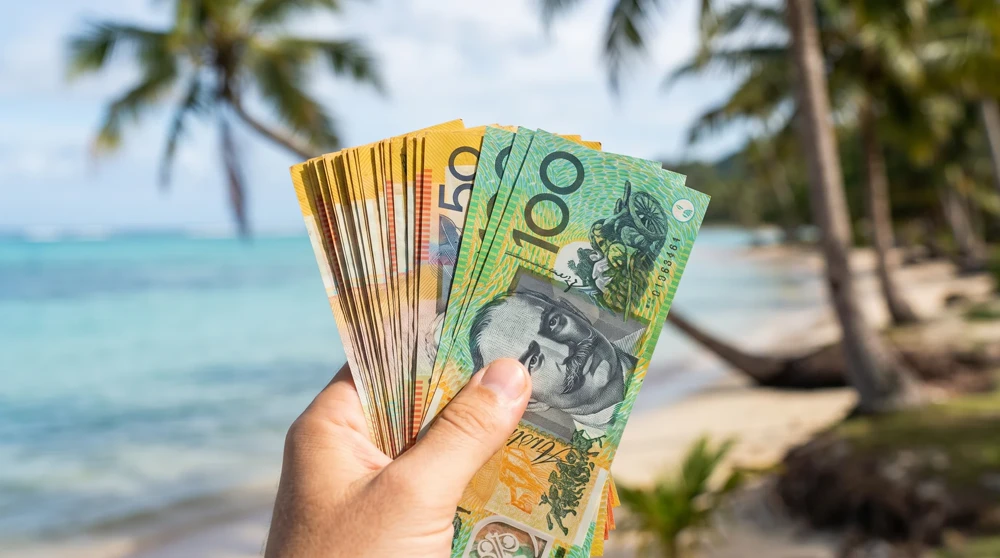
Tuvalu operates strictly on cash. Guesthouses, grocery shops, and motorbike rentals do not accept credit cards. Local financial infrastructure has no fallback for foreign bank cards. Bring all the Australian Dollars (AUD) you need before you board your flight from Fiji, because dependable ATMs do not exist on the atoll.
Internet Connectivity and Starlink
Global roaming agreements hold no power here. The local telecom office sells physical SIM cards offering basic 2G speeds, requiring passport registration and patience. If constant connectivity is a concern, check whether your guesthouse has Starlink access before booking. Recent infrastructure upgrades have brought satellite internet to select lodges and government buildings, though availability varies.
For a comparison of digital connectivity options across the Pacific, the best eSIM for Southeast Asia overview covers the regional tech landscape in useful detail.
Accommodation in Funafuti
Lodging consists of a handful of family-run guesthouses and modest lodges clustered near the airstrip. Rooms sell out months in advance, frequently occupied by international construction and climate research crews on long-term contracts. Email directly and confirm your reservation well before departure. Forget luxury resorts - you are booking a clean, functional room in a deeply remote community.
When to Visit
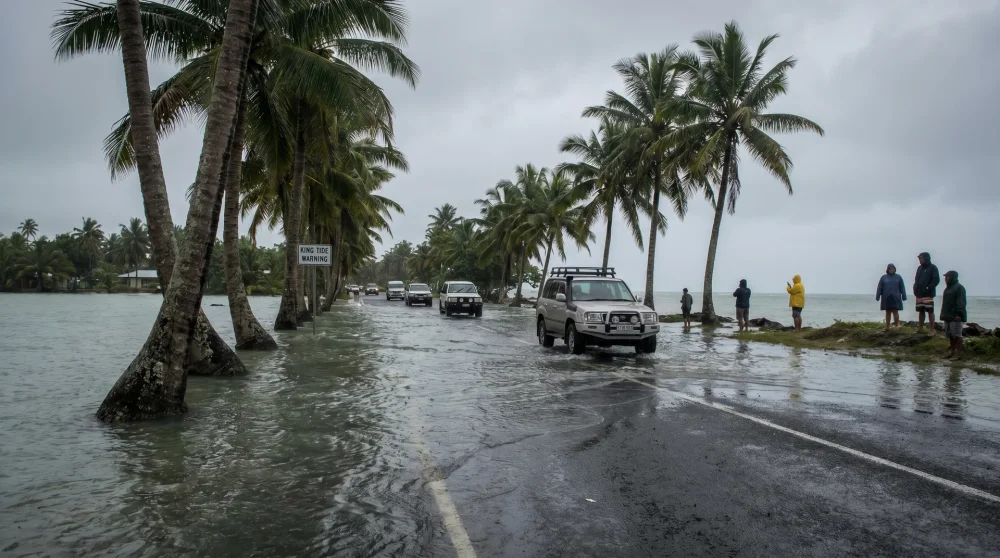
The dry season runs from May to October, with daytime temperatures around 29°C (85°F) and consistent sunshine. The wet season from November to April brings tropical downpours and heightened storm risk. Given the single-airline dependency and limited accommodation, timing your visit around the dry season also reduces the chance of disruptions.
Travel Insurance
Given the logistical fragility of reaching Tuvalu - one airline, one runway, zero alternatives - comprehensive travel insurance is not optional. A single cancelled flight can strand you for days with immediate accommodation and meal costs. Reviewing backpacker travel insurance coverage before booking is a sensible first step for any remote Pacific journey.
The Climate Reality: What Is Actually Happening
Tuvalu Is Not Passively Sinking
The popular narrative frames Tuvalu as a passive victim of rising seas. The reality on the ground is far more active. Sea levels around Tuvalu have risen roughly 15 centimeters (6 inches) over the past three decades - one and a half times the global average. By 2050, an additional 15 centimeters of rise could mean 50% of Funafuti's land area flooding during high tides. By 2100, projections reach 95% inundation.
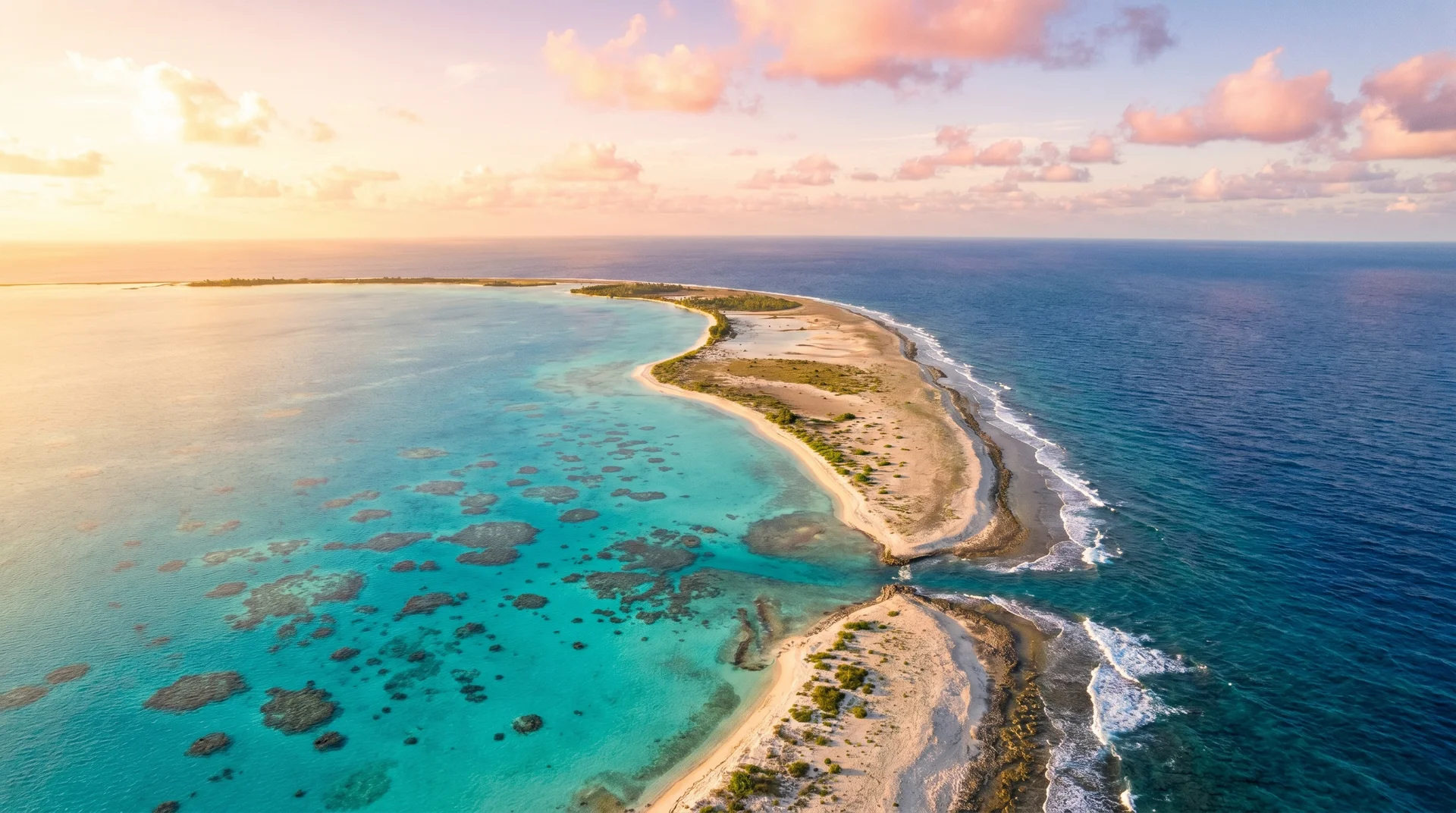
The government response is not resignation. Massive dredging ships pump sand from the lagoon floor, expanding the shoreline and creating new elevated landmasses. The Tuvalu Coastal Adaptation Project has already built flood-resistant zones to protect critical infrastructure.
The ICJ Ruling That Changed Everything
A 2025 International Court of Justice ruling confirmed that loss of physical territory through sea-level rise does not automatically strip a nation of its statehood or sovereignty. Tuvalu retains its UN seat, its maritime exclusive economic zone, and its international legal standing even if its islands become uninhabitable. This decision has implications for every low-lying Pacific state facing the same trajectory.
Te Ataeao Nei: The Digital Nation Project
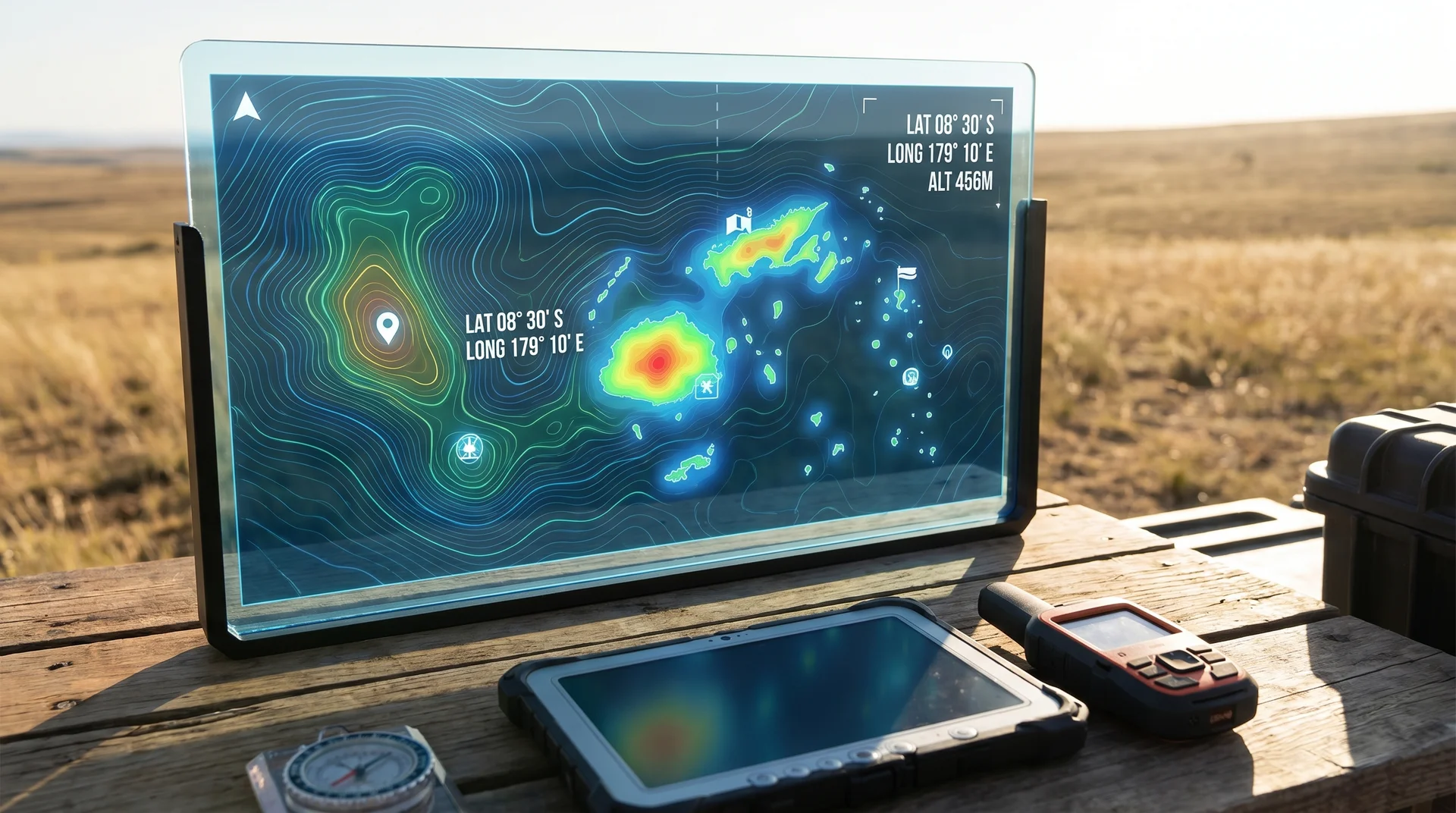
Tuvalu is creating a digital twin of the entire country in the metaverse. Advanced LiDAR technology maps every building, tree, and cultural artifact with precision. Government administrative functions, citizen passports, and national archives are migrating to blockchain-based systems. If the physical land eventually becomes uninhabitable, Tuvalu intends to exist as a recognised digital nation. No other country has attempted this at a governmental level, which makes visiting the physical islands now carry a particular weight.
The Australia Falepili Union
The Falepili Union treaty, signed in November 2023, guarantees that Australia will uphold Tuvalu statehood and sovereignty even if its land is submerged. By 2025, over a third of Tuvalu's population had applied for Australian climate visas under this agreement. Witnessing this generational migration in progress adds another layer of complexity to any visit.
What to Do in Tuvalu
Funafuti Lagoon (Te Namo)
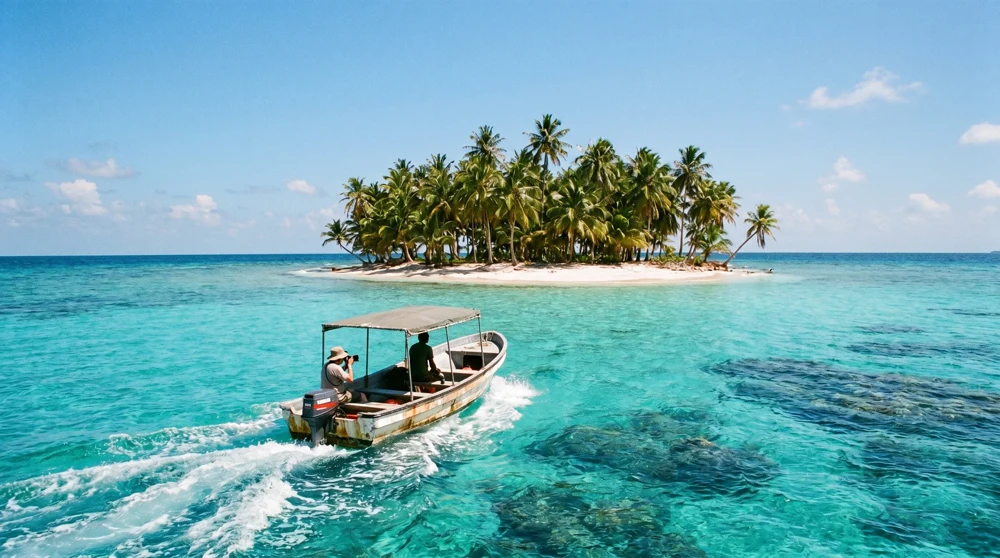
The lagoon stretches over 275 square kilometres, offering shades of blue that shift dramatically through the day. Swimming directly from Funafuti main shores is limited due to sharp coral shelves and active land reclamation sites. Hire a boat to reach the outer islets, where clean lagoon water and undisturbed reef await.
Funafuti Marine Conservation Area
Six islets and 33 square kilometres of lagoon make up the conservation area. The reef here hosts sea turtles, vibrant coral formations, and reef fish in concentrations rarely seen. A private boat trip from Funafuti town takes roughly 20 to 30 minutes depending on destination. This is the primary snorkelling and diving experience the country offers.
Comparing this to similar experiences, the Nauru diving and snorkelling guide covers what remote Pacific reef diving looks like at similarly isolated destinations.
Tepuka and Fualopa Islets
These uninhabited islets are the postcard version of Tuvalu - quiet beach landings, seabirds, and a stillness that the main atoll cannot replicate. Day trips by local boat are the standard approach. Pack lunch and water before departing.
The Runway Community Gathering
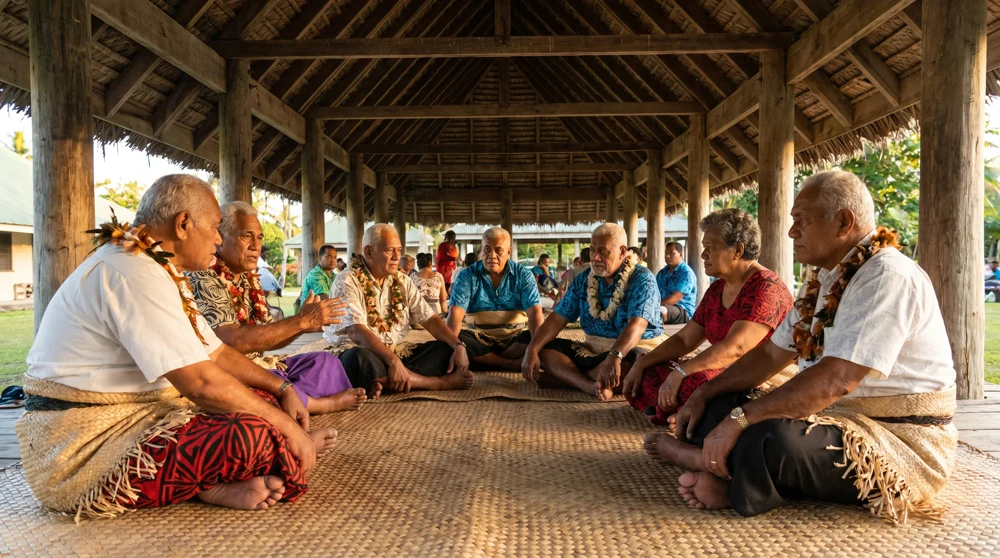
The disused section of the airstrip transforms into a town square at sunset. Locals gather to play volleyball, walk dogs, share meals, and socialise under fading light. This is not a tourist attraction - it is just life on the atoll, unfiltered and genuinely welcoming to observers. Arrive around 5pm and stay as long as feels comfortable.
Funafuti Town
The capital is narrow enough to walk end-to-end in under an hour. Government buildings, the telecom office, the main market, and the handful of guesthouses are all within easy reach. Renting a motorbike for AUD 20 to 30 per day extends your range to the southern sections of the main islet during hotter midday hours.
Tuvalu vs Nauru: Two Approaches to Pacific Isolation
Both Tuvalu and Nauru sit at the extreme end of remote Pacific travel. Nauru focuses on its phosphate history and a drop-off reef famous among divers. Tuvalu carries a heavier environmental and geopolitical dimension, with its sinking narrative now intersecting with the 2025 ICJ ruling and the digital nation project. If the Pacific fringe interests you broadly, the Nauru travel costs breakdown and Nauru visa requirements explained are useful companion reads.
Practical Expectations
Tuvalu is not a beach holiday. The shoreline on the main atoll consists largely of rocky coral, with swimming access heavily restricted near land reclamation zones. You come here for an unfiltered encounter with a community living at the absolute frontline of climate change - people who are simultaneously grieving, adapting, and building something entirely new.
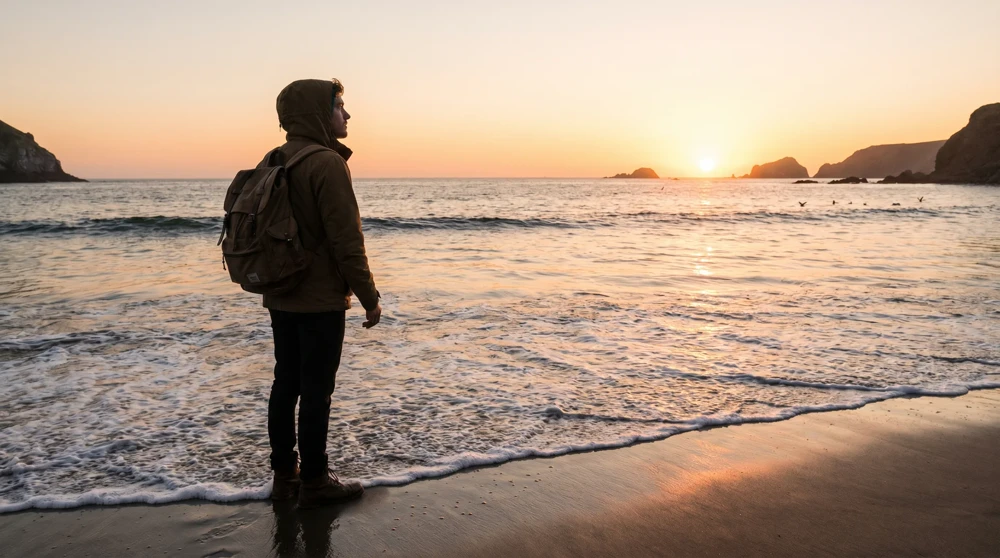
Mass tourism does not exist here. The absence of tour operators, souvenir shops, and scheduled activities creates space for genuine interaction impossible in more visited places. That absence is the point.
For context on how documentary and dark tourism intersects with places like this, the best travel shows on Netflix list includes several Pacific and climate-focused productions worth watching before you go.