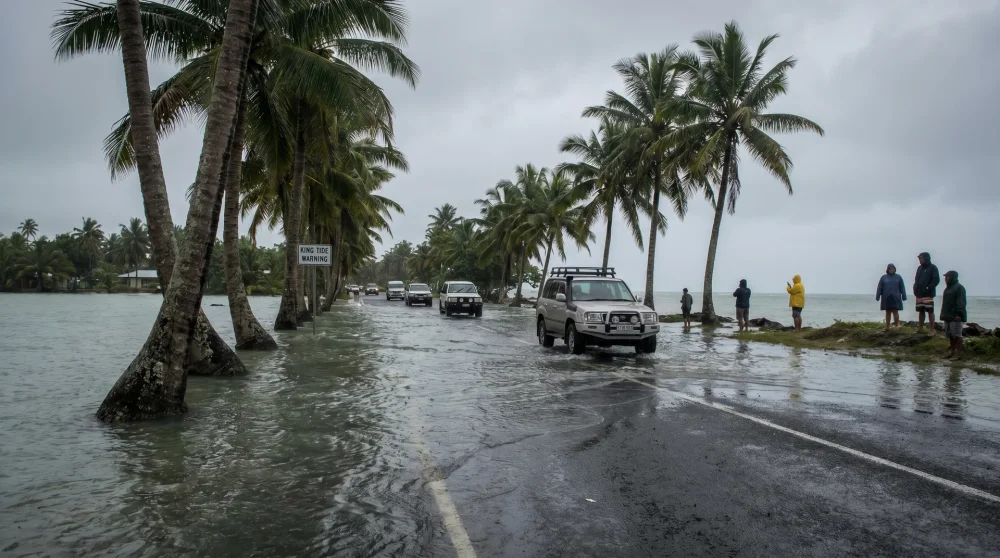
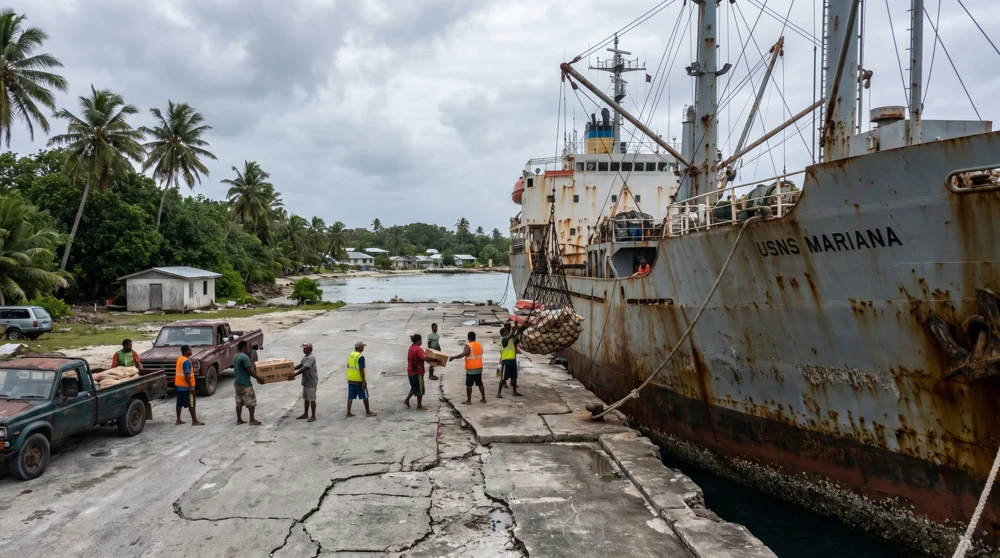
Showing up in Tuvalu relying solely on a travel credit card will leave you stranded on an isolated atoll with only one flight out. While the National Bank of Tuvalu has installed the nation's first functional ATMs, machine downtime and strict foreign card limitations mean physical cash remains your only reliable lifeline. This guide breaks down every cost you need to plan for before you board that propeller flight.
- Primary Currency: Australian Dollars (AUD)
- Card Acceptance: Extremely rare, largely limited to a single lagoon-facing hotel
- ATM Availability: Limited machines in Funafuti (Vaiaku village, airport area), with a high risk of going offline due to power or network issues
- Internet Access: Dependent on Starlink; standard roaming and regional eSIMs do not function
- Luggage Constraints: Strict weight limits on propeller flights often force checked bags onto later flights
- Sunday Operations: Complete shutdown of commercial activities, including local grocery shops
The Financial Reality of Funafuti: ATMs vs. Cash Reserves
The transition from a strictly cash-only economy is happening, but the infrastructure remains fragile. Five new ATMs are now operational across the main island of Funafuti. You will find them stationed in Vaiaku village and directly at the airport terminal. Relying on them exclusively is a massive gamble. Power fluctuations and satellite network outages frequently knock these machines offline for days at a time.
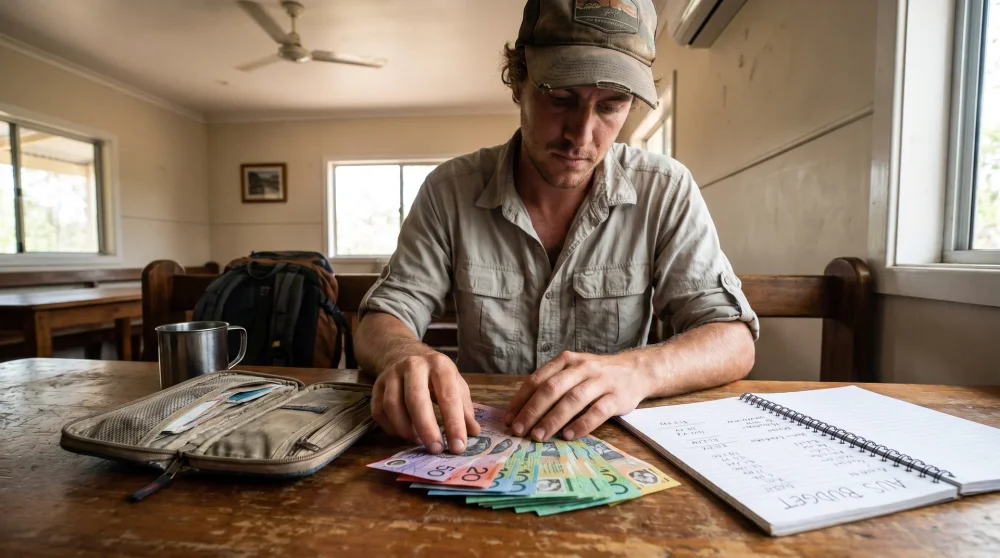
Tuvalu runs almost entirely on the Australian Dollar. Small vendors, local transport, and community markets operate strictly on a physical cash basis. Always bring a substantial amount of AUD directly from your departure point in Fiji or Australia. Converting other currencies on the island is nearly impossible outside of rare, limited banking hours, and favorable exchange rates simply do not exist here.
Foreign card compatibility is another challenge. Premium travel credit cards hold almost zero value on the atoll. Only a single major hotel near the runway processes international card payments reliably, and even that system faces occasional disruptions. Withdrawals at the local ATMs often trigger aggressive fraud alerts from home banks due to the remote, unusual location. Notify your bank about your Oceania travel plans before boarding your flight from Nadi or Suva to prevent an automated account freeze.
Flight Costs: Navigating the Fiji Airways Monopoly
Getting to Funafuti consumes the largest share of any travel budget. Fiji Airways holds a virtual monopoly on this route, operating a few propeller flights a week from Suva or Nadi. Because there is no competition, airfare remains fixed at a premium rate regardless of the season. Round-trip flights from Fiji typically cost AUD 650-800 depending on timing, with flights from Australia or further afield adding significantly to that figure.
Booking months in advance secures your seat but rarely yields significant early-bird discounts. Many travelers heading to Tuvalu factor in a Fiji stopover as a necessary budget line, using it to stock up on AUD cash and store excess luggage before the final leg.
Accommodation Rates: The Off-Platform Booking Process
Finding budget hostels or standard online booking listings is a dead end. Accommodation options are restricted to a handful of locally run lodges and guesthouses, priced at around AUD 85–130 per night. Securing a room requires emailing property owners directly, months ahead of your trip.
The heavy presence of international aid workers and construction crews keeps these few available rooms at near-maximum capacity, pushing nightly rates significantly higher than standard Southeast Asian backpacker trails. Budget travelers who planned well in advance and booked a basic lodge have reported spending around AUD 300 for a full week's accommodation - but only by securing the booking very early.
Daily Food and Grocery Costs
A meal at a local restaurant or guesthouse kitchen typically costs between AUD 15-25 per person. Eating out once a day and supplementing with grocery store purchases - bottled water, snacks, basic provisions - keeps daily food spending manageable for budget travelers.
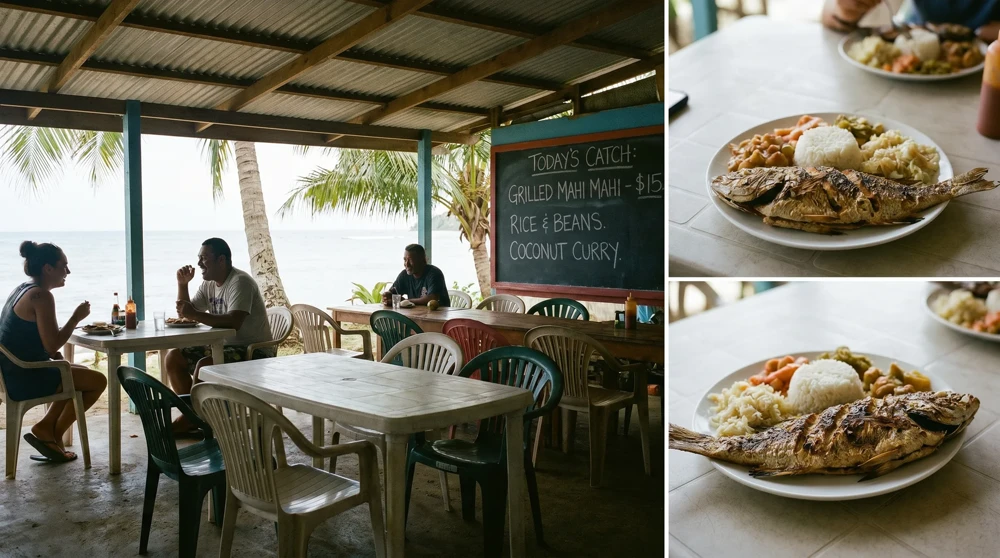
The catch is the Sunday shutdown. Every commercial establishment, grocery store, and local market closes completely on Sundays due to strict cultural observances. Unless your guesthouse kitchen is operational, purchasing basic provisions or bottled water is impossible on this day. Implement a pre-stocking strategy and purchase all necessary supplies by Saturday afternoon.
Local Transit: Motorbike Rentals and Fuel Realities
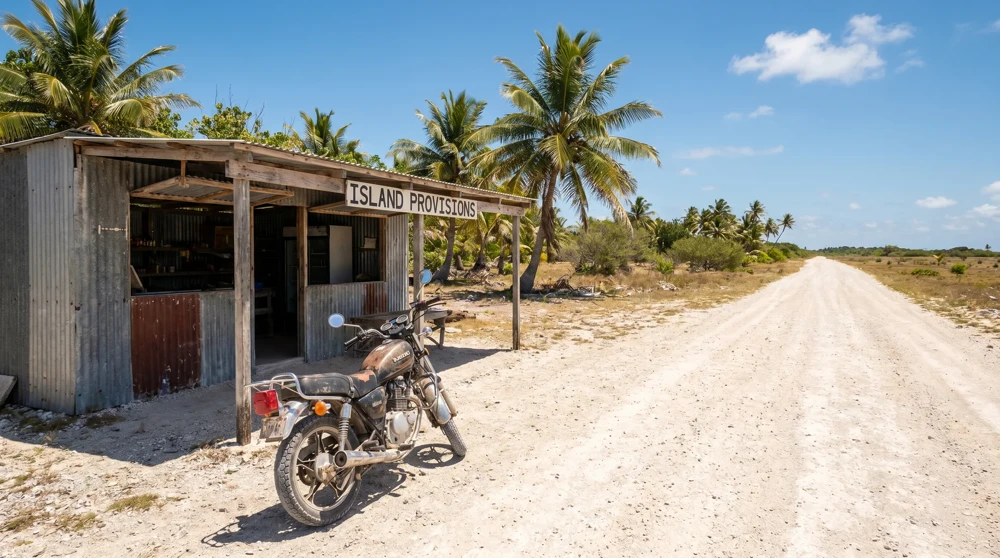
The most efficient way to navigate the narrow stretch of Funafuti is by renting a motorbike. You can usually find a local resident or a small shop across from the airport willing to rent a scooter for a flat daily rate of around AUD 50/day including fuel. Walking is entirely possible, but the intense equatorial heat reflecting off the concrete runway makes motorized transport a practical necessity for longer explorations.
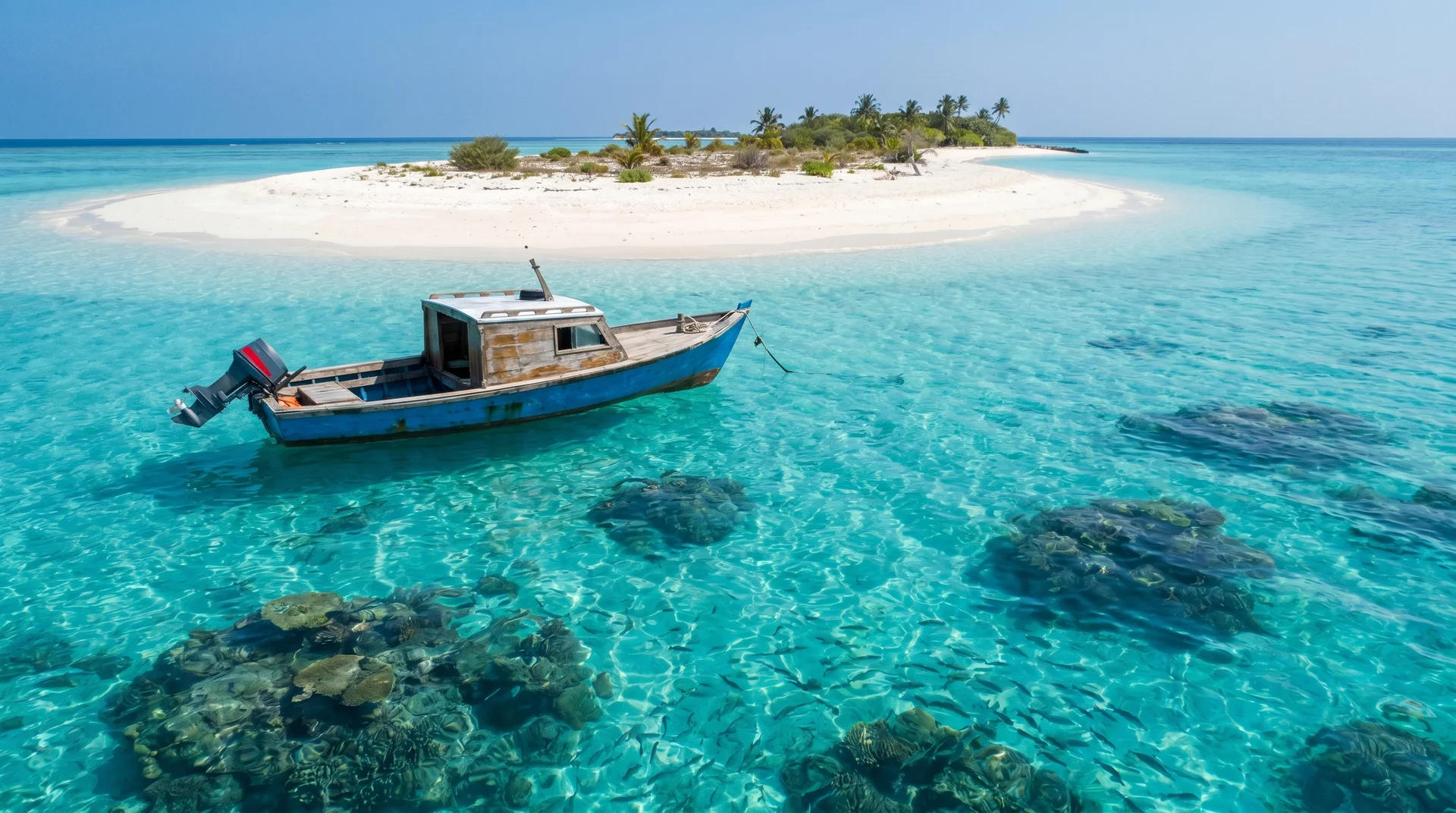
For organized activities, a lagoon tour costs around AUD 150 and is widely considered the highlight of any visit to Tuvalu. Budget for this separately from your daily transport costs.
Hidden Costs and Logistical Fees You Cannot Ignore
Starlink internet access requires a separate budget allocation. Traditional roaming data and regional eSIMs completely fail to connect on the atoll. The island relies heavily on Starlink infrastructure. Guesthouses and select hubs sell access codes for multi-day internet usage at around AUD 10–20 per day. The local telecom office occasionally sells physical SIM cards, but operating hours are highly unpredictable and inventory is not guaranteed.
Airport baggage restrictions add another hidden cost layer. The ATR propeller planes servicing the Tuvalu route enforce severe weight constraints. Checked bags frequently get bumped to later flights if the cargo hold reaches capacity with essential island supplies. The smartest financial and logistical move is packing a small carry-on for the atoll and paying a storage fee to leave your primary luggage safely at your hotel in Fiji. This approach also protects you from spending days on the island without essential gear.
Cultural Rules Impacting Your Daily Budget
Between 6:45 PM and 7:00 PM, the streets of Funafuti completely empty out. A strict religious curfew mandates quiet time for evening worship, and local police actively enforce this rule. The Tuvalu entry requirements article explains the cultural expectations visitors are held to from the moment they clear immigration. Attempting to walk to a restaurant or ride a scooter during these fifteen minutes will result in authorities stopping you and requiring you to sit on the roadside until the period ends. Plan your dinner transit around this specific window to avoid uncomfortable delays.
The Sunday shutdown compounds this planning requirement. Both the curfew timing and the Sunday closure are non-negotiable cultural norms that directly affect how and when you can spend money on the island.
Daily Budget Summary for Tuvalu
Putting all costs together, here is what realistic daily spending looks like for different traveler types:
- Budget traveler: AUD 65-150/day - basic guesthouse, self-catering where possible, motorbike rental split with others
- Mid-range traveler: AUD 240-515/day - private guesthouse room, eating out for meals, lagoon tours, internet access
- Week-long trip total (excluding flights): Budget travelers report spending roughly AUD 1,000-1,400 for a full week on the island, with the round-trip flight adding another AUD 650-800 from Fiji
Immigration officials at Funafuti airport may ask for proof of sufficient funds, with a recommended minimum of around AUD 100 per day for your intended stay. Have this accessible in cash when you arrive.
For context on what other remote island destinations cost, our Nauru travel costs guide covers a similarly isolated Pacific destination, and the Seychelles trip cost breakdown shows how another remote island chain compares on budget planning. If you are still sorting out the logistics of getting there, the ultimate guide to sleeping on long-haul flights is worth reading before your journey through Fiji, and Pitcairn Island's history gives fascinating context on another of the Pacific's most isolated corners.