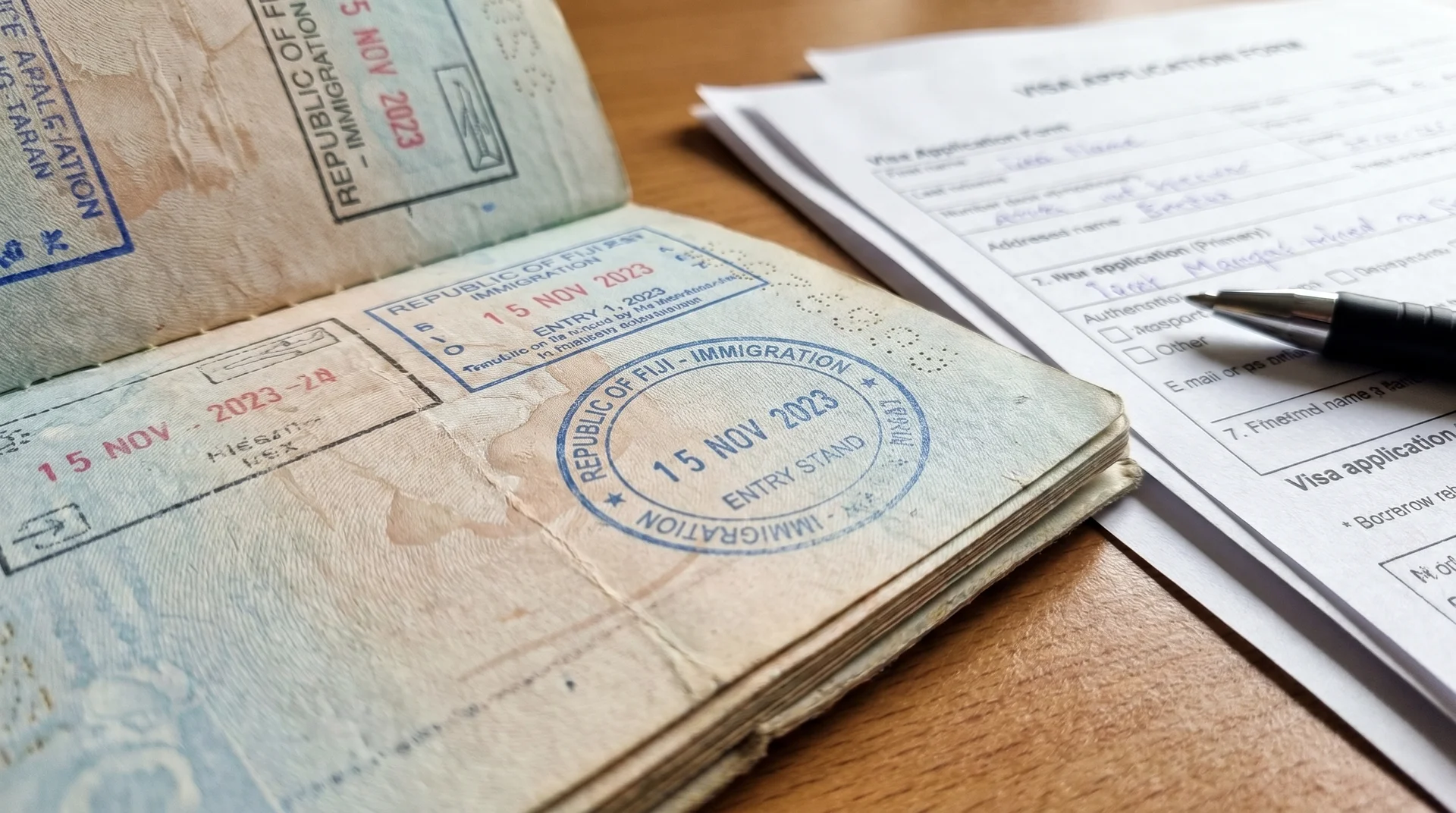
Booking a flight to the central Pacific without securing the required hotel paperwork first guarantees you will be denied boarding at the departure gate. Navigating the extreme logistical bottlenecks of Nauru and Tuvalu requires strict adherence to limited flight schedules and complex visa rules.
| Feature | Nauru | Tuvalu |
|---|---|---|
| Main Flight Hub | Brisbane (Australia) | Nadi or Suva (Fiji) |
| Airline | Nauru Airlines | Fiji Airways |
| Visa Process | Strict advance application | On arrival (most passports) |
| Top Draw | WWII Relics & Topside Mines | Funafuti Runway & Lagoon |
| Landscape | Raised coral island (rugged) | Low-lying atoll (flat) |
Logistics and Accessibility
Getting to Nauru
Nauru Airlines operates the sole connection to the island, primarily out of Brisbane. Flights run on a highly restricted schedule, and the full schedule, fare range, and routing options are covered in the getting to Nauru guide. Missing a flight or missing a connection means waiting several days for the next departure.
Plan your transit timeline with zero margin for error. Arrive in Brisbane early and have all physical documents printed and ready for inspection at the counter.
Getting to Tuvalu
Access to Tuvalu relies entirely on Fiji Airways. Flights depart a few times a week from Suva or Nadi.
Fiji serves as the sole gateway to this atoll. You must align your international arrival into Fiji with the international schedule bound for Funafuti International Airport. Spend your layover walking the streets of Suva rather than rushing a tight connection.
Visa Requirements
Nauru Visa: The Accommodation Hurdle
Securing a visa for Nauru stands as one of the most frustrating bureaucratic tasks in Pacific travel. You must provide written confirmation of your accommodation to get the visa approved.
Only three primary establishments exist on the island: Menen Hotel, OD-N-Aiwo Hotel, and Ewa Lodge. Getting a response via email takes immense patience and persistent follow-ups. Without this specific hotel confirmation in hand, airline staff completely restrict boarding.
Tuvalu: Visa on Arrival
Entering Tuvalu presents almost zero administrative friction. Citizens of 192 countries receive a standard visa upon arrival at the airport, valid for up to one month. You will need a valid passport with at least six months' validity and a return or onward ticket.
Hand over your passport, answer a few basic questions from the immigration officer, and collect your stamp. The process is straightforward and gets you out onto the main road in minutes.
Things to Do in Nauru
Walking the Ring Road
The paved ring road circling the entire nation spans roughly 19 kilometers. Start walking before dawn to beat the punishing midday sun.
You can hike around an entire sovereign country and still return to your hotel for breakfast. Make a stop near Anibare Bay on the southern side of the island.

The jagged rock formations along the coastline stand in stark contrast to the dark blue ocean.
Topside and WWII Relics
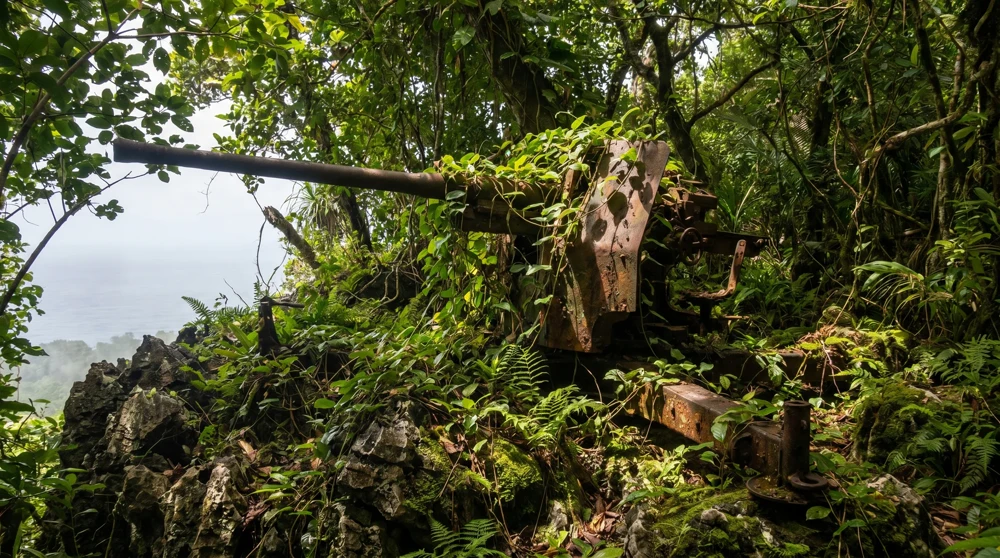
Head inland to the elevated central plateau known as Topside. The terrain here is a harsh, jagged moonscape left behind by decades of intensive phosphate mining.
Hidden among the rocky pinnacles, you find scattered remnants of World War II. Old Japanese bunkers, rusted artillery, and abandoned mining equipment litter the landscape. Stick to the established dirt paths and keep off the unstable gravel edges.
If you want to eat like a local between explorations, Nauru local food covers the best options on the island.
Things to Do in Tuvalu
The Funafuti Runway
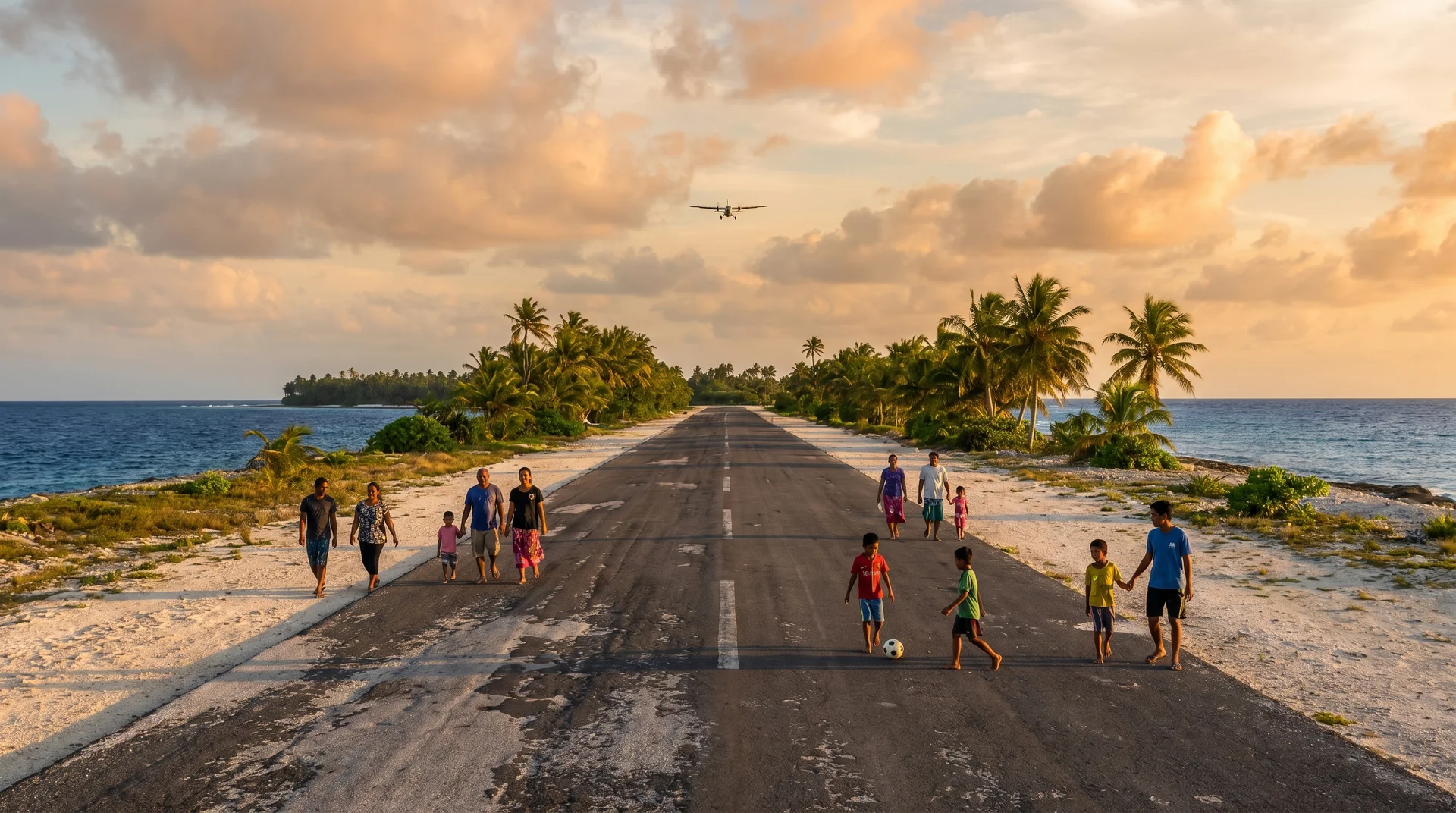
Funafuti International Airport lacks security fences and restricted zones. The moment the weekly plane departs, the tarmac instantly transforms into the island's central gathering space.
Locals take over the runway for rugby matches, evening strolls, and community meetings. The concrete holds the day's warmth, making it the perfect spot to sit and socialize as the sun sets over the Pacific.
Funafuti Conservation Area
Charter a small boat from the main island to reach the protected waters of the Funafuti Conservation Area. The lagoon remains largely untouched by commercial marine traffic.
Jump into the water to explore dense coral formations. Manta rays frequently glide through the shallows right beneath the surface.
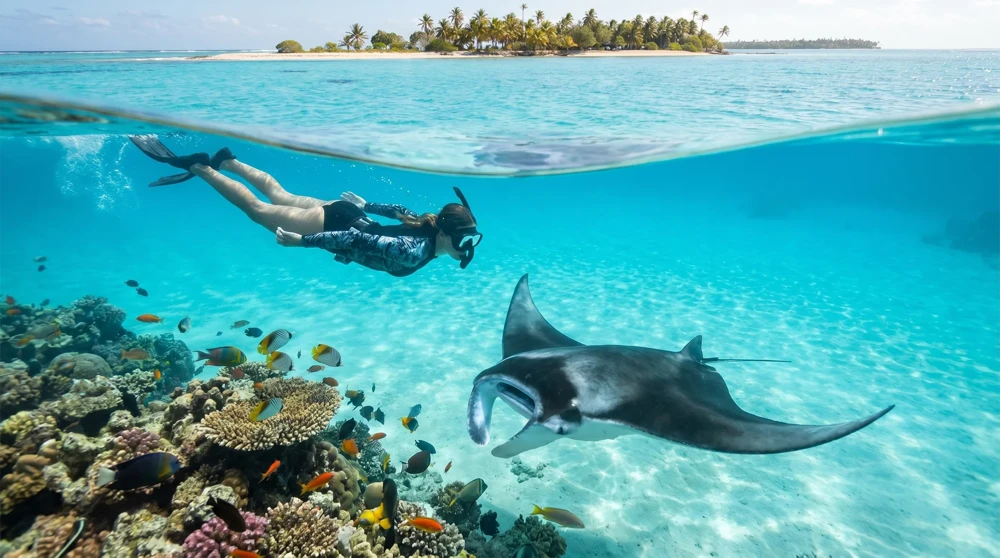
Adhere strictly to local travel tips regarding reef protection and do not touch the coral.
The Verdict: Nauru or Tuvalu?
Choose Nauru for its complex wartime history, rugged inland exploration, and the unique bragging rights of navigating its strict entry requirements. A full practical rundown is in the visiting Nauru overview.
Choose Tuvalu for authentic atoll culture, easier logistical access through Fiji, and the surreal experience of sleeping or playing sports on an international runway.
Both destinations demand careful planning, a highly flexible attitude, and a strong tolerance for tropical heat. For a detailed breakdown of what a Nauru trip costs, including flights, visa fees, and on-island spending, the Nauru travel costs article gives realistic figures. Make your decision based strictly on your patience for bureaucracy versus your desire for lagoon snorkeling.