Reaching Tuvalu's outer atolls without a strict contingency plan often results in travelers being stranded in Funafuti due to sudden ferry cancellations or broken ship cranes. The only way to successfully navigate the vast distances between these remote islands is to abandon fixed itineraries and build your trip around the irregular cargo and passenger shipping schedules.
Before departing Funafuti, a few realities shape everything that follows:
- Transport: Government-owned passenger and cargo ferries (Nivaga III, Tala Moana, and the MV Moeiteava)
- Flights to Tuvalu: Fiji Airways via Suva or Nadi on ATR propeller planes with strictly limited baggage
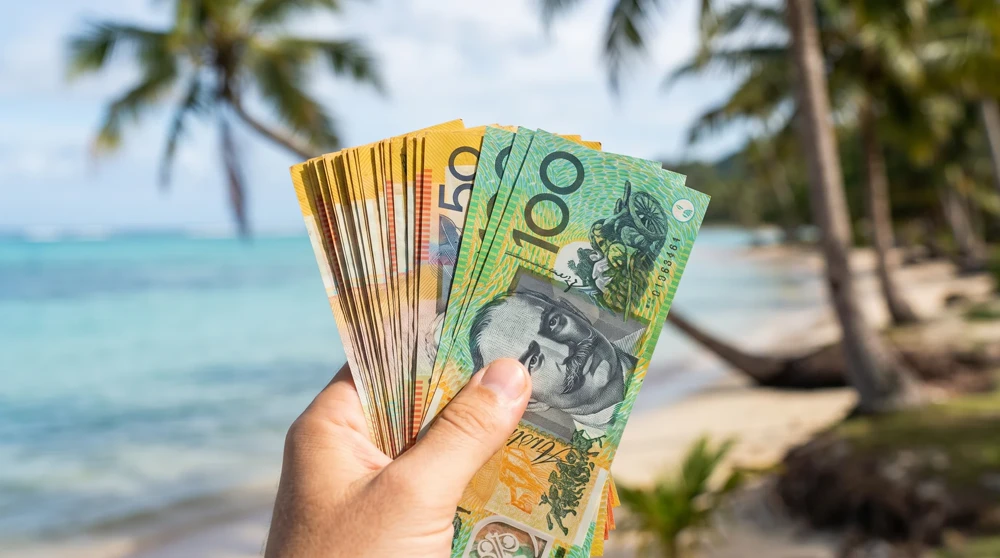
- Currency: Australian Dollars (AUD) only - zero ATMs available on any outer island
- Internet: Starlink is active in Funafuti and specific outer island hubs, requiring physical purchase of login codes
- Medical: Basic hospital in Funafuti; small clinics on outer islands - evacuation to Fiji is mandatory for serious conditions
The Reality of Inter-Island Travel in Tuvalu
Passenger Ferries: Nivaga III and Tala Moana
The backbone of Tuvalu's domestic transport relies on state-owned vessels including the Nivaga III, Tala Moana, and the MV Moeiteava. These ships are not tourist cruisers. They operate primarily to deliver diesel, building materials, and food supplies to the outer islands, carrying passengers as a secondary function. Conditions onboard are strictly utilitarian.
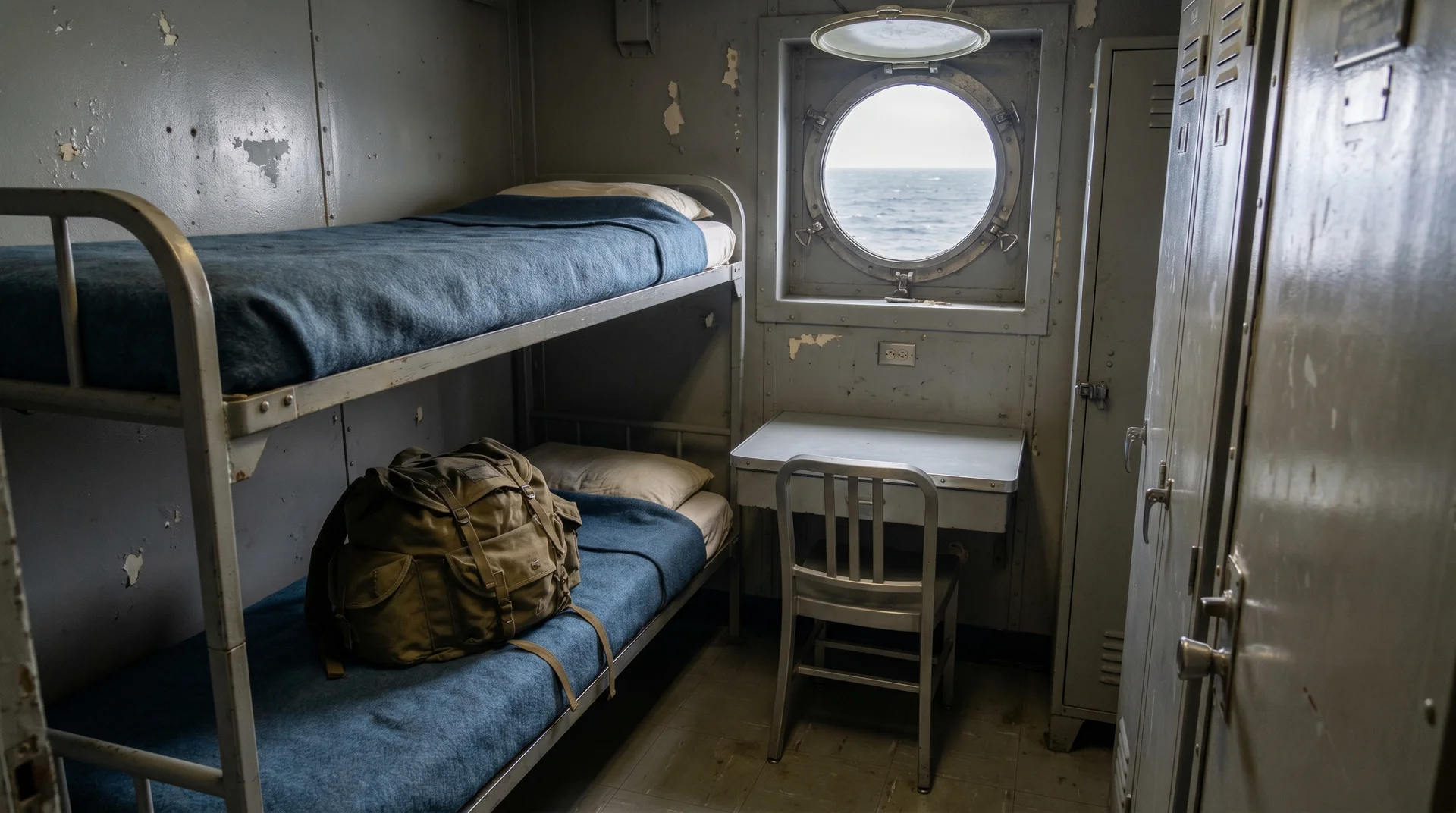
Deck passengers often sleep on narrow wooden benches or set up hammocks wherever space allows. Cabin upgrades exist on the Nivaga III, offering air conditioning and basic washrooms, but these are assigned based on availability rather than advance online booking. Bring your own motion sickness medication - rough seas are common and this is non-negotiable preparation.
The southern route to Nukulaelae and Niulakita takes approximately three to four days each way. The northern route covering Vaitupu, Nukufetau, Nanumea, and the central atolls takes closer to a week. Ferries make crossings to the outer islands roughly once every three to four weeks, meaning a missed boat or delayed departure can cost you weeks.
Ticketing, Schedules, and Weather Delays
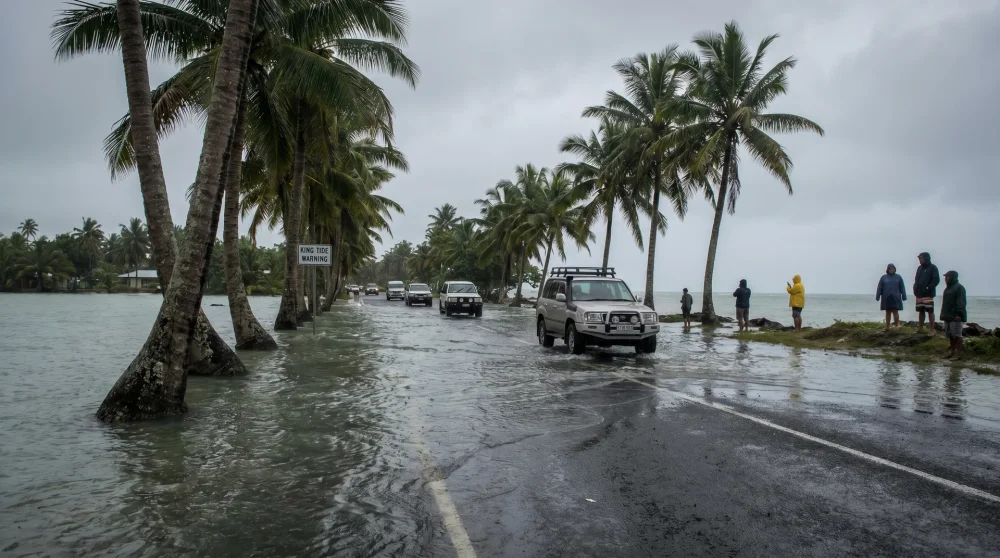
Schedules in Tuvalu operate on island time, heavily dictated by weather patterns and mechanical realities. A broken crane or a missing engine part can halt a departure for days or even weeks. Finding reliable ferry timetables online is impossible - the official ferry website requires physical presence to navigate in any meaningful way.
Securing a ticket requires physical presence at the Marine Services Office near the Funafuti wharf. Pay in cash (AUD), secure your paper slip, and hand it directly to the logistics crew at the wharf. Flexibility is your greatest asset.
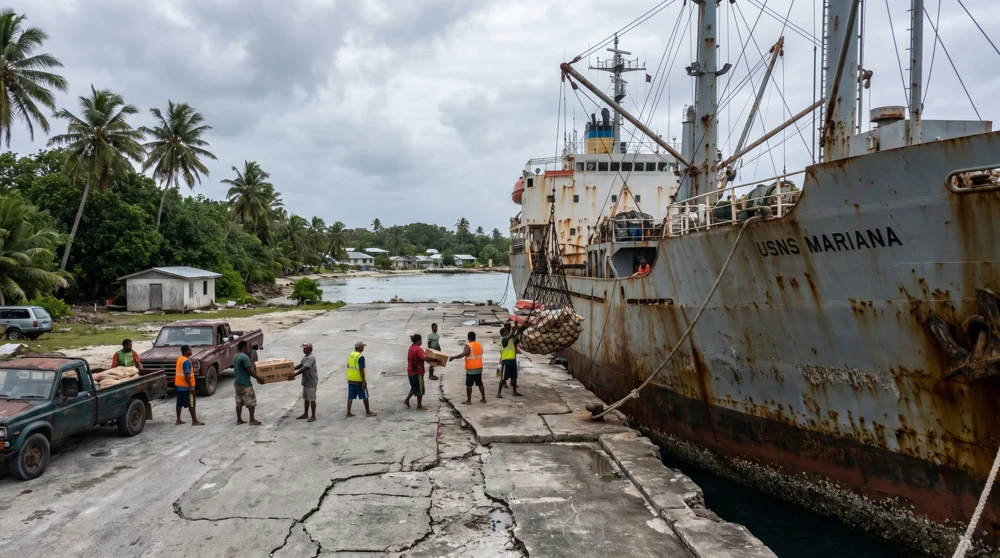
If a boat is unexpectedly heading to a central atoll for a fuel run, grab the opportunity rather than waiting for a delayed southern ferry.
Essential Preparations for the Outer Atolls
Cash Logistics (AUD) and the No-ATM Rule
Arriving without sufficient physical cash guarantees a highly problematic stay. Tuvalu operates entirely on Australian Dollars, and the outer islands lack any digital payment infrastructure. Bring enough cash from your point of origin to cover all accommodation, food, and emergency transport.
The National Bank of Tuvalu in Funafuti handles currency exchange during strict operating hours. Attempting to withdraw funds or exchange money once you leave the capital is completely impossible. Budget approximately AUD 100–150 per day for food and basic lodging, then add a substantial emergency buffer for unexpected delays. For a full picture of costs, the Tuvalu travel costs guide breaks down every expense category. If your ferry is delayed by two weeks, you need to cover that cost in cash.
Food, Water, and Medical Supply Realities
Out in the atolls, self-sufficiency is the rule. The local diet leans heavily on fresh fish, coconut, and pulaka (swamp taro), supplemented by imported canned goods. Guesthouses provide simple meals, but food shortages occur depending on the cargo ship's arrival schedule.
Drinking water comes directly from rainwater catchment tanks. Treat your water or rely on boiled water for local tea as a standard health precaution. Pack a comprehensive medical kit containing ibuprofen, antiseptics, rehydration salts, and broad-spectrum antibiotics.
Even a minor coral cut can turn septic quickly in the humid tropical environment, and the local clinics carry highly restricted inventories.
Book Funafuti Accommodation at Least Three Months Ahead
Before worrying about outer island logistics, secure Funafuti accommodation first. With only four to five hotels and lodges on the main islet - including Filamona, Esfam, L's Lodge, and Funafuti Lagoon - rooms fill up fast. Email accommodation providers directly at least three months in advance. Airbnb options exist as a backup but supply is thin.
Navigating the Southern Atolls
Nukulaelae: Raised Houses and Lagoon Life
Nukulaelae stands out for its distinct architecture and organized community structure. The island features modern raised houses sitting on tall pillars, a design intended to combat rising sea levels and storm surges. The main unsealed road leads from the newly built wharf through light forest directly into the village center. A small aircraft runway is under construction, which may eventually reduce reliance on ferry schedules.
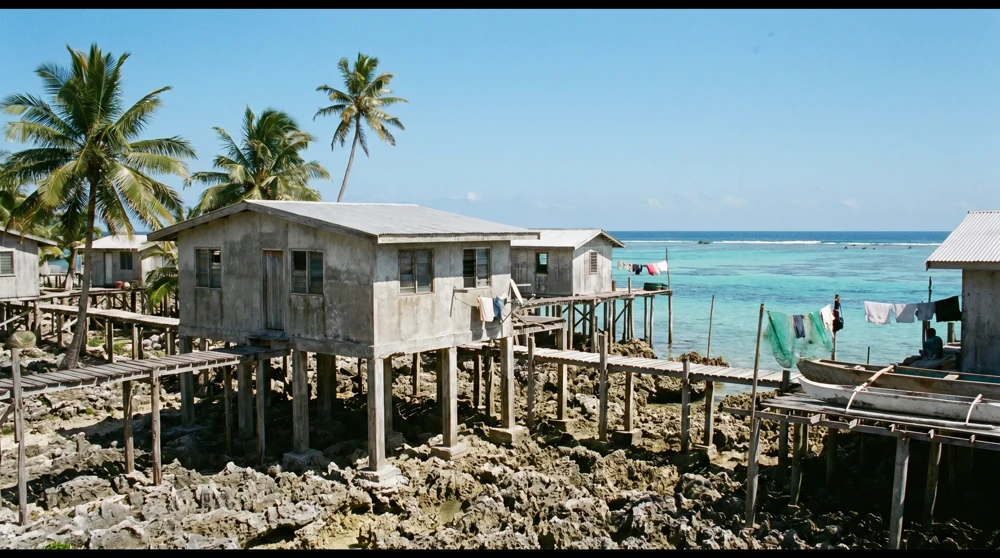
Accommodation here means staying in basic, family-run guesthouses or rooms coordinated through the island council. Contact island authorities or make connections in Funafuti before departure. You can walk the entire coastline in a short time, but the intense equatorial heat makes early morning or late afternoon exploration far more practical. The best time to visit Tuvalu guide explains how seasonal trade winds affect conditions across all the atolls. Pulaka farming pits dug into the old coral are central to daily life and worth visiting.
Niulakita: The Smallest and Most Remote Outpost
Reaching Niulakita is notoriously challenging. This tiny reef island - with a circumference of just 2.6 kilometers - sits alone more than 100km from its nearest neighbor, sustaining a population of around 20 people. The landing is carved directly into the coral reef, making tender operations entirely dependent on reading the swells and dodging rough waves.
There is no formal guesthouse infrastructure. Visitors usually rely on the hospitality of the local pastor or community leaders, whose one-month rotating tenure draws from the broader Niutau community (Niulakita is administered by Niutau). The island's highest point reaches just 4.6 meters above sea level, making it acutely vulnerable to storm surges. Heavy rainfall compared to the northern atolls turns the narrow forest paths muddy and complicates any exploration.
Navigating the Northern and Central Atolls
Vaitupu: The Largest Atoll and Educational Hub
Vaitupu holds the largest landmass in Tuvalu and approximately 1,000 residents, serving as the country's educational hub with its secondary boarding school established in 1905. The island supports a neatly organized society centered around a large church with twin towers. A network of dirt roads connects the main settlement to sprawling swamp taro fields and dense palm forests.
Community halls, known as maneapas, form the core of social and political life. If invited inside, removing your shoes is mandatory. Mobile network coverage is essentially nonexistent here, but Starlink login codes can sometimes be purchased through island hosts.
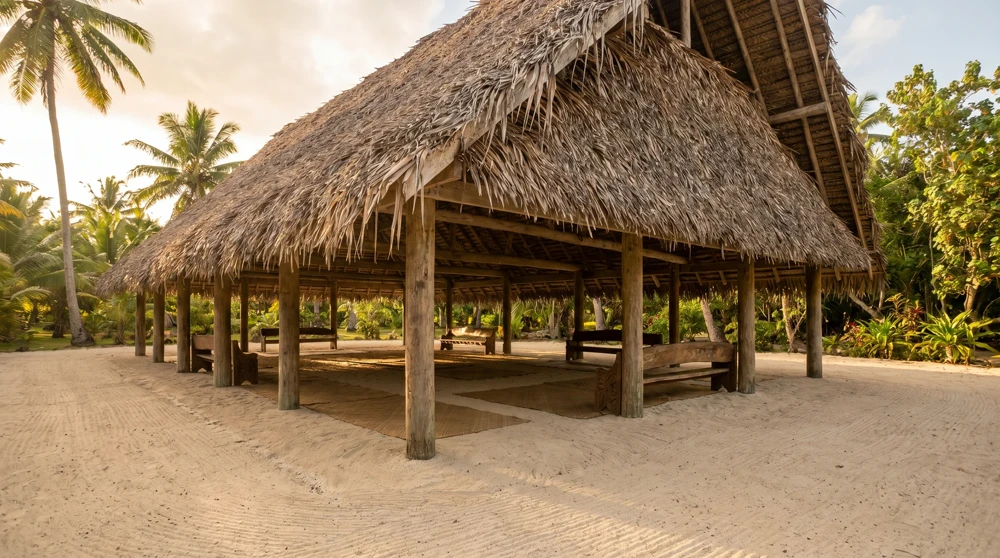
The waters surrounding Vaitupu are crystal clear and rich in marine life, rewarding snorkelers willing to explore beyond the shoreline.
Nukufetau: Lagoon, Motorbikes, and WWII History
Nukufetau is a classic true atoll, featuring a vast central lagoon historically used as an Allied base during World War II. Motorbike traffic is constant along the narrow paths connecting small residential structures despite the distances being easily walkable. The local population relies heavily on the ocean, and the daily routine revolves around fishing and processing coconut crops.
Walking around the island reveals scattered remnants of its wartime history alongside active community projects. Deep puddles form quickly after heavy rains, making waterproof footwear essential when navigating off the main tracks.
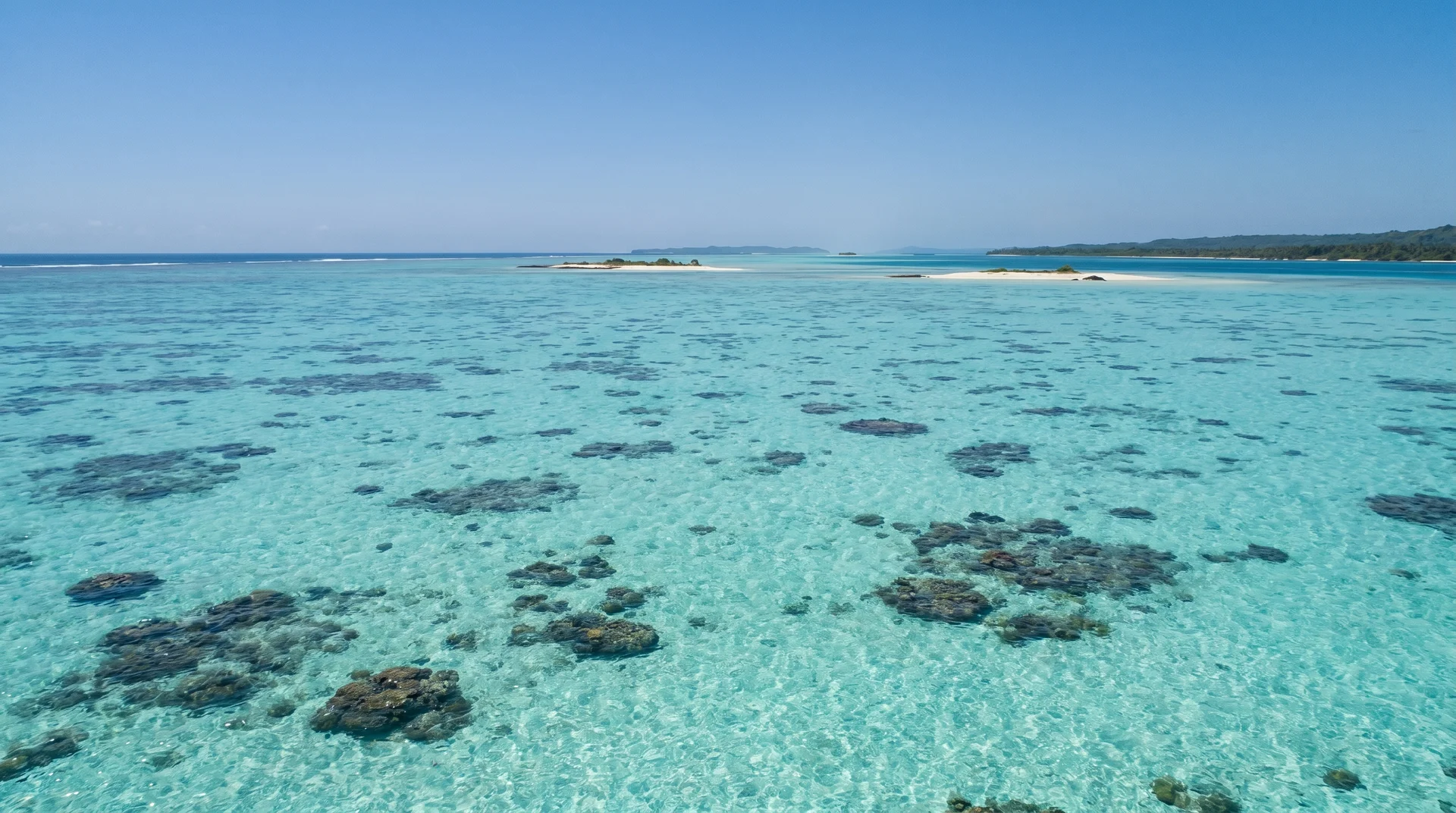
Starlink-based WiFi access through purchased login credentials is sometimes available here.
Nanumea: Northern Atoll with a War Memorial
Nanumea sits at the northern end of the archipelago and shares the same WWII history as Nukufetau, having hosted Allied operations in the Pacific campaign. The atoll features turquoise lagoons, coral reefs, and long quiet beaches, with a community life built around fishing, traditional crafts, and the church calendar. Reaching Nanumea via ferry takes roughly a week from Funafuti on the northern route.
Nui: Lagoon, Water Springs, and Giant Clams
Nui is a true atoll located roughly 90km southwest of Nanumea, known for its beautiful lagoon, natural water springs, and giant clam breeding grounds - a combination rarely seen in the archipelago. The island's community is small and traditional, with visits requiring the same logistical groundwork as any outer atoll: advance contact, cash supply, and flexible scheduling.
Funafuti Transit: What You Need Before You Leave
Last-Minute Supplies at Fongafale
Fongafale is the central islet of Funafuti and your absolute last chance to prepare for the outer islands. The local shops along Tuvalu Road offer basic provisions, but inventory fluctuates drastically based on recent cargo deliveries. Buy extra bottled water, high-energy snacks, and any specific toiletries or medications before boarding your ferry. Pack lightweight, quick-drying clothing and robust sun protection - the equatorial sun is unforgiving and outer islands offer very little artificial shade.
Dealing with the Sunday Curfew
Tuvalu is a deeply religious nation, and Sundays bring the entire country to a standstill - a cultural norm covered in more detail in the Tuvalu entry requirements guide. Shops close, transportation halts, and commercial activity is strictly prohibited. Purchase all food and drinking water by Saturday afternoon.
Additionally, a strict quiet time curfew is enforced every evening between approximately 6:45pm and 7pm for daily prayer. Walking around, driving, or making noise during this period is not allowed. Police officers will stop anyone found on the streets and ask them to wait until the curfew lifts. This applies across all islands, not just Funafuti, so factor this daily pause into your plans from the start.
Drones, Connectivity, and Realistic Expectations
Drone operation near Funafuti's airport zone is heavily restricted, so standard consumer drones are largely unusable in the capital area. On the outer islands, no standard mobile roaming or local SIM data is available - Starlink login codes are your only connectivity option, and speeds drop significantly during heavy rainfall or power disruptions.
Coming to Tuvalu's outer atolls means accepting a level of disconnection from the modern world that few destinations still offer. The reward is equally rare: an intimate, unfiltered look at one of the most isolated and authentic cultures on the planet, at a scale - and pace - that almost nothing else can replicate. For travelers who have already visited Nauru vs Tuvalu and decided Tuvalu wins, the outer islands are where that decision gets fully vindicated.