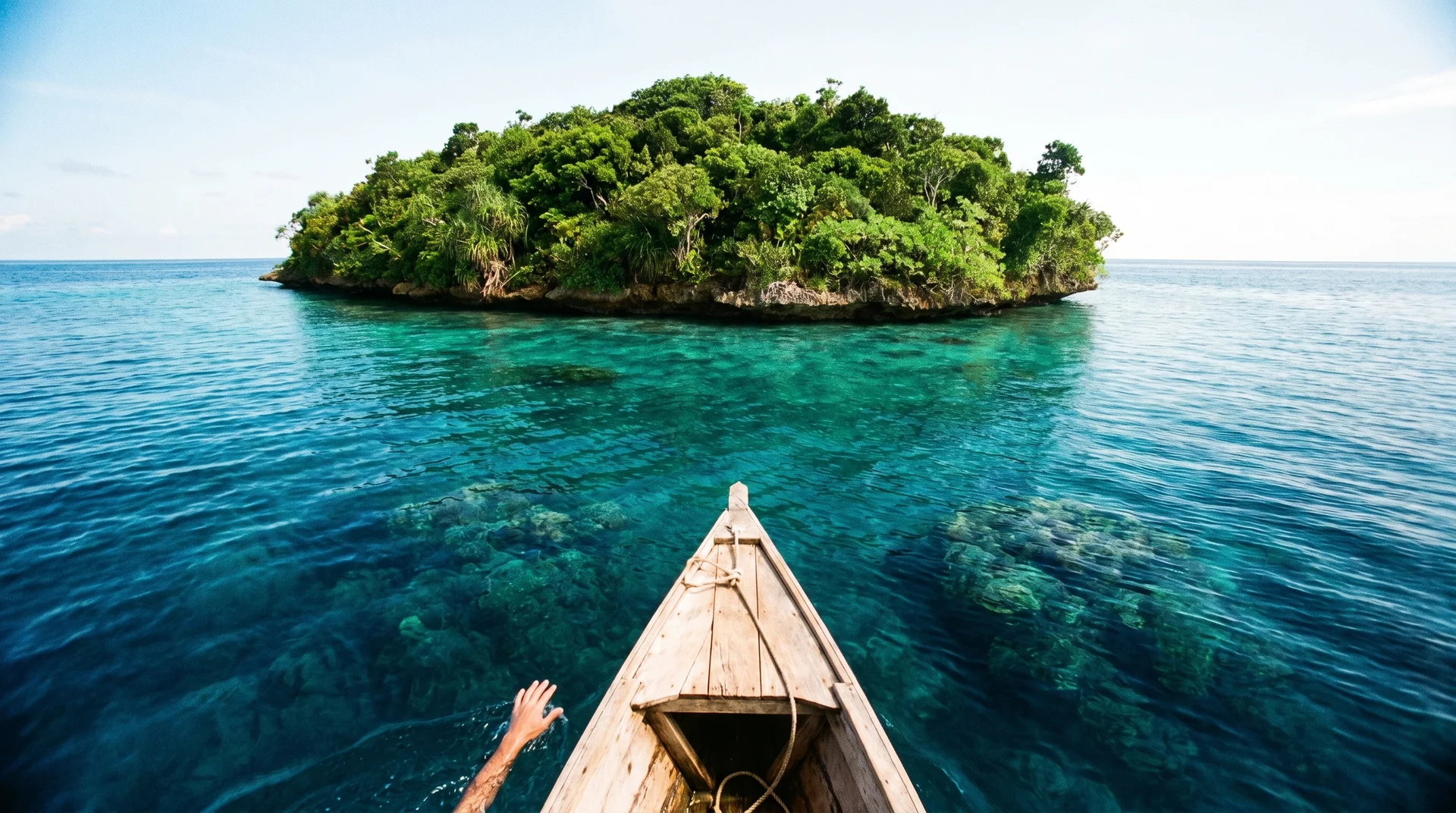
The Funafuti Conservation Area is one of the most remote and pristine marine sanctuaries in the Pacific Ocean. Covering 33 square kilometers of reef, open lagoon, channels, and uninhabited islets on the western side of Funafuti Atoll, this protected zone gives visitors a rare window into an ecosystem almost entirely free from commercial pressure. Getting here takes effort and planning, but the reward is a snorkeling and island-hopping experience that very few travelers on earth will ever share.
What Is the Funafuti Conservation Area?
The conservation area, sometimes called the Kogatapu - a Tuvaluan term for a protected area - was formally established on 1 December 1999 under the Kaupule o Funafuti Conservation Area Order. The initiative was driven by the Funafuti Falekaupule (local island council) with technical support from the Secretariat of the Pacific Regional Environment Programme (SPREP) and the South Pacific Biodiversity Conservation Programme.
The boundaries encompass roughly 20 percent of the total coral reef area of the Funafuti lagoon (Te Namo). Pre-establishment surveys recorded 76 species of indicator fish, 141 food fish species, and 149 mobile invertebrates including crabs and sea cucumbers. A follow-up study in 2010 documented 317 fish species in total, with 66 of those representing first records for Tuvalu.
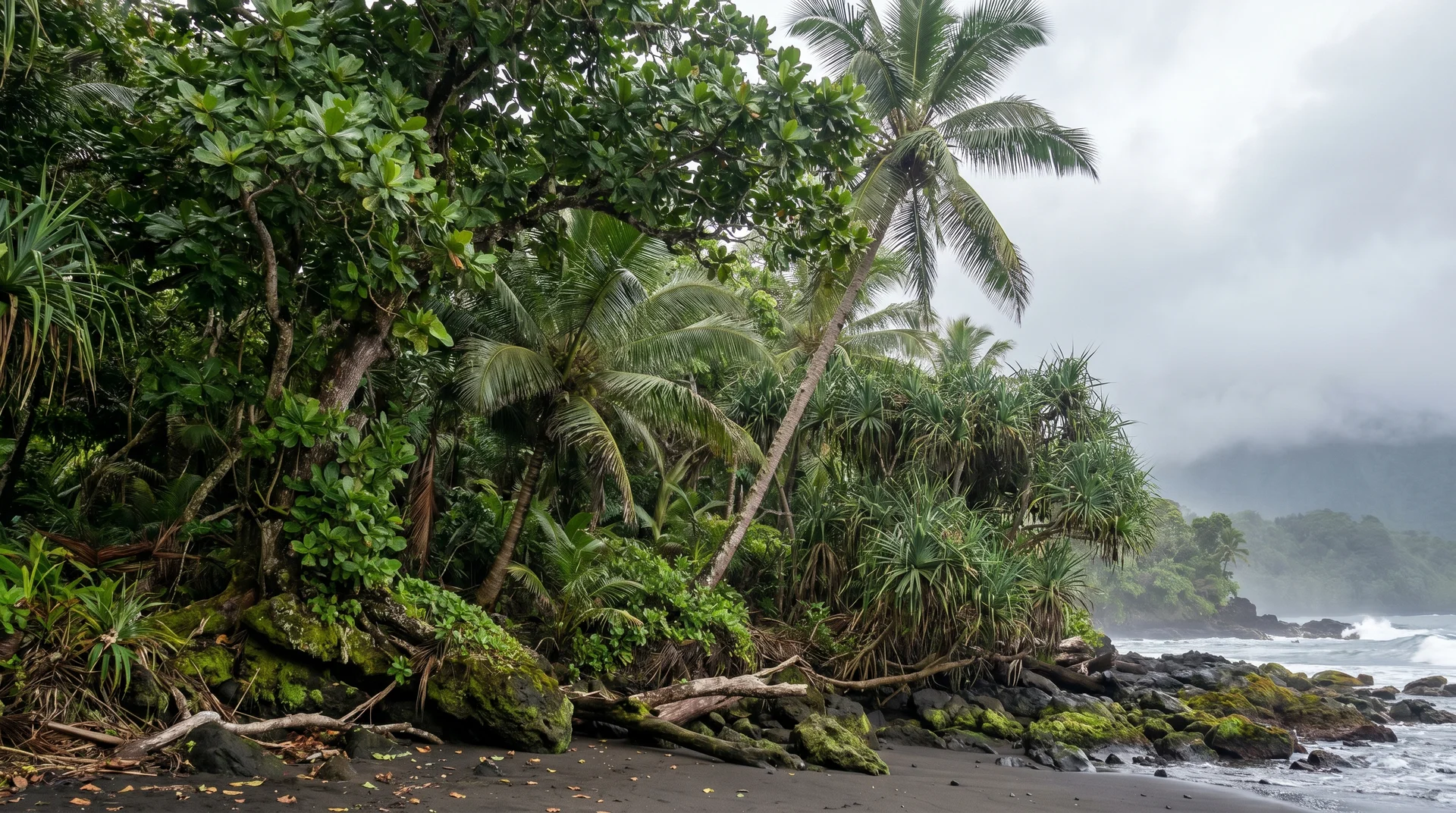
The area protects not only the marine environment but also the land-based biodiversity of the six uninhabited islets within its boundaries. These motu hold approximately 40 percent of the remaining native broadleaf forest on Funafuti Atoll - a habitat type that covers just 4.1 percent of vegetation on all the islands of Tuvalu combined.
The Six Protected Islets
The conservation area takes in six uninhabited motu on the western reef of the atoll. Each has its own character and draws visitors for different reasons.
- Fualopa - the most visited islet and home to a breeding colony of black noddies (Anous minutus). The birds nest in the dense pandanus and coastal scrub vegetation. Fualopa also provides some of the most accessible snorkeling entry points along its reef edge.
- Tepuka Vili Vili - a narrow sliver of sand with a deep channel running beside it. The channel, known as Te Ava Tepuka Vili, drops to around 30 meters and is considered suitable only for confident swimmers due to the current pull.
- Vasafua - a small motu ringed by coral rubble and coarse sand. Hermit crabs and coconut crabs are commonly spotted along the shoreline and in the low vegetation.
- Fuafatu - a flat islet with minimal shade. Most boat captains use it as a brief stop between snorkeling sessions.
- Fuagea - offers some of the least disturbed reef in the entire conservation area, with visitors reporting very high fish density and minimal coral damage from bleaching events.
- Tefala - the southernmost islet in the protected zone, rarely crowded even on busy days.
Note that Tepukahakai and Fualu'ulopa are names that appear in some travel accounts for islets in the broader western reef area. Local guides use varying spellings and names, so your captain will be the most reliable source for exactly which motu you visit on any given trip.
How to Book a Boat Tour
There are no dedicated tour operators with booking websites or ticket offices on the main island of Funafuti. Arranging the trip is done entirely through informal local networks, and this is part of what makes the experience feel genuinely off the beaten track.
The most reliable approach is to visit the Kaupule Funafuti (island council office) in person on a weekday. Staff there can point you toward licensed boat captains and arrange the required conservation entry permit. Note that the office keeps variable lunch hours - aim for a morning visit. Your accommodation host or guesthouse owner can also make calls on your behalf to a trusted local skipper.
Book at least one day in advance to confirm the captain is available and the boat is ready for an early morning departure. Same-day arrangements are possible but add unnecessary stress. The ride across the lagoon takes between 30 and 60 minutes depending on the boat and the wind conditions.
For the flying to Tuvalu leg of your trip, build enough buffer into your itinerary to allow a day or two for organizing the conservation area excursion after landing.
Costs and Entry Fees
Expect to pay a conservation area entrance fee on top of the boat charter. Recent visitor reports list the entrance fee at around AUD 70 per person, with boat charters running approximately AUD 350 per boat (shared among the group). An additional surcharge applies for Saturday visits. Prices in Tuvalu are set informally and can shift, so treat these figures as planning estimates rather than fixed rates.
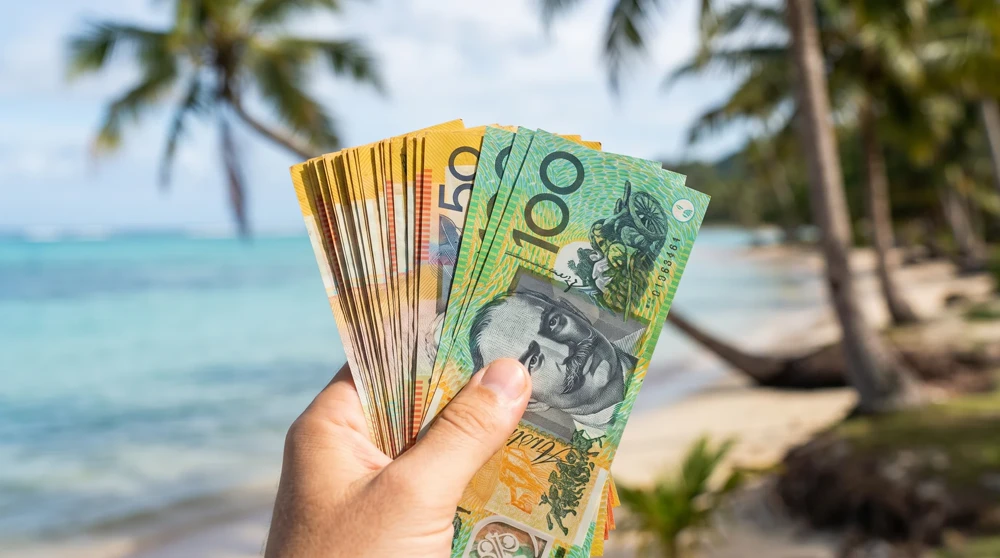
All payments are made in Australian dollars (AUD), which serves as Tuvalu's official currency. Bring cash - there are no card readers at the lagoon. For a detailed breakdown of what your overall Tuvalu trip will cost, the Tuvalu travel costs guide covers daily budgets, accommodation rates, and money-related practicalities.
Best Time to Visit
The dry season from May to October provides the most reliable conditions for a lagoon crossing and for underwater visibility. During these months, trade winds keep the surface relatively calm, rainfall is minimal, and the water clarity is at its peak. Snorkelers regularly report visibility exceeding 20 to 30 meters in the channels near the reef edges.
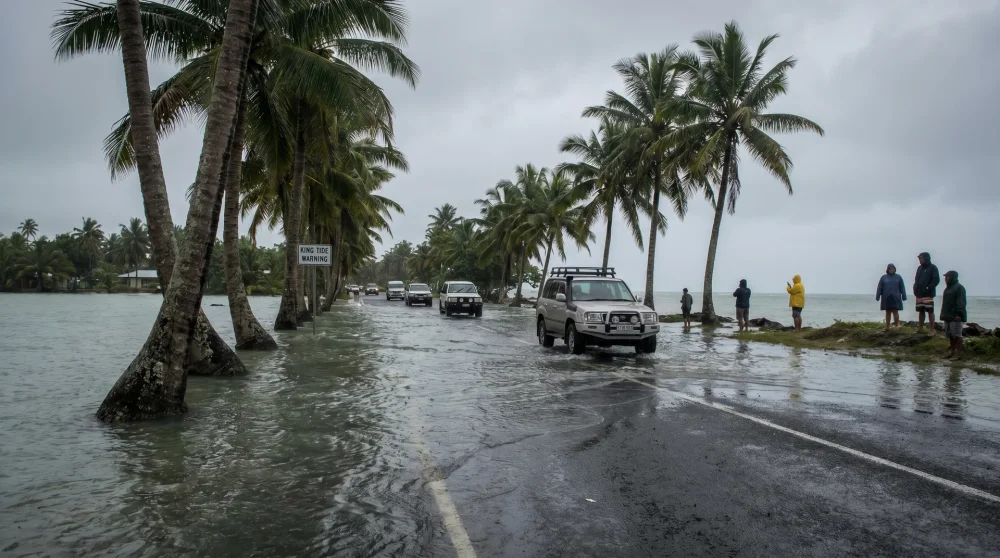
The wet season (November to April) brings heavier swells, more frequent rain squalls, and choppier lagoon crossings. It is still possible to visit, but the experience is more variable and the boat ride less comfortable. For a full breakdown of weather patterns by month, the best time to visit Tuvalu guide explains seasonal conditions across the atoll.
Early morning departures are consistently recommended by experienced visitors. The lagoon surface is calmest before 9 AM, the equatorial sun has not yet reached its full intensity, and the morning light angle penetrates the water at a depth that makes underwater photography dramatically more effective.
Snorkeling in the Conservation Area
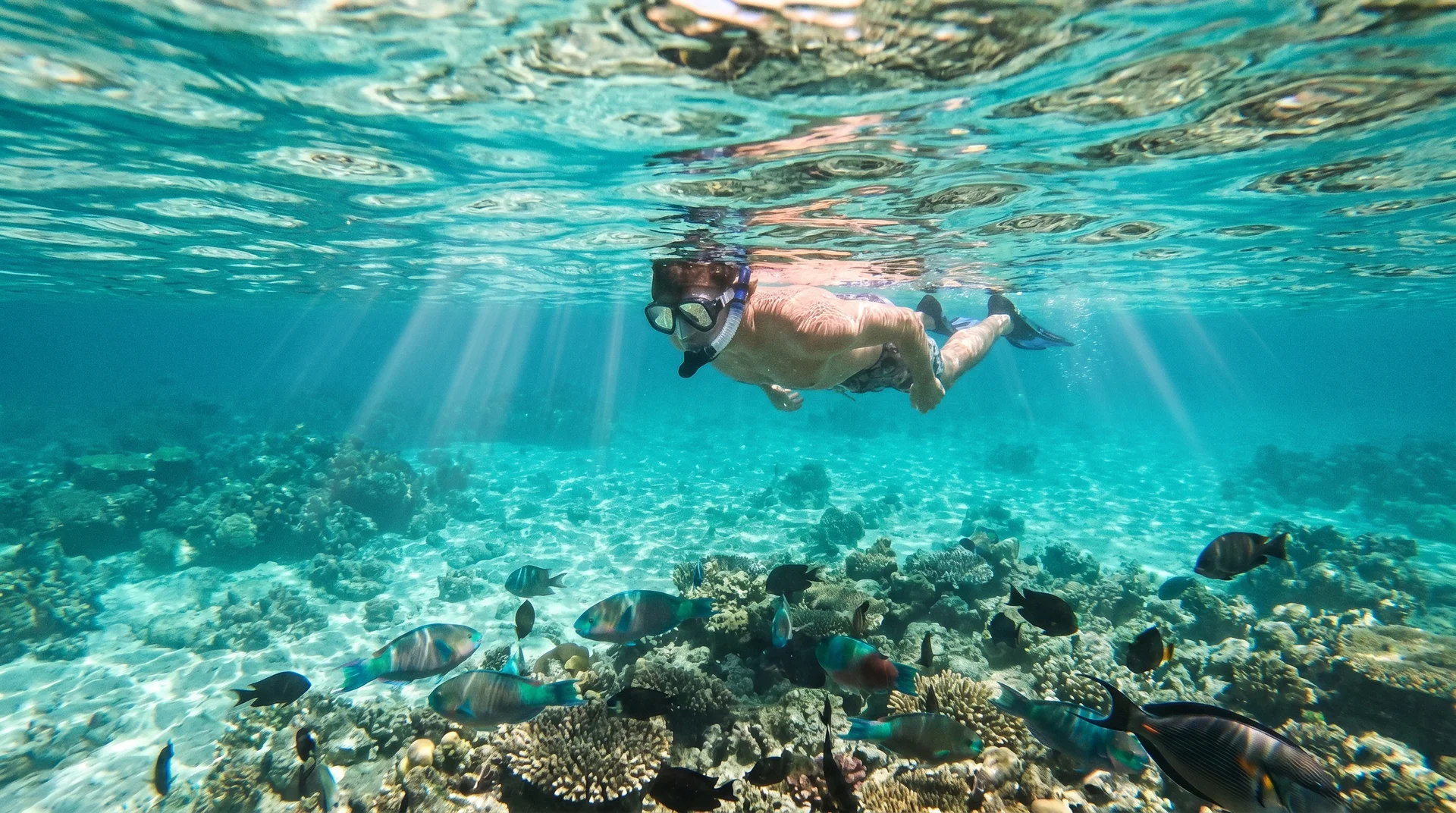
The coral gardens inside the Kogatapu rank among the most biodiverse reef systems in the central Pacific. The protected status means fish populations are dense and largely unafraid of snorkelers - you can hover above the reef and watch schools of parrotfish, snapper, and trevally moving through the coral at close range.
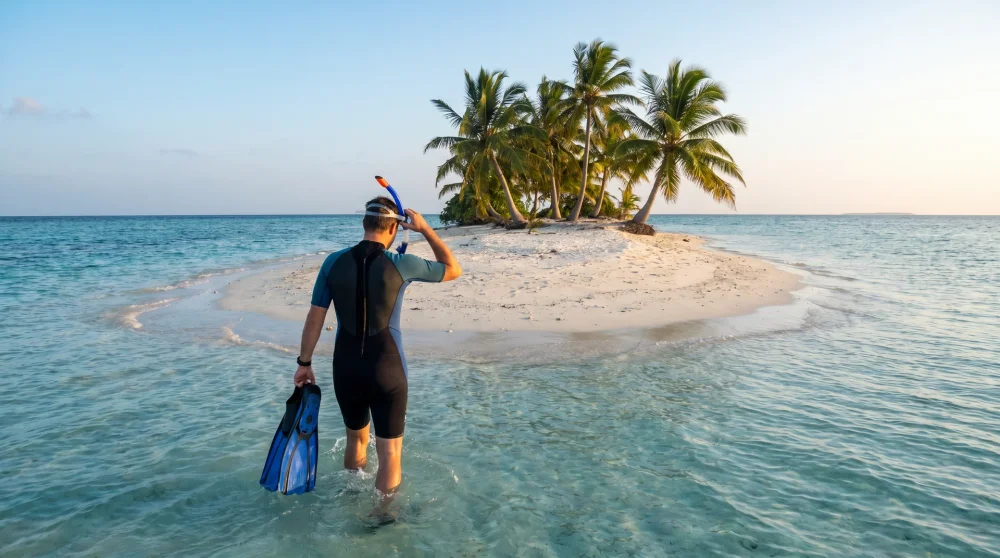
Most boat captains stop at three to four snorkeling sites during a full day tour, giving you roughly 30 to 45 minutes in the water at each location before moving on. The variety of sites means you experience both the shallow coral flats - ideal for beginners - and the steeper reef drops where manta rays and reef sharks patrol the blue water below.
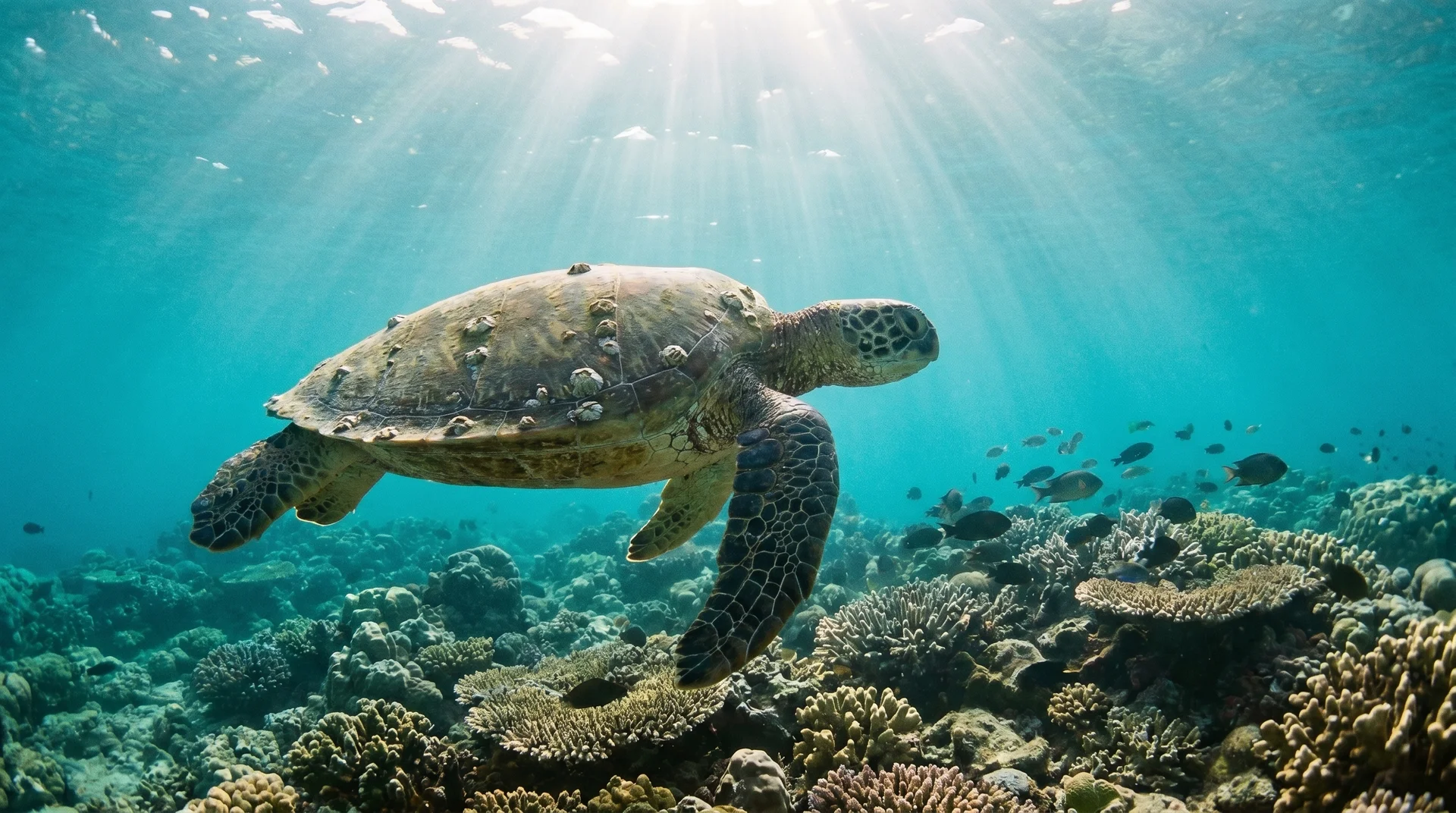
Green sea turtles (Chelonia mydas) are a near-certain encounter. The conservation area's islets are active nesting grounds, and the no-fishing rules mean the turtles are unhurried and accustomed to human presence. Two additional turtle species are documented in Tuvaluan waters: the critically endangered hawksbill sea turtle (Eretmochelys imbricata) and the leatherback sea turtle (Dermochelys coriacea), though encounters with these are less predictable.
The Te Ava Tepuka Vili channel near Tepuka Vili Vili islet deserves special mention. This passage drops sharply from the reef flat to around 30 meters, creating a wall of coral where pelagic species congregate. Only confident swimmers who are comfortable with depth and some current should attempt this site.
Some reef sections within the conservation area show coral bleaching damage from warming sea surface temperatures - a pattern consistent across much of the Pacific. Even affected areas retain high fish density, but the bleaching is a visible reminder of the pressures Tuvalu's climate change situation places on the atoll's ecosystems.
Wildlife Beyond the Reef
The conservation area protects terrestrial species as well as marine ones. Walking across Fualopa brings you through the heart of a black noddy breeding colony, where the birds nest at eye level in low shrubs and show almost no alarm at careful visitors. The experience of standing inside an active seabird colony on a deserted Pacific islet is difficult to replicate anywhere else.
The rare Tuvalu flying fox has been reported on the larger islets in the pandanus forest areas. These native fruit bats are most active at dusk, which is after visitor hours, but daytime roosts in high forest canopy are occasionally spotted during island walks.
Hermit crabs in a range of shell sizes move across every beach. On certain islets, coconut crabs are also present - these are the world's largest land invertebrates and are protected within the conservation area boundaries.
Keep noise low when walking on the islets. Nesting birds are easily disturbed, and the local conservation rules require visitors to stay on established pathways where they exist and to avoid vegetation during breeding season.
What to Pack
There are no facilities of any kind once you leave the main island. No shops, no fresh water, no shade structures, no toilet facilities. Everything you need for the day must come with you on the boat.
- Water - bring significantly more than you think you need. The equatorial heat and sun reflection off the lagoon cause dehydration faster than expected.
- Reef-safe sunscreen - standard sunscreen chemicals damage coral. Check the label for oxybenzone and octinoxate, and choose a mineral-based alternative. Add a wide-brimmed hat and a long-sleeved rash guard.
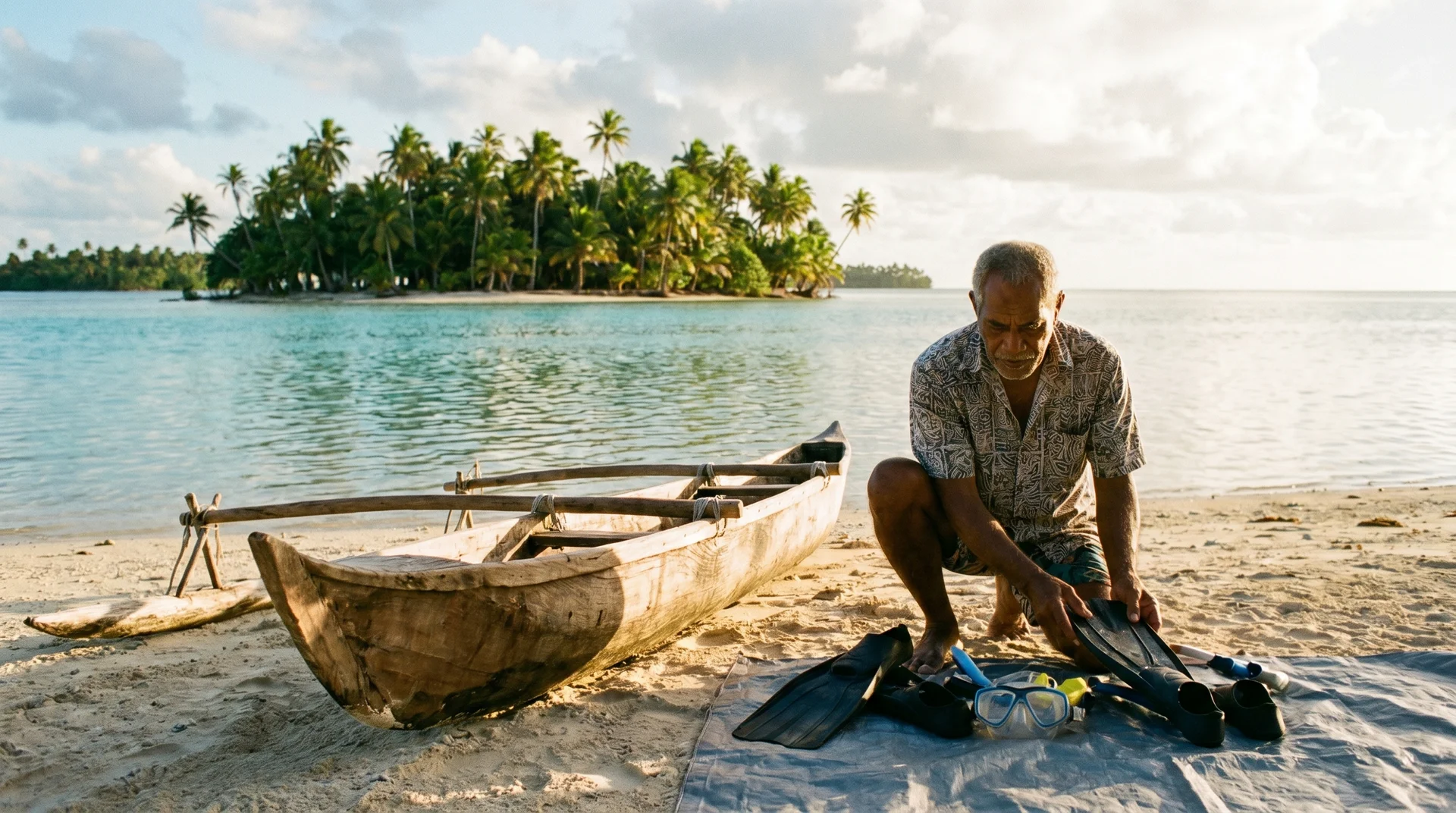
- Snorkeling gear - while your captain may have basic equipment available, bringing your own mask and fins guarantees a good fit. A wetsuit top or stinger suit adds an extra layer of sun protection.
- Food and snacks - pack a full day's nutrition. Energy bars, fresh fruit, and sandwiches all travel well on the boat.
- Motion sickness medication - the lagoon crossing involves small aluminum dinghies with no hull shelter. If you are prone to nausea on small boats, take medication before departure.
- Dry bags - protect your phone, camera, and documents. Spray from the boat ride is significant on choppy days.
- Cash in AUD - for the entrance fee and any tips for your boat captain.
Conservation Rules Inside the Kogatapu
The Funafuti Falekaupule enforces a strict set of rules designed to preserve the biodiversity that makes this area worth visiting in the first place. Compliance is mandatory, and conservation rangers periodically patrol the zone.
- Do not touch live coral at any point during snorkeling. Standing on the reef, even briefly, causes damage that takes decades to recover.
- Do not take anything from the marine environment or the islets: no shells, no sand, no coral fragments, no plant material.
- No fishing of any kind is permitted inside the conservation area boundaries.
- Do not disturb nesting birds or approach nesting turtles without your captain's guidance.
- Pack all rubbish out. Every piece of waste generated during the trip must return to the main island. There are no bins on the islets.
- Overnight stays and camping on the motu are not permitted, protecting vulnerable nesting habitats from extended human disturbance.
These rules are not bureaucratic formality - they are the reason the marine life inside the Kogatapu remains so abundant. The contrast with unprotected reef areas around Funafuti is immediately visible underwater.
Combining with Other Tuvalu Experiences
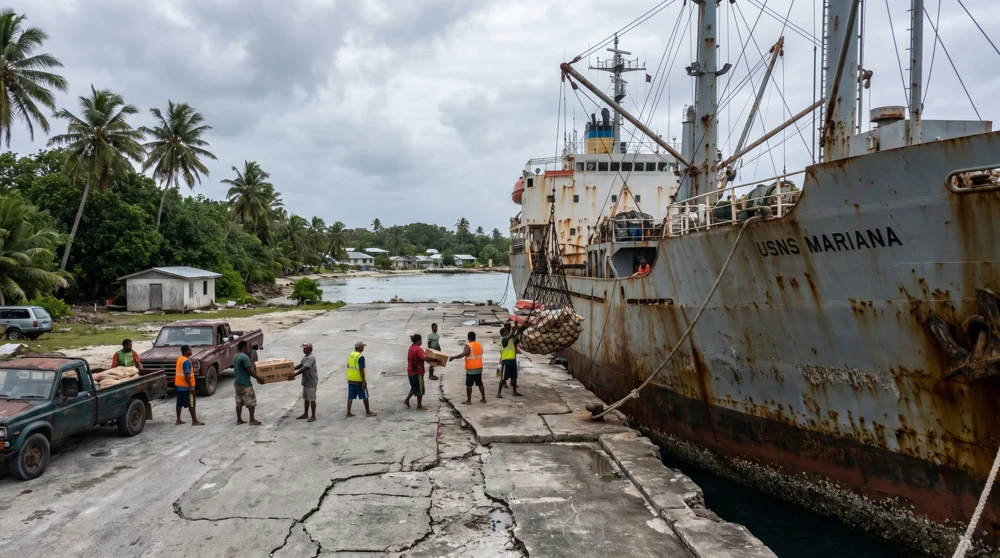
A full day at the conservation area is the centerpiece activity for most visitors to Tuvalu, but the island offers other experiences worth scheduling around it. The Tuvalu outer islands guide covers what is involved in reaching the atolls beyond Funafuti, which require inter-island ferry or flight connections. If this is your first visit and your itinerary is tight, the conservation area day trip is the single activity that most visitors say they would prioritize above all others.
Accommodation options on Funafuti are limited, and booking well ahead is essential. The where to stay in Tuvalu guide covers guesthouses and the main hotel, with notes on which properties have reliable staff contacts for conservation area booking assistance.
For travelers drawn to Tuvalu specifically because of its passport stamp status, the Tuvalu country collectors guide explains what the overall visa and entry experience looks like alongside the conservation area visit.