Booking a surf trip to Cape Verde without understanding the relentless Northeast trade winds is a quick way to spend a week watching kitesurfers instead of catching waves yourself. Timing your sessions and knowing exactly which side of the island to hit makes the difference between blown-out frustration and scoring empty, world-class Atlantic reef breaks.
- Prime surf season: November to March, consistent NW swells
- Water temperature: 21-26°C, boardshorts or a 2mm shorty suit
- Hazards: sharp volcanic reef, sea urchins, sudden offshore gusts
- Daily budget: €60-€80, includes basic accommodation, local meals, and board rental
- Inter-island travel: 20-minute flight (~€90) or a 2-hour ferry crossing (~€30)
Sal vs Boa Vista: Which Island Fits Your Surf Style?
Sal provides the infrastructure. Paved roads, well-equipped surf camps right on the beach, and a reliable post-surf scene in Santa Maria make the logistics effortless. It is the practical choice for quick access to rental gear, lively evenings, and a high density of consistent breaks within a short drive.
Boa Vista offers vast, untouched desert landscapes and 55 kilometers of raw coastline. The pace of life here drops significantly. Tourist infrastructure is minimal outside of Sal Rei. Choose Sal for convenience and variety; choose Boa Vista for absolute solitude, 4x4 dune access, and empty peaks.
Best Surf Spots in Sal
The west and south coasts hold the majority of the island's surfable waves, groomed by the offshore trade winds.
Ponta Preta (Advanced Reef Break)
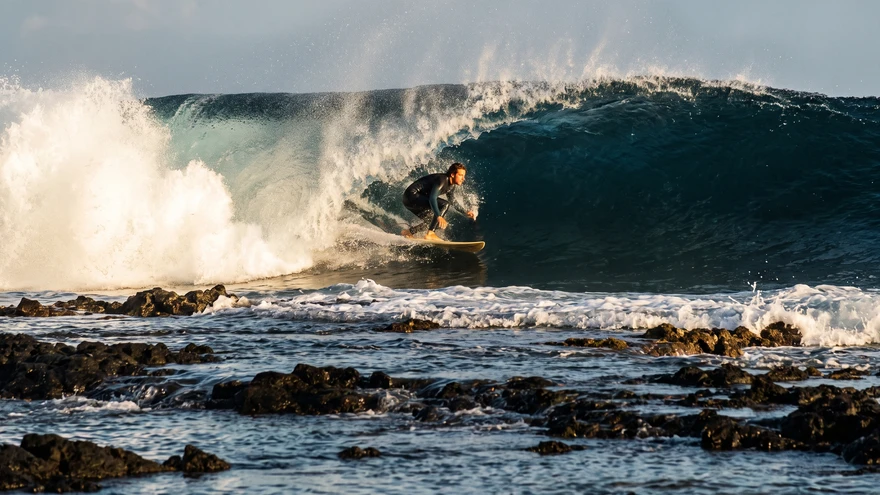
Ponta Preta carries legendary status across the Atlantic. A fast, hollow right-hander folds over a very shallow volcanic rock shelf. During peak winter swells, faces easily reach 3 meters.
This break strictly demands advanced technical ability. A mistimed takeoff here usually ends with a broken board or a trip to the local clinic to remove sea urchin spines.
Santa Maria & Fragata (Beginners & Intermediate)
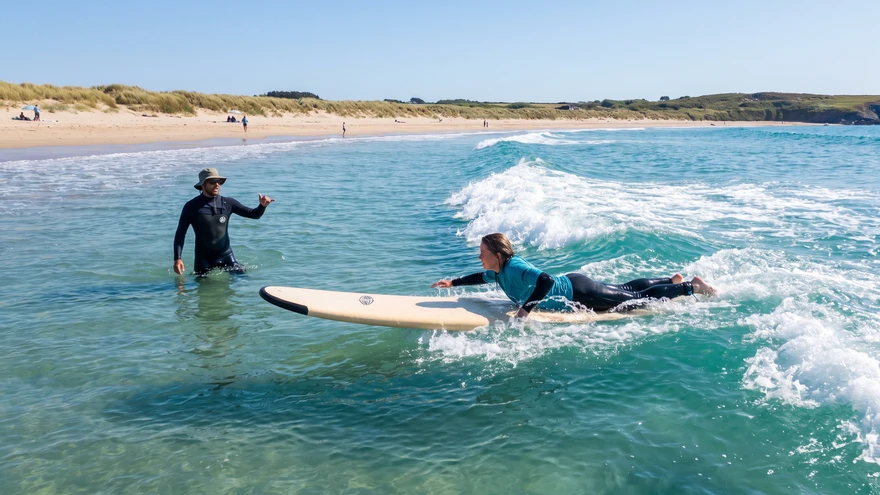
Santa Maria curves around a long, sandy bay, completely shielded from the worst of the northern winds. The waves are gentle, the bottom is soft sand, and the lineup is filled with local instructors pushing students into their first waves. Just a few minutes away, Fragata picks up more swell and works perfectly with East or Northeast winds, offering longer, punchier walls for intermediate surfers looking to step up their game.
Top Surf Spots in Boa Vista
Boa Vista takes the Atlantic energy and throws it against shifting sandbanks and isolated rocky points.
Praia de Chaves (Punchy Beach Breaks)
Located on the western coast, Praia de Chaves relies on side-offshore winds to hold up fast, clean walls. Swells consistently hit the 1.5 to 3-meter mark. The beach is long enough to spread out the lineup, offering multiple peaks. It is an excellent training ground for intermediate surfers wanting to practice technical maneuvers on steep sections.
Ponta Antonia & Varandinha (Wild & Uncrowded)
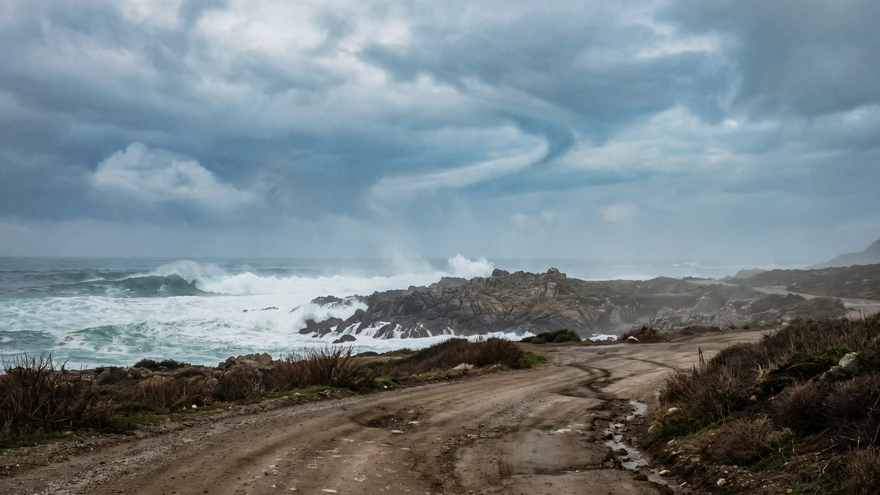
Ponta Antonia throws powerful, heavy tubes over a rocky seabed in the northeast. The dirt roads leading here act as a natural filter, keeping the crowds away. Varandinha, on the southwest coast, offers wild, shifting peaks flanked by coastal caves.
The currents at both spots are highly unpredictable. Surfing alone here is a terrible idea, as lifeguards are completely non-existent.
Best Surf Schools and Board Rentals
Lugging a surfboard across multiple international flights and domestic ferry transfers quickly becomes an expensive logistical nightmare. Local rental shops are well-stocked and highly affordable.
Santa Maria is the absolute hub for gear in Sal. Daily surfboard rentals hover between €15 and €20, with significant discounts for weekly hires. In Boa Vista, schools clustered around Sal Rei offer current-year equipment from top brands.
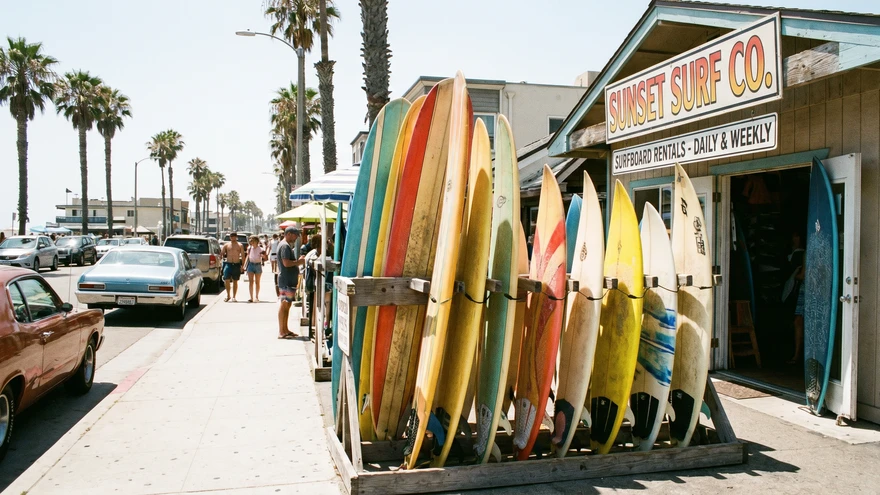
If you need a refresher, a supervised, two-hour group lesson generally runs between €30 and €40. Local instructors have the wind forecasts memorized and will prevent you from paddling out at the wrong tide. If you would rather skip the guesswork, you can Book a surf lesson ahead of time and lock in an instructor before you land.
Best Time to Visit Cape Verde for Surfing
The North Atlantic swell machine wakes up between November and March. This tight winter window delivers the most consistent, powerful groundswells to the archipelago, overlapping with the best time to visit Cabo Verde for drier, sunnier weather across the islands.
Summer months do see occasional south swells, but the trade winds become erratic and tear the face off the waves. Regardless of the month, early mornings dictate success. Hitting the water at first light guarantees the glassiest conditions before the mid-morning winds turn the lineup into a windsurfer's playground.
Travel Logistics: Ferries, Flights, and Getting Around
Navigating between Sal and Boa Vista requires flexibility, and the same island hopping routes used for sightseeing apply just as well to chasing swell. Domestic flights operated by Cabo Verde Airlines take just 20 minutes, costing around €90 for two passengers with luggage. They are fast but highly susceptible to wind-related delays.
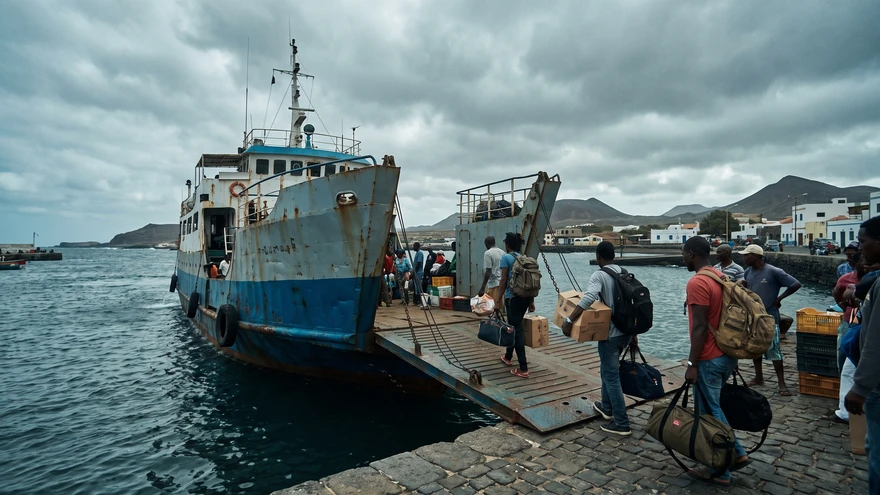
The CV Interilhas ferry serves as the budget alternative. A ticket costs roughly €30 per person for a two-hour crossing. Be prepared for rough seas.
On land, the local aluguers (shared open-back minivans) cost just a few euros for short hops between towns. However, they run on island time, not timetables. For striking out to isolated breaks like Ponta Preta or Varandinha, renting a 4x4 is non-negotiable. Expect to pay around €50 a day for a rugged vehicle capable of handling the volcanic dirt tracks, a cost worth folding into your overall Cabo Verde travel costs if you are budgeting the whole trip.