Arriving in Cabo Verde expecting a dirt-cheap African getaway or a flawless European-style transit system often leads to severe budget shocks at the airport gates. Balancing the stark cost difference between all-inclusive package hubs and rugged, independent islands requires a precise logistical blueprint before booking any tickets. This guide breaks down every major expense category with realistic current figures so you can plan your trip without surprise costs.
| Expense Category | Budget Traveler | Mid-Range Traveler | Premium / Resort Tier |
|---|---|---|---|
| Daily Spend (Excl. Flights) | €40 - €60 | €100 - €150 | €250+ |
| Accommodation (Per Night) | €20 - €35 (Guesthouse) | €50 - €90 (Boutique/AirBnB) | €180+ (All-Inclusive Resort) |
| Average Meal (Per Person) | €5 - €8 (Local café) | €15 - €25 (Tourist bistro) | Included / €40+ (Fine dining) |
| Inter-Island Transit | €20 - €30 (Ferry) | €70 - €120 (Internal Flight) | €120+ (Internal Flight) |
| Local Transport | €1 - €3 (Aluguer) | €10 - €15 (Private Taxi) | €50+ (Daily Car Rental) |
| Mandatory Fees | €31 (TSA Security Tax) | €31 (TSA Security Tax) | €31 + €2.50/night Tourist Tax |
Flights from Europe: Finding the Best Fares
Flight pricing to the archipelago depends heavily on your choice of entry hub and carrier type. Most international flights touch down at Amílcar Cabral International Airport in Sal or Nelson Mandela International Airport in Praia.
Low-Cost Carriers vs. Scheduled Flights
Budget airlines have transformed access to the islands, making winter departures from Europe highly competitive. EasyJet operates direct routes to Praia and Sal, often pricing one-way tickets between €80 and €150 during shoulder periods. TUI Fly and Transavia also offer seasonal charter flights from major European hubs like Amsterdam and Paris, providing affordable direct access to the beach resorts.
Legacy carriers like TAP Portugal or Royal Air Maroc offer reliable multi-city routing but require higher budgets. A standard round-trip ticket from Lisbon or Madrid averages €400 to €600, fluctuating based on seasonal demand. Booking at least 45 days in advance remains the most effective strategy to secure lower tiers on these scheduled routes.

Accommodation Costs by Island
Lodging infrastructure splits sharply between high-volume resort zones and authentic local communities. Your choice of island dictates your baseline nightly expenditure.
Resort Islands (Sal and Boa Vista)
Santa Maria Beach and Chaves Beach host massive, European-managed all-inclusive complexes. These properties demand upfront investments, with standard double rooms starting at €180 to €300 per night. While expensive, these packages eliminate separate dining and basic entertainment outlays from your daily tracking.
Independent apartments and self-catering units outside the resort gates offer alternative paths. Central Santa Maria features modern rentals starting near €50 per night. These options provide access to the beaches without the premium pricing of international hotel chains.
Independent Travel Islands (Santo Antão, Santiago, São Vicente)
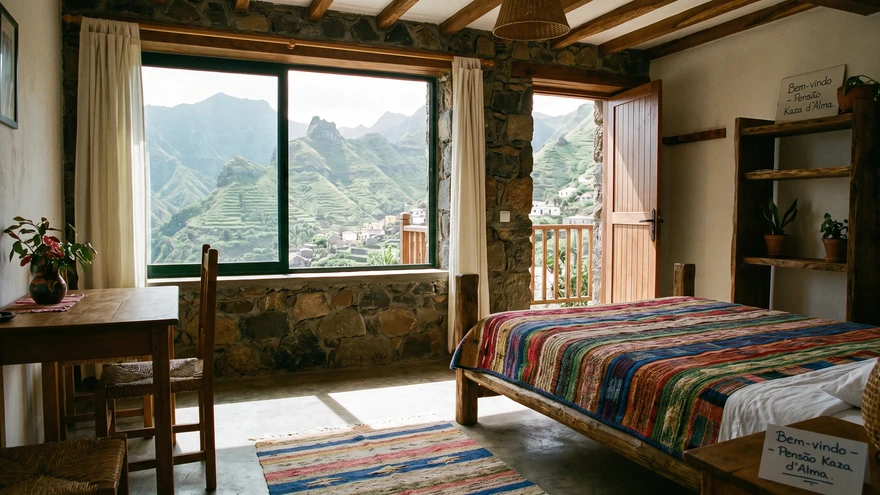
Active travel hubs reward independent exploration with significantly lower lodging rates. Traditional guesthouses, locally known as pensões, cost between €20 and €40 per night, typically including a fresh breakfast. If you plan your timing around the best time to visit Cabo Verde, you can also take advantage of lower shoulder-season rates on these islands.
| Island | Lodging Type | Average Nightly Rate | Best Suited For |
|---|---|---|---|
| Santiago (Tarrafal) | Local Guesthouse | €25 - €45 | Beach and Mountain Access |
| Santo Antão | Eco-Lodge / Pensão | €30 - €60 | Mountain Hiking |
| São Vicente (Mindelo) | Boutique Hotel | €45 - €85 | Cultural and Music Scene |
Staying in mountain villages like Ponta do Sol or historical districts in Mindelo keeps accommodation costs highly manageable. These regions rely on smaller, family-run operations rather than massive commercial hospitality infrastructure.
Food and Drink Prices
Import dependencies shape the culinary price landscape across the archipelago. Items produced locally offer exceptional value, while continental imports carry heavy premiums.
Local Eateries vs. Tourist Restaurants
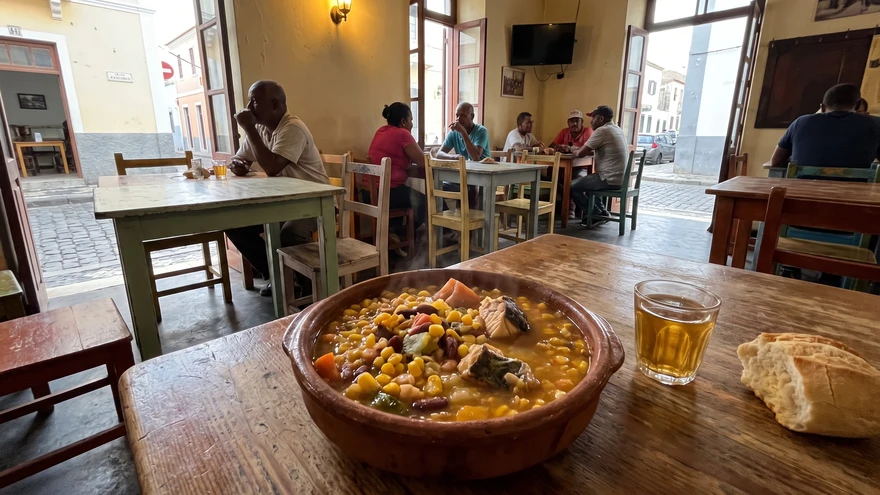
Opting for traditional, family-run establishments keeps your sustenance budget remarkably low. A hearty plate of Cachupa, the slow-cooked national corn and bean stew, costs roughly 300 to 500 Cape Verdean Escudos (€3 - €5) at neighborhood spots. Freshly caught Atlantic fish served with sweet potatoes reflects similar localized pricing.
| Item | Local Market / Café | Tourist Zone Restaurant |
|---|---|---|
| Traditional Cachupa | €3.00 | €8.50 |
| Grilled Fish Dinner | €6.00 | €14.00 |
| Local Beer (Strela 33cl) | €1.50 | €3.00 |
| Bottled Water (1.5L) | €0.70 | €2.00 |
| Espresso / Café Solo | €0.80 | €1.80 |
Dining in beachfront establishments targeted at international visitors increases costs immediately. Standard mains in these zones range from €12 to €22, excluding drinks. A mandatory 10% service charge frequently appears on bills in high-traffic tourist areas.
Inter-Island Transport Costs
Navigating an island nation requires careful planning, as geographic separation makes spontaneous island-hopping financially draining. For a deeper dive into logistics, see our guide to Cabo Verde island hopping.
Domestic Flights
Cabo Verde Airlines controls the domestic aviation network, linking major islands like Santiago, São Vicente, and Sal. One-way domestic tickets average €70 to €120 for a brief 30-to-45-minute flight.
Luggage restrictions are strictly enforced on these smaller aircraft, meaning hidden baggage fees can surface unexpectedly. Terminal transfers add separate costs, as municipal public transit rarely serves these airfields. Expect fixed airport taxi rates ranging from €10 to €15 for short hops into nearby urban centers.
Passenger Ferries
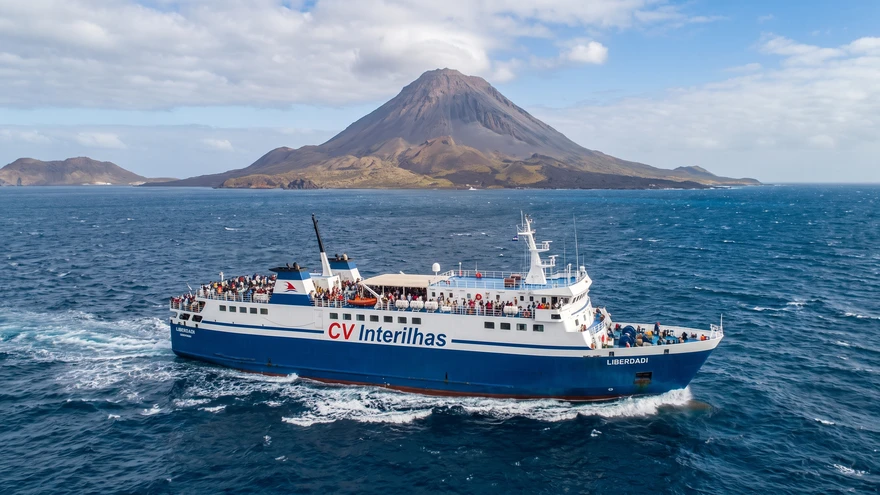
CV Interilhas provides a modern marine network connecting neighboring island groups. The ferry route between São Vicente and Santo Antão takes roughly one hour and costs approximately €11 per leg. Longer, open-ocean crossings between Santiago and Fogo take roughly 3.5 hours, with tickets priced near €30.
Maritime travel offers significant budget advantages over flying. Harbor terminals sit closer to local transport hubs, allowing you to bypass expensive airport taxi fees entirely.
Local Transportation: Taxis and Alugueres
Navigating individual islands requires choosing between highly regulated private vehicles or shared community transit.
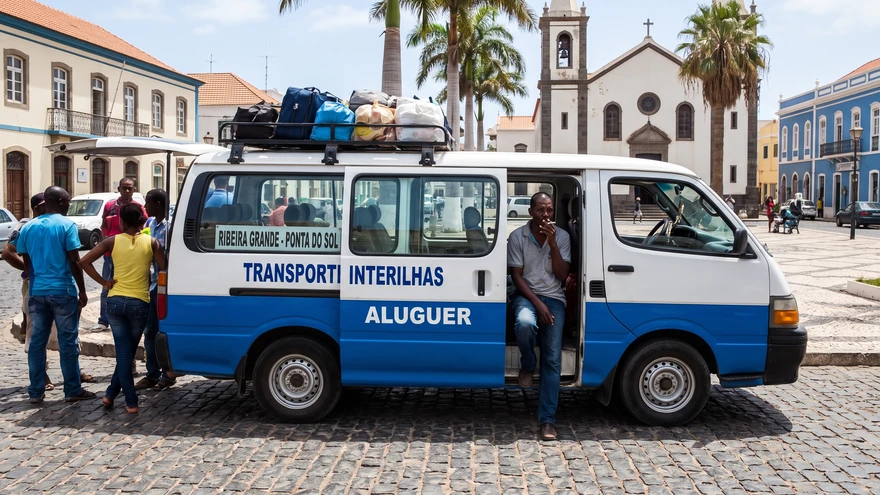
Shared minivans, locally called alugueres, represent the most affordable transit method across all major islands. These vehicles follow fixed routes between main towns and villages, departing when fully loaded. A two-hour journey from the capital city of Praia to the northern beach enclave of Tarrafal costs roughly 500 Escudos (€4.50).
Private taxis operate on fixed day and night rates rather than metered distances. Urban trips within Mindelo or Praia average €2 to €4 during daylight hours. Long-distance private excursions or remote trailhead drop-offs require clear negotiations and price confirmation before entering the vehicle.
Hidden Expenses to Factor In
Total vacation expenditures often inflate due to compliance fees and transactional charges that escape early planning spreadsheets.
Airport Security Tax and Tourist Visas
European passport holders enjoy visa-free entry for stays up to 30 days, but administrative entry compliance remains mandatory. For full details on entry documentation, review the Cabo Verde entry requirements before traveling.
All international arrivals must pay the mandatory Airport Security Tax (Taxa de Segurança Aeroportuária) of 3,400 Escudos (approximately €31). Completing this payment via the official government portal at least five days before departure secures entry through automated electronic gates.
Independent stays in municipal accommodations prompt a local tourist tax. Expect a flat fee of 275 Escudos (€2.50) per person, per night, capped at ten consecutive days. Resorts and guesthouses collect this fee directly upon check-in or checkout.
ATM Fees and Exchanging Euros to Escudos
The Cape Verdean Escudo maintains a fixed exchange rate tied directly to the Euro (€1 = 110.265 CVE). While upscale establishments in Sal accept physical Euro notes, they often apply disadvantageous 1:100 calculations, creating an artificial 10% premium on your purchases.
Local banking networks charge standard transaction fees for foreign card utilization. ATMs cap individual cash withdrawals at 20,000 Escudos (roughly €180) per transaction, accompanied by local bank fees. Utilizing multi-currency cards like Revolut or Wise minimizes international conversion margins, though physical cash remains vital for remote markets, rural aluguer rides, and neighborhood eateries.