Getting to the Forte Real de São Filipe without cash is a rookie mistake that leaves many visitors stranded at the gate, unable to pay the entrance fee. This UNESCO site requires a bit of logistical planning, especially since card payments are practically non-existent and the mid-day sun on the uphill trails is unforgiving.
- Distance from Praia: ~15 km, about a 20 to 30 minute drive
- Fortress entrance fee: 500 CVE (€5), cash only in practice
- Lower town sites (Rua Banana, Pillory): open-air and free to explore
- Time needed: 2 to 3 hours for a complete visit
- Facilities: restrooms and a small bar near the fortress stairs
What to Expect at Cabo Verde's First Capital
Cidade Velha holds heavy historical weight as the first European colonial outpost in the tropics and a major hub for the transatlantic slave trade. The town, originally named Ribeira Grande, sits quietly by the ocean today, entirely different from its turbulent past. You won't find highly curated museum exhibits with extensive English translations here.
Instead, history reveals itself in the ruins of the Sé Catedral, the cobblestones of Rua Banana, and the imposing fortress overlooking the valley. Repeated pirate raids, including an assault led by Francis Drake, eventually pushed the Portuguese to move the capital to Praia in 1770, and Cidade Velha faded into the sleepy fishing town you see today. Walking these streets means navigating uneven terrain and steep inclines, and information boards are scarce and mostly in Portuguese, which makes the local guides at the fortress genuinely valuable for understanding the ruins.
Things to Do in Cidade Velha
Forte Real de São Filipe (The Fortress)
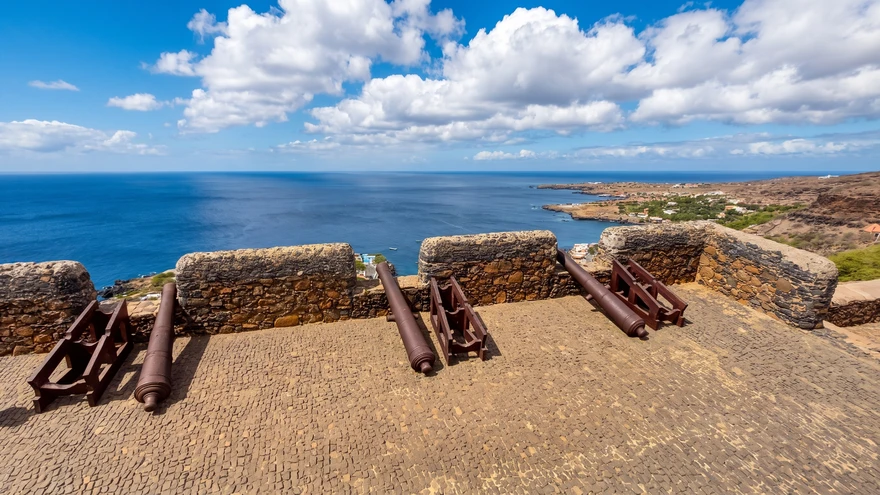
Towering 120 meters above sea level, this 16th-century fortress was built between 1587 and 1593 to defend against pirate attacks, including those led by Francis Drake. The entrance ticket is sold at a cave-like opening near the parking area, right before you enter the main grounds. Paying 500 CVE (€5) gets you a brief introduction from the on-site guides, often highly knowledgeable locals like Bruno or Alex, who explain the complex history of the military defense and the slave trade.
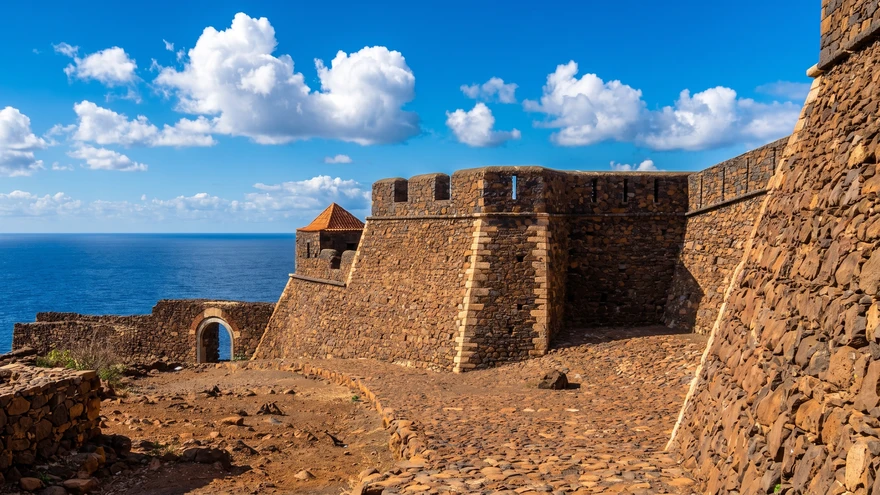
Make sure to walk around the left side of the fortress exterior. The right side faces a steep cliff, but the left opens up to a sweeping, unobstructed view of the town and the ocean below. Even if you arrive late and the inner gates are locked for the night, walking the outer perimeter still provides breathtaking vantage points.
Rua Banana and Nossa Senhora do Rosário Church
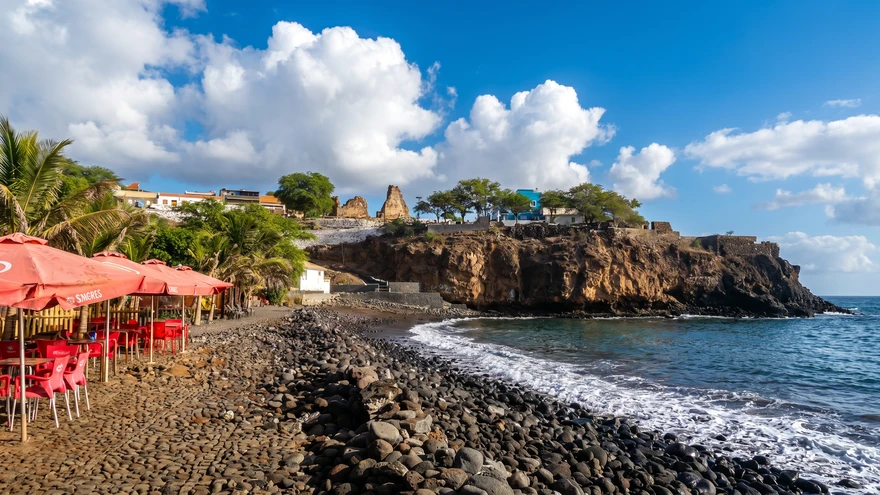
Down in the main town, Rua Banana holds the title of the first street urbanized by the Portuguese in the tropics. The traditional stone houses lining the narrow, paved path look almost frozen in time, creating a highly photogenic route.
At the end of this picturesque street sits the Nossa Senhora do Rosário Church. Built in 1495 in the Manueline Gothic style, it remains the oldest colonial church in the world. Access here is free, and the temperature drops noticeably once you step inside the thick, shaded stone walls.
Pelourinho (The Pillory) and Sé Catedral Ruins
The Pelourinho is a striking white marble pillar in the center of town, serving as a stark reminder of the island's grim past where enslaved people were auctioned and punished. It sits right by the water, surrounded by local life.
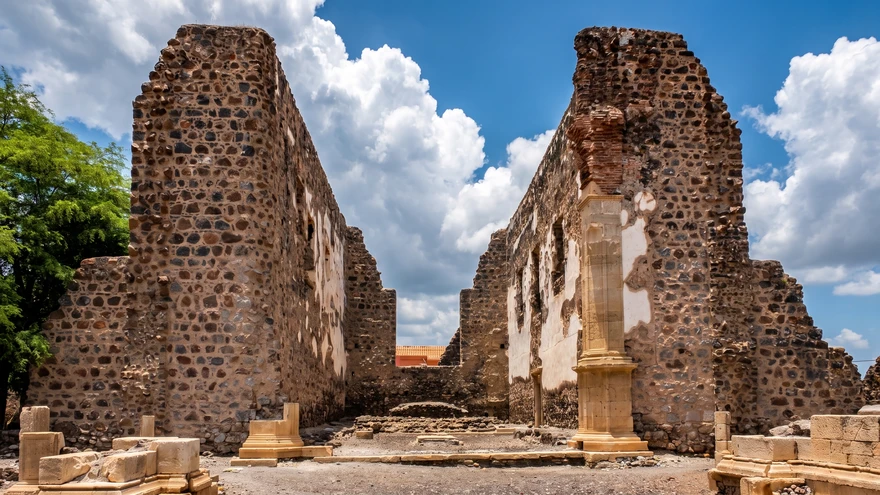
Just a short walk away, the massive ruins of the Sé Catedral stand against the skyline. It took over a century to build, only to be heavily damaged by pirates in 1712. From these cathedral ruins, a well-marked uphill path leads directly to the fortress. It takes about 15 to 20 minutes to hike up, but the incline is demanding, so pace yourself.
How to Get to Cidade Velha from Praia
Taking an Aluguer (Local Minibus)
The most budget-friendly way to cover the 15 kilometers from Praia is catching an aluguer. These shared minivans leave when full, usually departing from the Sucupira Market area in Praia, for a small flat fare paid in cash. They drop you right in the center of the lower town. From there, you can explore Rua Banana and the Pillory first, then hike up the 15-minute trail from the Cathedral to the fortress.
If you have an hour to spare before or after your visit, budget some time for Praia's own Museu Etnográfico, which fills in context on Cape Verdean creole identity that the fortress ruins only hint at.
Driving or Taking a Taxi
Hiring a private taxi from Praia gives you the flexibility to go directly to the Forte Real de São Filipe parking lot, saving you the steep uphill walk. Expect to negotiate a flat rate for the round trip, which usually includes the driver waiting for an hour or two while you explore. The road from the capital is fully paved and offers scenic coastal views, making it a very straightforward 20-minute drive.
Practical Tips for Your Visit
Cash, Tickets, and Guided Tours
The ticket counter at the fortress strictly operates on a cash-only basis in practice. Keep small bills or coins handy, as card machines are unavailable. While the 500 CVE (€5) covers the fortress entry and the local guided tour inside, all the other UNESCO monuments down in the valley operate without tickets. Be aware that the fortress is occasionally closed on weekends, so aim for a weekday morning visit to guarantee entry to the inner courtyards and cisterns.
If you'd rather skip the logistics altogether, you can Book a guided Cidade Velha day trip that bundles transport, the fortress ticket, and an English-speaking guide into one price.
What to Bring
The layout of the historical sites offers very little natural shade. A wide-brimmed hat, strong sunscreen, and a large bottle of water are absolute necessities. You can buy cold drinks at a small bar halfway up the stairs to the fort, but carrying your own water from Praia ensures you stay hydrated during the hike. Wear sturdy walking shoes, since the cobblestones and dirt paths easily tire out the feet if you are wearing flip-flops.
History buffs staying longer on Santiago often pair this trip with the sobering displays at Tarrafal's former concentration camp in the island's north, another layer of the archipelago's colonial past.