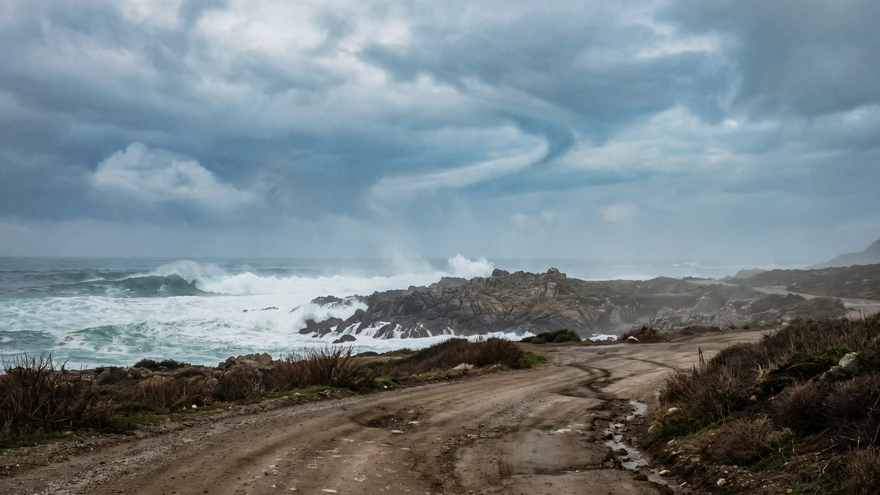
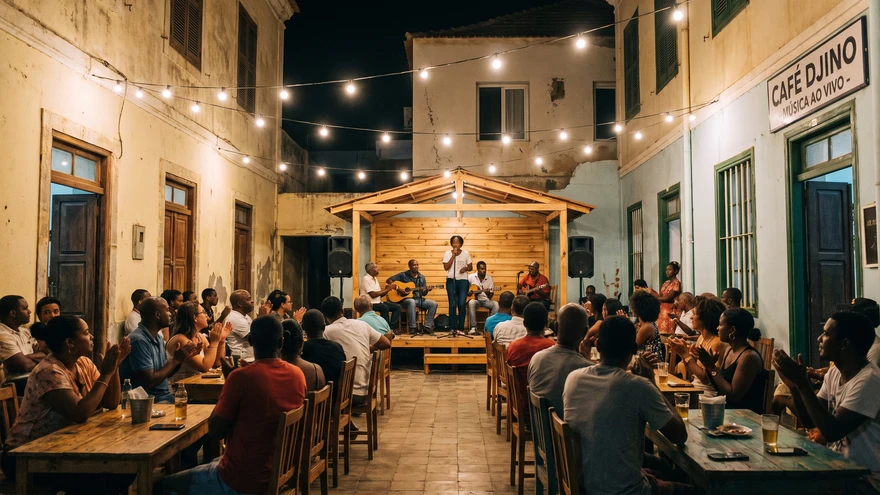
Booking a winter escape to Cabo Verde under the assumption that the weather is identical across all islands is a fast track to a ruined holiday. The archipelago offers year-round sun, but intense Atlantic trade winds and drastic microclimates mean a sunny January day on Sal can feel quite chilly on the beach. Pinpointing the exact month for your trip depends entirely on whether you want to hike volcanic craters, kitesurf, or simply swim in calm waters.
- Peak Tourist Season: November to March - highest prices, extremely windy on flat islands
- Best Beach Weather: May to July - wind drops completely, ocean temperatures rise
- Kitesurfing Season: January to April - consistent, strong trade winds hit Sal and Boa Vista
- Rainy Season: August to October - short, heavy tropical downpours, high humidity
- Flight Delay Risk: December to February - Bruma Seca (Saharan sandstorms) can ground local flights
The Short Answer: When Should You Go?
If you want the perfect balance of warm water, calm breezes, and reasonable accommodation prices, target the shoulder season from May to early July. The winter crowds have left, and the heavy trade winds have died down.
For nature lovers and hikers, October to December is unbeatable. The short rainy season has just finished, leaving the normally arid mountainous islands brilliantly green and clear of the winter dust storms. You can book tours and guided hikes to similar tropical island destinations if you want to compare options - but Cabo Verde's post-rain green season is genuinely unique.
Dry Season vs. Rainy Season in Cabo Verde
Cabo Verde does not experience four traditional seasons. The climate operates on a split between the dry, windy months and a brief, humid rainy season.
Peak Season (November to April): Winter Sun and High Winds
This is the busiest and most expensive time to fly to the archipelago. Northern Europeans flock here to escape the winter, pushing hotel rates to their maximum. Temperatures sit comfortably around 25°C.
However, this period is dominated by the Tempo das Brisas (windy season). Strong winds blow constantly across the flat eastern islands. While the air temperature is warm, getting out of the ocean into a 25-knot wind will make you shiver. Pack a light jacket for the evenings.
Shoulder Season (May to June): Perfect Balance and Lower Prices
The heavy winter winds drop off significantly by late April. The ocean absorbs the summer heat, making swimming far more comfortable for casual beachgoers. Hotel prices also drop by around 20% compared to the Christmas rush.
Visibility in the water peaks during these months. If you plan to scuba dive or snorkel around the shipwrecks of Boa Vista, this is the safest and clearest window. Get travel insurance before you go - medical evacuation from remote islands is expensive.
Rainy Season (August to October): Tropical Showers and Green Mountains
Do not let the term "rainy season" scare you away. Cabo Verde is technically a desert archipelago, so the rain comes in intense, short, tropical downpours rather than days of endless drizzle. September is the hottest and wettest month, with temperatures pushing 30°C.
The moisture transforms the usually barren landscapes of Santiago and Santo Antão into lush, green environments. Hiking trails become much more scenic, though you must stay aware of potential flash floods in the deep valleys. Hotel prices drop 30 to 50% during this period, making it the best window for budget travelers. This is similar to the off-season savings you find when visiting other island destinations in the Atlantic region.
Best Time by Travel Style and Activity
Your itinerary dictates your calendar. The islands cater to wildly different crowds depending on the month.
Kitesurfing and Windsurfing (Sal and Boa Vista)
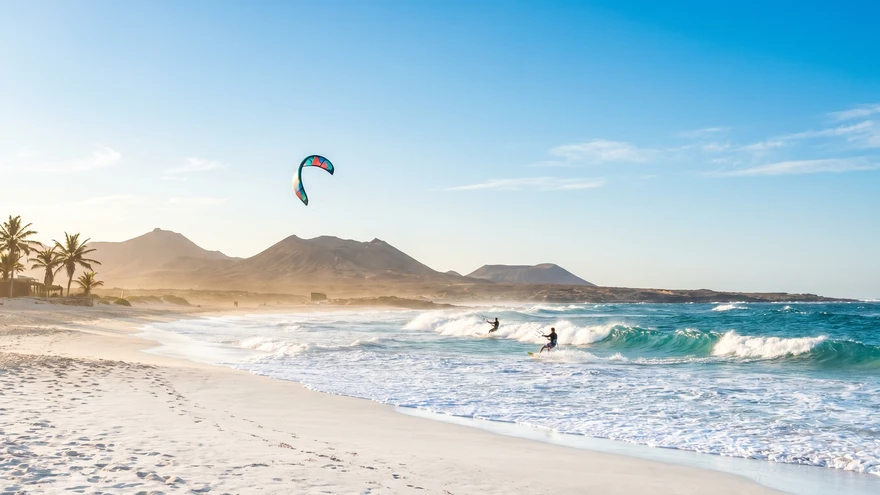
If you are bringing a board, January through April is your primary window. The steady northeast trade winds blow at 15 to 25 knots almost daily. Kite Beach on Sal becomes a global hub for the sport during this time. Rent a car in Cabo Verde to reach the best launch spots across both islands. The water is choppy, so casual swimmers should stick to hotel pools.
Hiking and Nature (Santo Antão and Fogo)
Trekking up the 2,829-meter Pico do Fogo volcano requires clear skies and moderate temperatures. January to March provides the coolest air for intense physical exertion.
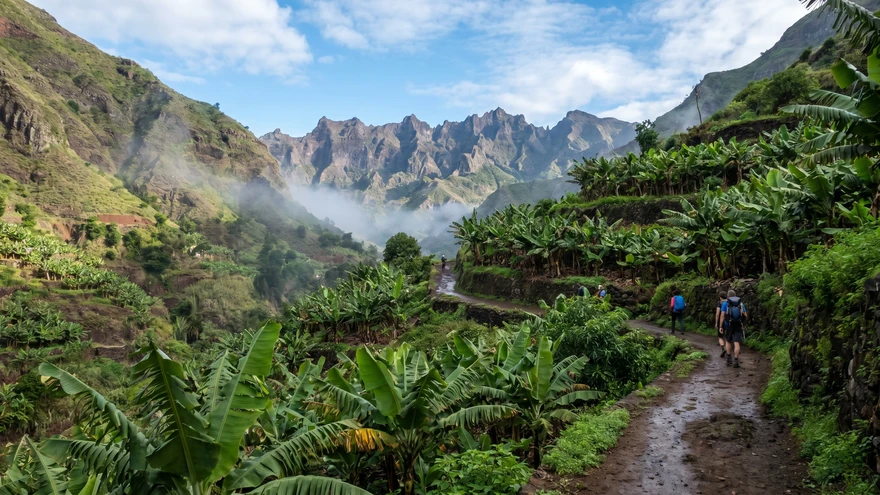
If you prefer to hike through green banana plantations and dense valleys on Santo Antão, wait until late October or November, right after the rains finish. The trails are lush, the air is fresh, and you will share the paths with far fewer tourists than during the peak winter season.
Turtle Watching and Whale Sightings
Cabo Verde is the third-largest nesting site for Loggerhead turtles in the world. To see them laying eggs on the beaches of Boa Vista and Sal, you must visit between July and October. Peak nesting activity peaks in August.
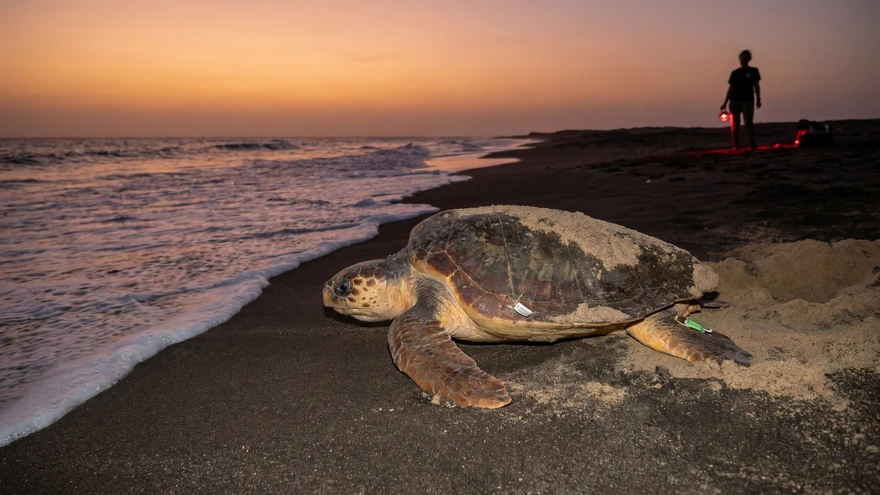
If whale watching is on your list, Humpback whales migrate past Boa Vista from March through May. Many operators offer guided excursions during this window, and combining it with the end of kitesurfing season makes March a genuinely versatile month for most traveler types.
Beware of the Bruma Seca: How Sandstorms Affect Flights
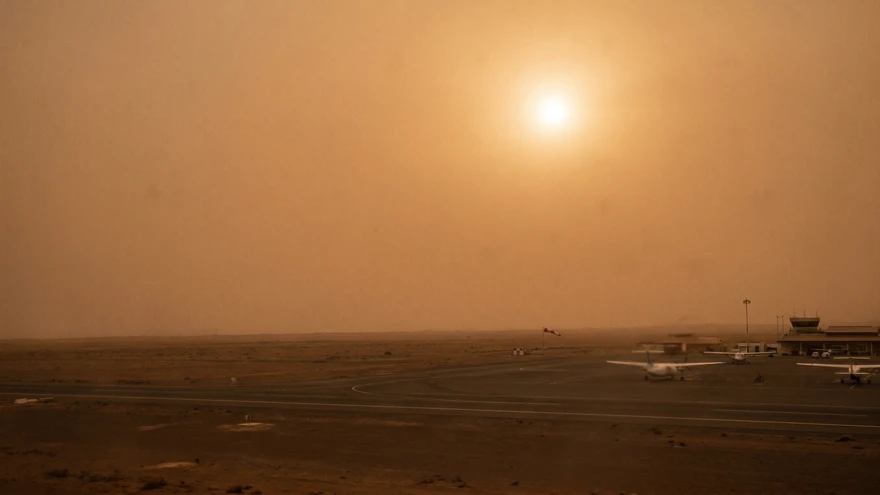
Between December and February, the Harmattan wind blows fine sand directly from the Sahara Desert across the islands. Locals call this the Bruma Seca (dry haze).
This is not just a nuisance that blocks the sun - it is a major logistical hazard. The dust drastically reduces visibility, frequently forcing airlines to ground domestic inter-island flights for days at a time. If you are island-hopping during these months, never book a domestic flight on the same day as your international departure. Always leave a 48-hour buffer in the capital, Praia, or on Sal to avoid missing your flight home. Careful planning around Bruma Seca is as important as hurricane season awareness when timing a Caribbean island trip.
Island-by-Island Climate Differences
Geographic elevation completely alters the weather on these islands.
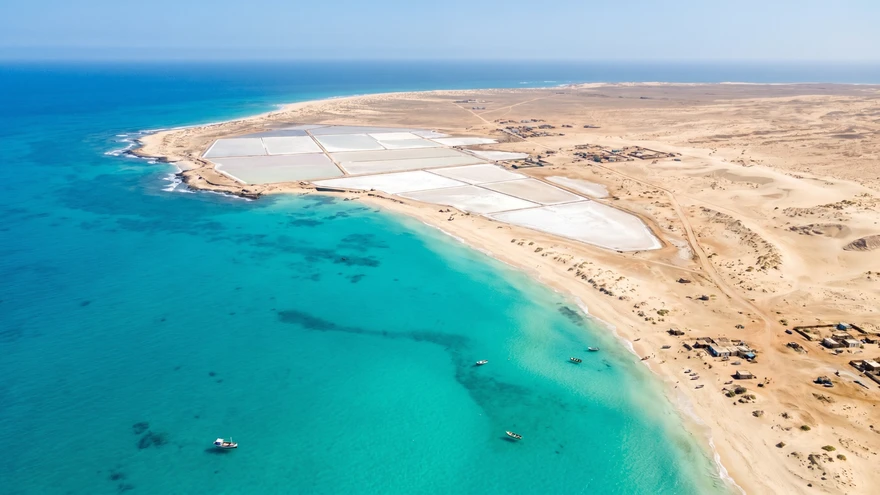
Eastern Flat Islands: Sal, Boa Vista, and Maio
The eastern islands are entirely flat. They act as wind tunnels, receiving almost zero rain year-round but taking the full force of the Atlantic winds. Sal and Boa Vista are ideal for beach holidays and water sports but can feel relentlessly breezy during the peak season.
Western Mountainous Islands: Santiago, Fogo, and Santo Antão
The western islands feature massive mountain ranges. These peaks trap clouds and moisture, creating distinct microclimates. The coastlines remain hot and dry, but driving 40 minutes up into the mountains can drop the temperature by 10 degrees. You will need a sweater at altitude, even in August. The rainy season transforms these islands into something completely different from their sun-baked eastern counterparts.
When Is the Cheapest Time to Visit Cabo Verde?
August to October consistently offers the lowest flight and hotel prices across the archipelago. This aligns with the rainy season, but as covered above, the rain rarely disrupts travel in any meaningful way on the flat islands. A secondary budget window opens in May and June, when the peak-season crowds have gone and the winds are calm.
This is arguably the best value period overall, combining comfortable conditions with lower rates. For tips on timing your booking to get the best deal, the general advice about cheapest booking windows for all-inclusive packages can apply to Cabo Verde resorts as well.