Cabo Verde is ten islands scattered across the Atlantic, and choosing where to base yourself shapes every other decision you make. Inter-island flights are infrequent and ferry routes only link a handful of destinations reliably, so picking the right island first is more important than picking the right hotel.
- Best for: Beach resorts (Sal, Boa Vista), culture and music (Sao Vicente), hiking (Santo Antao), history (Santiago)
- Budget range: From around EUR 20/night for guesthouses to EUR 400+/night for all-inclusive resorts
- Peak season: December to January and July to August (book well ahead)
- Tourist tax: EUR 2.50 per person per night, collected at check-in, capped at 10 nights
- Pre-entry: Complete the EASE form and pay the Airport Security Tax (around EUR 31) before arrival at ease.gov.cv
- Inter-island transport: Daily ferry between Sao Vicente and Santo Antao; flights needed for most other island pairs
Sal and Boa Vista: All-Inclusive Resorts and White-Sand Beaches
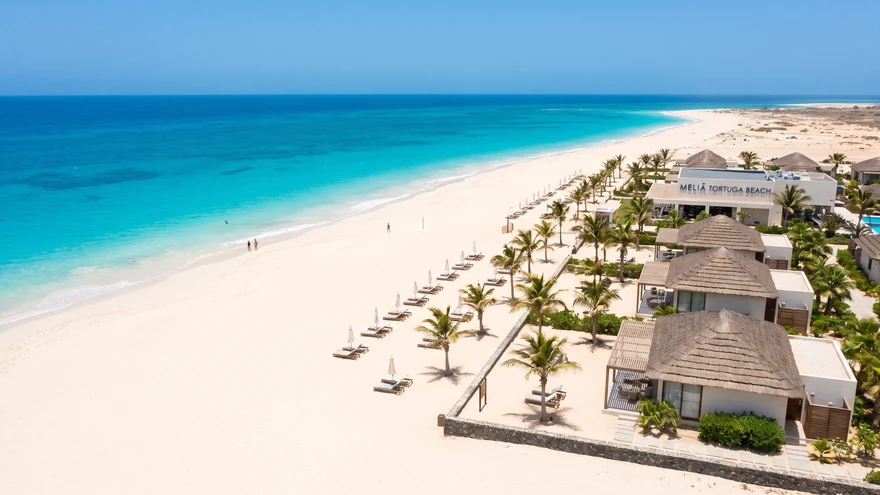
Sal and Boa Vista are the twin pillars of Cabo Verde's resort industry. Search hotels in Cabo Verde on Booking.com and the majority of results will be concentrated on these two flat, sun-baked islands.
Santa Maria on Sal is the most developed tourism hub in the country. The main beach strip runs along Praia de Santa Maria, lined with restaurants, kite-surf schools, and international hotels. The RIU Karamboa and Melia Tortuga Beach anchor the luxury end, with all-inclusive rates typically ranging from EUR 150 to EUR 400 per night. Mid-range options in town run closer to EUR 60 to EUR 100 per night.
Sal Rei on Boa Vista offers a slower pace. The island's dunes and unbroken coastline draw travelers who want the beach resort experience without the crowds. Properties like Spinguera Ecolodge integrate into the desert landscape and keep things genuinely quiet. VOI and RIU properties on Boa Vista also offer all-inclusive packages similar to Sal's pricing.
Both islands suit families, couples on a sun holiday, and first-time visitors who want reliable infrastructure. Neither is the right base for anyone seeking authentic local culture.
Sao Vicente (Mindelo): Culture, Music, and Boutique Hotels
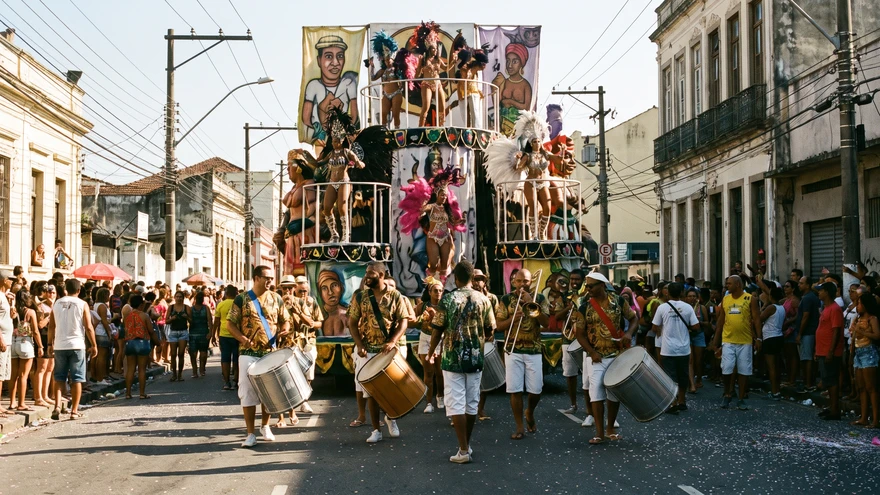
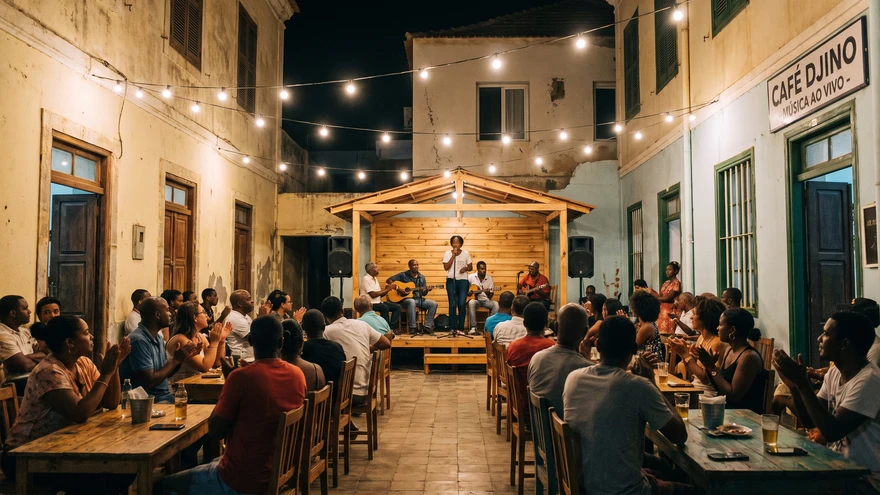
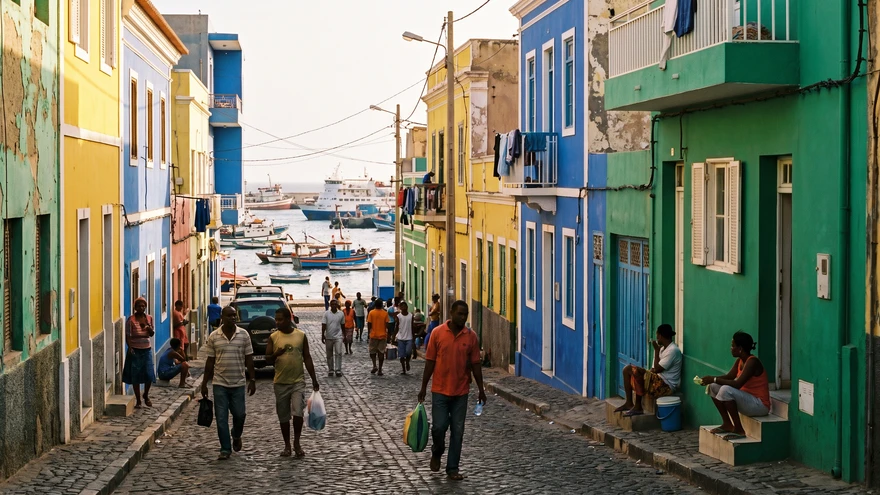
Mindelo is the cultural capital of Cabo Verde and the birthplace of the legendary singer Cesaria Evora. The city runs on live morna music, cobblestone alleys, colonial architecture, and a fish market that is loud and entirely real. This is where Cabo Verde's creative class lives.
Boutique hotels and guesthouses dominate here. Casa da Djedja sits a short walk from Praia da Laginha with a private garden. Four Points by Sheraton Sao Vicente Resort is the premium option directly on the water. Budget travelers use Urban Hostel Mindelo, placed right in the cultural center, with dorm beds alongside private rooms. Nightly rates for mid-range guesthouses in Mindelo generally fall between EUR 40 and EUR 90.
Sao Vicente has no international airport, so you arrive via Cesaria Evora Airport and are already on the island. The ferry to Santo Antao departs from Mindelo's port and runs daily - making Mindelo an excellent hub for combining culture with the hiking routes across the water.
For more on planning your time across multiple islands, see Cabo Verde Island Hopping: Flight & Ferry Logistics.
Santo Antao: Hiking Trails and Valley Guesthouses
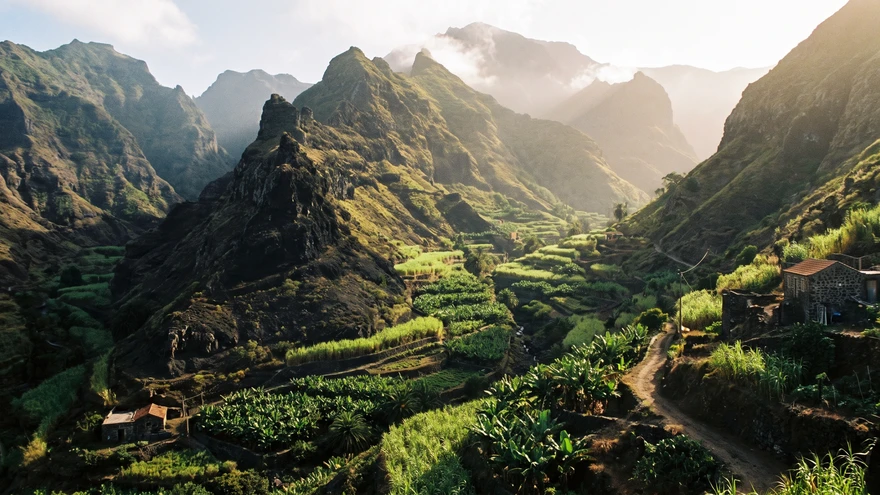
Santo Antao has no functioning airport. You reach it by a one-hour ferry from Mindelo, which sets the tone: this island is for people who came specifically to hike. The northern valleys, particularly Paul Valley and Ribeira Grande, are some of the most dramatic landscapes in the Atlantic - terraced banana plantations, volcanic ridges, and narrow trails carved into cliff faces.
Oasis Paul Residencial sits directly in the valley with unobstructed mountain views from the balconies. Kasa Tabuga in Porto-Novo (where the ferry docks) is the practical choice for early departures. Faja Beach House in the remote Faja area offers isolation for dedicated hikers who want nothing except trails and the ocean.
Prices here are the most affordable in the islands - guesthouses typically charge EUR 20 to EUR 50 per night. Book ahead during the busy November to March hiking season, as good properties fill up quickly.
Santiago: History, Capital Life, and the UNESCO Ruins
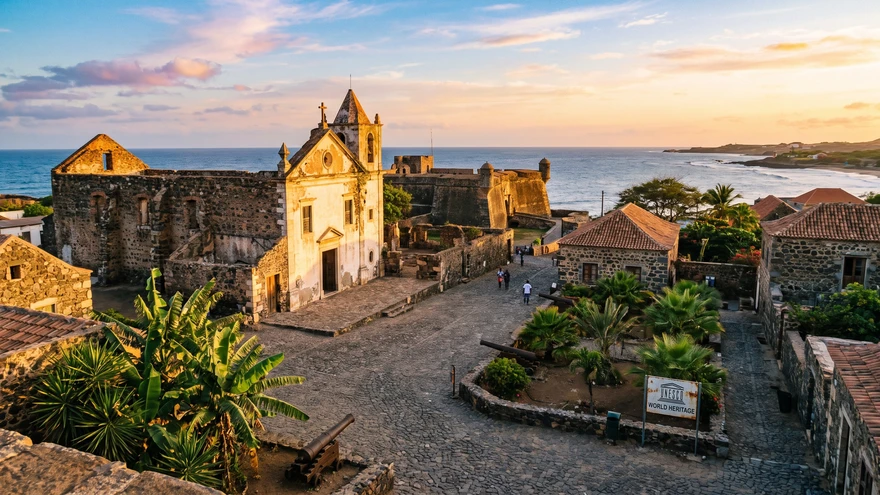
Santiago is the largest island and home to Praia, the national capital. The atmosphere is distinctly West African - markets are real, traffic is chaotic, and nobody is performing for tourists. A short drive from Praia brings you to Cidade Velha, a UNESCO World Heritage site with the ruins of the oldest Portuguese colonial settlement in the tropics.
Barcelo Praia Cape Verde is the high-end choice near Praia de Prainha with sea views and on-site dining. Casa Jardim di Sol is a comfortable mid-range base near the university district. Palmira House in Cidade Velha places you within walking distance of the ruins with an outdoor pool. Mid-range hotels in Praia and Assomada generally run EUR 45 to EUR 90 per night.
Santiago also has the most practical flight connections domestically, making it a sensible starting or ending point for multi-island itineraries. For dive sites across the archipelago, see Scuba Diving in Cabo Verde: Sal, Boa Vista, and Wreck Dive Sites.
Transport Logistics: How Ferry and Flight Schedules Dictate Your Itinerary
The most common planning mistake is booking too many islands without accounting for transport. The ferry between Mindelo (Sao Vicente) and Porto-Novo (Santo Antao) is the one route that runs reliably and daily - pair these two islands without hesitation.
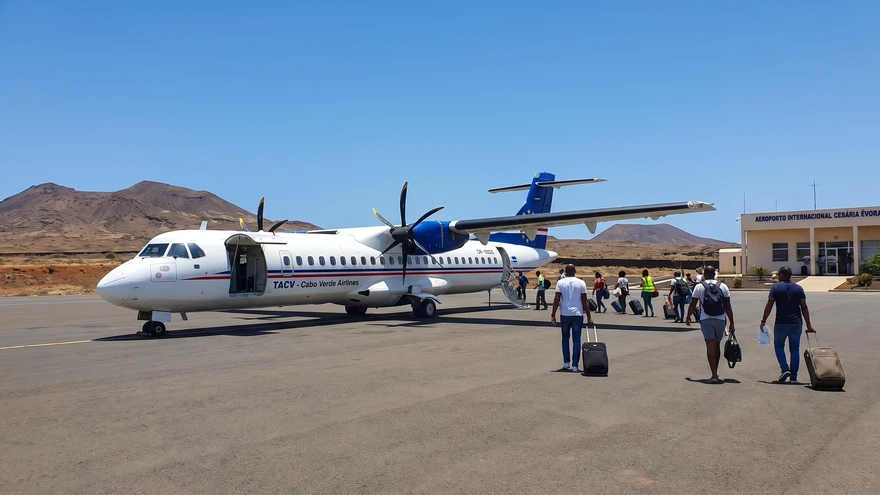
Domestic flights between other islands are operated by Bestflight (TICV) on small turboprops. Seats are limited and sell out weeks ahead during peak periods. Book flights the moment you lock in your hotel dates, not after. Attempting a same-day hop between distant islands like Fogo and Brava is not practically achievable given ferry timing.
A logical itinerary pairs Sal or Boa Vista (beach resort base) with either Sao Vicente + Santo Antao (culture + hiking) or Santiago (history + city life). Trying to cover all four in under two weeks will mean spending a significant portion of your time in transit.
For entry requirements and the EASE form process, see Cabo Verde Entry Requirements: EASE Form and Visa Application. For safety considerations by area, see Is Cabo Verde Safe?.