Yes, Cabo Verde is generally safe for tourists - but it is not without risks. The archipelago sits at Level 1 (Exercise Normal Precautions) according to the US State Department as of December 2025, and the UK FCDO classifies overall crime as low. That said, petty crime in Praia has escalated, a major gastrointestinal outbreak has affected over 1,000 tourists since 2022, and ocean currents kill swimmers every year. Understanding the specific threats on each island makes the difference between a smooth trip and a medical evacuation.
- Emergency Contacts: Police: 132 | Medical: 130 | Fire: 131
- Tap Water: Contaminated on all islands. Drink sealed bottled water only - including for brushing teeth.
- Active Health Warning (2026): ECDC and UKHSA confirm ongoing Shigella and Salmonella clusters among resort tourists on Sal and Boa Vista. Risk level: moderate.
- High-Risk Zones: Sucupira Market (Praia), unlit hillside stairways (Santiago), deserted tracks to Santa Monica Beach (Boa Vista).
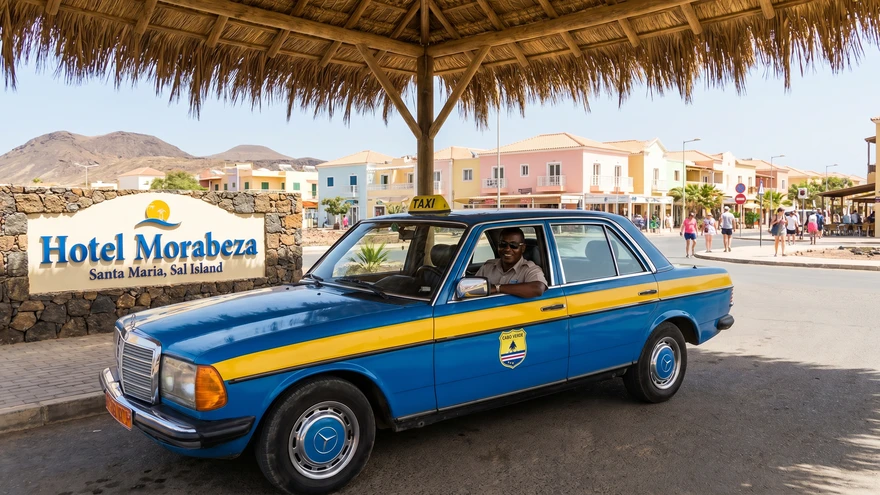
- Authorized Taxis: Blue-and-yellow stripes on Sal and Boa Vista; tan or cream on all other islands.
Crime Rates and Tourist Safety in Cabo Verde
The US State Department's December 2025 advisory confirms that Praia - the capital - carries Level 2 (Exercise Increased Caution) within an otherwise Level 1 country. Petty theft, bag snatching, and muggings are the dominant concerns, with groups of males aged 14-25 operating in coordinated networks at markets and public squares.
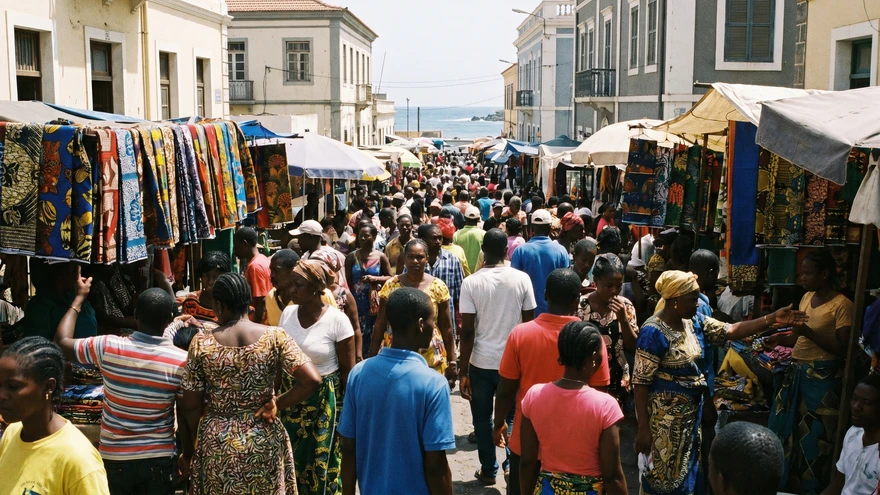
Street children are frequently used as distractions while accomplices steal exposed phones, cameras, and bags. Looking visibly affluent makes you an immediate target in busy areas. The UK FCDO notes that sexual assaults are rare but have been reported.
Outside Praia, the resort islands of Sal and Boa Vista feel markedly calmer, though tourism growth has brought a rise in opportunistic theft even there. The remaining islands - São Vicente, Santo Antão, Fogo - see very little tourist-facing crime.
Areas to Avoid in Santiago and Praia
Praia requires a heightened level of vigilance, particularly after dark. The sprawling Sucupira Market is the primary hotspot for coordinated pickpocketing - avoid carrying anything you cannot afford to lose. Hillside stairways connecting neighborhoods in Praia are explicitly flagged by the State Department as ambush points, even during daylight hours. If you need to move between levels, take a taxi.
Power outages are frequent across the capital, and entire neighborhoods can go dark within seconds. Never walk alone through unlit urban areas after sunset. Arrange transport through your accommodation.
Praia de Portinho, a small cove beach near Cidade Velha, deserves a specific warning. The beach itself is scenic and swimmable, but the surrounding neighborhood carries a genuine risk of armed robbery, with repeated, independent reports of visitors being confronted or chased by people carrying knives or improvised weapons. The road in is rough enough that a wrong turn leaves you stranded with no cell reception, and the beach is often deserted, meaning no one is around if something goes wrong. If you go at all, go with a local guide or a group, never alone or as a lone female traveler, and treat any local advice to leave immediately as reason enough to do so.
Safety on Resort Islands: Sal and Boa Vista
The atmosphere on Sal and Boa Vista differs significantly from the capital - open beach resorts, wider streets, and visible tourism infrastructure create a safer feel. However, daytime robberies have been reported along isolated dirt tracks leading to Santa Monica Beach on Boa Vista. Stick to main roads, leave your passport in the hotel safe, and carry only enough cash for the day.
Solo Travel and Night Security
Traveling solo in Cabo Verde is manageable with firm precautions. Local interactions are generally warm, but solo travelers - particularly women - often face persistent verbal attention and unsolicited advances, especially in Santiago. A direct, polite refusal usually works. In resort areas on Sal and Boa Vista, the dynamic is considerably more relaxed.
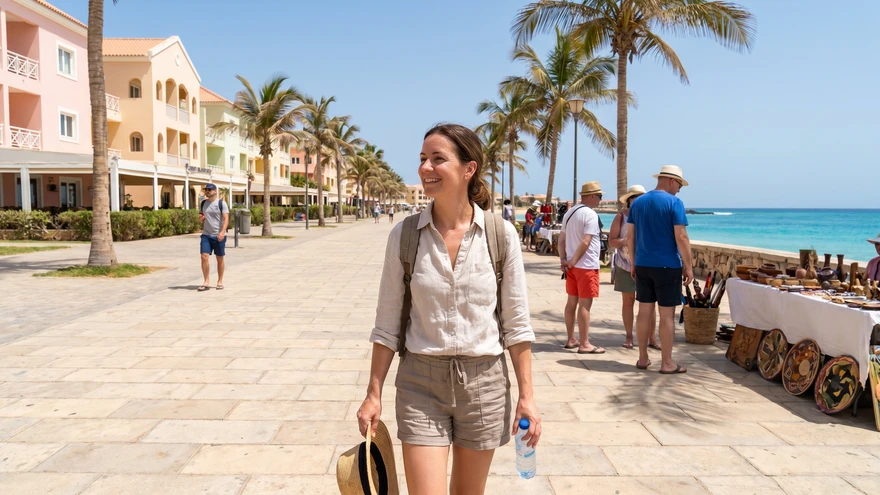
Night travel through unlit streets or along deserted coastlines carries the highest risk on any island. Always arrange a trusted taxi through your hotel if you plan to go out after dark.
Health Risks: Shigella, Salmonella, and Water Hygiene
This is arguably the most urgent safety concern in Cabo Verde right now. Between September 2022 and March 2026, over 766 confirmed shigellosis cases were reported across 15 countries among travelers returning from Cabo Verde - with the ECDC identifying the Santa Maria region of Sal as the primary source, linked to a specific hotel chain. An additional 300+ gastrointestinal cases from Salmonella and Campylobacter clusters have been confirmed since October 2025.
The ECDC's current risk assessment (March 2026): the likelihood of contracting Shigella or similar gastrointestinal infections on Sal is moderate, and the source has not yet been identified. The outbreak is ongoing.
Shigella causes severe dehydration, bloody diarrhea, stomach cramps, and high fever. Medical infrastructure across the islands is basic - reliable hospitals exist only in Praia and Mindelo. If symptoms develop on a smaller island, evacuation is likely.
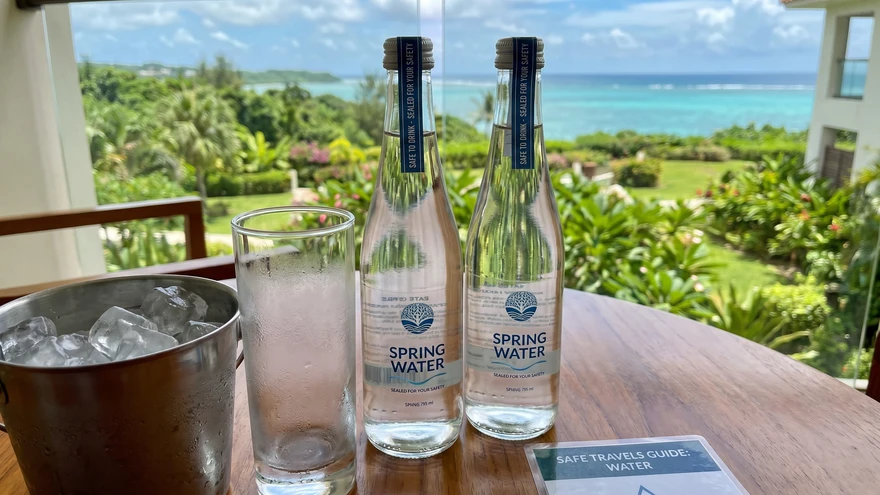
Follow these protocols even at luxury all-inclusive resorts:
- Drink exclusively from sealed bottled water, including for brushing teeth
- Avoid ice cubes in all beverages - this is the most common transmission route
- Eat only freshly prepared food served piping hot
- Avoid raw salads, unpeeled fruit, and any ready-to-eat items
- Do not swim in freshwater ponds or lakes
Before you travel, securing Get travel insurance that covers medical evacuation is essential given the limited local hospital capacity.
Dengue Fever and Vaccinations
The CDC noted a rise in Dengue Fever cases in Cabo Verde in late 2025, particularly on Santiago (Praia) and Fogo. Use DEET-based repellent, wear long sleeves at dawn and dusk, and eliminate standing water around your accommodation. There is no specific Dengue vaccine widely available - prevention is the only strategy.
Standard pre-travel vaccinations recommended for Cabo Verde include Hepatitis A, Typhoid, and ensuring routine immunizations are up to date.
Transport Safety: Taxis and Inter-Island Routes
How to Identify Official Taxis
Official taxis in Cabo Verde are color-coded by island:
- Sal and Boa Vista: Blue and yellow stripes (high reliability when hailed from ranks)
- Santiago / Praia: Tan or cream (insist on the meter before departing)
- São Vicente / Mindelo: Tan or cream (agree on a fixed fare beforehand)
Never share a taxi with strangers who approach you on the street, and never get into an unmarked vehicle. If departing at night, ask your hotel to call an authorized vehicle directly.
Intercity Vans (Alugueres) and Road Risks
Shared minibuses known as alugueres are cheap and widely used, but carry real risks: reckless driving on poorly maintained mountain roads is common, vehicles are often overcrowded, and seatbelts are rarely available. They are an authentic local experience but not the safest option, particularly on winding highland routes on Santo Antão or Santiago.
Inter-island sea crossings can also be disrupted by rough Atlantic swells, particularly for southern island routes. Check conditions before booking ferries to Brava or Fogo.
Ocean Currents and Beach Hazards
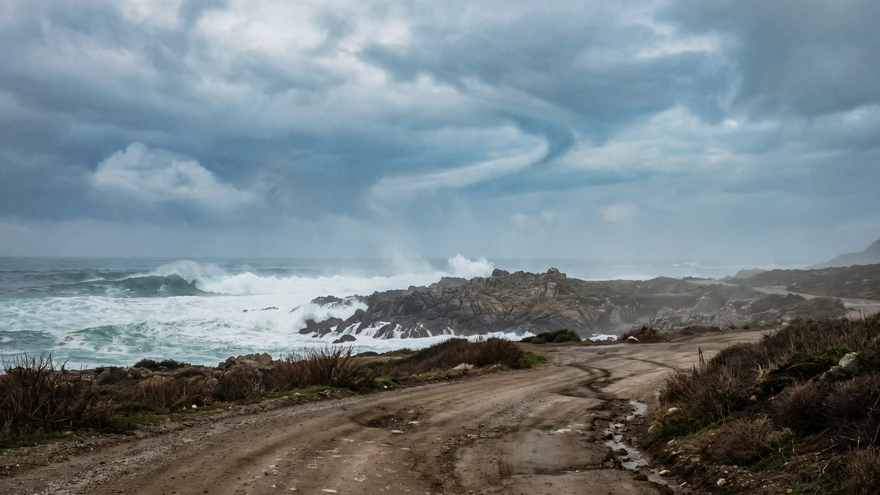
The Atlantic waters surrounding Cabo Verde hide treacherous rip tides and powerful undercurrents that catch experienced swimmers off guard every year. Drownings occur annually on unsupervised beaches on Praia, Sal, and Boa Vista.
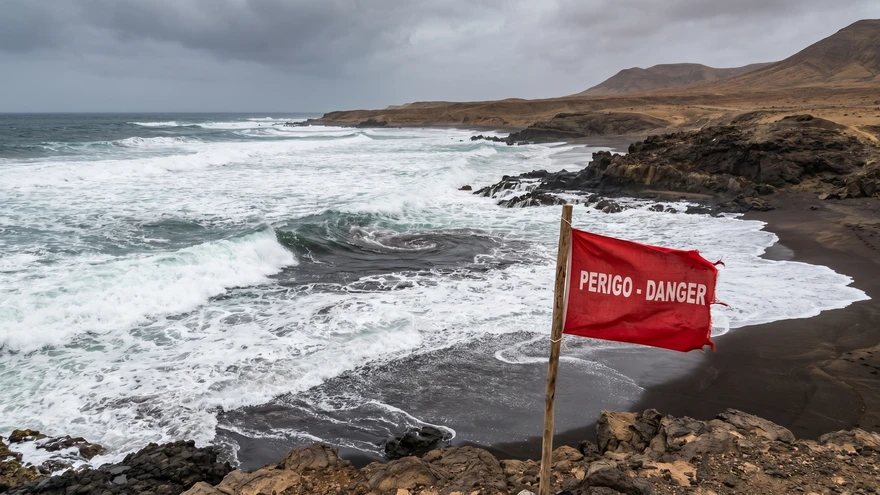
Follow the flag system strictly:
- Red flag: Absolute danger - do not enter the water
- Yellow flag: Wade near shore only with extreme caution
- Green flag: Safe swimming conditions confirmed
If a beach has no lifeguard post and no flags, treat it as red. The strongest rip currents occur at unsupervised stretches - including those popular sunset beaches that look calm from the shore.
Natural Hazards: Floods, Earthquakes, and Sandstorms
The rainy season runs from mid-August to mid-October. Torrential downpours cause flash flooding and landslides, particularly on Santiago and Fogo. Road closures can strand travelers overnight.
Fogo is home to an active volcano (Pico do Fogo), which last erupted in 2014-2015. Seismic activity on Brava and Fogo is ongoing but typically minor.
From December to February, a seasonal sandstorm called bruma seca sweeps in from the Sahara. Visibility drops sharply and flights are frequently cancelled or delayed, especially on Boa Vista. Build buffer days into your itinerary if traveling in this window.
Is Cabo Verde Safe for Solo Female Travelers?
Yes, with preparation. The main challenges for solo women are persistent verbal attention in urban areas (particularly Praia and Mindelo) and the occasional forward physical advance. This is rarely dangerous, but it can be exhausting. A firm, confident refusal without extended engagement usually works.
On the resort islands of Sal and Boa Vista, solo female travelers generally report fewer issues - the tourist-oriented environment creates natural social buffers. Join group activities, book organized excursions, and use hotel-called taxis rather than hailing rides independently at night.
Is Cabo Verde Safe for Families?
Yes - family travel in Cabo Verde is common, particularly on Sal and Boa Vista where resort infrastructure is well developed. The main family-specific risks are the health warnings (children are more vulnerable to Shigella dehydration), beach currents (keep young children well away from the water on flag-free beaches), and sun intensity. Pack high-SPF sunscreen as local availability is limited and overpriced.