Cabo Verde sits in the mid-Atlantic, far enough from the heavily trafficked Caribbean and Mediterranean dive circuits to feel genuinely undiscovered. The combination of volcanic geology, strong Atlantic currents, and year-round warm water creates conditions that attract seasoned divers and beginners alike. Choosing the right island and timing your trip correctly will determine the quality of every dive you make here.
| Quick Dive Info | Details |
|---|---|
| Best Season | April to November (lowest wind, highest visibility) |
| Water Temp | 22°C (Winter) to 27°C (Summer) |
| Average Visibility | 15 to 30 meters |
| Single Dive Cost | €40 to €55 (equipment rental usually extra) |
| Recommended Wetsuit | 3mm in summer, 5mm in winter months |
Why Cabo Verde is a Unique Diving Destination
Strong Atlantic currents collide directly with sharp volcanic drop-offs across this archipelago. This constant water movement creates nutrient-dense channels that pull pelagic species close to the shorelines.
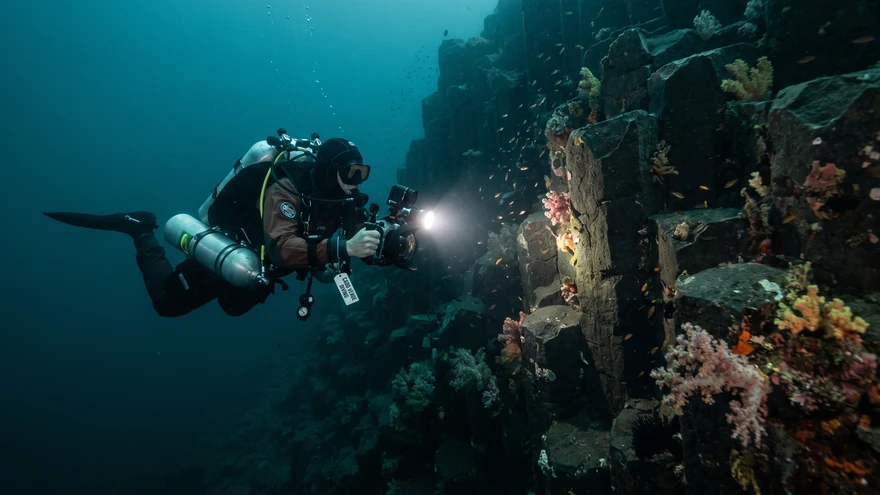
The underwater topography consists of deep basalt canyons, jagged rock walls, and extensive overhangs. Navigating these structures requires a solid understanding of buoyancy and drift diving mechanics. The marine environment feels remarkably untouched compared to heavily trafficked tropical reefs, offering a raw, highly active ecosystem.
If you are planning a broader trip around the archipelago, the Cabo Verde island hopping guide covers the ferry and flight logistics for moving between Sal and Boa Vista efficiently.
Best Time to Go Scuba Diving in Cabo Verde
Wind patterns dictate everything in the mid-Atlantic. From December to March, the Harmattan winds blow in from the Sahara, bringing choppy surface conditions and dropping visibility due to suspended dust and sand.
Aim for the April to November window for optimal diving conditions. During these months, the surface remains relatively flat, and the water temperature peaks around 27°C. Visibility easily clears the 25-meter mark, making it much easier to spot macro life hidden within the volcanic crevices.
Note that Boa Vista diving is generally limited to the April through November window, while Sal Island offers year-round access in calmer conditions. The best time to visit Cabo Verde article covers seasonal weather patterns in detail for planning around both diving and surface activities.
Top Dive Sites in Sal Island
Sal holds the most developed infrastructure for underwater exploration. The dive sites are concentrated largely on the western and southern coasts, keeping them naturally sheltered from the prevailing easterly winds.
Exploring the Underwater Caves and Tunnels
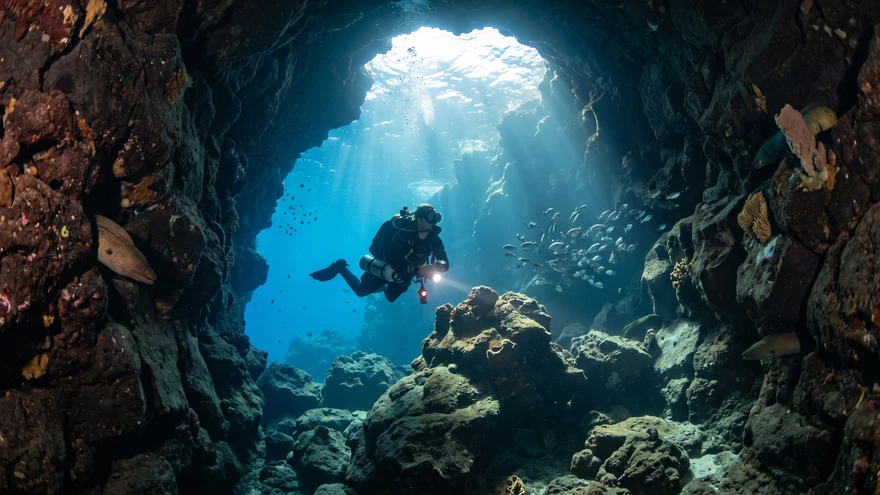
Volcanic activity left Sal riddled with underwater lava tubes and cavern systems. Sites like Buracona offer complex light plays as the sun pierces through natural skylights into the dark basalt chambers. Entering these overhead environments demands excellent buoyancy control to avoid kicking up the fine sediment resting on the cave floors.
Always carry a reliable primary dive light and a backup when exploring these deeper crevices.
The Santo Antao Shipwreck
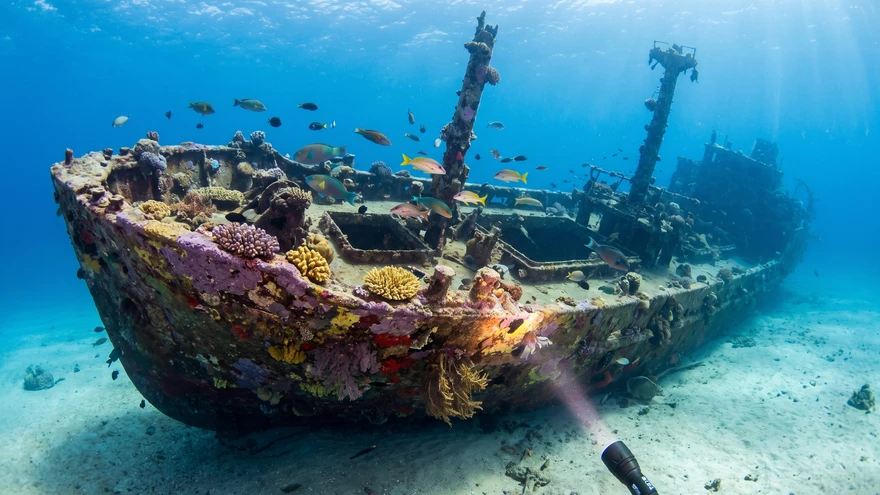
Sunk in 1966, the Santo Antao rests in just 11 meters of water, making it fully accessible to Open Water certified divers. The hull is split into three main sections scattered across a sandy bottom.
Currents around the wreck stay relatively mild. Stingrays frequently bury themselves in the sand near the bow, while large schools of soldierfish take shelter under the remaining steel plates. The shallow depth and good light penetration also make this site excellent for underwater photography.
Boa Vista Dive Sites and the Chadi Wreck
Boa Vista offers a wilder, more exposed diving profile compared to Sal. The currents here are noticeably stronger, favoring drift dives along extensive rocky reefs.
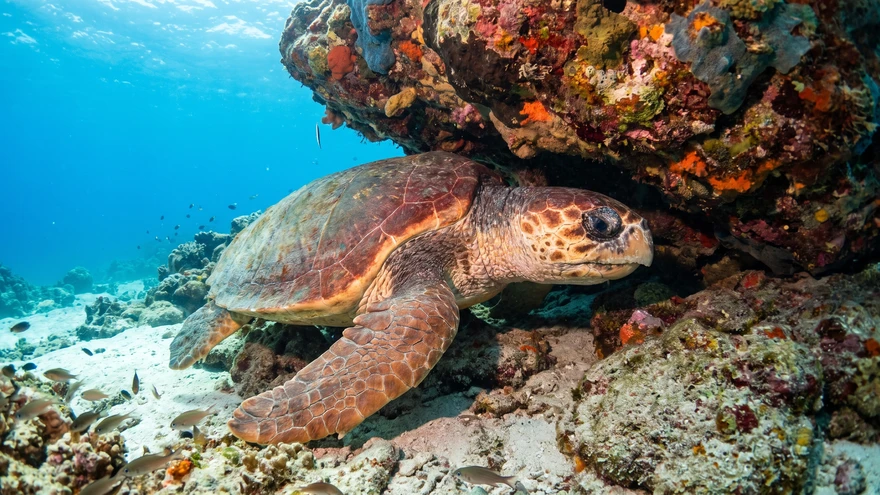
Key Boa Vista dive sites include Shark Point and Shark Bow, both known for moray eels, lobsters, and resting nurse sharks in the deeper sections. Loggerhead turtles are frequently sighted resting under rock outcroppings throughout the island's reef systems.
Diving the Chadi Wreck: Depth and Conditions
The Chadi wreck sits at a manageable depth of 10 to 15 meters, but the surrounding conditions require strict attention. Strong tidal pulls often sweep across the deck, so descending the mooring line is highly recommended to conserve air and energy before reaching the structure.
Once sheltered behind the hull, you will encounter massive schools of yellowtail snappers and occasionally nurse sharks resting beneath the stern. Novice divers can participate when surface conditions are perfectly calm, but having a few logged drift dives provides a much safer experience.
PADI Courses in Cabo Verde: Costs and Options
Getting certified locally makes sense given the high quality of instruction and the challenging yet manageable Atlantic conditions. Most major centers operate out of Santa Maria on Sal or Sal Rei on Boa Vista.
Prices remain fairly standard across the major islands, though booking in advance during the peak winter tourist season is essential to secure an instructor.
- PADI Open Water Diver (OWD): Expect to pay between €380 and €450. This typically includes all equipment, pool sessions, and four open water ocean dives.
- PADI Advanced Open Water Diver (AOWD): Usually priced around €280 to €350. The deep dive and drift dive modules are particularly valuable in this region.
- Discover Scuba Diving (DSD): A half-day introductory experience costs about €80 to €110.
- Single Fun Dive: €40 to €55 per dive, with equipment rental usually charged separately.
For booking dive experiences and tours directly, GetYourGuide Cabo Verde lists available dive center excursions with confirmed availability.
Marine Life: What You Will Actually See
Forget the standard tropical reef fish; the Atlantic waters host a different marine hierarchy. Loggerhead turtles are permanent residents, often spotted resting under large rock outcroppings. Lemon sharks frequently patrol the shallower reefs, especially around Boa Vista. Nurse sharks rest under deep overhangs and pose no threat when given adequate space.
During March and April, migratory humpback whales pass close to the western edges of Boa Vista and Sal. Underwater encounters are rare, but hearing their low-frequency songs reverberate through the water during a safety stop is a common and striking experience.
Other regular sightings include moray eels, octopus, barracuda, and large shoals of yellowtail snapper. The volcanic rock walls host dense communities of black coral and sea fans in deeper sections below 20 meters.
If you are entering Cabo Verde for the first time and need to sort your entry documentation before your dive trip, review the Cabo Verde entry requirements to confirm whether you need to complete the EASE form in advance.