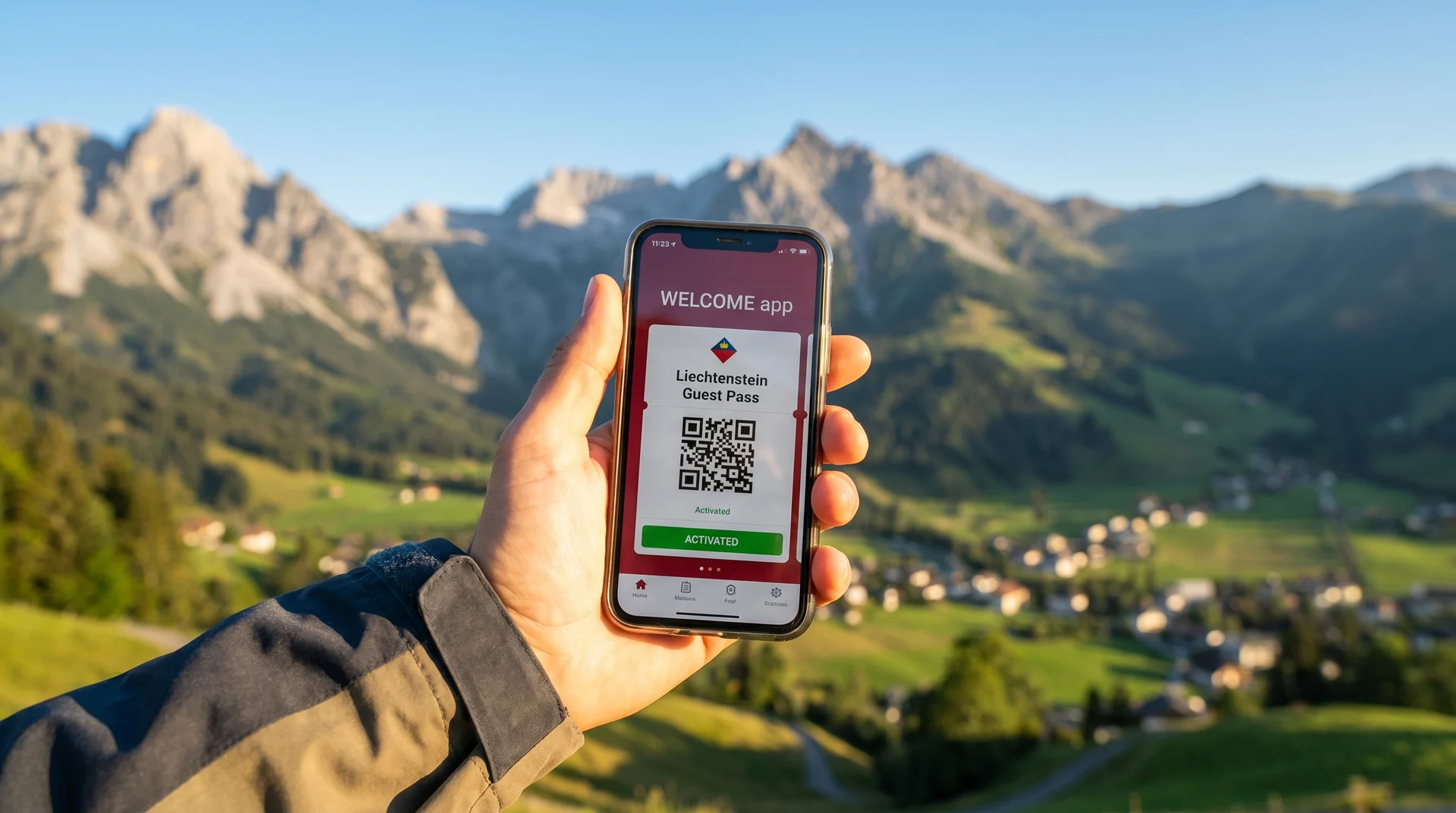
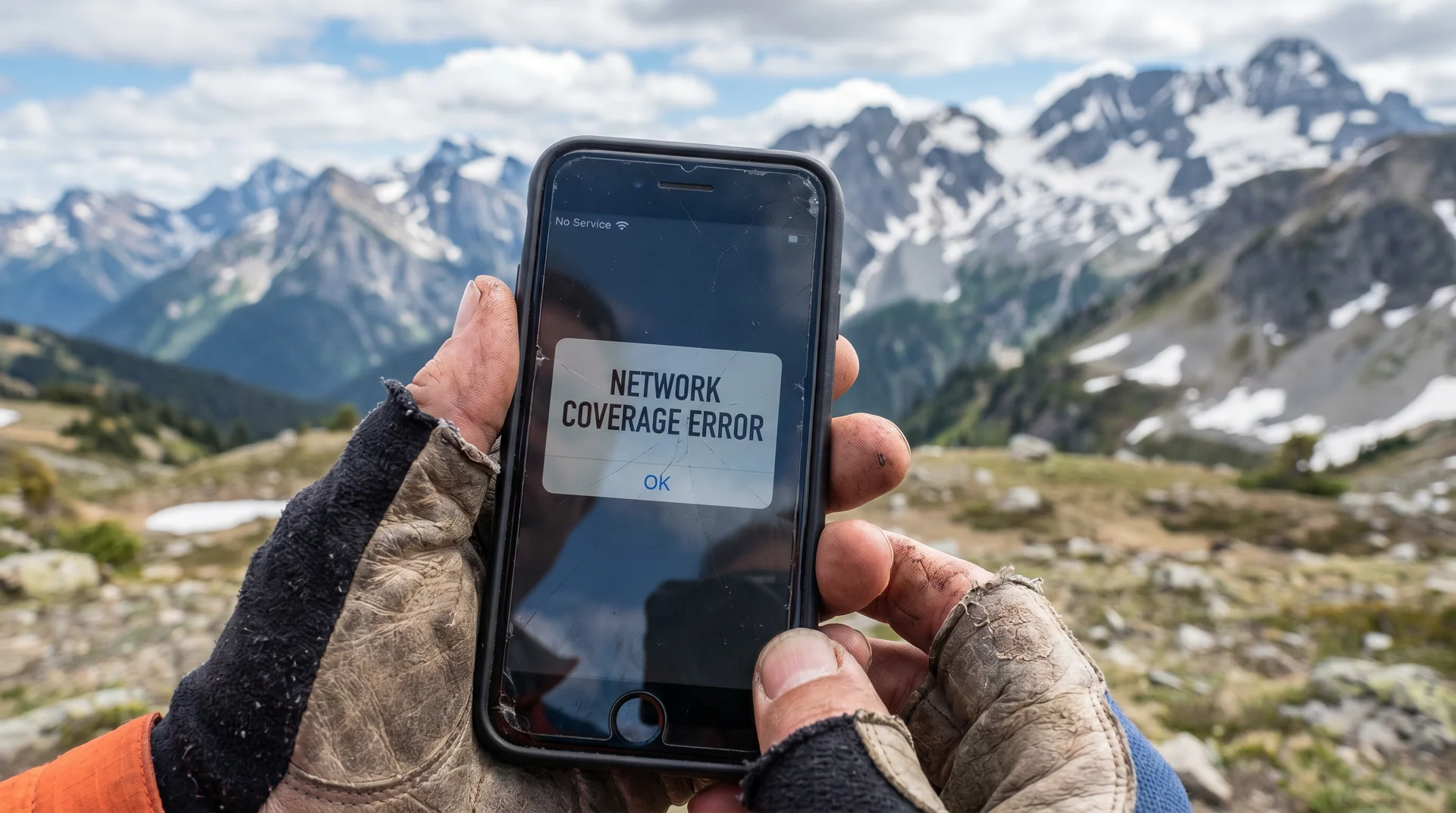
Crossing the border into Liechtenstein without turning off your mobile data is a costly mistake. This 160-square-kilometer microstate sits outside EU roaming agreements, meaning standard European data plans do not apply the moment your phone connects to a local network. Securing an offline map or a local eSIM before boarding the LIEmobil bus from Switzerland or Austria is the single most important practical step before your trip begins.
- Currency: Swiss Franc (CHF) , Euros accepted but at a poor rate; always pay in francs
- Transport: LIEmobil day pass CHF 12 covers the entire bus network across all 11 municipalities
- Passport stamp: CHF 3 at the Liechtenstein Center tourism office in Vaduz
- Sundays: nearly all shops, bakeries, and many restaurants are fully closed
- Mondays: National Museum and Kunstmuseum both closed
- Budget dinner for two: 70-80 CHF without alcohol; bottled water at restaurants can reach CHF 10
How to Get to Liechtenstein
Liechtenstein has no airport and no direct international train station. The approach depends entirely on your starting point in the neighboring countries.
Coming from Switzerland, take the train to Sargans or Buchs SG from Zurich Hauptbahnhof. The journey takes roughly 75 minutes. From Austria, head to Feldkirch by train. At all three transit hubs, the bright green LIEmobil buses depart from directly outside the station entrance.
The ride from Feldkirch to central Vaduz takes roughly 15 minutes. From Sargans or Buchs, allow 20-25 minutes. A multi-zone day pass for CHF 12 covers all transit seamlessly for the entire day, letting you move between alpine villages without tracking individual fares.
One practical detail most visitors miss: bus frequency drops significantly in the evening. The last buses out of Malbun run well before 9 PM in shoulder seasons. Download the LIEmobil app or check printed timetables at the stop before heading up into the mountains.

Vaduz City Center: The Passport Stamp and the Städtle
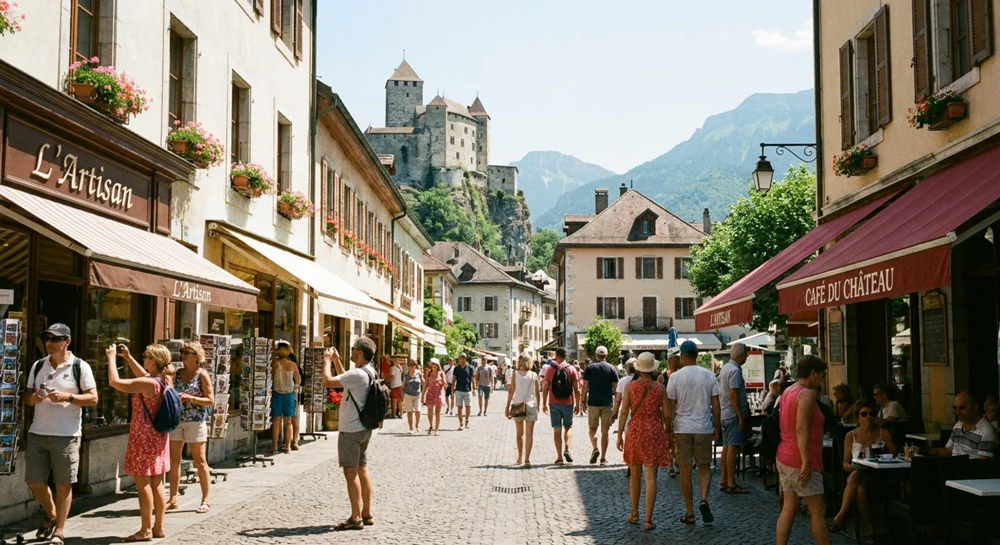
The capital is completely walkable and deliberately modern. Städtle, the main pedestrian street, carries an open-air sculpture collection rather than the cobblestones and medieval alleys typical of Alpine towns. Strange and striking metal sculptures act as waypoints along otherwise pristine walkways.
Start at the Liechtenstein Center to get your passport stamped for CHF 3. Since there are no actual border checkpoints when entering from Switzerland or Austria, this stamp serves as the only physical proof of your visit. The process takes under a minute. Right next door, the Postal Museum displays every stamp the country has issued since 1912 , admission is free and the museum stays open every day of the week.
For a full morning of culture, continue to the National Museum (Landesmuseum), two minutes' walk from Städtle. It holds the princely crown jewels and a thorough overview of the country's history. Admission is CHF 10; children under 16 enter free, and Swiss Pass holders enter at no extra cost. Allow at least two hours for a full visit, especially if you plan to see the Treasury building separately. The museum runs Tuesday to Sunday, 10 AM to 5 PM, with extended hours until 8 PM on Wednesdays. It is closed on Mondays , a detail that derails more day-trip itineraries than any other in the country.
The Kunstmuseum Liechtenstein (Museum of Modern Art), located on the same street at Städtle 32, holds one of the strongest contemporary art collections in the German-speaking world. Admission is CHF 15 for the main collection or CHF 20 for the combined ticket including the adjacent Hilti Art Foundation wing. Every Wednesday, entry is free. Closed Mondays; open Tuesday to Sunday 10 AM to 5 PM, Thursday until 8 PM.
For a full rundown of every attraction in the city center, things to do in Vaduz covers the museums, the Kunstmuseum, and the sculpture walk in detail.
Vaduz Castle and the Red House
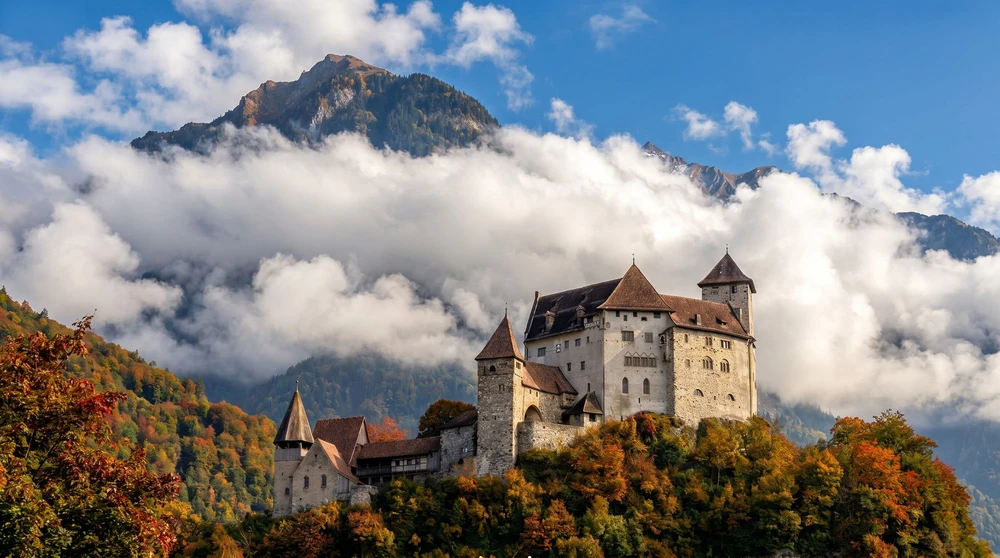
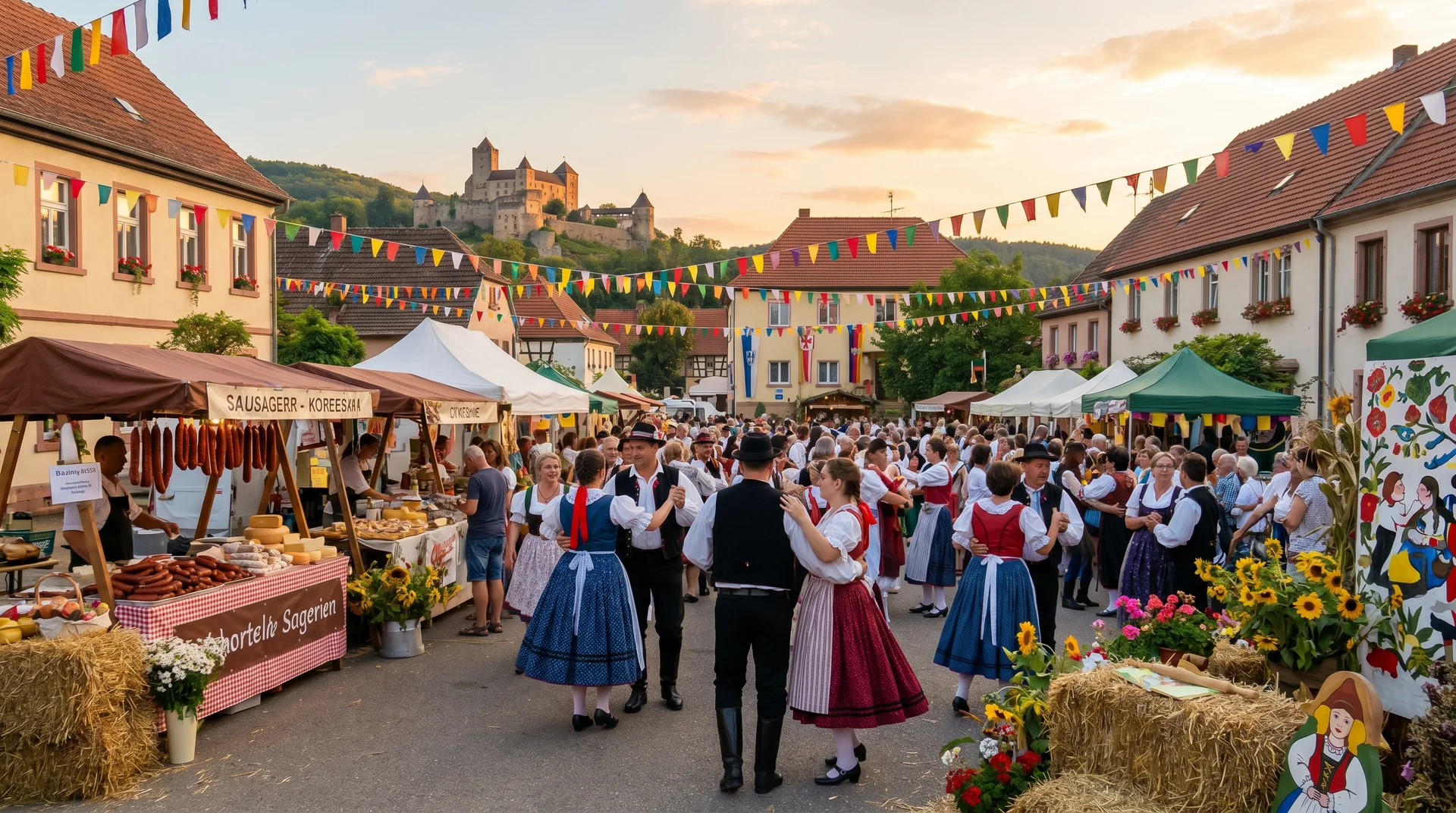
Vaduz Castle sits 120 meters above the city center, perched on a steep forested hill. The royal family still lives there, making the interior strictly off-limits to the public year-round. The one exception is National Day on August 15, when citizens receive personal invitations from the Prince to gather on the castle grounds , an unusually intimate gesture for a monarchy and one of the more remarkable things you can witness if your timing aligns.
The 20-minute uphill hike provides an unobstructed panoramic view of the Rhine Valley and the Swiss Alps. No ticket, no queue. The path starts from the end of Ägertaweg, just above the main pedestrian zone.
On your way back down, route the walk through the Mitteldorf neighborhood to see the Red House (Rotes Haus). Deep-red gables, a pointed tower, and a cascading vineyard make it the most photogenic structure in the capital. It is a private residence and cannot be entered, but the exterior is completely accessible.
If you have time for a short detour by bus, Burg Gutenberg in Balzers at the southern tip of the country sits above vineyards and offers free entry to explore its restored 16th-century walls. The outer grounds are freely accessible and less visited than Vaduz Castle, making it a worthwhile stop at the southern end of the country. The village is quieter than Vaduz and gives you a more residential sense of the country. For more detail on the visiting Vaduz Castle experience including the best photography angles and trail conditions, that dedicated guide covers it in full.
The Alte Rheinbrücke: Stand in Two Countries
A 20-minute walk from the Vaduz center brings you to the last surviving covered wooden bridge spanning the Rhine. The Alte Rheinbrücke is weather-beaten, reserved strictly for pedestrians and cyclists, and costs nothing to cross.
Halfway across the wooden planks, a simple metal sign marks the exact border. One foot in Switzerland, the other in Liechtenstein. It is a quiet, free, and visually clear way to cross an international boundary without showing a single document. The surrounding Rhine floodplain is flat and photogenic in good light.
Malbun: Alps, Skiing, and Llama Trekking
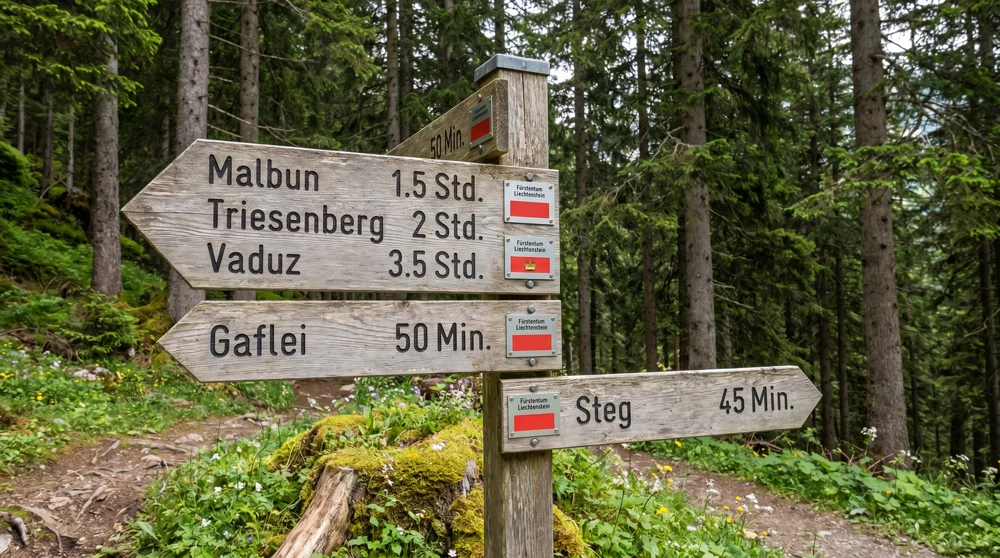
Bus line 21 from Vaduz climbs a series of sharp switchbacks up to Malbun in about 30 minutes. Sitting at 1,600 meters, this alpine village serves as the country's primary ski resort in winter and a hiking hub in summer. The air is noticeably crisp and the surrounding peaks are jagged and imposing compared to the valley floor.
In winter, the ski area suits beginners and intermediate skiers well. Lift passes are competitively priced compared to neighboring Swiss resorts, and the slopes are rarely crowded , the main practical advantage over major Swiss alternatives just across the border.
For an unusual mountain activity, farms around the neighboring village of Triesenberg offer guided trekking with llamas and alpacas through dense pine forests. The walks take around two hours and require advance booking , availability runs short on weekends from June through September.
If you have a full day in the country rather than a rushed transit stop, consider part of the Liechtenstein Trail, a 75-kilometer route connecting all 11 municipalities. The full trail takes three to four days, but the sections between Vaduz and Triesenberg are walkable in an afternoon without a car. For the most dramatic ridge experience, the Fürstensteig ridge walk is the peak physical challenge the country offers, with chains and exposed sections that require a head for heights.
Liechtenstein's Wine and Dining Scene
The **Prince of Liechtenstein Winery** operates the only remaining principality-owned vineyard in active production in Central Europe. The winery sits just below the castle slopes and offers tastings of Pinot Noir and Chardonnay grown on terraced Rhine Valley hillsides. The winery's restaurant, Torkel, holds a Michelin star , one of the most unexpected fine-dining opportunities in any microstate. Reservations are essential.
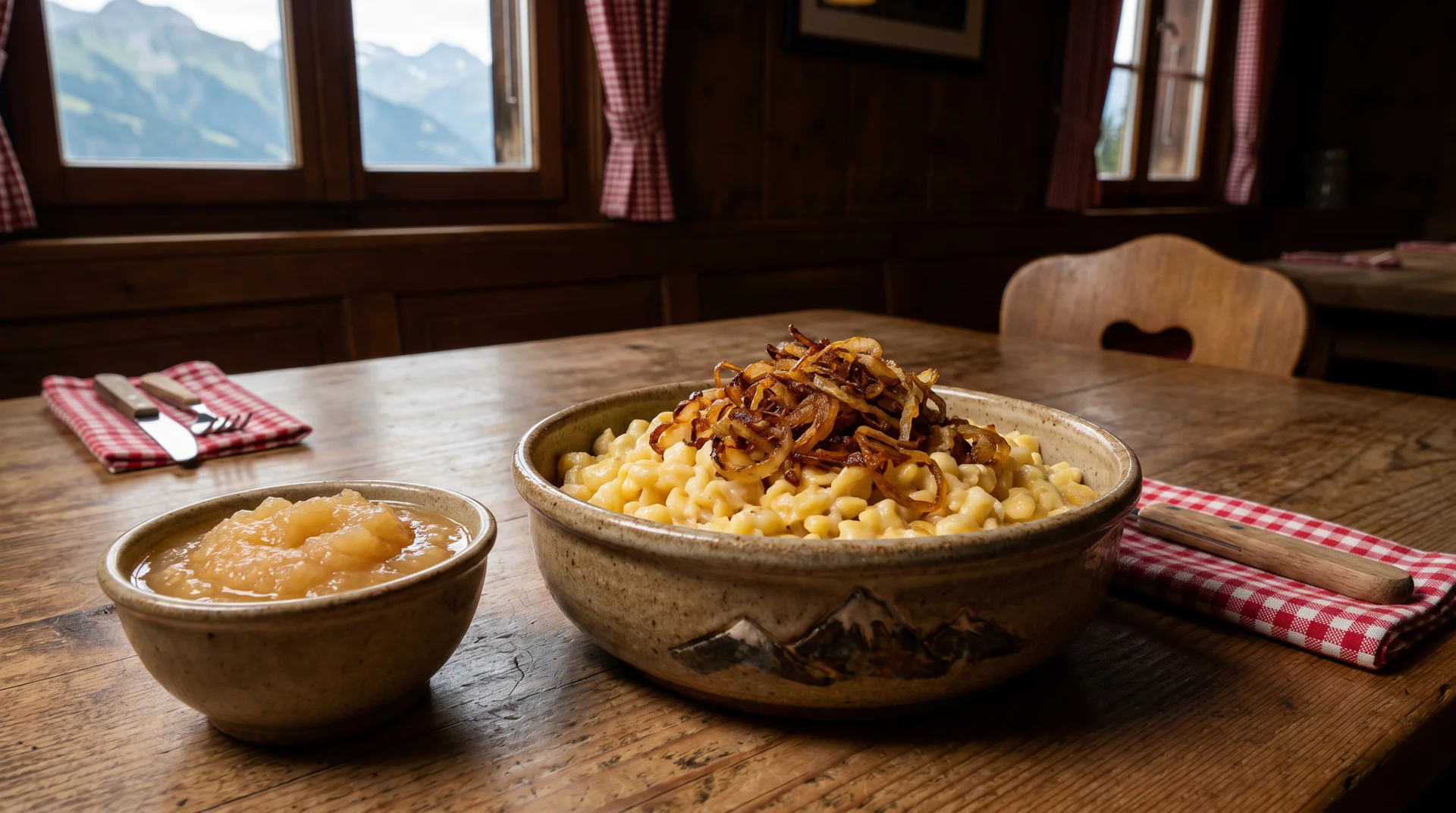
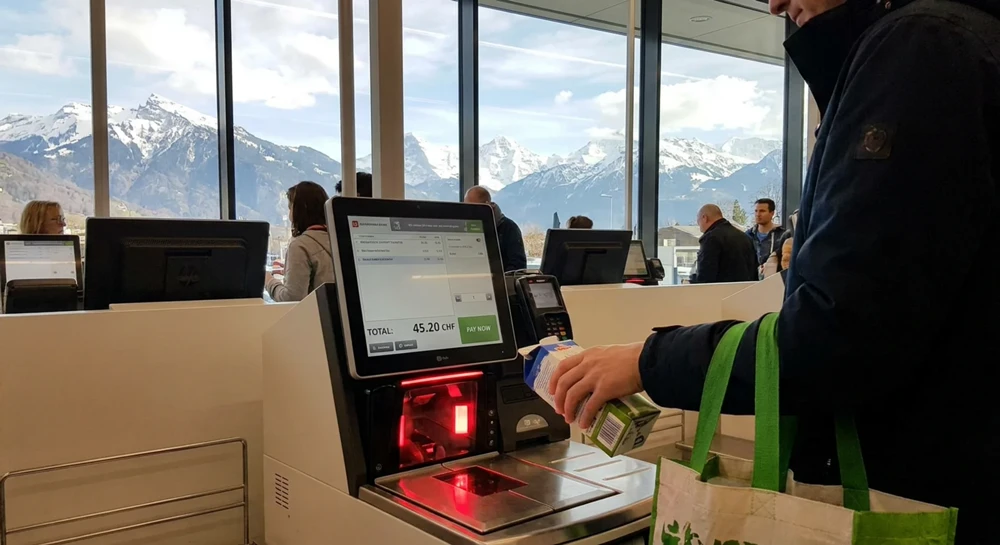
For a budget-friendly alternative that still reflects local culture, Käsknöpfle is the undeniable national dish. Small egg-dough dumplings baked with pungent local cheese and topped with crispy fried onions. Expect to pay 22-28 CHF for a full portion at traditional guesthouses in Triesenberg or at casual spots along Städtle. For an even cheaper lunch, SPAR supermarkets in towns like Triesen sell fresh sandwiches and local baked goods for under 10 CHF , the practical choice on a tight budget.
A standard two-person dinner without alcohol easily reaches 70-80 CHF. Budget accordingly, and note that restaurants in Vaduz fill quickly on Friday and Saturday evenings without reservations.
When to Visit Liechtenstein
June through September is the primary season for hiking, castle views, and outdoor exploration, with daytime temperatures in Vaduz hovering between 18-25°C. The trails above Malbun are fully open and the alpine light is at its best in July and August.
December through March suits winter sports visitors heading to Malbun, though services in smaller villages are reduced outside peak ski weeks.
Avoid Sundays regardless of season. The country genuinely shuts down , supermarkets, bakeries, and most restaurants close completely. Outdoor attractions remain accessible, but you will struggle to find a meal or supplies.
August 15 (National Day) is a compelling reason to time your visit deliberately. Free entry to the National Museum and Kunstmuseum, a public fireworks display along the Rhine, and the unusually intimate castle gathering for citizens. Vaduz fills significantly on this date, so accommodation books early. For a full seasonal breakdown, the best time to visit Liechtenstein covers costs and weather month by month.
Practical Info: Budget, SIM, and Logistics
A realistic single-day budget for Vaduz: passport stamp (CHF 3) + National Museum (CHF 10) + Kunstmuseum (CHF 15) + Käsknöpfle lunch (CHF 25) + LIEmobil day pass (CHF 12) + dinner (CHF 40-50 per person) totals roughly CHF 120-140 per person for a full day.
Data roaming: Liechtenstein operates its own telecom networks outside EU roaming frameworks. Many foreign SIM cards from EU countries will not fall under standard roaming caps here. Rates of €12 per megabyte are not unusual for unaware travelers. Turn data roaming off before crossing the border and use offline maps or a prepaid eSIM specifically covering Liechtenstein.
ATMs are available in Vaduz center. Most businesses accept contactless payment. Euros are technically accepted in tourist areas but at an exchange rate noticeably worse than using francs.
For day-trippers heading back toward Zurich, the last direct trains from Buchs SG run until around 11 PM. Confirm your return connection before heading up to Malbun in the afternoon , missing the last bus down means a taxi back.
The Liechtenstein Adventure Pass bundles multiple attractions and transport in a single purchase, worth calculating against individual costs if you plan to visit several museums in one day. For those making Liechtenstein a day trip from Zurich, morning departure is essential to fit the valley highlights before the last comfortable bus returns.
1-Day Liechtenstein Itinerary
Start early , take the first morning LIEmobil bus from Sargans or Buchs to Vaduz. Walk straight to the Städtle pedestrian zone for coffee and secure your passport stamp at the Liechtenstein Center before the day-tripper crowds arrive around 10 AM.
Spend at least an hour in the National Museum to see the crown jewels and understand the country's outsized history for its size. Walk to the Kunstmuseum if contemporary art interests you , the free Wednesday admission makes it easy to plan around.
By late morning, take the uphill path to Vaduz Castle for panoramic photos, then descend via the Red House in Mitteldorf. Lunch in the center , a Käsknöpfle portion at a local guesthouse.
In the afternoon, walk out to the Alte Rheinbrücke to cross the Rhine. Allow 40 minutes for the walk each way plus time on the bridge. Catch the late-afternoon bus 21 up to Triesenberg or Malbun to watch the light hit the Alps before heading back to your train connection.
If you are spending two days, the second morning opens up Gutenberg Castle in Balzers and sections of the Liechtenstein Trail without rushing.