Booking a standard hotel room in central Vaduz will drain your travel budget faster than almost anywhere else in Europe. The good news is that Liechtenstein has no border controls, which means sleeping in Austria or Switzerland and commuting daily is completely seamless, cutting your accommodation costs by more than half.
- Currency: Swiss Franc (CHF), roughly 1:1 with USD
- Daily budget range: CHF 85 (strict) to CHF 350 (mid-range)
- Best budget move: sleep in Feldkirch (Austria) or Sargans (Switzerland), commute by bus
- Day pass for all zones: CHF 9 on LIEmobil buses
- Cards accepted widely; carry 20-30 CHF cash for mountain huts and small kiosks
How Much Does Liechtenstein Cost Per Day?
Your daily spend depends almost entirely on where you sleep. Accommodation drives the gap between a CHF 85 day and a CHF 350 day far more than food or transport.
| Travel Style | Daily Cost (Per Person) | Accommodation | Food Strategy |
|---|---|---|---|
| Strict Budget | CHF 85-110 | Cross-border hostel or shared room | Supermarket groceries only |
| Mid-Range | CHF 150-350 | Guesthouse in Schaan or Triesenberg | One restaurant meal + groceries |
| Luxury | CHF 500+ | Central Vaduz 4-star hotel | Fine dining and winery visits |
Budget travelers who track their spending closely average around CHF 113-125 per day in 2026. Mid-range visitors spending a week here typically pay around CHF 1,883 per person total, which includes accommodation, food, transport, and sightseeing.
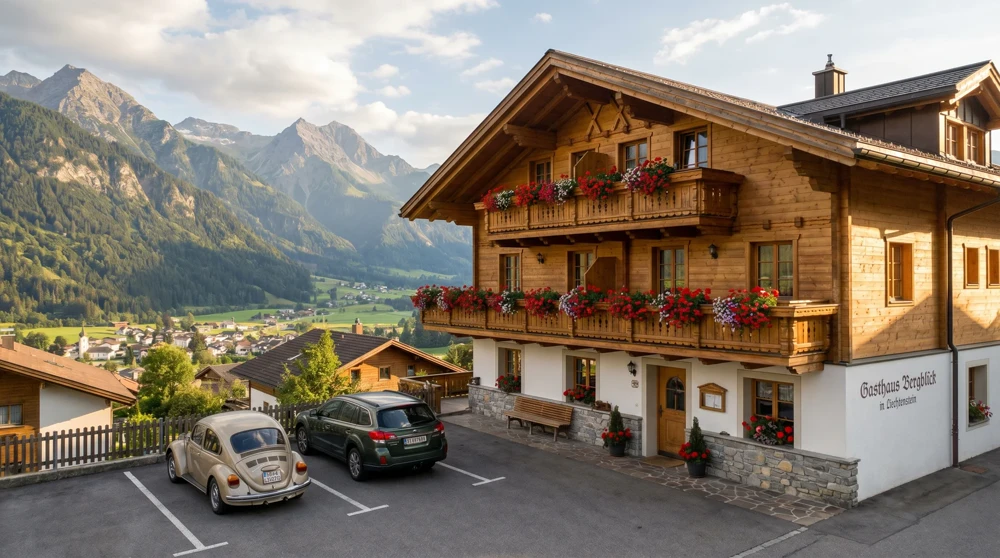
Accommodation Prices: Where to Sleep for Less
Lodging is your largest expense by a wide margin. Central Vaduz commands premium rates year-round, mostly catering to business travelers and day-trippers who decide to stay overnight.
Hotels in Vaduz vs. the Mountain Villages
A basic private room in Vaduz easily exceeds CHF 170 per night. Moving a few miles into neighboring municipalities completely changes the pricing structure. Schaan offers the Schaan-Vaduz Youth Hostel, where private rooms and dorms drop your nightly rate to around CHF 40-95.
Triesenberg sits just above the valley floor with panoramic alpine views and guesthouse rates noticeably lower than the capital. Hotel Oberland in Triesenberg regularly comes in around CHF 98 per night, making it one of the most affordable options inside the country. Malbun offers cheaper summer rates but prices spike sharply during the peak winter ski season.
The Cross-Border Strategy
Because Liechtenstein has no border controls with Switzerland or Austria, sleeping across the border and commuting daily is seamless. You book a budget hotel or Airbnb in Feldkirch (Austria) or Sargans (Switzerland) for a fraction of a Vaduz hotel's price. The LIEmobil regional bus network connects both transit hubs directly to central Liechtenstein in under 30 minutes.
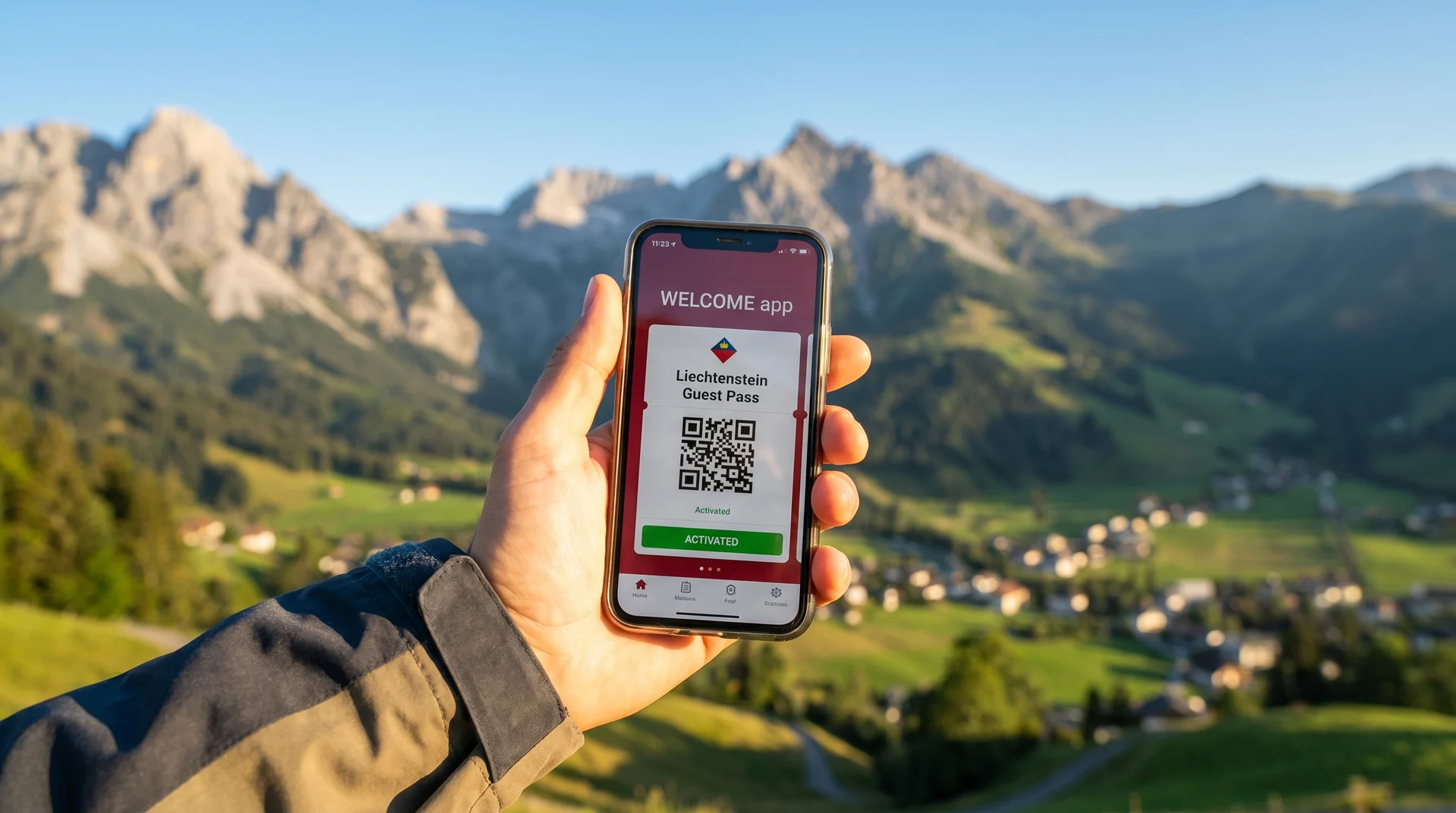
If you're combining Liechtenstein with a Liechtenstein day trip from Zurich, Sargans works particularly well as your base since it sits on the main Zurich-to-Vaduz rail corridor. The most affordable option inside Liechtenstein is Camping Mittagspitze in Triesen, where pitches run around CHF 42-50 per night including the WELCOME guest card.
Food and Drink Costs in Liechtenstein
Dining out follows Swiss pricing conventions. A sit-down dinner with a single drink quickly reaches 40 CHF per person, which is why grocery shopping makes such a large difference to your daily total.
Restaurant Costs and Local Dishes
If you eat all three meals at restaurants, expect to spend around CHF 140 per day on food alone. A standard lunch at a casual eatery costs roughly 20 CHF. Dinner at a traditional restaurant runs 25-40 CHF per person without alcohol. A single beer costs 7 CHF, and a glass of wine starts at 10 CHF.
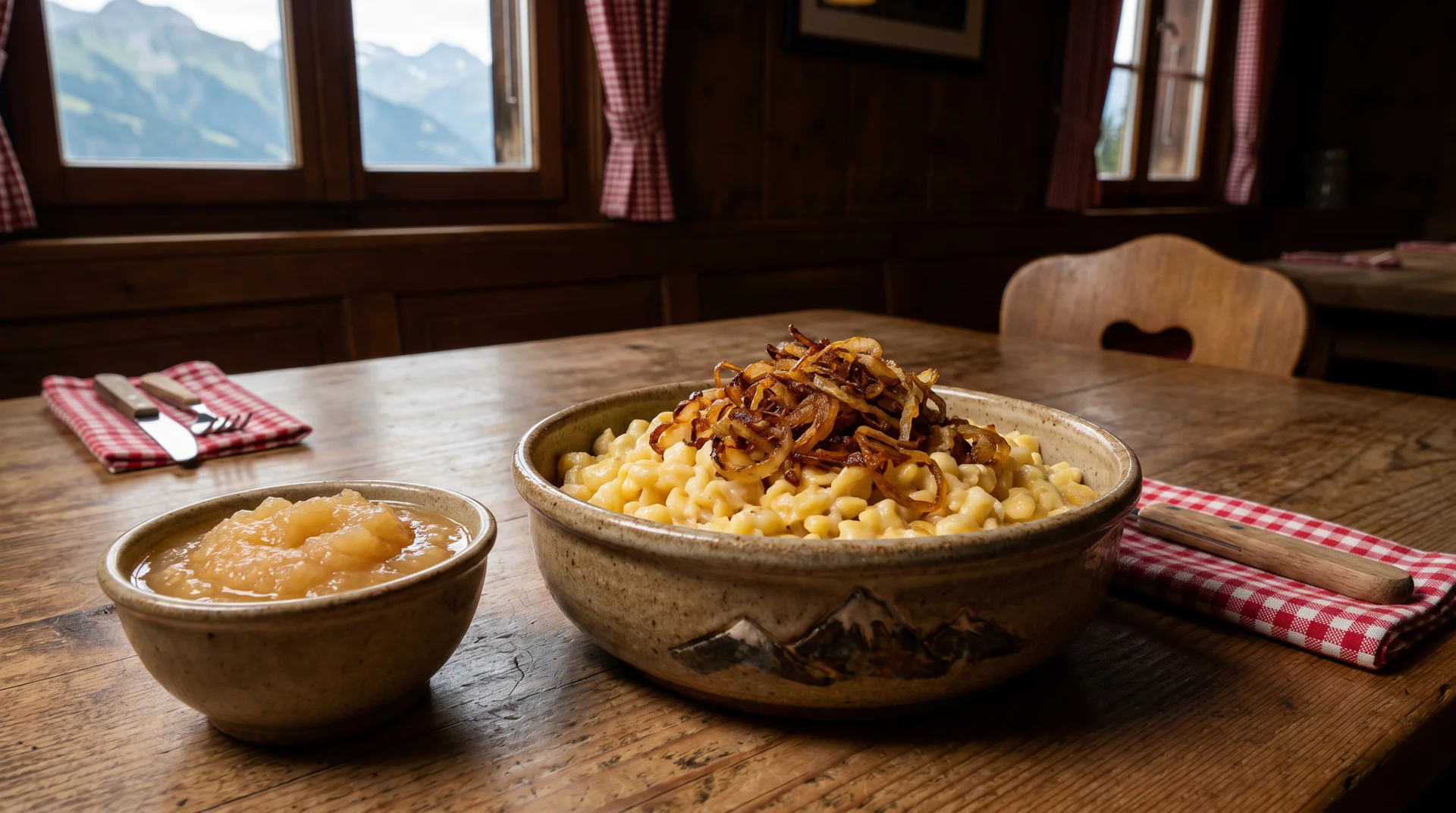
The national dish is Käsknöpfle, a baked cheesy pasta similar to German Spätzle, served with fried onions and apple sauce. A full portion in Malbun or Vaduz costs around 25 CHF and is genuinely filling. Skip restaurant drinks and order water if you want to keep the bill manageable.
Supermarket Prices
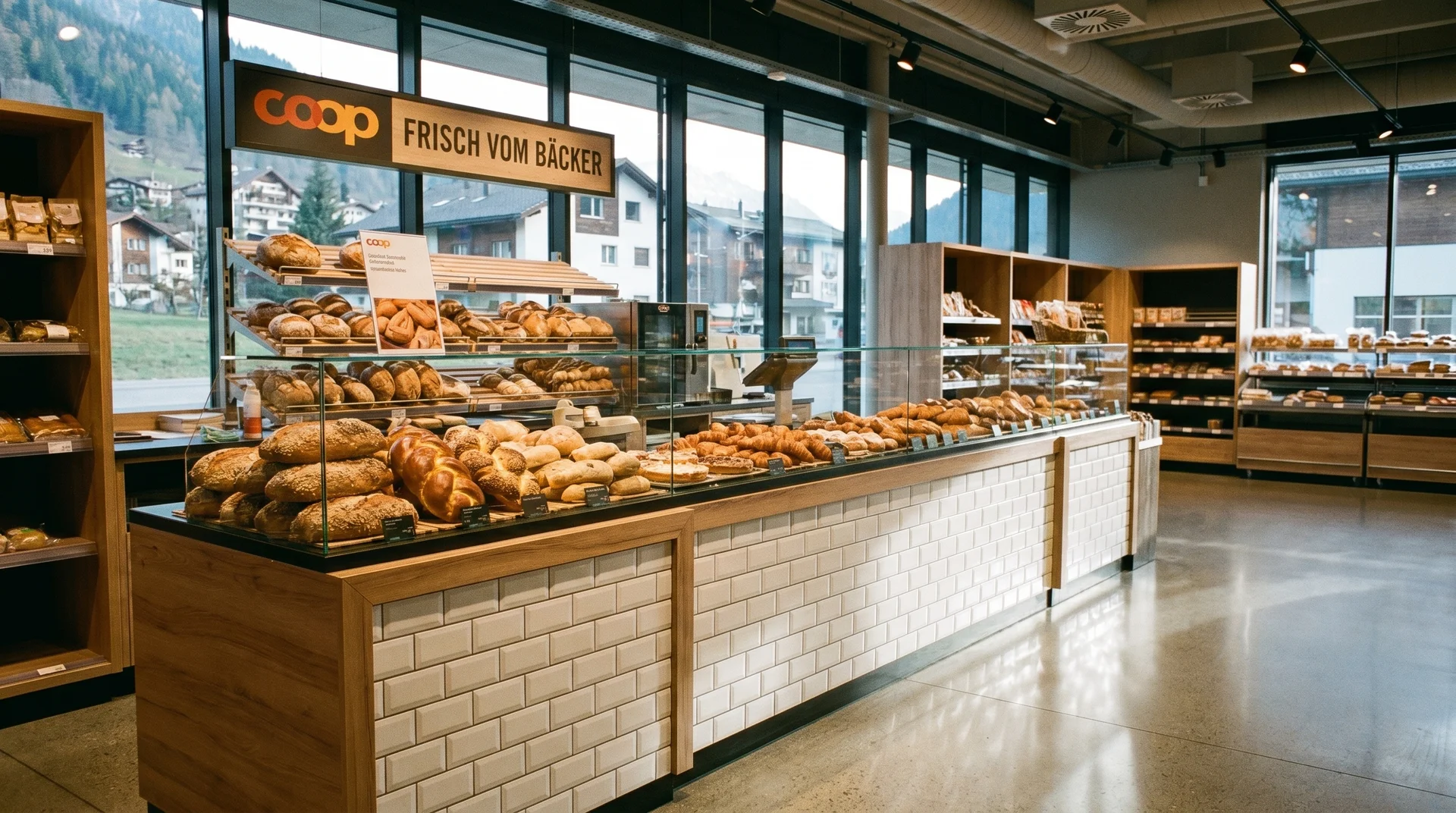
Swapping restaurant meals for grocery shopping saves you roughly 70 CHF per day. Both Coop and Migros operate stores in Vaduz and Schaan. Prices run higher than mainland Europe but lower than restaurant menus.
Fresh bakery items, pre-made salads, and sliced meats are available at both chains. Buying ingredients for a picnic on one of the mountain hiking trails drops your daily food bill to around CHF 20-25. Supermarkets close by 6:30 PM on weekdays and earlier on Saturdays, so plan your grocery run before late afternoon.
Transport and Getting Around
You do not need a rental car. Multi-day car hire costs significantly more than the bus network, and parking in Vaduz is an unnecessary headache when buses run directly to all main attractions.
LIEmobil Bus Network and Ticket Prices
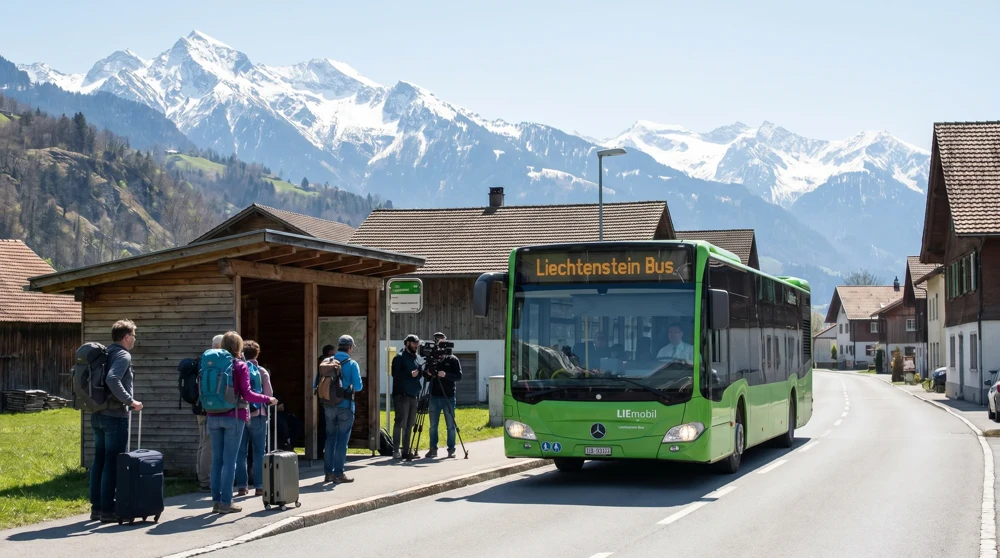
The lime-green LIEmobil buses run with Swiss precision across every municipality in the principality. A short-distance single ticket costs 2 CHF. A standard single for one zone runs 3 CHF. If you plan to cross multiple zones or head up to hiking trailheads, the all-zones day pass at CHF 9 gives unlimited rides across the entire network for the day, including cross-border routes connecting to Swiss and Austrian train stations. You can pay the driver directly in cash or use the SBB Mobile app for ticketless travel.
If you're planning a longer trip or combining Liechtenstein with Austria, the Fuerstensteig ridge walk starts from bus-accessible trailheads, so a day pass covers the entire hiking logistics without any taxi needed.
Taxis and Car Rental
Taxis are prohibitively expensive. Relying on them to get from the valley floor to mountain villages destroys a mid-range budget in a single afternoon. The bus network or the free rental bikes available in select flat areas are the practical options. Car rental in Liechtenstein is largely pointless given the country's small size, roughly 25 km north to south.
Sightseeing and Attraction Costs
The natural landscape is the main attraction, keeping entertainment costs surprisingly low compared to neighboring Switzerland.
Paid Attractions and the Adventure Pass
Individual museum entries run around CHF 15 for the Kunstmuseum Liechtenstein in Vaduz. If you plan to visit three or more paid attractions, the Liechtenstein Adventure Pass at CHF 25 grants access to over 30 sites across the microstate, including major museums, local pottery workshops, and the CHF 3 souvenir passport stamp at the Tourist Information Centre. The passport stamp is genuinely worth getting since Liechtenstein operates without border controls, meaning it remains the primary physical evidence of your visit.
Free Activities
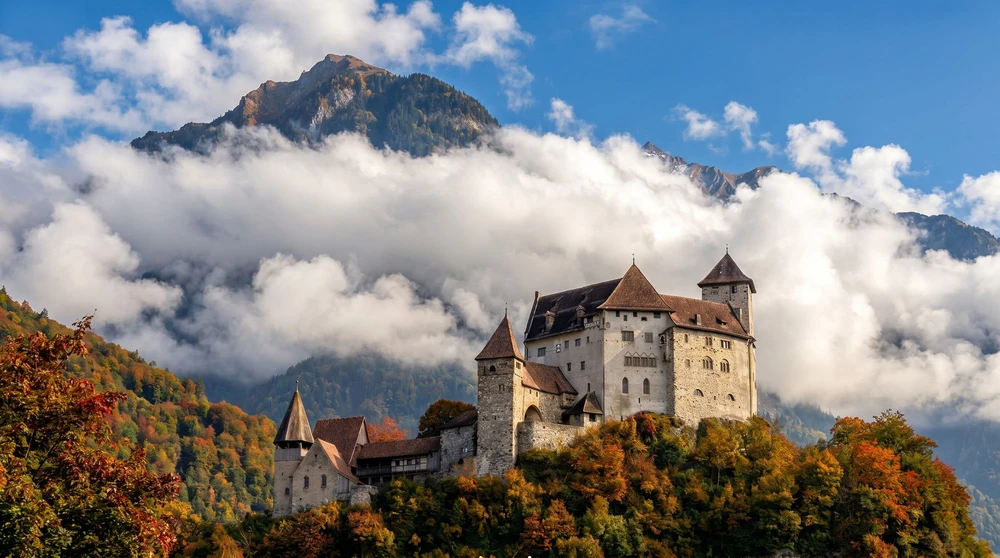
The best experiences in Liechtenstein cost nothing. The country has over 400 km of hiking trails, all free to access. Walking the national Liechtenstein Trail or tackling alpine routes from Malbun requires zero entrance fees. Vaduz Castle, the working residence of the Princely Family of Liechtenstein, is permanently closed to the public.
However, the steep walk up the hillside delivers excellent exterior photos and sweeping views across the Rhine Valley and into Switzerland. The castle walk is one of the most photographed spots in the country and takes roughly 20 minutes from the town center. A full list of paid and free attractions is in the things to do in Vaduz guide. For context on how the best time to visit Liechtenstein affects trail accessibility and crowd levels, the spring and early autumn windows give you the most reliable conditions.
Hidden Costs to Watch Out For
International roaming charges are the most common budget surprise. Liechtenstein sits outside the standard EU roaming zone despite being surrounded by EU and Schengen countries, so standard European roaming plans sometimes fail to cover it. Activating a travel eSIM before you arrive gives you cheap data for digital maps and live bus schedules. Get a travel eSIM
Tipping is not required but is customary. Restaurant bills already include a service charge by law, but rounding up to the nearest 5 CHF or leaving an extra 5-10% for good service is standard practice. Budget a small buffer for this in your daily food calculations.
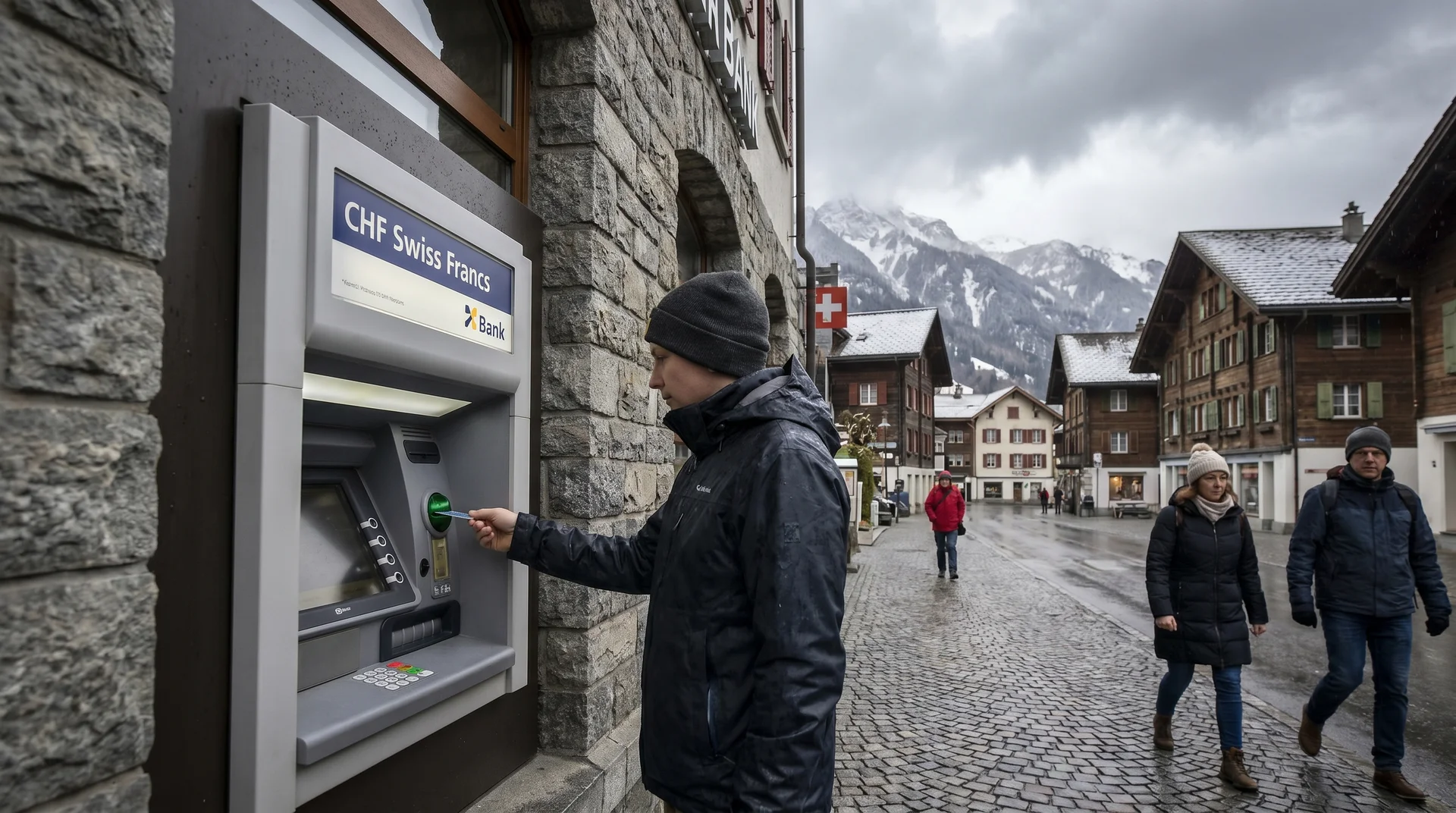
Currency exchange inside Liechtenstein is limited since there are no currency exchange offices in the country. Exchange money in Zurich, Feldkirch, or Sargans before arrival, or use a card with low foreign transaction fees. Swiss ATMs in Vaduz dispense CHF and typically charge a flat fee of 5 CHF per withdrawal for foreign cards. Get travel insurance before you go