Quirky, compact, and impeccably clean, Vaduz is the capital of Liechtenstein, one of the smallest countries on Earth. Many travelers pass through expecting little more than a photo stop, but the city consistently surprises. Between a dramatic hilltop castle, a cluster of genuinely excellent museums, and some of the most unusual travel souvenirs available anywhere in Europe, Vaduz earns a full day rather than a rushed hour.
Is Vaduz Worth Visiting?
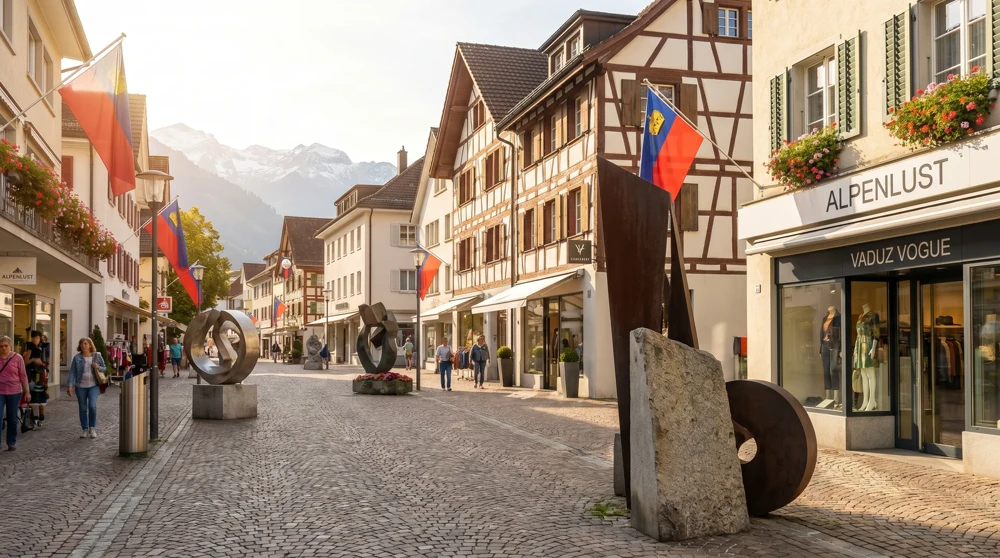
Absolutely. The city center is largely pedestrianized and serves as an informal open-air sculpture park. Modern art installations appear between vine-covered hillsides and tidy shop fronts. The Städtle (the main pedestrian zone) is short enough to walk end-to-end in ten minutes, yet dense enough to occupy you for hours. For a destination this size, the quality of what is on offer is genuinely remarkable.
You can cover the core sights in two to three hours. Add the castle hike and two or three museum visits, and a full day disappears easily.
Vaduz Castle (Schloss Vaduz)
Perched 120 meters above the city, Vaduz Castle is the defining image of Liechtenstein. It has been the official residence of the Princely Family since the early 20th century, which means the interior is closed to visitors throughout the year. The single exception is August 15, the national holiday, when the grounds open for a public reception.
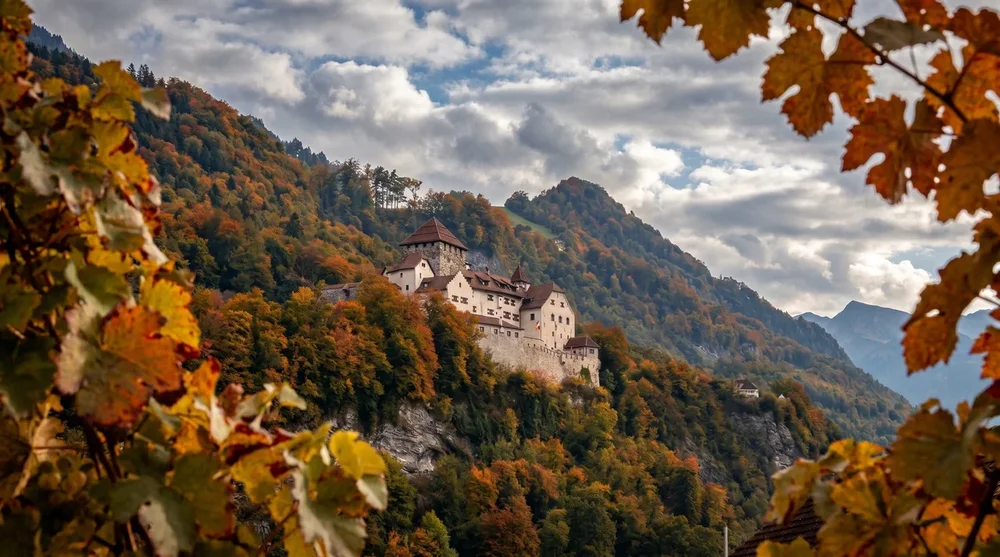
That limitation barely matters. The uphill walk from the Städtle takes 20 to 30 minutes on a well-marked path through vineyards and forest, and the views from the castle gate over the Rhine Valley and the Swiss Alps across the Rhine are among the best in the region.
Do not skip this because the castle is closed - the walk itself is the point. Informative signs along the path explain the castle's history and the Princely Family. If you are planning an evening visit, the path has no street lighting on the descent, so finish before dusk or bring a torch.
For a deeper look at the history of the ruling family and the building itself, read the full visiting Vaduz Castle breakdown.
Museums in the City Center
Vaduz has more museum space per square kilometer than most European capitals. The concentration is especially impressive given the city's size.
Kunstmuseum Liechtenstein
The Kunstmuseum is impossible to miss: a sleek black cube sitting squarely in the city center. Inside, naturally lit galleries hold international modern and contemporary art from the 19th century to the present. The building is connected directly to the Hilti Art Foundation next door, effectively doubling the collection without requiring a separate entry.
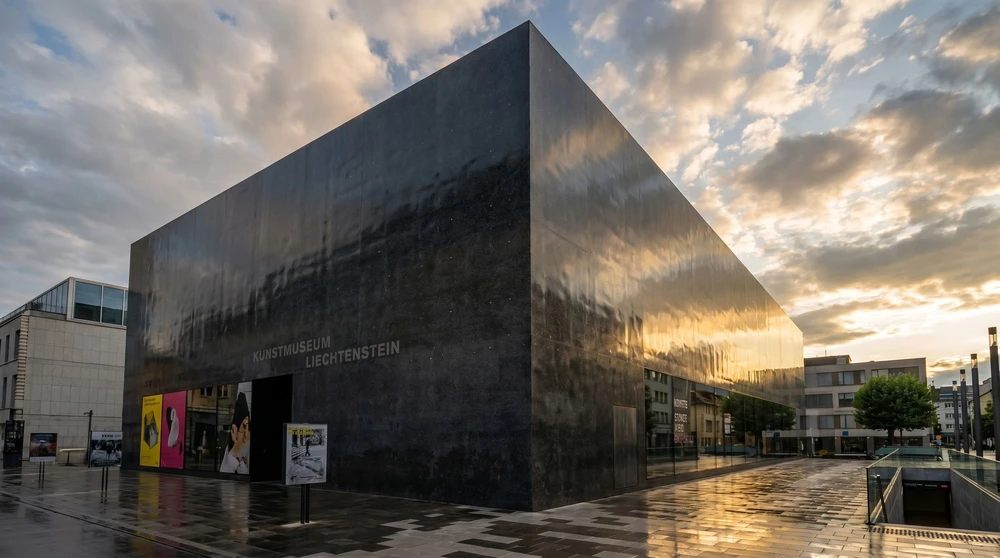
Admission is CHF 12 to 15 for adults. The museum opens Tuesday through Sunday, 10:00 to 17:00, with extended hours until 20:00 on Thursdays. Entry is free every Wednesday and on August 15. This is the strongest rainy-day option in Vaduz.
A full article covering the collection, layout, and what is worth your time is available at Kunstmuseum Liechtenstein.
Liechtenstein National Museum (LandesMuseum)
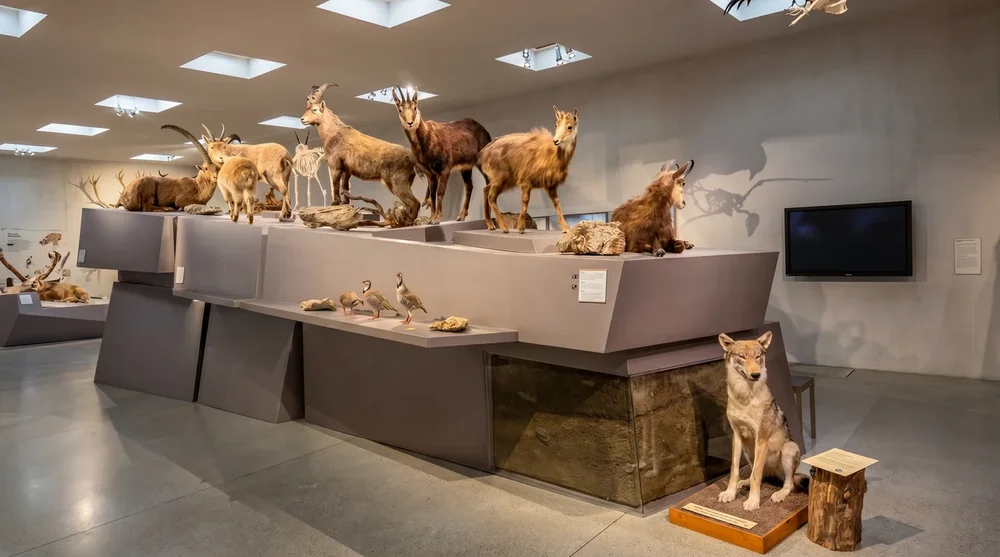
Housed in a beautifully restored 15th-century building, the National Museum covers the full sweep of Liechtenstein's history: local flora and fauna in excellent natural history dioramas, archaeological finds, and cultural exhibits explaining how this tiny principality survived and developed over the centuries. The building alone is worth stopping for.
Admission runs CHF 12 to 15 for adults; Swiss Pass holders enter free. Hours are Tuesday through Sunday, 10:00 to 17:00, closed Mondays. An audio guide is available in multiple languages. Allow at least two hours, particularly if you stop at the 1:10,000-scale 3D topographic model of the entire country - one of the more surprising exhibits in the building. Lockers and a cafe are available on site.
Liechtenstein Treasure Chamber (Schatzkammer)
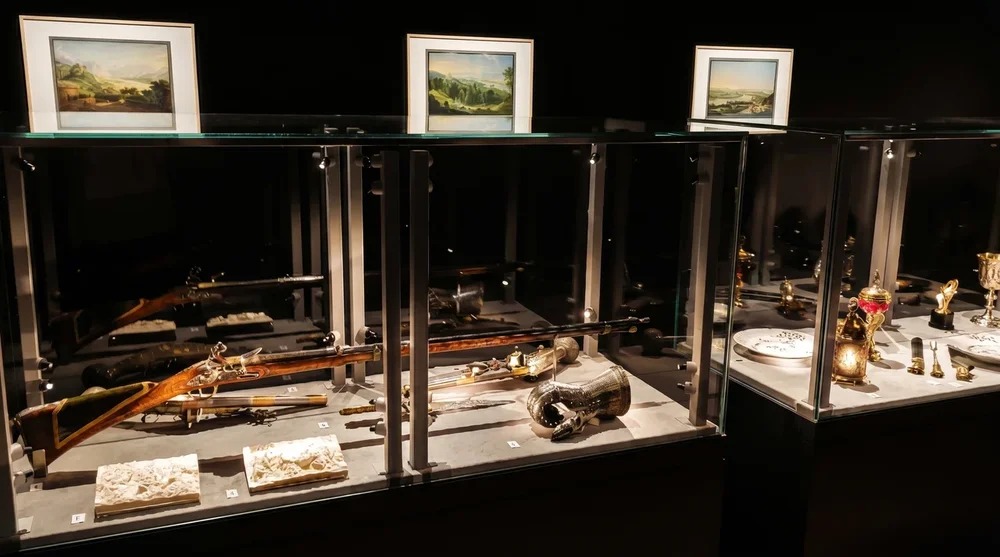
The Treasure Chamber is a relatively small room, but what it contains is extraordinary. The exhibits include the Liechtenstein royal coronet, historical weapons, a genuine Fabergé Apple Blossom Egg, and moon rocks gifted from the Apollo 11 and Apollo 17 missions. Photography is strictly prohibited inside, which surprises visitors who are not expecting a full bag check at the entrance.
Admission is approximately CHF 8 to 10 for adults, or CHF 13 as a combined ticket with the National Museum. Access requires purchasing a ticket at the adjacent National Museum building.
PostMuseum (Postal Museum)
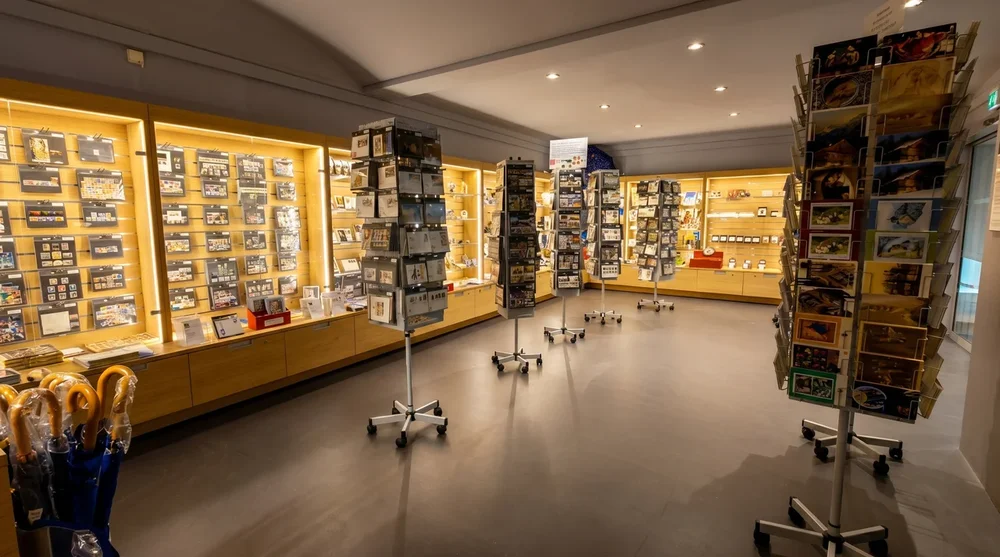
Liechtenstein has been producing postage stamps since 1912, and those stamps are internationally coveted by collectors. The PostMuseum, located at Städtle 37, occupies the second floor of the building (a lift is available) and displays the country's complete philatelic history across pull-out frames that visitors can browse at their own pace. Information panels are in both German and English. There is a short documentary running on a loop.
Entry is completely free, and the museum is open Tuesday through Sunday, 10:00 to 17:00. Even visitors with no interest in stamps tend to find it genuinely enjoyable for 30 to 40 minutes.
The Liechtenstein Center and Passport Stamp
Because Liechtenstein shares open borders with Switzerland and Austria, there are no passport controls when entering the country. You will not get an entry stamp. What you can do is walk into the Liechtenstein Center on the Städtle and pay CHF 3 for a commemorative souvenir stamp in your passport or on a separate piece of paper.
The stamp carries no official status, but it has become one of the most popular travel souvenirs in Europe among country collectors. If you are concerned about how immigration officers might react, request the stamp on a separate sheet rather than directly in your passport. Details on the stamp, the Liechtenstein Center, and the broader country-collecting appeal are covered in the Liechtenstein passport stamp article.
Cathedral of St. Florin
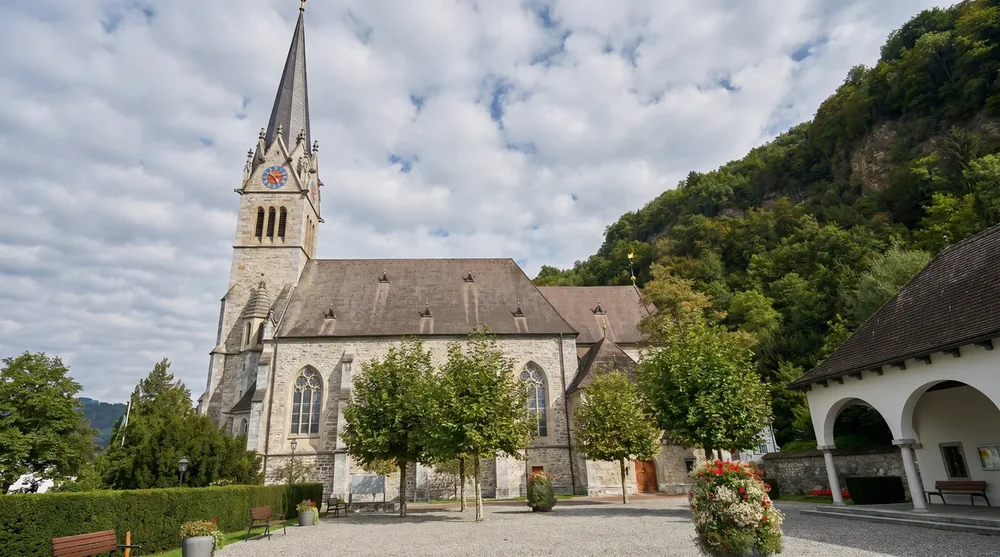
The Cathedral of St. Florin sits just off the main pedestrian zone and is easy to walk past without realizing what it is. Built in a neo-Gothic style in the late 19th century, the cathedral became Liechtenstein's first and only cathedral in 1997 when the diocese was established. The interior is calm and well-proportioned, with stained glass windows and the tomb of Prince Franz Josef II, who ruled the principality from 1938 to 1989 and is the most recent member of the family interred here. Public toilets are available around the back of the building.
Entry is free, and the cathedral is open Monday through Saturday, 09:00 to 18:00. Dress modestly. Mass times vary, so if the church is in use, explore quietly or return later.
Landtag (Parliament Building)
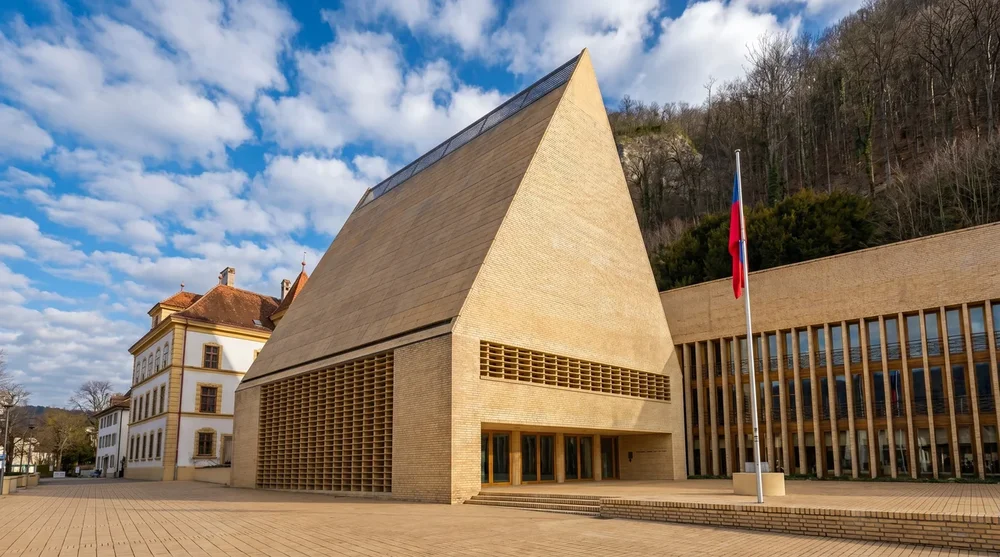
At Peter-Kaiser-Platz, the city's political center, two buildings sit in deliberate contrast to each other. The ultra-modern Parliament Building (Landtag), completed in 2008, is faced in local quartzite and fits surprisingly well against the historic 1905 Government Building (Regierungsgebäude) beside it. The square is open and accessible at all times, and it is a natural stopping point between the museum district and the lower city.
The Städtle and Street Sculpture
The main pedestrian zone is modest in length, maybe 400 meters end-to-end, but it is lined with sculpture installations, the Liechtenstein Center, small wine shops, and several restaurants. Walking it slowly is worth doing even without a specific destination in mind. The public art scattered throughout the city is genuinely varied and some pieces are significant works.
Liechtenstein has one of the highest concentrations of public sculpture per capita in Europe. Many installations are permanent; others rotate. Most are unlabeled, which gives the Städtle a slightly surreal quality.
Getting to Vaduz
Liechtenstein has no airport and no national rail network. The standard approach is to take a train to Sargans or Buchs SG in Switzerland, then board a yellow LIEmobil bus. The ride into Vaduz center takes 15 to 30 minutes and drops you at the Vaduz Post stop on the Städtle.
From Zurich, total journey time is around 75 to 90 minutes each way, making Vaduz a natural day trip from the Swiss side. A full breakdown of the options, including bus numbers and schedules, is available in the Liechtenstein day trip from Zurich article.
If you have more than a day, Burg Gutenberg in Balzers (20 minutes south) is worth a half-day visit. The outer grounds are free and the views over the Rhine Valley are excellent. The only campsite inside Liechtenstein, Camping Mittagspitze, is in Triesen between Vaduz and Balzers.
For those who want to explore the full country rather than just the capital, the getting around Liechtenstein article covers bus passes, cycling, and car rental in detail.
The Liechtenstein Adventure Pass
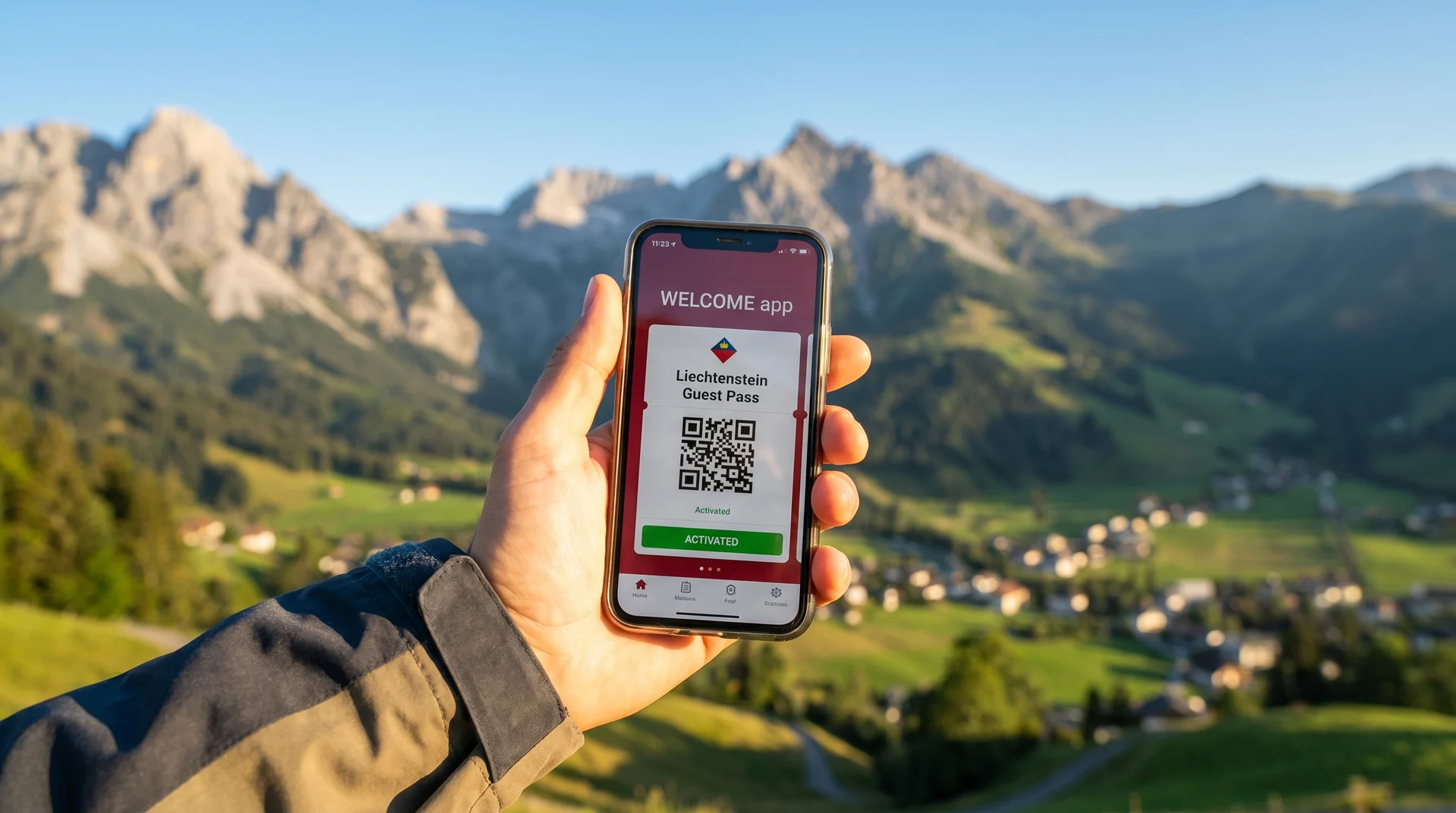
If you plan to visit multiple museums in a single day, the Liechtenstein Adventure Pass is worth calculating before buying individual tickets. A one-day pass starts at CHF 25 and covers free admission to most major attractions, free public transport, and access to additional activities across the country including the city train.
The three-day version costs CHF 35 for adults (CHF 29 for children aged 6 to 15) and adds entry to indoor swimming pools and a broader range of outdoor activities. The pass is sold at the Liechtenstein Center. A full cost analysis is available in the Liechtenstein Adventure Pass breakdown.
Practical Tips for Visiting Vaduz
- Most museums are closed on Mondays. Plan your visit Tuesday through Saturday.
- The Kunstmuseum offers free entry every Wednesday if your budget is tight.
- The walk to Vaduz Castle and back takes 45 to 60 minutes round trip, depending on pace.
- Bring Swiss francs (CHF) or a card that handles currency conversion without fees. Euros are accepted in most tourist-facing businesses but change is given in CHF.
- The LIEmobil bus network covers the entire country. A day pass for the bus is included with the Adventure Pass.
- The Städtle gets noticeably quieter after 17:00, when most shops and museums close. Plan your museum visits for the afternoon and the castle walk for either morning or late afternoon for the best light.