Liechtenstein is one of the few countries where the season you choose genuinely reshapes the entire experience. Pick July and you get sunny alpine ridges, vine-draped hillsides, and the year's biggest street party. Pick January and the same landscape turns silent and foggy down in the Rhine Valley while Malbun's ski runs gleam above the clouds. Neither is a bad choice, but they are very different trips.
- Best overall window: late May to early October
- Alpine hiking (Fürstensteig): June through mid-September
- Skiing in Malbun: December to mid-April
- National Day (free castle reception): August 15
- Wine harvest: late September to mid-October
- Quietest and cheapest: November and February-March
Summer (June to August): Peak Season and Peak Energy
Summer is when Liechtenstein makes the most sense for a first visit. The Rhine Valley sits between 18°C and 25°C, alpine trails above 1,600 meters are clear of snow, and every outdoor activity the principality offers is running at full capacity.
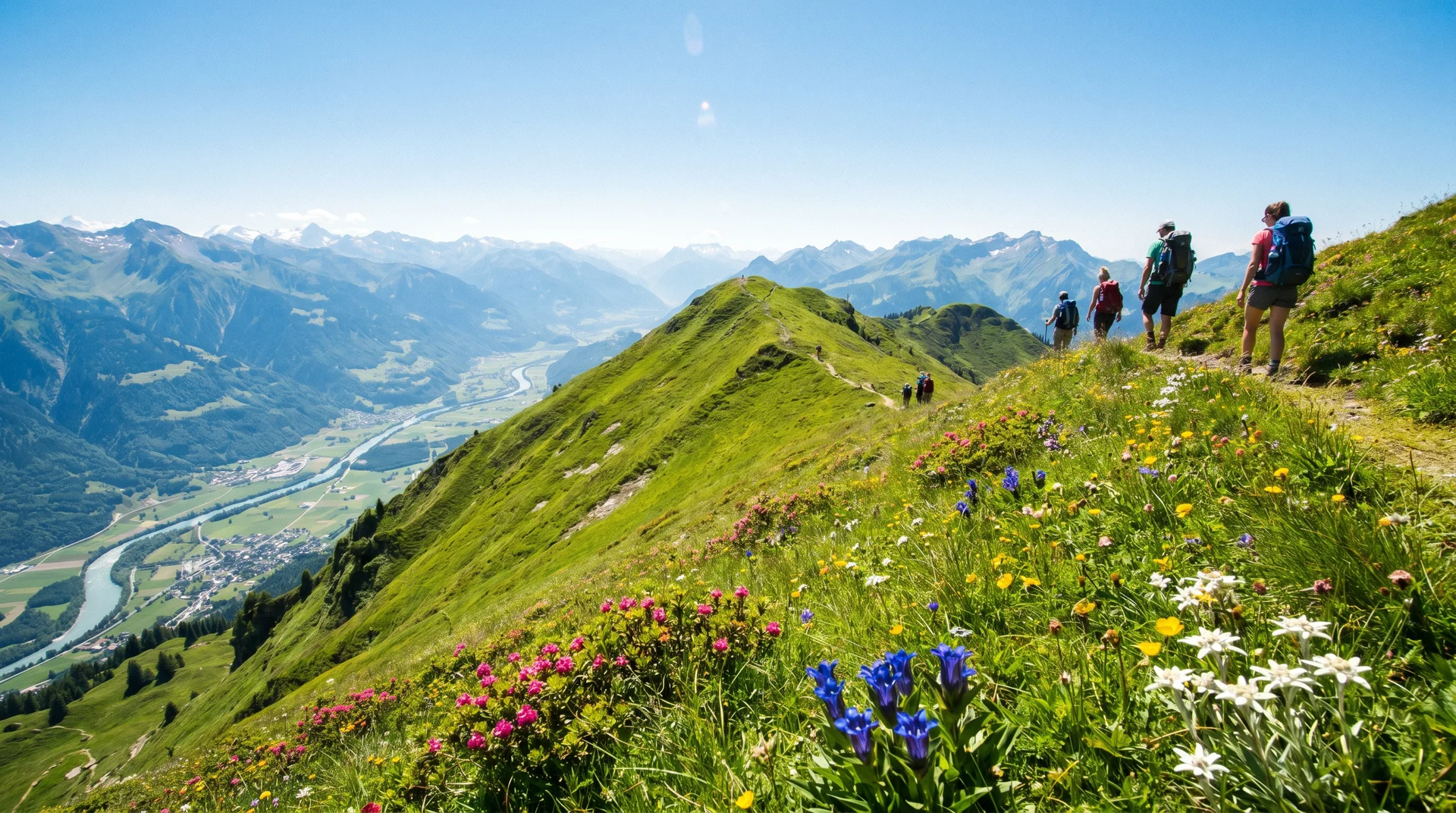
The Fürstensteig ridge walk is the headline draw. This exposed traverse along the limestone cliffs between Vaduz and Gaflei opens fully in mid-June and stays reliable through early September. The section between Naafkopf and Pfälzerhütte hut involves steel-cable handholds and significant exposure, so you want dry conditions and a clear forecast. Afternoon thunderstorms arrive almost daily in July and August, which means starting any serious ridge hike before 9 AM is essential rather than optional.
Cyclists share the valley floor with hikers in summer. The Rhine cycle route that cuts through the entire country is flat, well-signed, and connects Schaan, Vaduz, and Balzers without any navigation effort. Rental options are available in Vaduz.
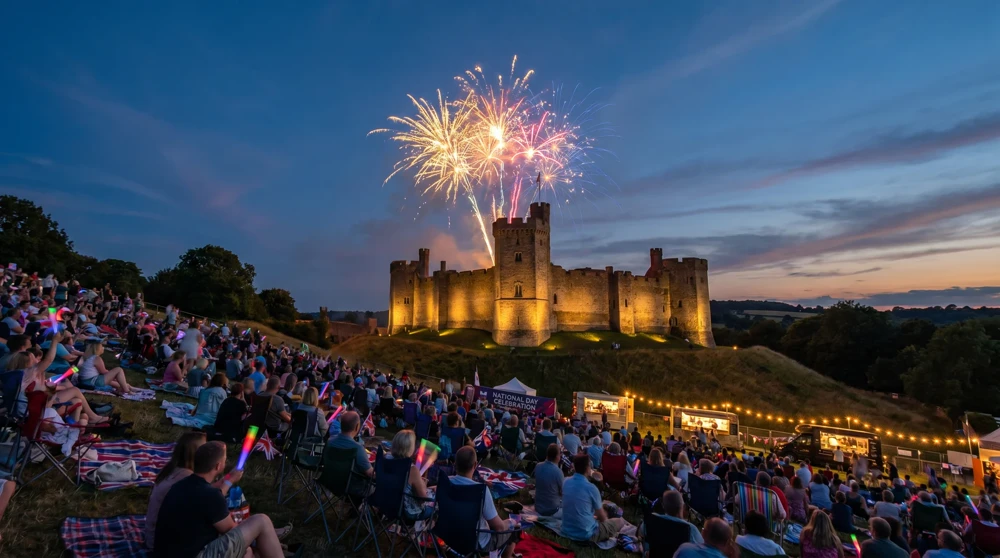
August 15 sits inside the peak summer window and deserves its own planning consideration. Liechtenstein's National Day is the principality's most unusual event: Hereditary Prince Alois opens the private grounds of Vaduz Castle to the public at 11:30 AM for speeches and a free garden reception. The event draws tens of thousands of people into a country of 40,000 residents. Book accommodation six months in advance if this date matters to you, and not because you might miss something pleasant. By April, central Vaduz hotels are gone. A folk festival fills the car-free streets of Vaduz from 2 PM, with food stalls, live music, and free flags handed out to anyone who wants one. The bonfire on the Fürstensteig and fireworks over the castle close the evening at 10 PM.
Museum and gallery season peaks in summer. The Kunstmuseum Liechtenstein in Vaduz runs full operating hours from June through August, and the adjacent temporary exhibition spaces tend to schedule their most significant shows for this window.
The downside to summer is predictable. Hotel rates in central Vaduz reach their seasonal maximum from late July through August, and the narrow pedestrian streets around the castle can feel crowded on weekends. Staying in Schaan, Triesenberg, or Balzers rather than Vaduz central cuts accommodation costs and puts you closer to trailheads.
Autumn (September and October): The Case for Arriving Late
September is the single best month to visit Liechtenstein for most travelers. Temperatures stay pleasant at 15–20°C, rainfall drops noticeably from the July-August peak, crowds thin after the summer rush, and the landscape adds color without losing access.
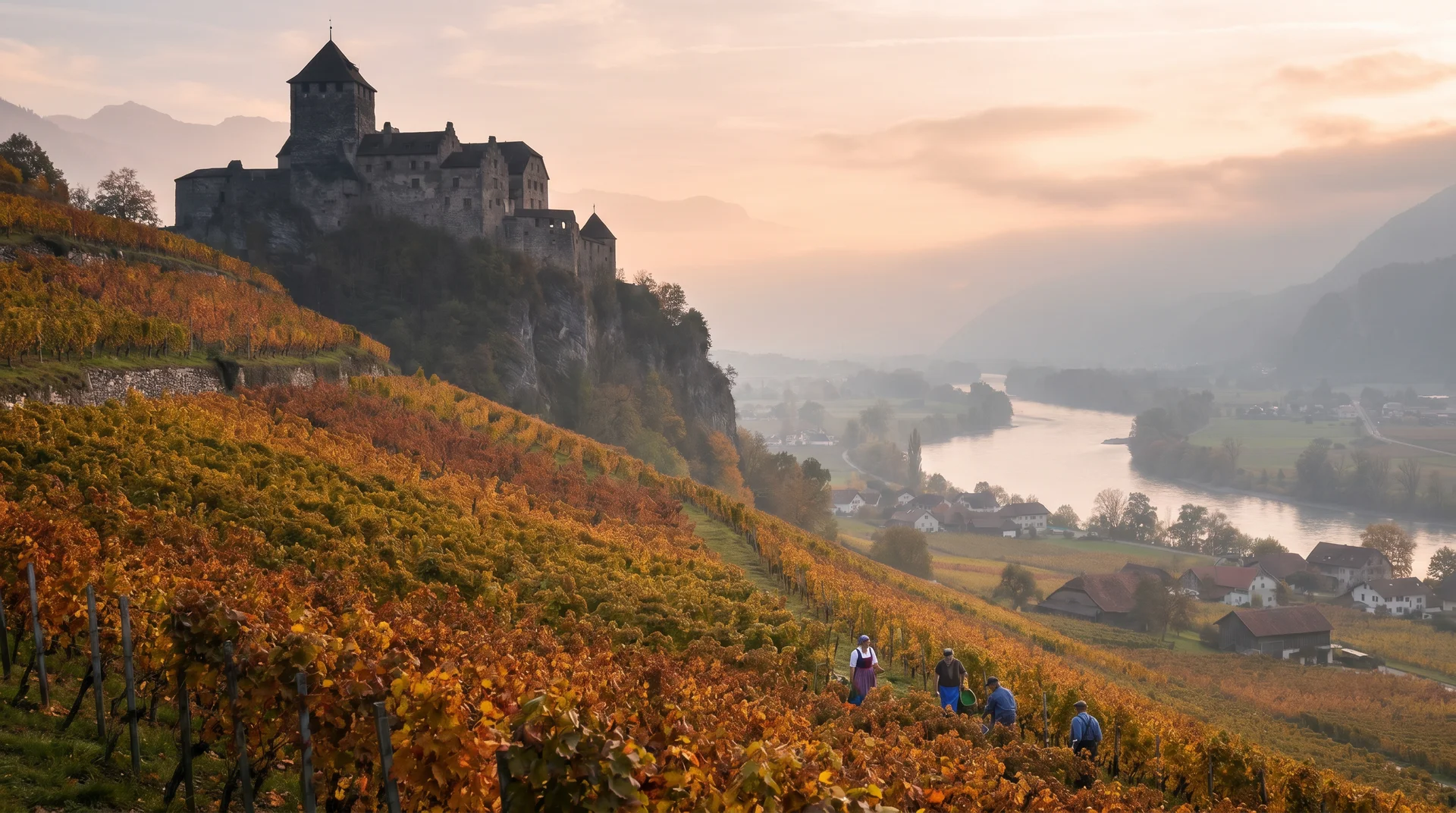
The Fürstensteig remains open through September and into early October in most years, when conditions are actually drier than high summer. The alpine meadows above Malbun shift from green to amber and rust, and low-angled light makes the Rhine Valley photographs genuinely different from anything possible in June or July.
The first weekend of September brings the Vaduz Wine Festival to the central streets. The principality produces a surprisingly serious Pinot Noir on just four hectares of south-facing vineyard beside the Rhine. The Court Winery of the Prince of Liechtenstein in Vaduz runs tastings Monday to Saturday at 3 PM, lasting around 60 to 90 minutes. September and October are the only time you can watch the harvest activity in the vineyard rows directly below the castle walls, which is a detail most itineraries skip.
By October, the high trails are closing down and Malbun is quieting before ski season. Lower valley walks through the vineyards and along the Rhine remain fully accessible. Museum hours begin to contract toward winter schedules from November.
Winter (December to Mid-April): Malbun and Rhine Valley Fog
Winter splits Liechtenstein in two very different zones. Down in the Rhine Valley at 450 meters, dense fog settles over the flatlands for days at a stretch, particularly in January and February. Vaduz in January can be grey, cold (lows at -1°C), and not especially inviting for sightseeing.
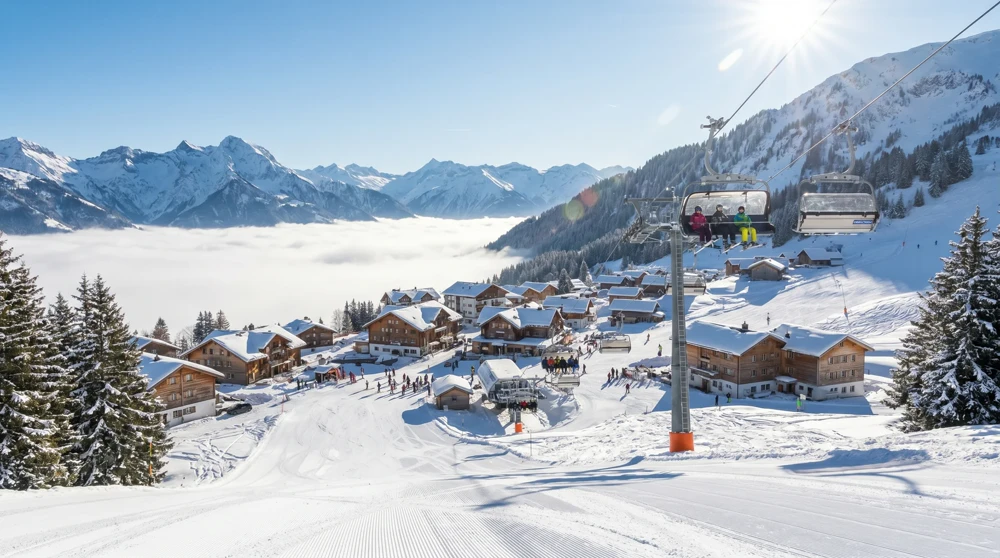
The solution is straightforward: head up. Malbun at 1,600 meters sits above the fog layer for most of the winter season, offering 23 kilometers of groomed slopes, a chairlift, cross-country skiing, snowshoeing paths, and a natural ice rink. The ski season runs reliably from early December through mid-April, with January and February delivering the most consistent snow conditions. The resort is genuinely small, which suits beginners, families, and intermediate skiers far better than serious off-piste enthusiasts.
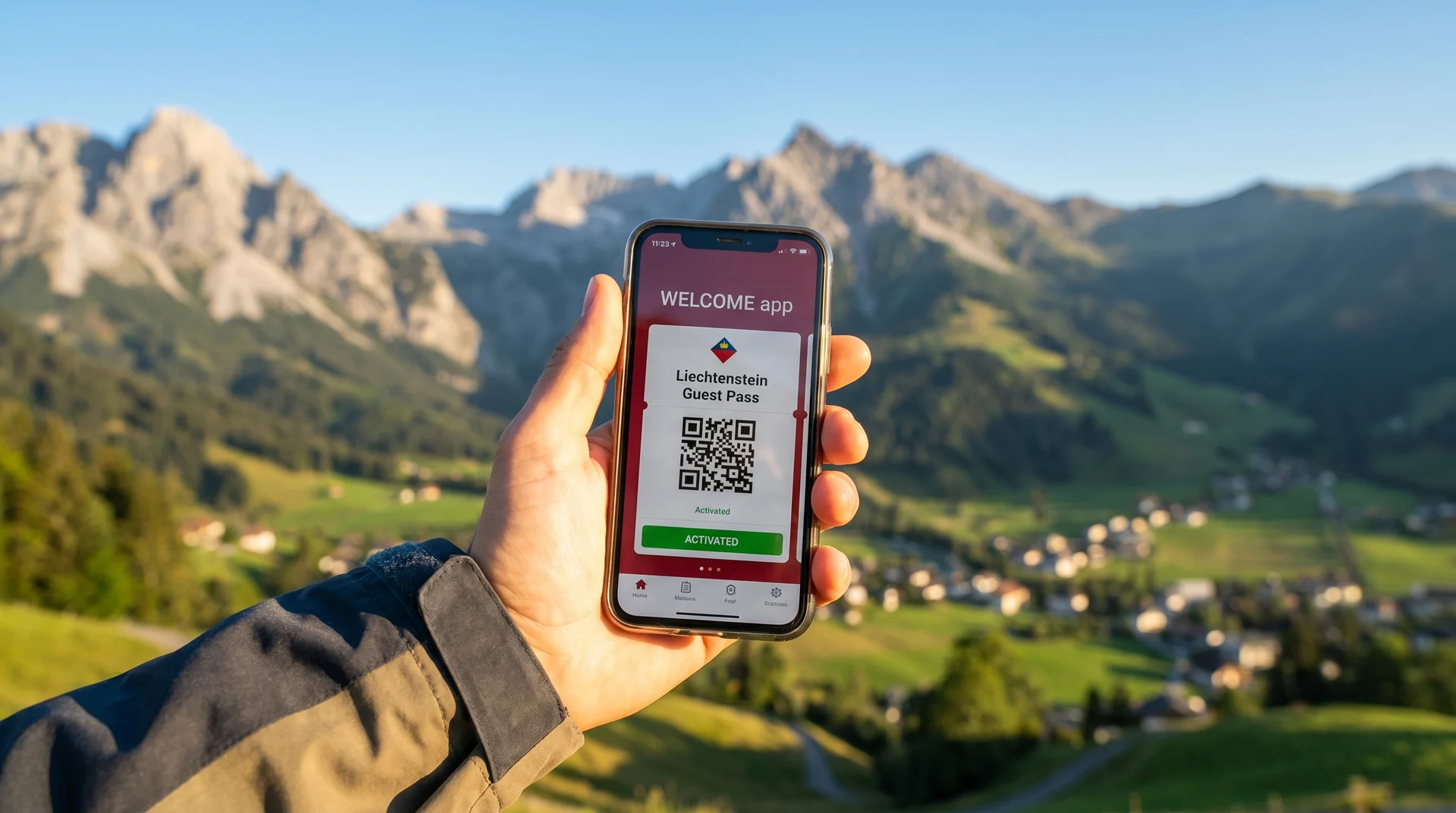
Liechtenstein has no major central train station. Getting to Malbun from Vaduz involves either a car or the Liemobil bus network, which runs regularly and covers the 30-minute ascent. Hotel guests at participating properties receive the Guest Mobility Card on arrival, giving free access to the entire bus network for the duration of their stay. Day visitors can use a CHF 9.60 day pass for unlimited travel.
Christmas markets operate in Vaduz in December, and several of the village communities hold Advent events through the month. The principality is not a winter city-break destination in the way Zurich or Vienna are, but for travelers specifically focused on alpine skiing in a genuinely small and crowd-free environment, December through February makes practical sense.
Winter accommodation rates run significantly below summer peaks, and restaurant bookings are rarely necessary outside of National Day. November and early March are the cheapest months to visit, sitting between ski season and summer demand.
Spring (March to May): Variable but Rewarding
Spring is the most volatile season for Liechtenstein weather. March can still deliver snowfall at valley level, April swings between sunshine and rain on an almost hourly basis, and May brings the longest daylight and greening meadows at the cost of the year's wettest individual days.
Lower valley trails and the Rhine cycle path are accessible from April. High-altitude routes above 1,400 meters typically hold snow through May, and the Fürstensteig section above Gaflei is generally not reliable before mid-June. Anyone drawn by the ridge hike should note this, as late-spring dates look appealing but often mean arriving before conditions allow.
The Liechtenstein Trail, a 75-kilometer marked route that crosses every municipality in the principality, uses mostly valley and lower hillside paths that clear early. It is a sensible framework for a multi-day spring visit and accessible with public transport checkpoints at each settlement.
May brings warming temperatures, genuine green on the Rhine Valley slopes, and the return of outdoor cafe culture in Vaduz. Shoulder-season prices hold through early June, making late May an underrated window for travelers who can accept some weather uncertainty.
Practical Notes for Any Season
Public transport: The Liemobil bus network covers every town in the country. Day passes cost CHF 9.60 (2026). Hotel guests at participating properties travel free. The network connects to Swiss and Austrian trains at the borders in Schaan-Vaduz and Feldkirch.
Currency: Swiss franc (CHF). Cards are widely accepted but bring cash for mountain huts, smaller vendors, and Sunday trading. Many shops close on Sundays and some close Mondays.
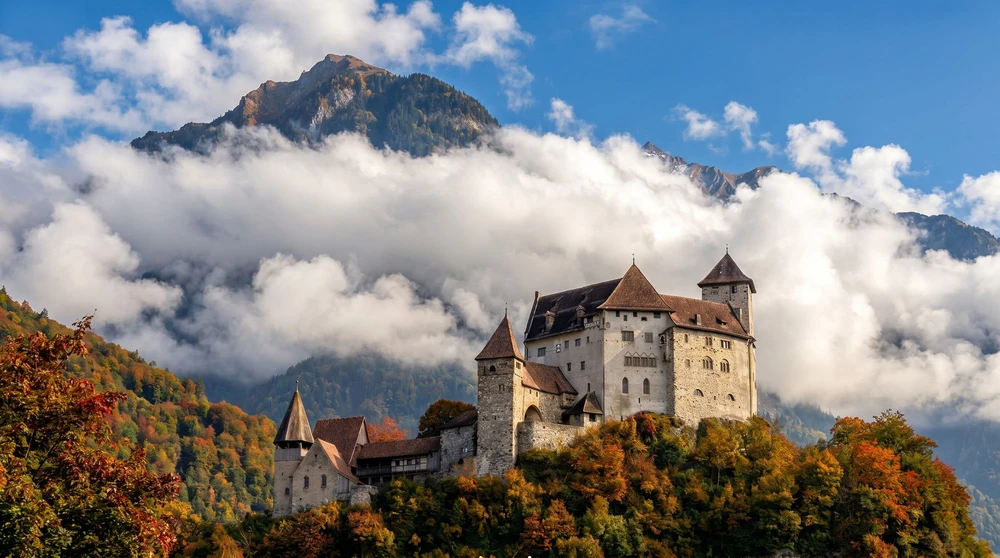
Vaduz Castle is closed to visitors year-round except on National Day (August 15), when the grounds open for the public reception. It is a private royal residence and functions as the actual home of the Princely Family.
Gutenberg Castle in Balzers opens its inner courtyard to the public during summer months only. Worth building into a southern route.
Weather changes fast above 1,500 meters. Even in peak summer, carry a windproof shell and an extra layer. Afternoon thunderstorms between July and August can arrive within 20 minutes of a clear sky.
For accommodation booking, Search hotels in Liechtenstein covers the main options across Vaduz, Schaan, Triesenberg, and Malbun. If you're combining Liechtenstein with a wider Central Europe loop, Renting a car gives you the most flexibility for moving between the principality and neighboring Austria or Switzerland.