Many visitors head to Sal Island's east coast expecting a casual beach stroll, only to find that navigating the jagged, 104-meter volcanic trails of Serra Negra requires proper hiking shoes and a 4x4 vehicle. Worse, those showing up unguided at night with bright smartphone flashlights during the summer nesting season are immediately turned away by conservation patrols. Getting the logistics right is the only way to experience this protected nature reserve without harming its fragile ecosystem or twisting an ankle on loose rocks.
| Key Information | Details |
|---|---|
| Location | Southeast coast of Sal, between Ponta da Fragata and Morrinho Vermelho |
| Terrain | Unpaved desert tracks, loose volcanic rocks, steep inclines |
| Highest Point | 104 meters (the highest elevation in southern Sal) |
| Turtle Nesting Season | July to October, peaking in August |
| Night Access | Strictly guided tours only, dark clothing mandatory |
| Transport Needed | ATV, buggy, or 4x4 jeep (standard rental cars not recommended) |
Why Serra Negra Is Sal Island's Hidden Gem
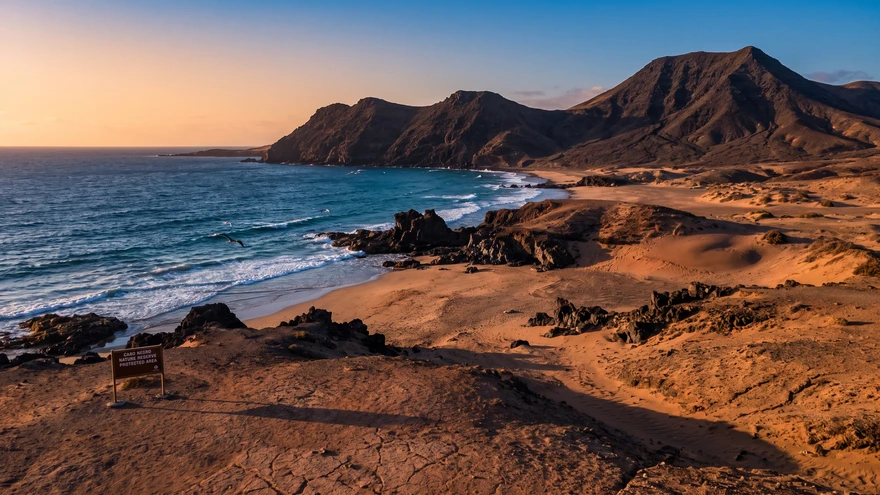
Unlike the heavy commercial buzz around Santa Maria, the 2.5-kilometer stretch of Serra Negra remains completely raw and largely untouched. The area operates as a legally protected nature reserve, covering over 3 square kilometers of land and a massive 22-square-kilometer ocean perimeter. This precise zoning prevents massive hotel developments and keeps the coastal dunes intact for the wildlife that depends on them.
The landscape is a harsh but striking contrast of arid desert plains meeting the deep blue of the Atlantic Ocean. You will not find beach clubs, paved walkways, or facilities here. The environment is deliberately preserved, acting as a crucial sanctuary for nesting seabirds and one of the world's most important breeding grounds for endangered marine life.
Hiking the Serra Negra Trail: What to Expect
Trail Difficulty and Terrain
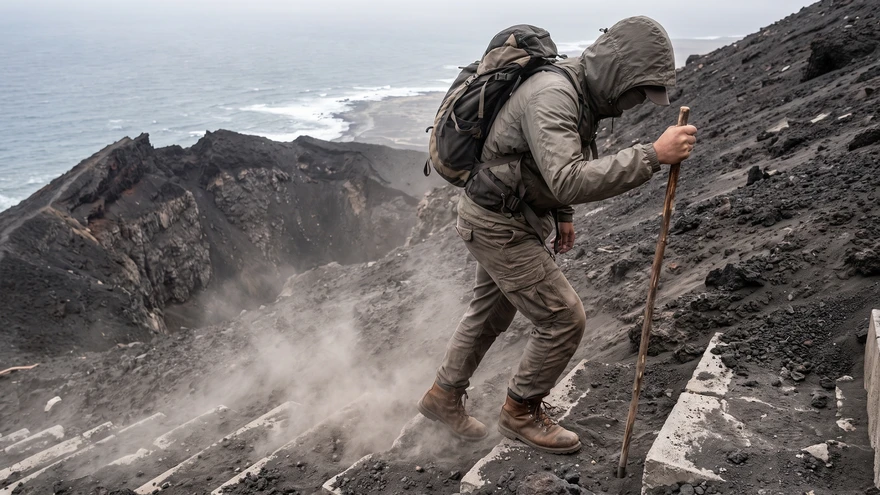
The summit sits at just 104 meters above sea level, making it sound like an effortless walk. In reality, the ascent involves navigating steep, uneven sections of loose pumice and hardened lava flows, and the final stretch often means climbing worn, crumbling concrete steps rather than a groomed path. Standard flip-flops or open-toed sandals are a massive liability here. Sturdy walking shoes or trail runners provide the necessary grip against the slippery, dust-covered stones.
The wind on this side of the island is relentless. The heavy coastal gusts can easily throw off your balance near the exposed edges of the crater rim.
Best Time of Day to Hike
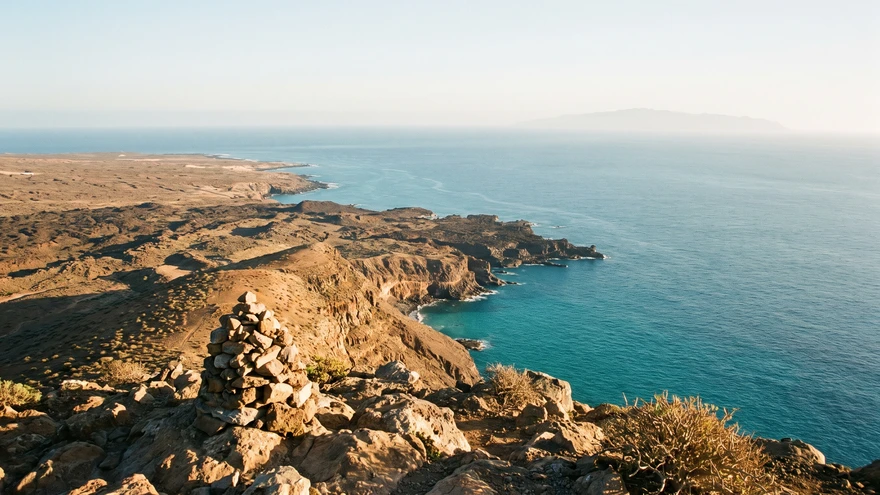
Midday heat on the exposed volcanic rock makes the climb exhausting. Early morning or late afternoon provides a much cooler window for the ascent. The physical effort pays off at the summit, where the panoramic view spans the entire southern portion of Sal Island. On a clear day with low humidity, the faint outline of neighboring Boavista Island breaks the horizon line across the ocean.
Loggerhead Turtle Nesting Season (July to October)
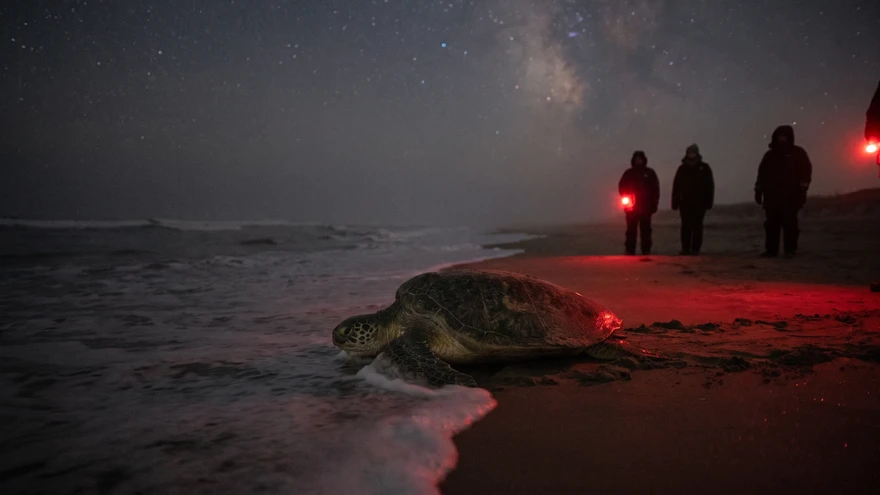
Cape Verde holds the title for the third-largest population of nesting loggerhead turtles (Caretta caretta) in the world, and Serra Negra is ground zero for Sal Island's conservation efforts. The reserve's beaches record roughly 2.4 nests per meter of sand, among the highest nesting densities found anywhere on the island. Between July and October, pregnant females emerge from the surf under the cover of darkness to lay their eggs in the warm sand, and the sheer volume of nesting activity peaks heavily in August.
Local non-profits, notably Project Biodiversity, monitor these beaches relentlessly. They protect the nests from poachers and environmental threats, sometimes relocating vulnerable eggs to secure hatcheries near Santa Maria, where early risers can occasionally join a monitored nest excavation and watch hatchlings make their first crawl to the sea. Loggerheads nest across several other beaches during Cabo Verde's broader turtle nesting season, which runs through this same window across the archipelago.
Strict Ethical Rules for Night Visits
Accessing the beach at night during nesting season requires joining an official, authorized small-group tour. Independent nighttime wandering is heavily restricted to prevent stress on the turtles. Most operators collect guests between 7:00 PM and 9:15 PM and return within two to three hours, and reported sighting success has stayed close to 99% over recent seasons, though nothing in nature is ever guaranteed.
The rules for nighttime observation are absolute. Visitors must wear dark, non-reflective clothing to blend into the shadows. White lights, camera flashes, and illuminated smartphone screens are strictly banned, as artificial lighting disorients the turtles and can cause them to abandon their nesting attempts. Guides use specialized red-light infrared torches that do not disturb the animals' vision.
Planning Your East Coast Day Trip
Pairing Serra Negra with Shark Bay and Pedra de Lume
Because Serra Negra sits isolated on the southeastern edge, dedicating an entire day trip to this side of the island makes logistical sense. Most 4x4 itineraries move north from Santa Maria, cutting through the dunes near the island's main kitesurfing spots before hitting the Serra Negra viewpoint.
From the reserve, the dusty tracks continue up the coast to Shark Bay, where juvenile lemon sharks swim in the shallow rocky waters. Further north, the road leads directly into the Pedra de Lume salt crater. Combining the intense volcanic hike of Serra Negra with a high-salinity float in the crater perfectly balances the physical exertion of the morning.
How to Get to Serra Negra
Public transport does not exist on this side of the island. The route from the nearest western settlement, Murdeira, or the southern hub of Santa Maria involves deeply rutted, unpaved desert tracks. Standard rental cars frequently get stuck in the deep sand or suffer tire damage on the sharp volcanic debris, so most visitors Book a 4x4 rental built for rough terrain before heading out.
Reaching the trailhead requires an ATV, a dune buggy, or a heavy-duty 4x4 vehicle. Guided off-road excursions remain the most reliable method for accessing the reserve. These local drivers know exactly which sandy paths avoid the deepest ruts and where to safely park without blocking the protected nesting zones.