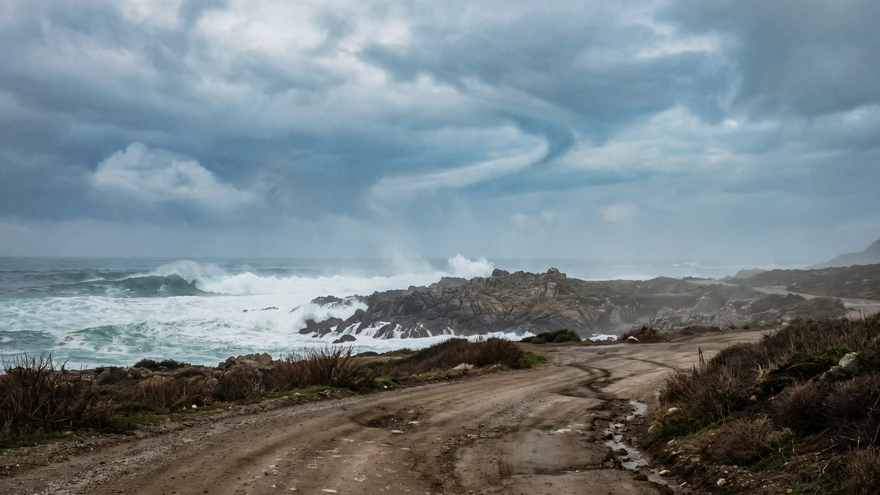
Shark Bay (locally called Feijoal) sits on the east coast of Sal Island, about 25 minutes from Santa Maria. The bay serves as a natural nursery for baby lemon sharks, which use the warm, shallow water to shelter their young from larger ocean predators. Getting the timing right separates a quiet, close-up wildlife encounter from a rushed scramble alongside tour buses.
- Location: Feijoal, east coast of Sal Island
- Distance from Santa Maria: 25 minutes by road
- Time needed: 45-60 minutes at the site
- Entry fee: €3 to the local guides managing the shoreline
What to Expect at Shark Bay
The coastline at Feijoal is rugged, windswept, and completely undeveloped. The water extends knee-deep for quite a distance before it drops off, and the seabed is made of uneven volcanic basalt rock.
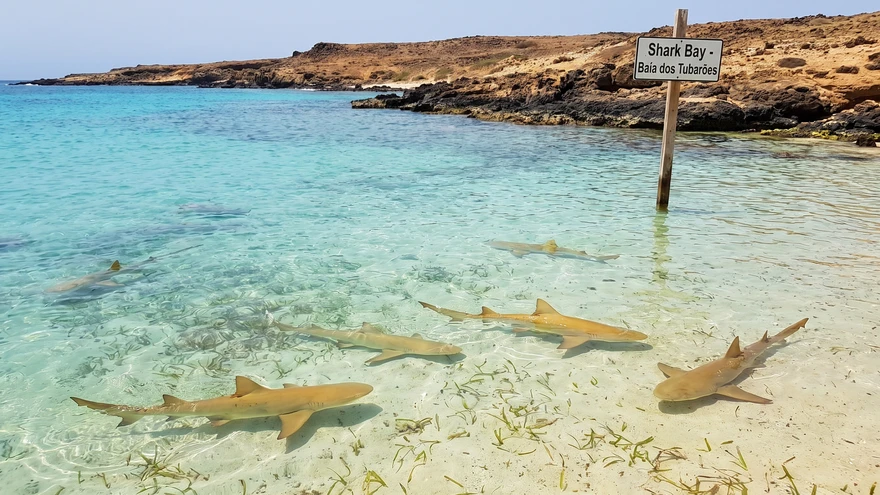
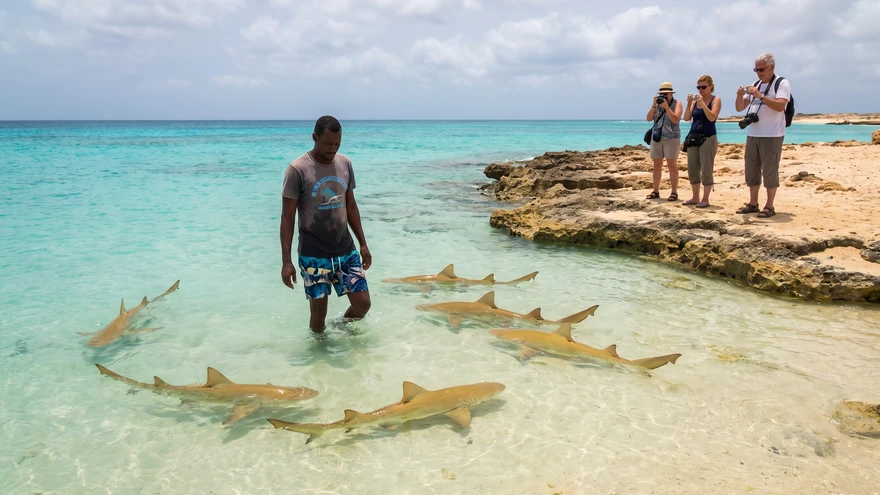
Wading out roughly 30 meters from the shore brings you into the shark nursery zone, where juvenile lemon sharks circle your ankles in search of small fish. The water clarity depends heavily on the wind, but the distinctive yellow tint of the sharks stays visible against the dark rocks even on murkier days.
Are the Baby Lemon Sharks Safe?
Lemon sharks (Negaprion brevirostris) are harmless juveniles in this bay. They lack the jaw structure or appetite to bite anything larger than tiny crabs and baitfish. The real hazard in the water is the slippery volcanic rock underfoot, not the marine life.
Follow these rules to keep the encounter calm and safe:
- Keep your hands out of the water at all times
- Stand perfectly still and let the sharks approach you naturally
- Do not chase, touch, or feed the sharks yourself
- Move slowly when repositioning to avoid startling them
Some local guides throw fish scraps into the water to attract sharks. Marine biologists advise against this practice as it disrupts natural feeding behavior. Guides who manage the site without bait produce far more natural encounters.
How to Get to Shark Bay from Santa Maria
There is no public transport covering the route from Santa Maria to Feijoal. The road passes the Pedra de Lume salt pans and becomes a dirt track for the final stretch.

Getting there by taxi is the smartest option for most visitors. A round-trip fare from Santa Maria runs between €30 and €40, and the standard arrangement includes the driver waiting at the parking area for about an hour while you are in the water. Negotiate the wait time explicitly before you depart to avoid confusion on the return leg. Ask your hotel reception to call a trusted driver rather than flagging one at random.
Organized island tours are a common alternative but come with significant trade-offs. A full-day buggy or bus tour costs €25-35 per person and typically includes stops at the salt pans, Buracona, and other sites alongside Shark Bay. The downside is a fixed schedule that drops 30-50 people at the bay simultaneously during peak hours, giving each visitor only 10-15 minutes in the water.
- Private taxi (round trip): €30-40 total, full control over timing and pace
- Island tour buggy/bus: €25-35 per person, fixed schedule, high crowds
Best Time to Visit Shark Bay
The large organized tour buses and open-air buggies arrive at Shark Bay between 10:00 AM and 11:30 AM every morning. During this window, the water becomes murky as hundreds of feet disturb the sandy bottom.
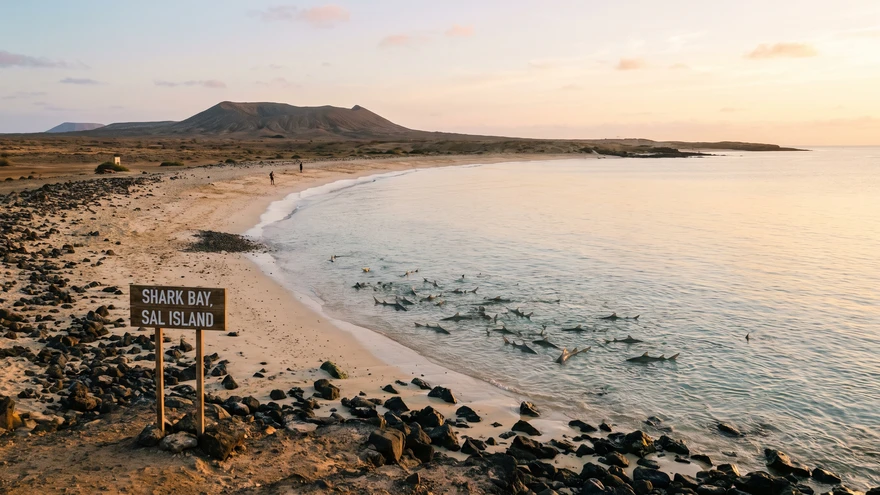
Arriving before 9:00 AM or after 3:30 PM solves both problems. The water is clearer, the crowd is gone, and the local guides are less likely to artificially lure sharks with food. At off-peak hours, the sharks behave naturally and swim much closer on their own terms.
What to Bring: The Water Shoes Rule
Water shoes are non-negotiable at Feijoal. The seabed is covered in sharp volcanic rocks and hidden sea urchins. Going barefoot or wearing loose flip-flops creates a genuine injury risk before you even reach the shark zone.
The local guides rent water shoes on-site for €3 per pair, but finding a dry, hygienic pair in the right size during busy hours is unreliable. Bringing your own hard-soled reef shoes removes that uncertainty entirely.
A pair of polarized sunglasses cuts surface glare significantly and makes it much easier to spot sharks approaching from a few meters away.
Is Shark Bay Worth It?
Shark Bay delivers an experience that very few places in the world can match: wading among wild, free-swimming sharks in their natural habitat with no tank, no cage, and no handler prompting them. The sharks are genuinely indifferent to humans, which makes the encounter feel more authentic than any controlled wildlife attraction.
The experience works best when you arrive outside tour group hours, bring your own water shoes, and choose a taxi over a packaged tour. Under those conditions, it is one of the most memorable things you can do on Sal Island.
For context on planning your broader trip, the Cabo Verde Island Hopping guide covers inter-island connections, and the Cabo Verde safety guide addresses common concerns about traveling around Sal and the other islands.