Nauru sits at the top of almost every country collector's bucket list, and for good reason: roughly 200 tourists per year visit this 21-square-kilometer island, making it the least-visited sovereign nation on Earth. If you're chasing a tick on the Travelers' Century Club (TCC) list, Most Traveled People (MTP), or NomadMania's 1,301-place ranking, Nauru counts on all of them. The question isn't whether it qualifies. The question is whether you can actually get there, and whether you'll find anything worth the effort once you do.
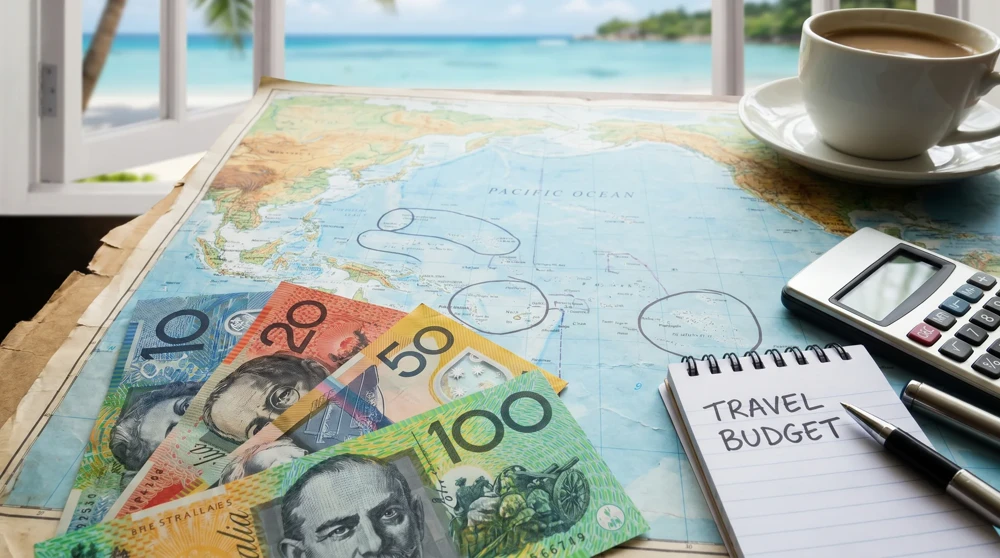
- Visa fee: AU$50 per application (2026 rate, email-based process)
- Sole airline: Nauru Airlines from Brisbane, with routes via Fiji and Kiribati
- Currency: Australian Dollar (AUD), cash only, no card acceptance at most venues
- eSIM: regional Oceania eSIM recommended; local SIM options limited
- Transport: no public transport; bicycle or car rental arranged through your accommodation
Does Nauru Count? The Country Collector Criteria
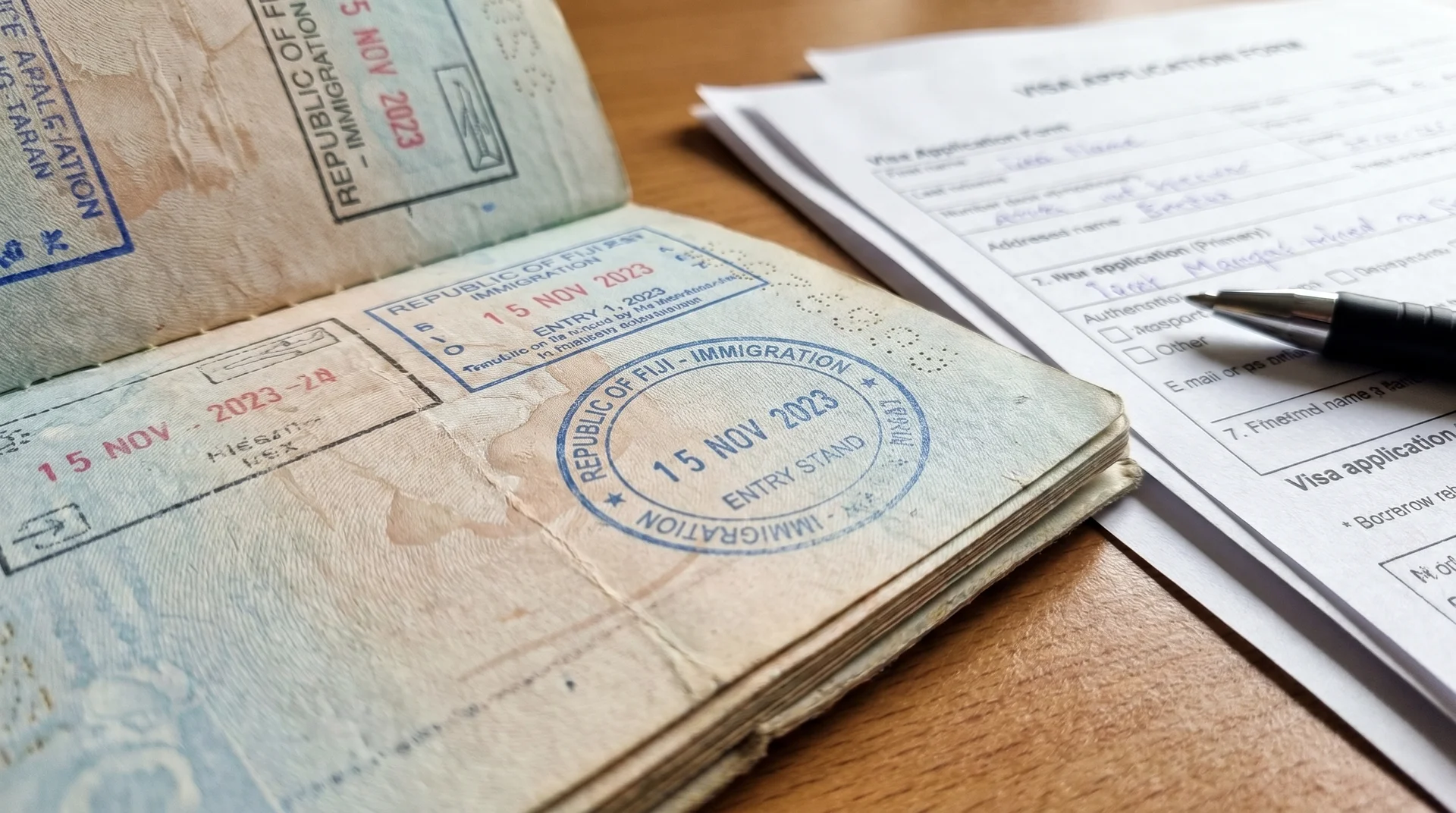
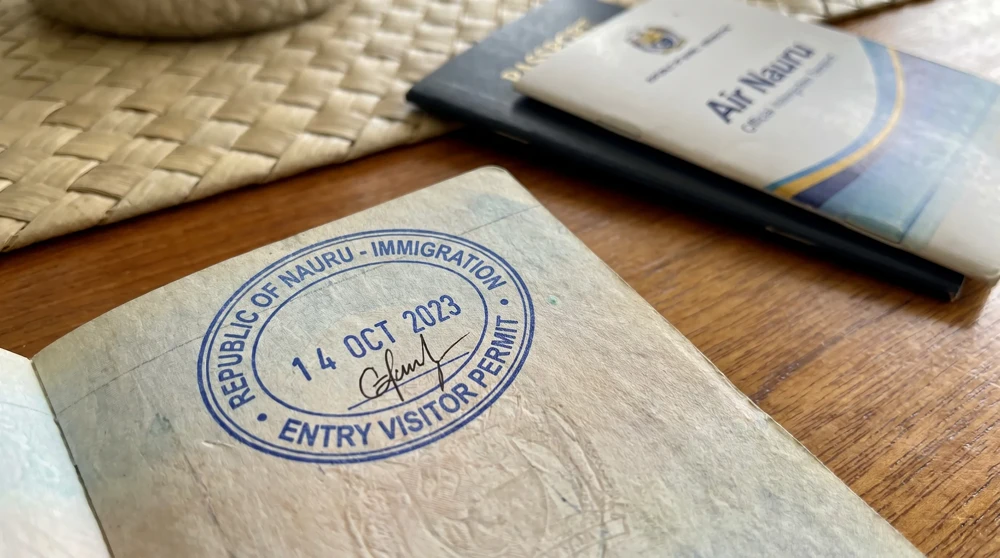
For the platforms that matter to serious collectors, Nauru counts as a full sovereign nation, no ambiguity, no dispute. It's a UN member state with its own passport, immigration system, and a very real visa stamp that takes up a full page. TCC, MTP, and NomadMania all list it as a standalone entry.
NomadMania, which runs the most granular list at 1,301 places, also counts Nauru as a single unit. There's no sub-territory or contested zone to worry about. One visit, one stamp, one country. The platform's verification committee accepts passport stamps, boarding passes, and hotel receipts as proof, all of which you'll accumulate simply by arriving.
For MTP travelers, Nauru sits in the "Oceania" region. The platform uses a stricter definition than TCC, requiring actual presence on the territory; a fuel stop or airside transit doesn't count. You need to clear immigration and set foot on the island. That means doing the full visa process, which is non-trivial.
The Nauru passport stamp itself is worth noting. The immigration officers hand-stamp your passport with a distinctive Nauru government seal. No e-passport gates, no digital processing; every visitor gets a physical mark that other country collectors immediately recognize.
How to Get the Nauru Visa
The visa process is entirely email-based and takes four to six weeks minimum. You need a confirmed hotel booking before Immigration will even send you the application form. Silence after submission does not mean rejection - weekly follow-ups are standard practice. One critical note for collectors planning Pacific loops: Nauru immigration expects to see onward travel, so never book it as the dead end of your itinerary.
The complete document checklist, step-by-step submission process, and arrival procedure are in the Nauru visa requirements guide.
Getting There: Nauru Airlines Realities
Nauru Airlines is the only carrier that flies to the island. Return fares from Brisbane run AU$1,100 to AU$1,700 depending on routing and how far ahead you book. Flight cancellations and multi-day delays are documented risks - build buffer days into your itinerary on both sides of Nauru. Full route details and booking strategy in the getting to Nauru guide.
For Travel insurance, Nauru is exactly the destination where trip interruption coverage matters. Load an eSIM before landing so you can communicate with the airline and your accommodation if flights get pushed.
What Country Collectors Actually Find in Nauru
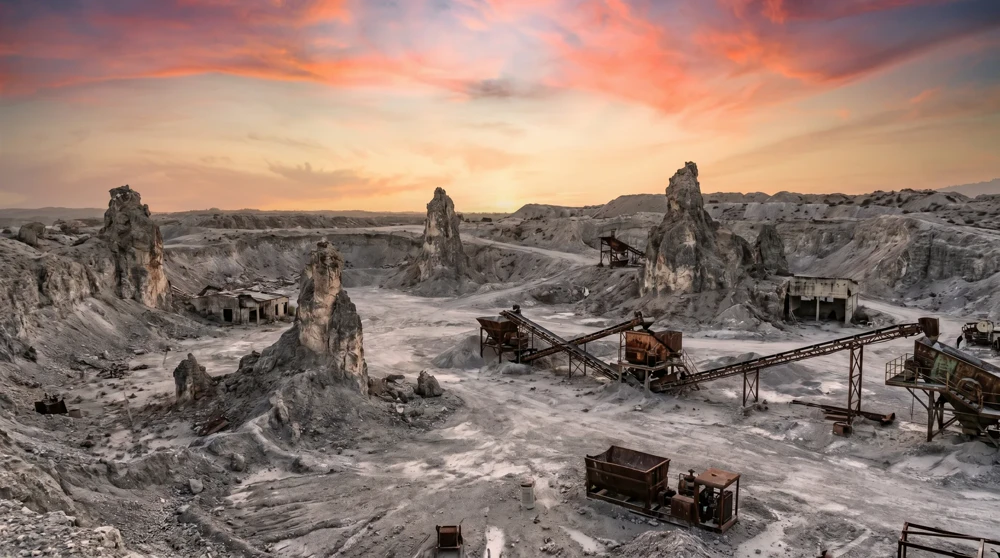
Nauru is honest about what it is. The island's entire economy was built on phosphate mining, which has left the interior looking like a moonscape of limestone pinnacles and scraped-out plateau. Most of the country's coastline is a narrow strip of road between the ocean and the phosphate fields. It's unlike anywhere else on Earth, and that visual strangeness is itself part of the draw.
Command Ridge and WWII Relics
The island's highest point at 71 meters, Command Ridge holds the most concentrated collection of WWII artifacts in Nauru. Japanese forces occupied the island from 1942 to 1945 and left behind anti-aircraft guns, communication bunkers, and prison structures that are now partially consumed by vegetation. The rusted hardware sits largely unprotected and unrestored, no barriers, no roped-off zones, just history in the open air.
The hike up is short but steep, and the equatorial heat makes it more demanding than the elevation suggests. Go early morning. The ridge also contains a crashed B-25 Mitchell bomber that country collectors specifically seek out; it's partially hidden in the undergrowth but visible with a bit of searching. The command ridge nauru experience rewards patience more than speed.
Anibare Bay
Anibare Bay on the eastern coast is the island's primary gathering spot for locals and the clearest water you'll find close to the main road. Swimming is possible here; in many other sections of coastline, sharp coral and strong currents make it hazardous. The bay is also where fishing boats operate, which gives you a sense of how the small permanent community actually lives.
More detail on the specific access points and current conditions at Anibare Bay Nauru.
Buada Lagoon
The interior of the island holds Buada Lagoon, a landlocked freshwater body surrounded by dense tropical vegetation, a stark visual contrast to the phosphate wasteland a few hundred meters away. It's small and quiet, with no facilities. The lagoon is the island's only freshwater lake, fed by rainwater and surrounded by pandanus palms and coconut trees that somehow thrive despite the depleted soil nearby.
For visiting context: Buada Lagoon Nauru.
The Perimeter Walk
Circling the entire country on foot is a legitimate attraction, not just a novelty. The paved coastal road runs 19 kilometers around the island's edge. On foot, expect three to four hours of walking in serious heat. Starting at dawn is not optional, by 9 AM the equatorial sun is genuinely punishing. A bicycle rental from your accommodation cuts the time to under two hours and is the preferred method for most country collectors who want to see everything without risking heat exhaustion.
Practical Logistics for Country Collectors
Cash and Banking
Nauru operates almost entirely on cash. Credit cards are not accepted at local shops, restaurants, or most guesthouses. ATMs exist but are notoriously unreliable, frequently empty or out of service. Bring enough Australian Dollars to cover your entire stay plus a buffer for emergencies. A rough daily budget including accommodation, meals, and transport runs AU$150 to AU$250 depending on where you stay.
Connectivity
Local Wi-Fi is slow and confined mostly to hotel lobbies. A regional Oceania eSIM loaded before landing is the practical solution. The Hello eSIM has been cited by recent visitors as the most reliable option for 4G data on the island. This matters for country collectors who want to post on NomadMania or update their MTP profiles while still on-island, which is, admittedly, a thing people do.
Accommodation
Online booking platforms list almost nothing for Nauru. Menen Hotel is the largest property, with basic amenities, a restaurant, and a weekend bar that serves as the island's social hub - the Nauru nightlife breakdown covers all four venues and the Sunday alcohol ban. Local guesthouses and serviced apartments offer alternatives with more reliable air conditioning and responsive hosts who often assist with airport transfers and bicycle or car rentals. Contact properties directly via email or WhatsApp well before arrival. Full hotel details and booking contacts at where to stay in Nauru.
Street Dogs
Packs of territorial dogs roam residential areas and main roads. Recent community efforts have reduced aggressive encounters, but walking with a sturdy stick is the standard precaution for anyone exploring on foot, particularly in neighborhoods away from the main coastal road. This is not a dramatic safety concern, but it's worth knowing before you set out at dawn for the perimeter walk.
Is the Best Time to Visit Worth Considering?
Nauru's weather follows a tropical pattern with a drier period from March to October and heavier rain from November to February. The heat is intense year-round, equatorial latitude means you're not escaping that regardless of month. The best time to visit Nauru for country collectors is essentially whenever you can align a Nauru Airlines schedule with your Pacific loop itinerary. Waiting for perfect conditions isn't how most people plan trips to this island.
Is Nauru Worth It for Country Collectors?
For serious collectors, the answer is straightforwardly yes, and the reasoning goes beyond just the tick. Nauru is genuinely strange and visually unlike any other destination. The phosphate landscape, the WWII hardware in the jungle, the landlocked lagoon sitting 100 meters from the ocean, the experience of walking the perimeter of an entire sovereign nation before breakfast: these are experiences that exist nowhere else.
The real question is logistics. The visa process requires patience, not expertise. If you're disciplined enough to be pursuing a serious country count, you're organized enough to manage email follow-ups with an immigration department. The flight reliability issue is real, but it's manageable with smart itinerary construction.
The travelers who find Nauru disappointing are usually those who arrive expecting a standard Pacific beach destination. Those who engage with what the island actually offers - AFL matches at Linkbelt Oval, phosphate history, and a genuine look at a small-nation economy under pressure - leave with a different view. The white-sand, clear-water experience is not what Nauru primarily offers. What it offers is phosphate-scarred history, functional small-island life, and a passport stamp that genuinely signals something to other collectors: you put in the work.