Nauru sits just 53 kilometres south of the Equator, which means you will never find a winter here. What you will find is a precise split between months with oppressive, heavy rainfall and months with trade winds that make the heat genuinely bearable. Getting this timing right matters far more on a 21 km² island - where one flooded road can limit your entire circuit - than it does in a destination with dozens of backup options.
Quick answer: The best time to visit Nauru is June through September, when northeast trade winds reduce humidity and rainfall drops to its lowest. The absolute worst stretch is January through March, when peak wet-season downpours can temporarily flood coastal roads.
Understanding Nauru's Equatorial Climate
Unlike destinations with four distinct seasons, Nauru operates on a two-phase tropical calendar. Temperatures barely shift across the year - lows hover around 26°C (79°F) and highs reach 31°C (88°F) year-round. The humidity level, which averages 80% annually, is what actually defines your experience on the ground.
The island lacks rivers entirely. Fresh water depends on rainfall and desalination plants. The interior, heavily shaped by decades of phosphate mining, absorbs and radiates heat quickly during afternoon hours. Staying near the coast - where most of the island's infrastructure sits - gives you access to consistent sea breezes that make a meaningful difference in comfort.
Because Nauru sits directly on the Equator, the Coriolis effect that generates tropical cyclones does not apply here. You face zero cyclone risk at any point in the year, which removes one major weather worry that affects most other Pacific island destinations.

The Dry Season: May to November
This is the window most visitors target, and for good reason. Northeast trade winds arrive from around May and create a noticeably cooler feel along the coastal ring road and Anibare Bay.
June is statistically the driest month, recording approximately 110mm of rainfall - well below the January peak of 280mm. Showers still occur, but they tend to be brief and followed quickly by clear skies.
June to September: Peak Conditions
This four-month stretch represents the most comfortable weather Nauru offers. Humidity drops perceptibly, outdoor activities become more enjoyable, and the coastal roads remain reliably passable.
- Snorkeling and freediving at Anibare Bay reach their best visibility
- The coastal ring road circuit (about one hour by car) stays clear of flooding
- WWII Japanese and Allied remnants on the Topside plateau are accessible without the punishing afternoon heat
- Sea temperature holds at a consistent 29°C (84°F) - ideal for extended water time
August is widely considered the single best month for first-time visitors. Trade winds are strong, rainfall is minimal, and the island's limited accommodation (roughly six options total) is at its most reliable.
May and October to November: Shoulder Conditions
These transitional months still offer manageable conditions. Rainfall is typically 170-180mm per month - higher than peak dry season but nothing like the wet season extreme. May in particular is a solid choice if you want dry-season weather without competing for the island's very limited accommodation capacity during the July-August sweet spot.
Angam Day falls on October 26th - a significant national celebration featuring cultural performances and traditional events. Visiting during this window gives you rare insight into Nauruan culture, though you should book accommodation well in advance.
The Rainy Season: December to April
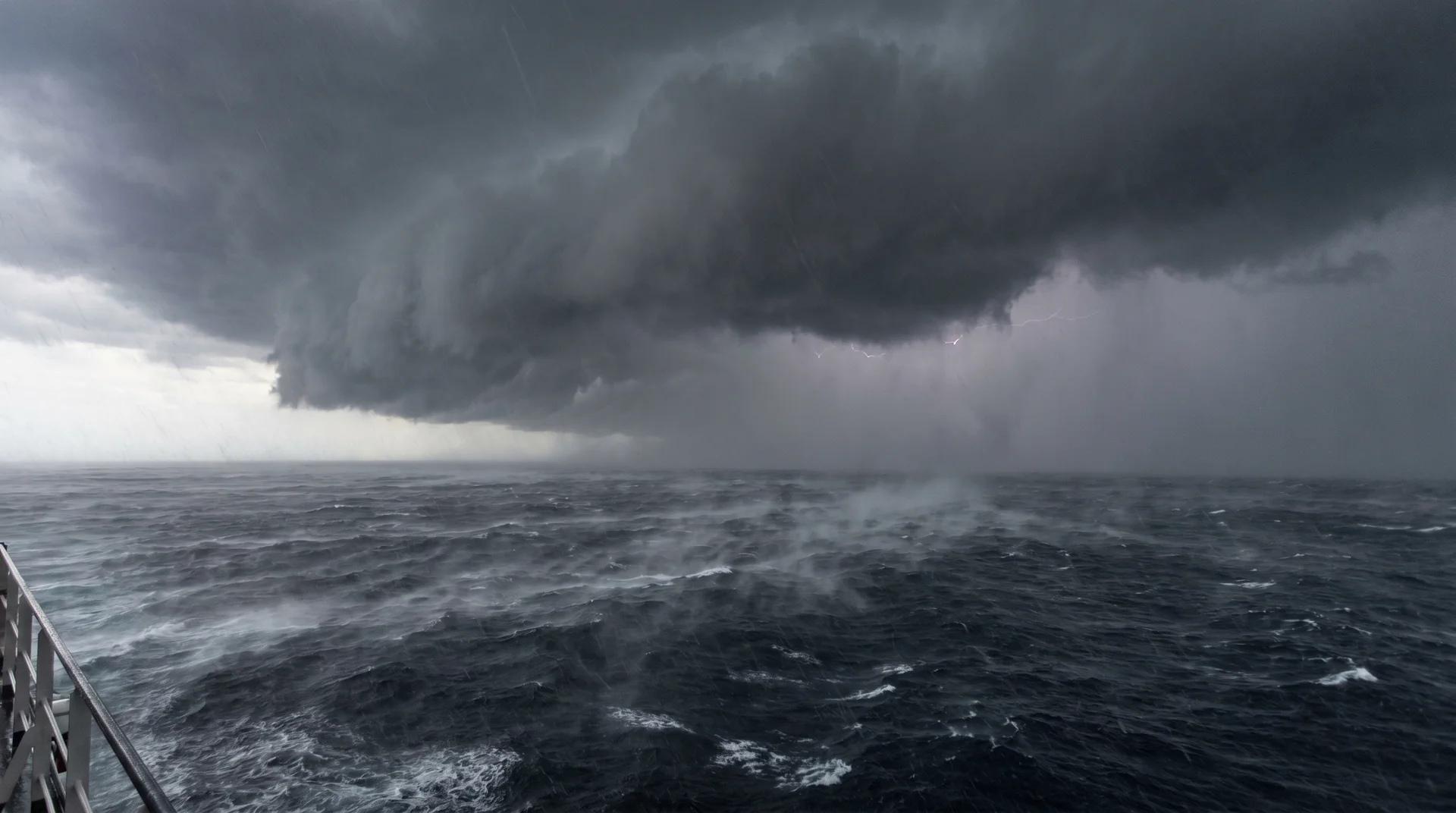
Traveling in this window requires honest preparation. The wet season brings heavy, extended downpours rather than the quick tropical showers of the drier months.
December through February is the peak of the rainy season, with January recording an average of 280mm - more than double June's total. Coastal roads can flood temporarily. The interior Topside plateau becomes more difficult to navigate on foot. Humidity at its peak makes sustained walking genuinely exhausting.
January and Independence Day
January 31st marks Nauru's Independence Day, drawing locals back from abroad and filling the island's limited accommodation quickly. If this cultural event draws you, book months ahead and plan indoor or vehicle-based activities for the afternoon thunderstorm window (typically between 2-5pm).
If You Must Travel in the Wet Season
The wet season does not make Nauru impossible to visit - it makes it less comfortable and more logistically uncertain.
A few practical adjustments help:
- Structure your day around morning activities before the afternoon storm window
- Keep a lightweight, packable rain jacket accessible at all times
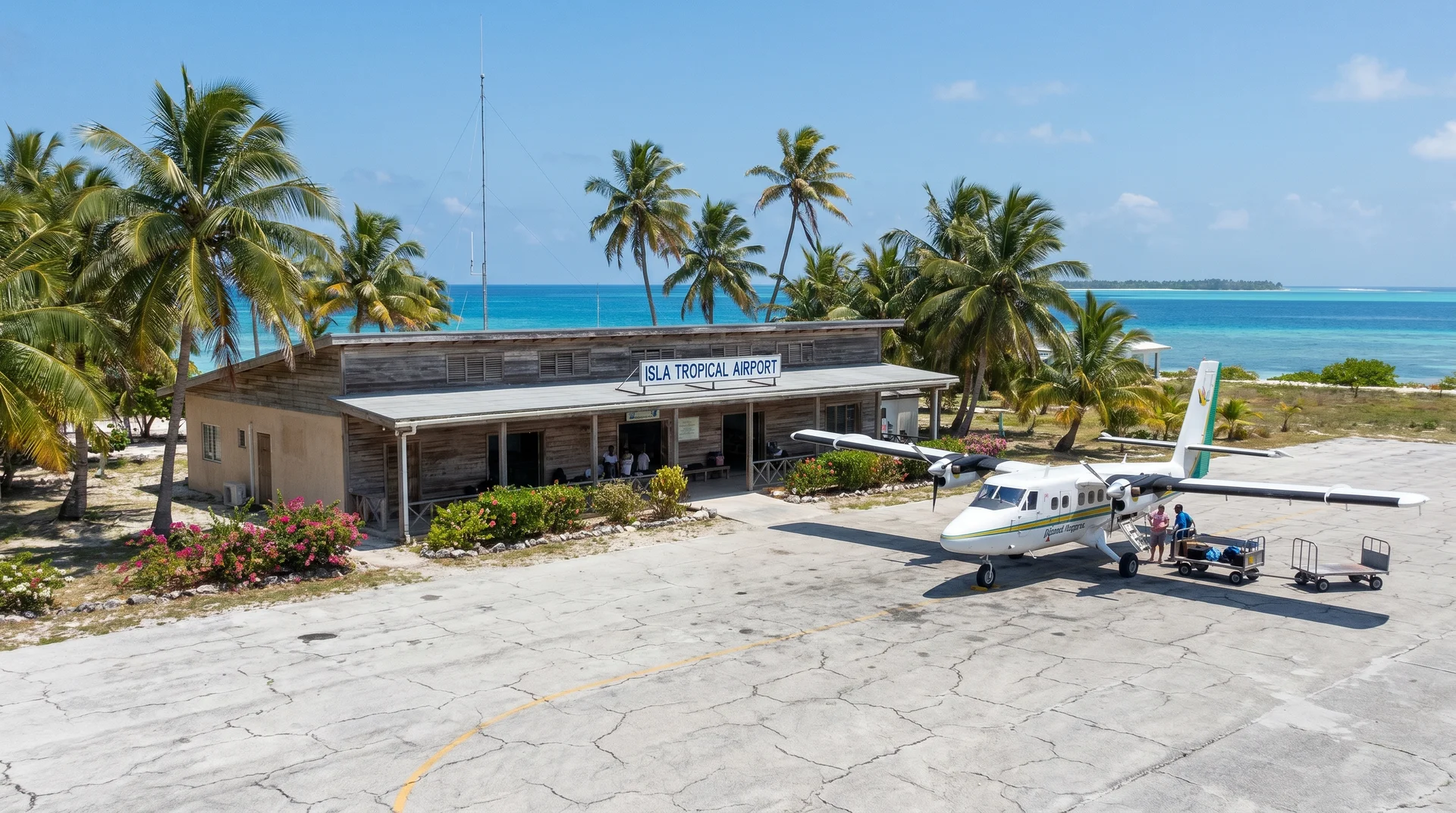
- Build extra buffer days into your schedule in case Nauru Airlines delays extend your stay - weather disruptions on an island with 3-4 weekly flights can strand travelers for multiple days
- Buada Lagoon, one of the island's most photogenic spots, actually shows lush greenery during the wet season if you prefer that aesthetic
Monthly Nauru Weather at a Glance
| Month | Avg High | Rainfall | Verdict |
|---|---|---|---|
| January | 31°C | 280mm | Avoid - peak wet season |
| February | 31°C | 250mm | Avoid |
| March | 31°C | 190mm | Poor |
| April | 31°C | 190mm | Marginal |
| May | 31°C | 150mm | Good - shoulder start |
| June | 31°C | 110mm | Excellent - driest month |
| July | 31°C | 120mm | Excellent |
| August | 31°C | 120mm | Excellent - best month overall |
| September | 31°C | 100mm | Excellent |
| October | 32°C | 120mm | Good |
| November | 32°C | 170mm | Good |
| December | 32°C | 260mm | Avoid - wet season returns |
The La Niña Effect on Nauru
Global weather patterns can shift Nauru's experience significantly beyond the typical seasonal pattern. During La Niña years, Nauru experiences severe droughts - the opposite of what most travelers expect from a tropical island. The greenery fades, water conservation becomes a strict local priority, and some accommodation options may have limited fresh water availability.
Checking long-range ENSO forecasts 3-6 months before your trip takes 10 minutes and can help you anticipate whether you are heading into an unusually dry or unusually wet cycle.
What to Pack for Nauru
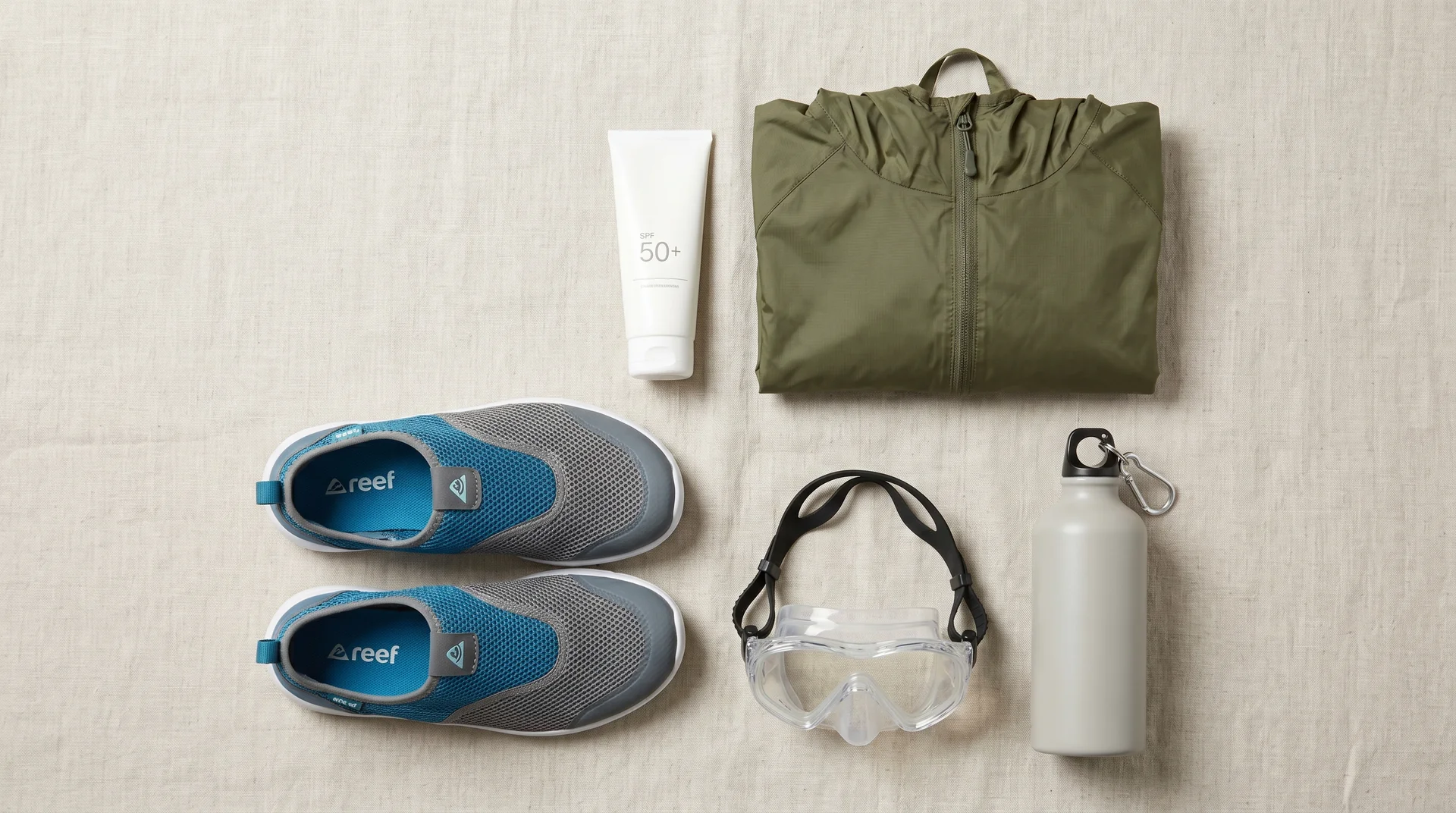
The equatorial climate demands a specific packing approach regardless of season:
- Lightweight, loose-fitting clothing in linen or moisture-wicking synthetics - heavy fabrics become miserable within an hour
- Broad-spectrum SPF 50+ sunscreen - equatorial UV intensity is significantly higher than temperate destinations
- A packable rain jacket or compact umbrella - even in the dry season, brief showers appear without much warning
- Sturdy, closed-toe walking shoes for navigating the uneven phosphate pinnacles on the Topside plateau
- A light layer for evenings - sea breezes along the coast drop the perceived temperature after sunset
- Offline maps and downloaded content - telecommunications infrastructure is basic and internet connectivity is intermittent across the island's single mobile network
Flights and Getting There
Nauru Airlines operates 3-4 weekly flights from Brisbane, with additional connections via Nadi (Fiji) and Tarawa (Kiribati). The limited schedule is the single biggest constraint on your trip length and means missed connections can cost you days. Full route details, booking tips, and the June 2026 runway works advisory are in the getting to Nauru guide.
Visa and Entry Requirements
Most nationalities must apply for a visa before arrival via email to the Nauru Department of Immigration. Allow several weeks for processing. The full document checklist and application steps are in the Nauru visa requirements guide.
How Long to Stay
Most travelers allocate 3 to 5 days in Nauru, and the island's scale genuinely constrains longer itineraries unless you plan to slow down significantly. The full coastal ring road circuit takes under an hour by car. Key sites - Anibare Bay, Buada Lagoon, Command Ridge, and the Topside plateau - can be covered in 2-3 full days.
Flight schedules often make the decision for you. With 3-4 weekly departures, you may find a 4-night or 7-night stay more practical than a 3-night one simply based on available return options.