Anibare Bay sits on the eastern coast of Nauru and is widely regarded as the island's most photogenic stretch of beach. The sharp limestone pinnacles rising from the reef at the northern end are unlike anything you will find on a typical Pacific island, and the contrast between the jagged grey rock and turquoise water makes the bay worth the trip. But arriving unprepared can turn a great photo opportunity into a frustrating or even dangerous experience.
The Limestone Pinnacles of Anibare Bay
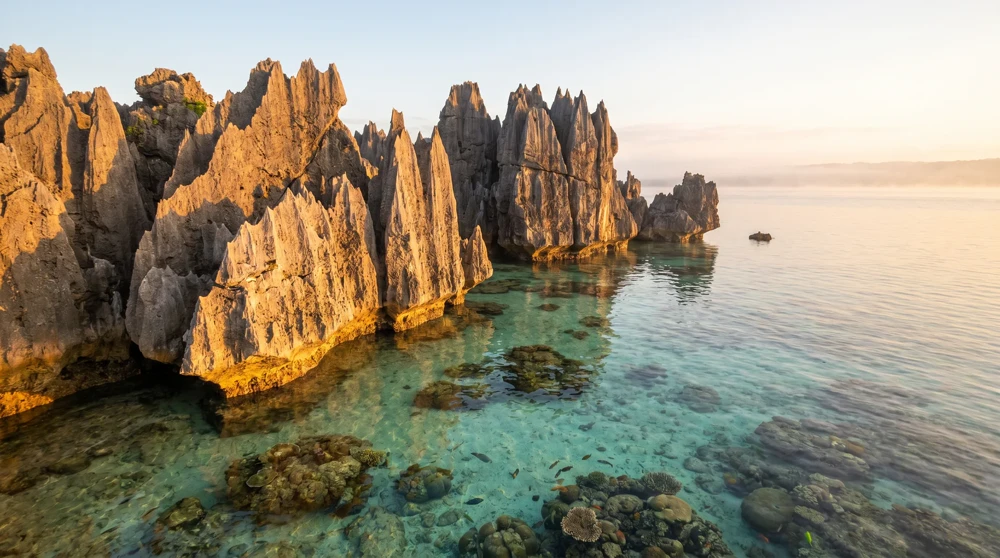
The shoreline at Anibare Bay does not match the standard tropical beach image. Intertidal dolomite limestone pinnacles rise up to three meters directly from the reef and sandy floor, forming dramatic clusters that define the northern end of the bay.
The rough, grey textures of the coral limestone contrast sharply with the bright turquoise water. Walking on these formations is hazardous - the razor-sharp edges can cause severe lacerations even through light footwear. Stick to the sandy clearings between the pinnacles and keep protective water shoes on at all times when exploring near the waterline.
The best time to view the pinnacles is at low tide, when the full height of each formation is visible and the surrounding tide pools become accessible. These pools provide small microhabitats for algae and juvenile corals that are worth a closer look if you are careful. At sunrise, the light hitting the pale limestone creates particularly strong photographic conditions.
Is It Safe to Swim at Anibare Bay?
Swimming directly in the main bay area is not straightforward. The submerged limestone and coral create significant hazards that even mild currents can push you into. The beach itself spans roughly two kilometers along the eastern coast, but the open water along most of this stretch is too dangerous for casual swimming.
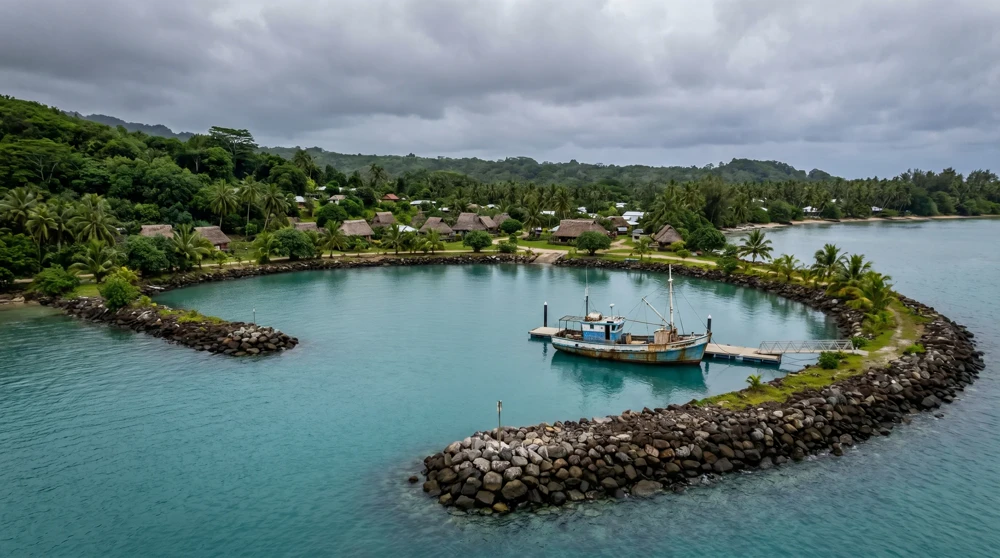
The practical solution used by both locals and experienced visitors is the Anibare Boat Harbour, located just a short walk from the main beach. The harbour provides deep, protected water that is entirely clear of the sharp coastal pinnacles. It is consistently described as the only genuinely safe swimming spot on the eastern side of the island, and local children use it regularly.
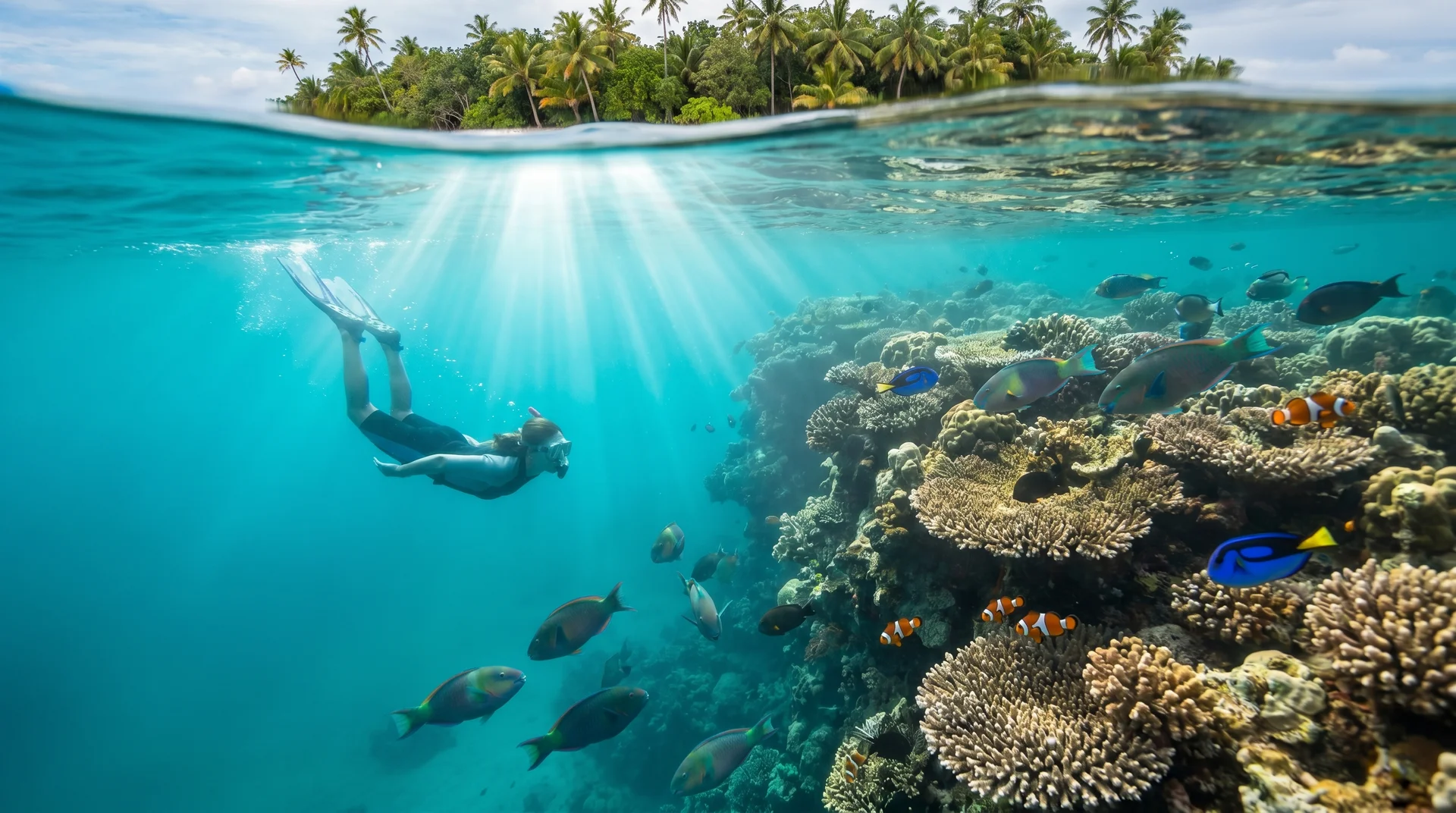
For snorkeling, the area just beyond the harbour entrance, where the coral patches begin, offers decent visibility and marine life. Bring your own snorkeling gear - there are no rental shops at the bay. A thick wetsuit top or rash guard is worth packing to protect against coral contact.
How to Get to Anibare Bay
The bay sits directly off the Island Ring Road on the eastern coast, making it accessible from any point on the island without needing to navigate complex backroads.
Taking the Public Minibus
Catch a minibus heading east from Nibok toward Anibare District. Tell the driver your destination when you board. The journey takes 15 to 20 minutes depending on island traffic. The bus drops you at the pathway leading to the shoreline.
Driving via the Island Ring Road
From central Nibok, head south to the Ring Road and turn east. Follow the coastal route for approximately 10 minutes until the bay appears on your left. Parking is generally available near the beach entrance. Car rental runs approximately A$80 per day for a 4WD through Capelle and Partners, which is the most flexible way to reach the bay and the surrounding district attractions on your own schedule.
Hiring a Local Guide
Local guides, including those arranged through the Menen Hotel, offer island tours for around A$40 that typically include Anibare Bay as a main stop. The visiting Nauru overview covers how rentals, guides, and transport are arranged across the island. If you want context for what you are looking at - particularly the geological formation of the pinnacles and the phosphate mining history of the surrounding district - a guide adds considerable value.
Where to Swim: Anibare Boat Harbour
Anibare Boat Harbour was built in 2000 as a commercial fishing port. The enclosed walls protect the interior from ocean swells, creating a calm, deep swimming area that is particularly popular in the late afternoon when locals arrive after work. The harbour is also the main entry point for the diving and snorkeling sites on the eastern side of the island.
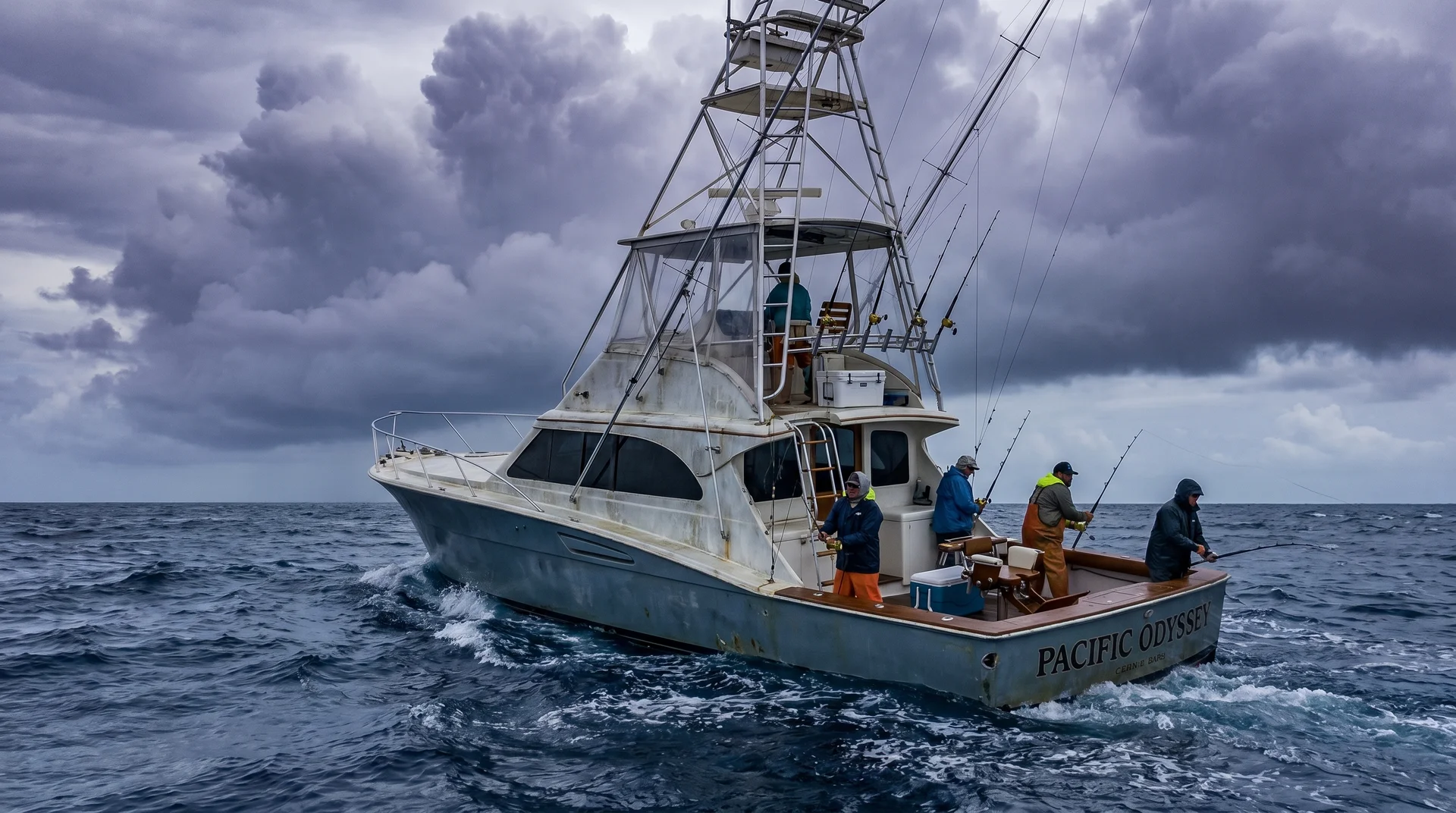
The harbour also serves as the primary launch point for deep-sea fishing charters. The reef drop-off occurs extremely close to shore, meaning fishing boats reach productive open-water grounds within minutes of departure. Equatorial Gamefishing Charters operates two vessels out of this harbour offering half-day and full-day trips targeting marlin, yellowfin tuna, wahoo, and barracuda. Contact them via Capelle and Partners (phone: +674 5571001, email: cpreservations@capelle.com.nr).
Things to Do Near Anibare Bay
Deep-Sea Fishing
The Pacific waters off the eastern coast are some of the most productive game fishing grounds in the region. Depths reach up to 2,000 meters within short distance of the shore, concentrating large pelagic species close to the island. Half-day and full-day charter trips are available directly from the harbour. Expect to target marlin, sailfish, and yellowfin tuna year-round.
Photography at Sunrise
The limestone formations at the northern end of the bay photograph best in early morning light. Arrive at or just before sunrise to catch the warm directional light hitting the pale rock surfaces. The bay is typically deserted at this hour, giving you unobstructed access to the best vantage points along the waterline.
Exploring Anibare District
The district surrounding the bay contains several points of historical and natural interest. The Moqua Caves - a network of limestone caves - are accessible with a local guide and provide insight into the geological processes that also shaped the bay's pinnacles. Command Ridge, Nauru's highest point, is reachable from the district and offers panoramic views over the eastern coastline.
Where to Eat Near Anibare Bay
Facilities directly on the beach are minimal. There are no cafes or food stalls at the waterline itself.
Anibare Boat Harbour Restaurant is the closest dining option and is a short walk from the main beach. It serves Chinese food and has earned a strong local reputation as one of the better dining spots on the island. For a broader picture of what and where to eat across the island, Nauru local food covers the full picture.
Bayview Restaurant (also called The Bay Restaurant) is within walking distance of the Menen Hotel and the bay area, serving Asian fusion including pizza, burgers, and sashimi. Reviews consistently rate it among the top eating options on Nauru.
Menen Hotel restaurant is a practical fallback serving both Western and Chinese dishes. Budget around A$10 to A$40 per meal at these venues. Credit cards do not work in Nauru - bring Australian dollars in cash for all transactions.
What to Pack for Anibare Bay
Because there are no rental shops or facilities directly at the beach, everything you need must come with you.
- Reef or water shoes - essential for walking near the limestone formations
- Snorkeling gear - no rentals available at the bay
- Reef-safe sunscreen - UV exposure is intense at this latitude
- Fresh drinking water - no vendors at the beach
- Australian dollars in cash - the only currency accepted on the island
- Wetsuit top or rash guard - protects against coral contact during snorkeling
Best Time to Visit Anibare Bay
The dry season from May to October provides the most comfortable conditions for visiting the bay. For a full monthly breakdown, the best time to visit Nauru guide covers rainfall averages, trade wind patterns, and which specific weeks to target. Humidity is lower, coastal swells are calmer, and afternoon rain is less frequent than in the wet season months.
Within the day, early morning offers the calmest water and the best natural light. The limestone reflects the rising sun well, and the absence of wind keeps the water surface cleaner for snorkeling visibility. Checking local wind conditions before leaving your accommodation helps avoid arriving during uncomfortable coastal swells.
Avoid visiting at high tide if your primary goal is viewing the pinnacles - the formations are partially submerged and less visually impressive. For swimming purposes, high tide is preferable as it fills the harbour and increases swimming depth.