A common mistake travelers make when choosing between Malta and Sicily is assuming they need the same time and the same logistics. Sicily needs at least ten days and a rental car to barely scratch the surface, while Malta lets you cover an entire country on local buses in a long weekend. The two islands sit just 81 kilometers apart, yet they ask for completely different trips. This guide breaks down getting there, cost, beaches, food, days needed, and the ferry that links them.
| Feature | Malta | Sicily |
|---|---|---|
| Size | 316 km² (compact) | 25,711 km² (vast) |
| Ideal trip length | 4 to 7 days | 10 to 14+ days |
| Primary transport | Public bus, Bolt, ferries | Rental car, regional trains |
| Daily budget | €80 to €120 | €70 to €130 plus car rental |
| Key highlights | Megalithic temples, diving, walkable cities | Mount Etna, Greek ruins, food culture |
Both islands are cheaper than mainland Italy or Northern Europe, but the way you spend differs. Malta saves you money on transport, while Sicily rewards you with low food prices and forces a car cost on you.
Size and Getting Around
Malta is incredibly compact, measuring just 27 kilometers long. You can travel between major historical sites, beach towns, and the Gozo ferry terminal without ever renting a car. The public bus network covers the whole island, though routes slow down in heavy summer traffic.
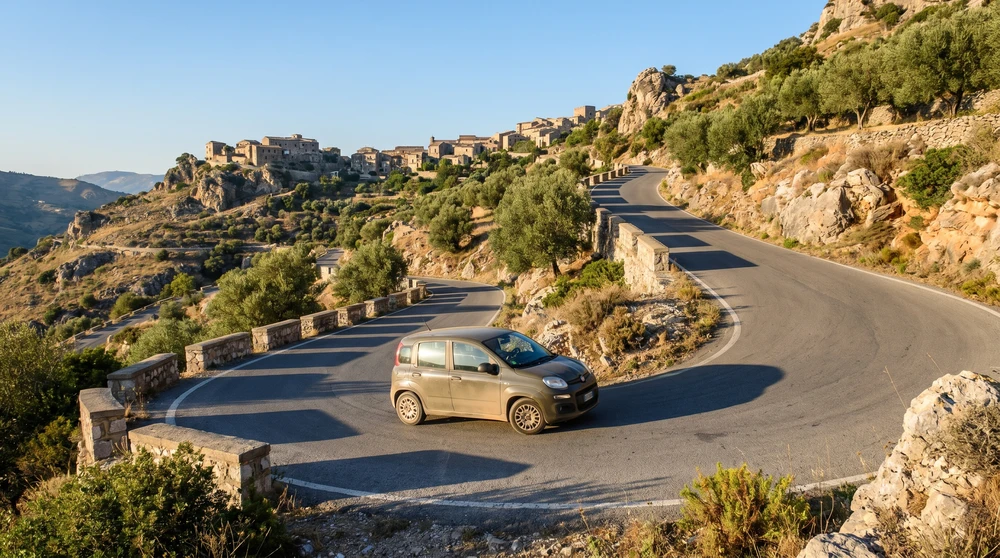
Ride-hailing apps like Bolt run efficiently and stay affordable on short hops, and Valletta itself is fully pedestrianized and small enough to explore on foot. Sicily is the largest island in the Mediterranean and over 80 times larger than Malta. Relying on public transport alone confines you to hubs like Palermo or Catania. To reach the Baroque towns of Val di Noto or hidden coastal reserves, a rental car is essential.
Be ready for assertive local driving, narrow mountain roads, and busy city traffic. Driving from Palermo in the west to Syracuse in the east takes at least three hours.
If you want the full picture on hiring a car for the smaller island, renting a car and driving in Malta comes with its own costs and quirks.
Beaches and Coastal Vibe
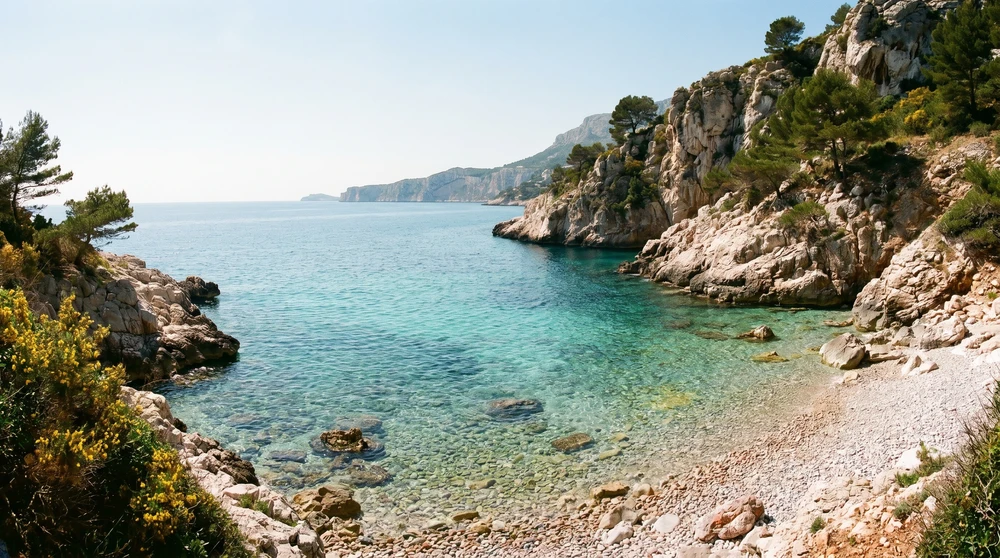
Malta is not a traditional sandy beach destination. The coastline is dominated by dramatic limestone cliffs, deep blue water, and rocky inlets like St. Peter's Pool.
These spots offer world-class visibility for scuba diving and snorkeling. If you want soft sand, head specifically to northern bays like Golden Bay, or take a boat to the famous Blue Lagoon on Comino. Sicily offers a much wider range of classic beach days. You will find long white-sand stretches at San Vito Lo Capo and lively seaside resorts like Cefalu.
The island also has volcanic beaches with inky black sand, especially on a side trip to the Aeolian Islands. The sheer length of the Sicilian coastline means you can find an empty cove even in high season.
For a closer look at where to swim on the smaller island, the best beaches in Malta and Gozo range from sandy bays to rocky coves.
Food Culture: Pastizzi vs Arancini
Maltese cuisine is a rustic blend of Mediterranean staples and North African influences.
Local menus feature hearty rabbit stews, octopus cooked in garlic, and ftira, a thick-crusted flatbread. Street food is highly affordable, with a savory cheese or pea pastizz costing less than a euro. Coffee leans pricier, often above €2 for a standard espresso. Sicily carries serious culinary weight and ranks among Europe's top food destinations. You'll discover dishes locals eat daily, not tourist novelties, from the eggplant and ricotta of pasta alla Norma to pistachio-filled cannoli.
The street markets in Palermo, like Ballaro, serve deep-fried arancini and chickpea fritters for a few coins, alongside the classic €1 Italian espresso. If Maltese flavors win you over, traditional Maltese food shows you exactly what to order.
Historical Sites and Attractions
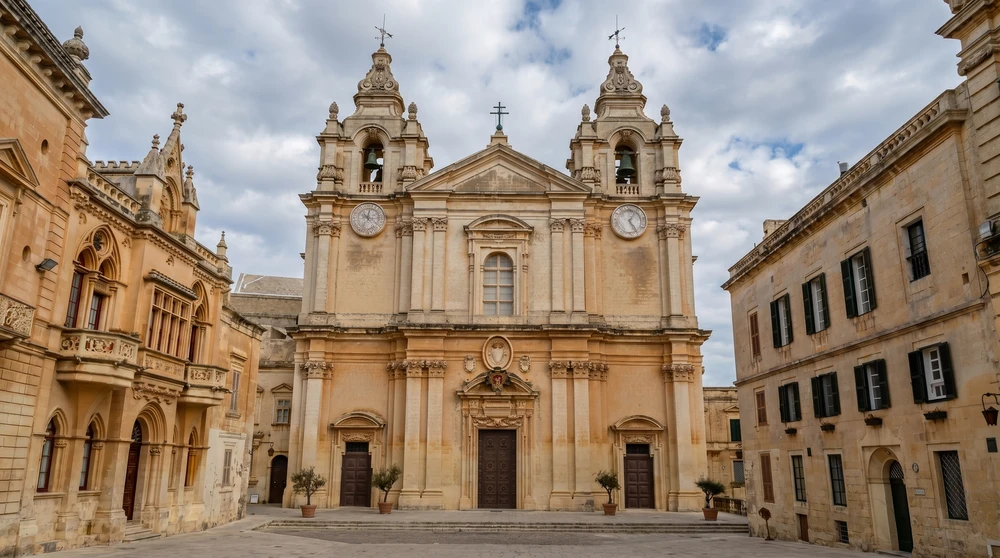
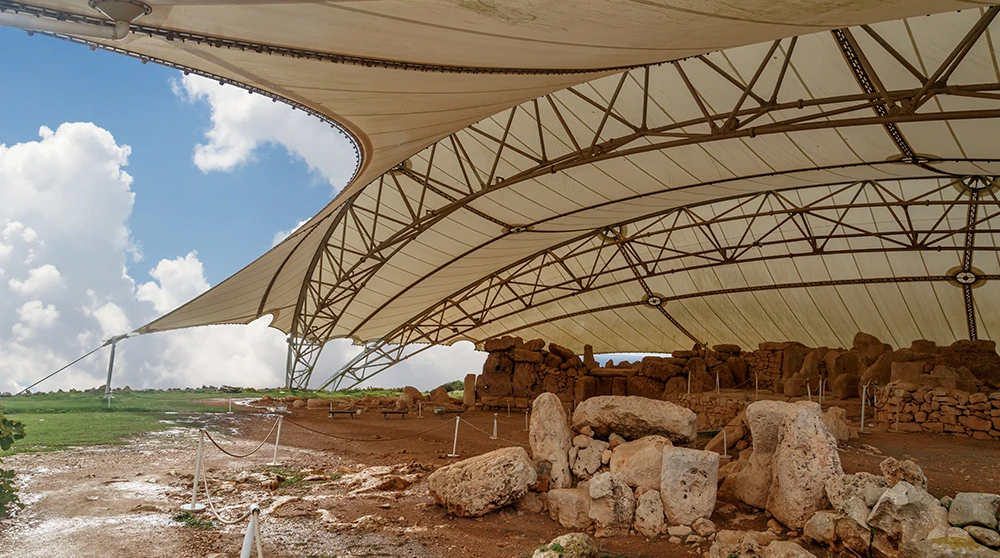
The density of history in Malta is staggering for its size. The island holds UNESCO-listed Megalithic Temples dating to 3600 BC, making them older than the Egyptian pyramids.
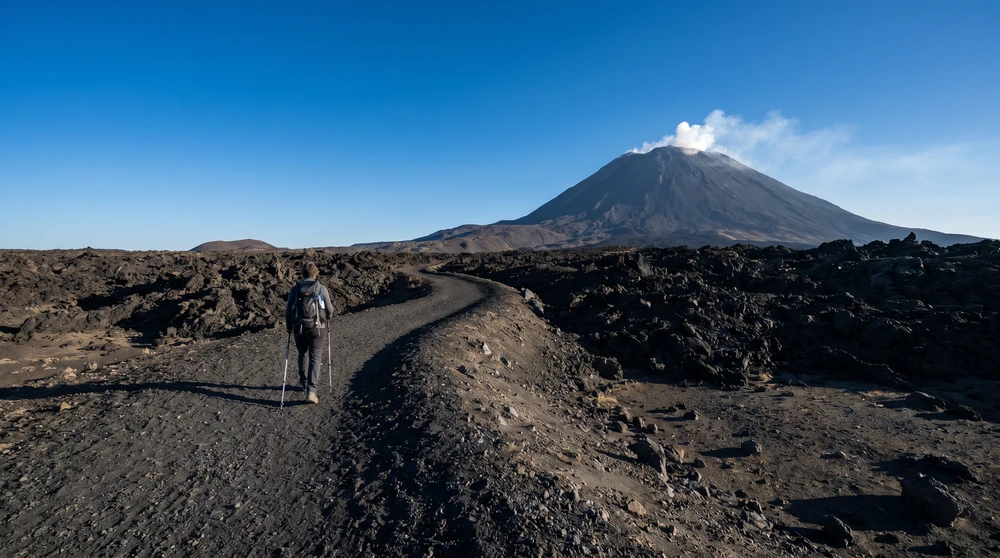
Valletta stands as a pristine Baroque fortress city built by the Knights of St. John, while the walled medieval city of Mdina feels frozen in time, with narrow stone labyrinths and no car traffic. Sicily delivers a sweeping timeline of ancient empires and volcanic landscapes. The Valley of the Temples in Agrigento features some of the most intact Greek architecture outside Greece. Towering over the eastern coast, Mount Etna offers lunar landscapes and active volcanic hiking trails. The contrast is sharp, from the Arab-Norman palaces of Palermo to the cliffside Greek theatre in Taormina.
Cost Breakdown: Which Island Is Cheaper?
Daily expenses on both islands are fairly comparable. Malta offers slightly cheaper accommodation outside the sought-after Valletta center, and you save a meaningful amount simply by skipping car rental and fuel. Restaurant dining, though, runs higher in Malta, where eating out can cost noticeably more than in Sicily.
Sicily provides exceptional value for food, especially at local trattorias and street stalls, and guesthouses in the interior and smaller coastal towns are budget-friendly. The catch is the mandatory car hire, insurance, and highway tolls, which push a typical Sicilian day above a bus-based Malta day. For a realistic line-by-line breakdown, Malta travel costs tally daily spend by travel style.
Can You Do Both?
The Malta to Sicily Ferry
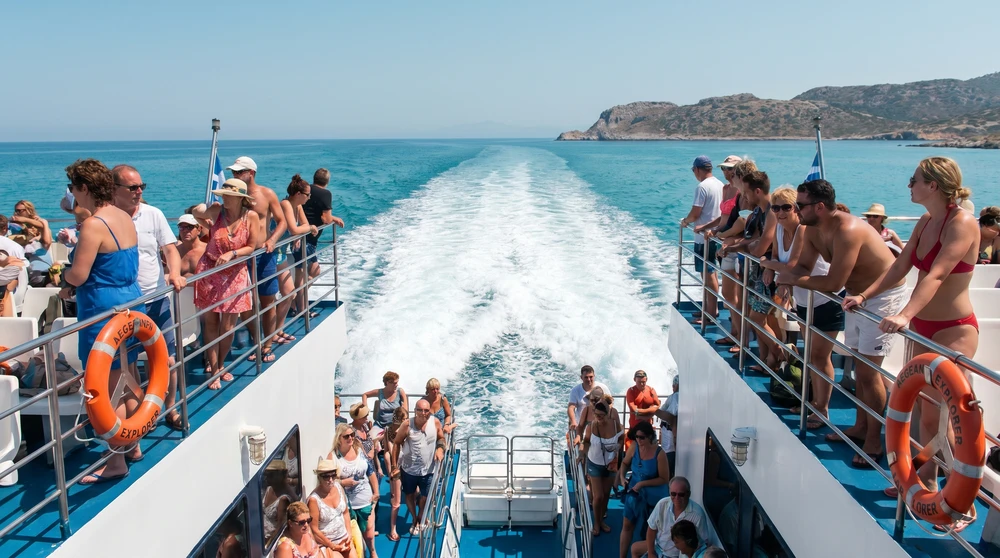
If you have enough time, you do not strictly have to choose. Virtu Ferries runs a high-speed catamaran from Valletta to Pozzallo in southern Sicily in about 1 hour 45 minutes, with the Valletta to Catania crossing taking roughly 4 hours 15 minutes. Foot-passenger fares start around EUR 72, with a round-trip day-trip ticket commonly near EUR 130.
Many travelers use Malta as a base and book organized day trips to Sicily. These usually leave early, take you up the slopes of Mount Etna, and allow an afternoon in Taormina before returning by nightfall.
It is a long, tiring day, but it removes the headache of driving in Sicily yourself. A Malta to Sicily day trip walks through the ferry logistics and Etna tours.
The Final Verdict: Malta or Sicily?
Your available days dictate the right choice.
Pick Malta if you have five to seven days and want a high concentration of history, deep-water swimming, and simple logistics. The small scale lets you see the main island, Gozo, and Comino without exhaustion. Book flights to Sicily if you have ten to fourteen days and crave a slow road trip. The island rewards travelers who want to drive through dramatic mountain passes, explore varied ruins, and dig into a world-renowned food culture.
And if you cannot decide, the fast ferry means you do not always have to.