Navigating Malta's coastline expecting endless stretches of fine white sand is the fastest way to ruin a Mediterranean holiday. The reality is a dramatic mix of limestone shelves, hidden orange-sand coves, and steep descents that require solid footwear rather than just flip-flops. Knowing exactly which bay has a functional bus route, where the jellyfish nets are, and which "parking lot" on Google Maps is actually a treacherous dirt path changes everything.
Here is a quick orientation before you pick a coast:
- Terrain: Malta leans rocky with flat limestone shelves, while Gozo hides the best red-sand bays.
- Peak hours: Arrive before 09:30 during July and August to secure parking and space.
- Transport: Public buses serve major Maltese bays well, but Gozo requires a rental car to reach secluded spots.
- Hazards: Mauve stinger jellyfish are common, so always check daily wind direction before choosing a coast.
Top Sandy Beaches in Malta for Families and Easy Access
Malta's northern coast holds the island's most accessible sandy beaches. These spots offer full amenities, making them highly practical for families, but this convenience comes with heavy crowds during the summer peak.
Golden Bay (Il-Bajja tal-Mixquqa)
This is the most popular sandy beach on the main island. Wide stretches of golden sand, shallow waters, and full facilities make it extremely comfortable. You can easily reach it via public transport, and there are plenty of sunbeds and umbrellas for hire.
A large hotel complex sits right on the cliff edge, blocking out some of the wilder scenery, but the convenience factor is unmatched. Finding a parking spot after 10:00 AM on a weekend requires serious patience.
Ghajn Tuffieha (Riviera Bay)
Just a 15-minute walk from Golden Bay, this bay offers a wilder, more striking alternative. Deep orange sand, pristine water, and zero large buildings. The catch is the access: you have to climb down a long flight of stairs, around 200 steps, to reach the sand. This naturally filters out some of the crowds, though it still gets busy. There is one restaurant for food and refreshments, but shade is limited unless you rent an umbrella early.
Gnejna Bay
Further south from Riviera Bay lies Gnejna, a half-circular beach with the same distinct orange sand. It sits beautifully with the village of Mgarr in the background. The vibe here is noticeably quieter.
Public transport is unreliable, as the dedicated bus route often operates only during July and August. Driving is the smartest option here, with easy access straight to the beach level. The sea floor has a few rocky patches near the shore, making water shoes a smart addition to your bag.
Best Rocky Coves and Swimming Spots in Malta
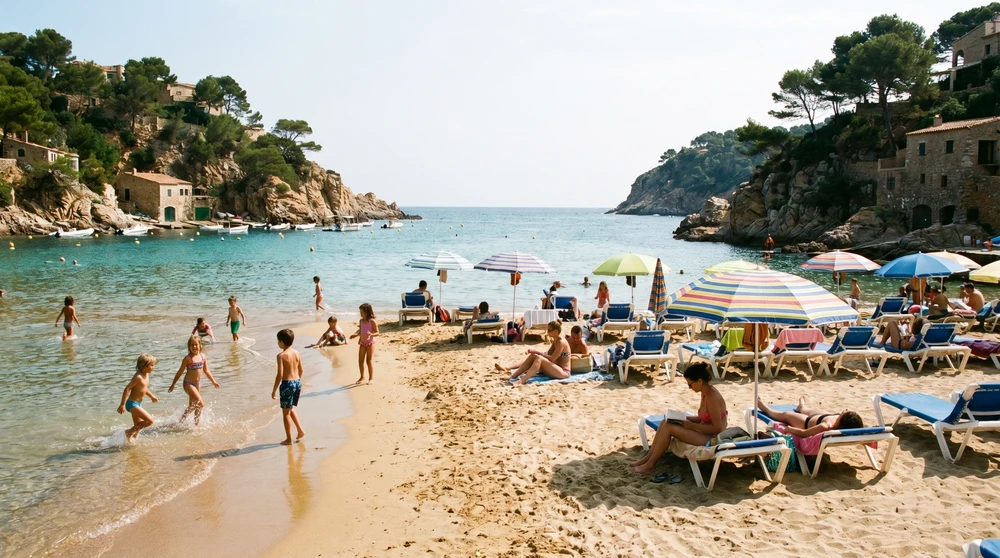
The true Maltese beach experience often involves no sand at all. Flat limestone shelves provide excellent sunbathing platforms, and the deep water access is perfect for stronger swimmers.
St. Peter's Pool
Located in the south, about three kilometers outside the fishing village of **Marsaxlokk**, this natural swimming pool is carved directly into the coastal rock. Smooth, sand-free flat rocks encircle a deep inlet of intense blue water. It is heavily favored by cliff jumpers.
You will not find toilets or permanent restaurants here, just a few food trucks selling drinks and ice cream. Two car parks operate nearby for a €3 fee in high season. Without a car, prepare for a completely unshaded 30-minute walk from Marsaxlokk.
St. Thomas Bay
A small, multi-use bay near Marsaskala. The sandy patch is tiny, but the bay itself is highly appealing for windsurfing, kayaking, and stand-up paddleboarding. It feels much more local compared to the northern beaches. Parking spaces are very limited along the narrow roads, and you will need to walk about five minutes inland to find decent restaurants.
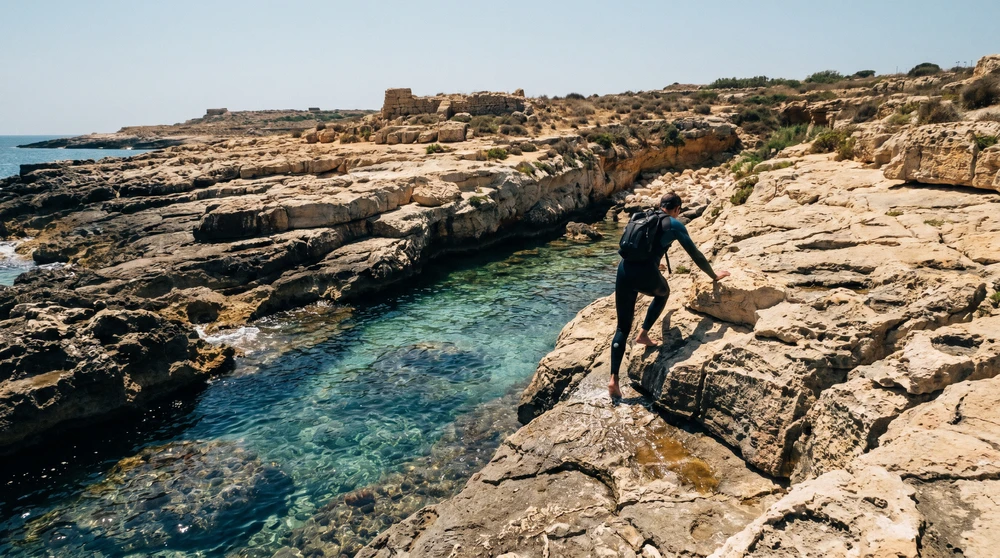
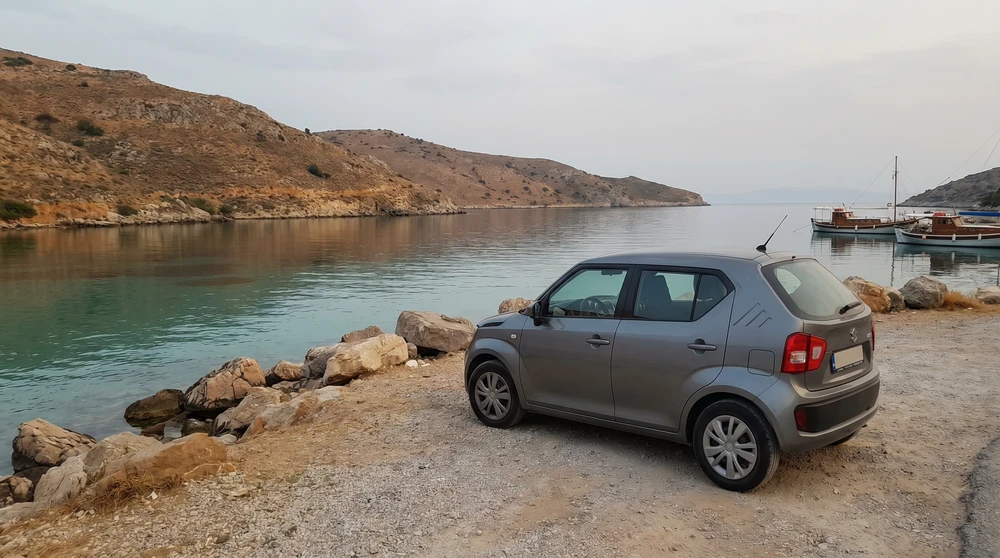
If you plan to chase the quieter southern coves like this one, A small rental car removes the guesswork from reaching them.
Best Beaches in Gozo for Quieter and Scenic Days
Gozo's coastline is dramatically different from the main island. The beaches here are tucked at the bottom of steep valleys or surrounded by intense agriculture, offering a much more raw, unfiltered swimming experience.
Ramla Bay (Ramla l-Hamra)
The undisputed king of Gozo's beaches. The sand is a striking, deep red-orange, and the beach is remarkably wide. The water remains shallow for a long distance, creating a highly safe environment for young children.
Parking is handled in a field just behind the beach, with a private lot charging €2 per day and proceeds often going to the local soccer club. Kiosks, ice cream vans, and umbrella rentals are fully operational. For the best vantage point, drive up the eastern headland to Tal-Mixta Cave and look down through the rock window.
San Blas Bay
Consider this Ramla's smaller, more challenging sibling. It shares the same beautiful reddish-orange sand and lush green surroundings, but the accessibility is drastically different. The road down from the village of Nadur is incredibly steep, and the final section is entirely closed to rental cars, so you have to walk down.
During summer, a local jeep service operates on this final stretch, charging €2.50 per person to shuttle people back up the grueling hill. This logistical hurdle keeps the crowds completely at bay.
Wied il-Ghasri
A spectacular, narrow fjord-like gorge wedged between high cliffs. A staircase leads down to a tiny pebble beach. The water bounces off the canyon walls, creating a stunning acoustic and visual experience.
Do not follow Google Maps blindly to the "Wied il-Ghasri Car Park." It routes you down a deeply rutted dirt path that damages rental cars. Park safely on the main paved road, Triq Is-Saghtrija, and walk the remaining distance. Bring your own water and food, because there are absolutely zero facilities down in the gorge.
Hondoq ir-Rummien
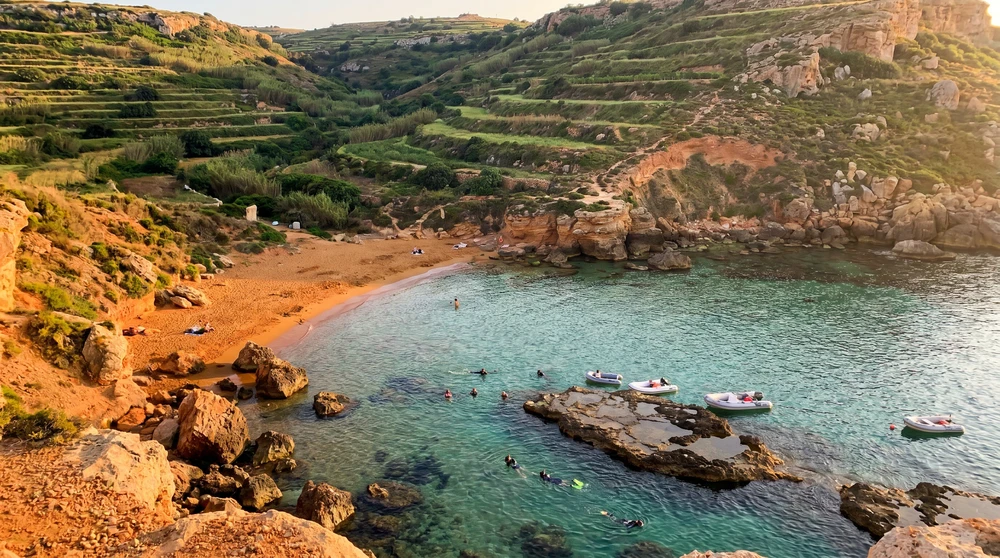
A small, secluded bay on the eastern coast, looking directly across the channel at Comino. The beach itself is tiny, so most people lay their towels on the surrounding concrete platforms or rocks.
The water is exceptionally clear, making it a prime spot for snorkeling. Three concrete platforms allow you to jump directly into the deep water. There is virtually no natural shade, so a hat and heavy sunscreen are mandatory.
The Comino Island Exception: Blue Lagoon
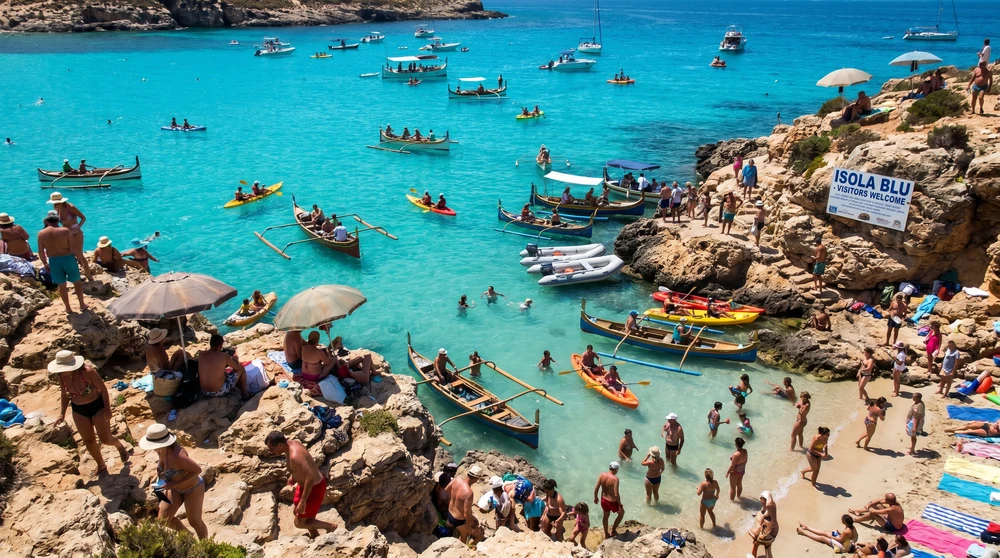
The water here is a glowing, electric turquoise that defies camera lenses. It is visually flawless, but logistically chaotic. The actual sandy beach is barely large enough to hold twenty towels, so most visitors end up sitting on sharp, jagged rocks.
Arrive on the very first ferry, usually around 08:30 or 09:00 AM, when it is peaceful and stunning. By 10:30 AM, massive day-cruise ships from Sliema and Valletta drop hundreds of passengers simultaneously. The noise, the boats, and the sheer volume of people completely overwhelm the area.
One change worth planning for: anyone setting foot on Comino now needs a free Blue Lagoon Access Pass, registered through the official government system, with daily numbers capped at roughly 4,000 visitors at a time. Ferry operators usually bundle this pass with your crossing ticket, but confirm it before you travel so you are not turned away at the jetty. Booking a Guided Comino boat trip is the simplest way to handle both the ferry and the access pass in one step.
Essential Tips for Beach Hopping in Malta and Gozo
Renting a Car vs. Public Transport
Relying solely on buses dictates exactly which beaches you can visit. In Malta, buses 44, 223, and 225 make Golden Bay and Riviera Bay highly accessible. However, Gozo's bus network operates on a hub-and-spoke model radiating from Victoria, usually running only once an hour.
More importantly, Gozo buses drop you at the top of the villages. Reaching places like Wied il-Ghasri or San Blas requires long, steep hikes under the blazing sun. Renting a car, despite the narrow, wall-lined roads, buys you massive amounts of time and energy.
Jellyfish Warnings and Safe Swimming
The Mediterranean mauve stinger is a frequent visitor to these shores. Their stings are highly painful and leave lasting marks. The presence of jellyfish is entirely dependent on the wind, so before packing your beach bag, check a local weather app.
If a strong north wind is blowing, the northern beaches like Golden Bay or Marsalforn will act as a net, trapping jellyfish near the shore. Simply drive to the southern bays, such as Birzebbuga or Mgarr ix-Xini, where the water will be flat, calm, and completely clear of stingers.