Trying to squeeze a massive island like Sicily into a single day trip from Malta is a logistical heavy lift that can easily turn into an exhausting 15-hour marathon if you mistime the ferry or underestimate the driving distances. Securing a smooth visit to Mount Etna or the baroque towns of the southeast without missing your return boat comes down to mastering the Virtu Ferries schedule and having a strict plan for your ground transport before you dock.
This guide walks through the Marsa departure logistics, the catamaran crossing, the choice between renting a car and joining an organized tour, and a realistic cost breakdown so the long day actually feels worth it.
- Ferry operator: Virtu Ferries (high-speed catamaran)
- Departure port: Marsa Terminal (just south of Valletta, Malta)
- Arrival port: Pozzallo (southeastern coast, Sicily)
- Crossing duration: 1 hour 45 minutes
- Average return fare: around €130 (adult foot passenger)
- Required documents: valid passport (or national ID for EU/EEA citizens)
How to Get from Malta to Sicily: The Virtu Ferries Route
Virtu Ferries runs the only direct sea connection between Malta and Sicily. Their high-speed catamarans cover the 50-nautical-mile stretch year-round, but the frequency shifts drastically depending on the season. In winter the route can drop to roughly two or three daily sailings, while the peak summer season ramps up to as many as seven crossings a day.
For a viable day trip you need those early morning summer departures (the earliest catamarans leave around 05:00 to 07:30) paired with late evening returns at 19:30 or 21:30. That pairing guarantees at least 6 to 8 hours on Sicilian soil. If you are traveling between March and May, look out for the discounted one-day return tickets that Virtu Ferries offers on selected Mondays and Wednesdays, which can cost well under the standard return fare.
If you would rather lock in a vehicle the moment you land, you can pre-book a rental car for pickup at the Pozzallo port and skip the walk-up queues entirely. It also helps to read up on how Malta's own public transport works before you leave, since you will want a reliable way back to your hotel after a very long day.
Marsa Departure Terminal Logistics
The departure point is the Virtu Ferries Passenger Terminal at Xatt l-Għassara tal-Għeneb in Marsa. Do not make the mistake of heading to the main Valletta waterfront or the Gozo fast ferry terminal. Marsa is an industrial port area, so set your taxi app to the exact terminal name rather than "Valletta ferry."
Budget 15 to 20 minutes for a taxi or Bolt ride from central Valletta. You must arrive at least 45 minutes before departure to clear the document checks and pick up your boarding passes. The terminal has basic cafe facilities, but grabbing a coffee before you leave your hotel saves time.
The Catamaran Crossing and Sea Conditions
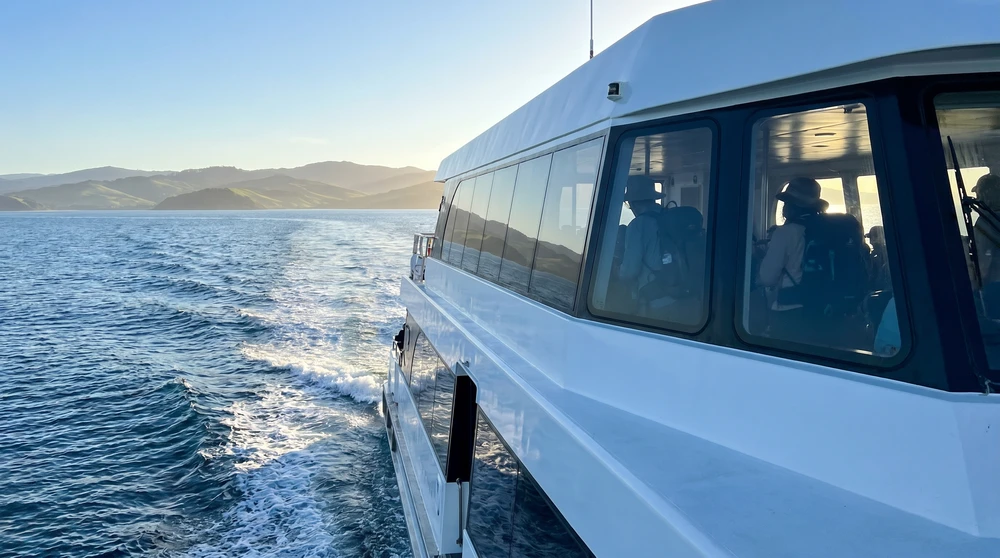
The crossing takes about 1 hour and 45 minutes under normal conditions. The Mediterranean channel between the two islands gets notoriously choppy, particularly during the shoulder seasons of early spring and late autumn.
If you are prone to motion sickness, take medication a full hour before boarding. Once inside the catamaran, secure a seat in the middle section of the lower deck, where the boat experiences the least amount of pitch and roll. Avoid the temptation to sit right at the front near the windows, as the vertical movement there is much more intense.
Independent Travel vs. Organized Day Trips
Once you step off the ferry in Pozzallo, the clock starts ticking. Sicily's public transport network in this rural southern region is famously sparse and rarely aligns neatly with the ferry arrival and departure times. You have to make a hard choice between renting a vehicle or joining a pre-arranged tour.
Self-Guided: Arriving in Pozzallo and Renting a Car
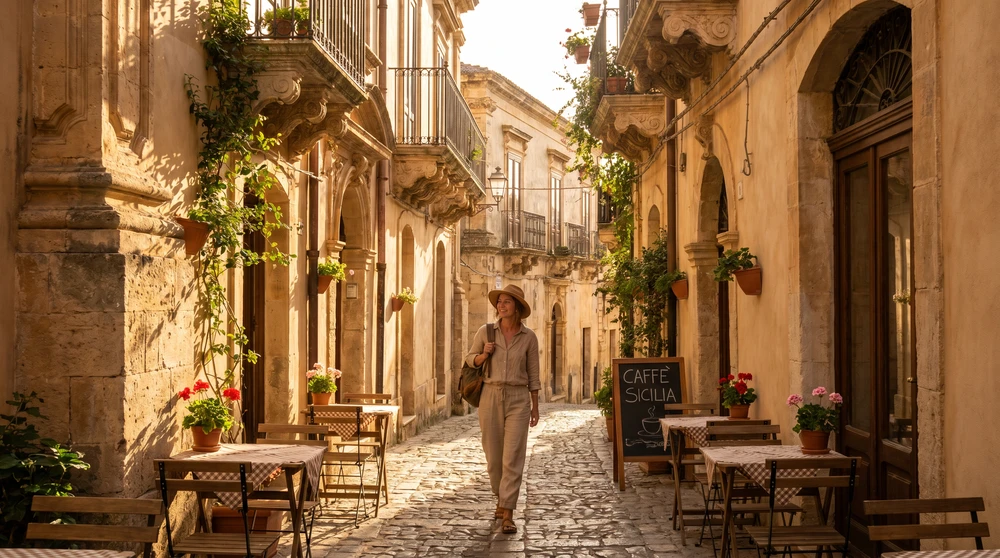
Pozzallo itself is a quiet, flat coastal town featuring a wide seafront promenade and a handful of excellent, unpretentious seafood spots, a contrast to Malta's own dining scene. It works well for a highly relaxed, low-effort day. However, if you want to see the UNESCO-listed baroque towns of Modica (30 km away) or Ragusa Ibla (40 km away), you need a car.
Pre-book your rental vehicle to be picked up directly at the Pozzallo port. Attempting to secure a car on arrival during the summer months usually results in steep walk-up rates or zero availability. Driving in southern Sicily is straightforward once you clear the immediate port traffic, and having a car lets you hit the chocolate shops of Modica and the dramatic hillside alleys of Ragusa on your own timeline.
Booking a Guided Tour to Taormina and Mount Etna
Tackling Mount Etna and Taormina independently in a single day is incredibly risky. The driving distance from Pozzallo is roughly 150 km each way, involving busy coastal highways and winding volcanic roads.
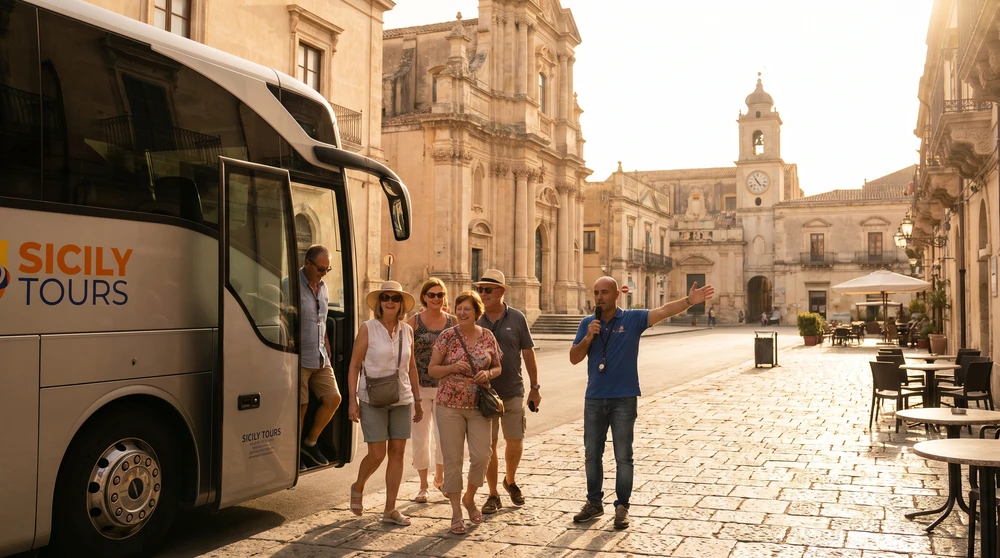
Booking an organized excursion directly through Virtu Ferries or a specialized operator is the smartest move here. You step off the ferry, board an air-conditioned coach, and let a driver handle the Italian traffic. These tours compress the transit time efficiently, guaranteeing you will not miss the evening catamaran back to Malta.
Mount Etna & Taormina Itinerary: What to Expect
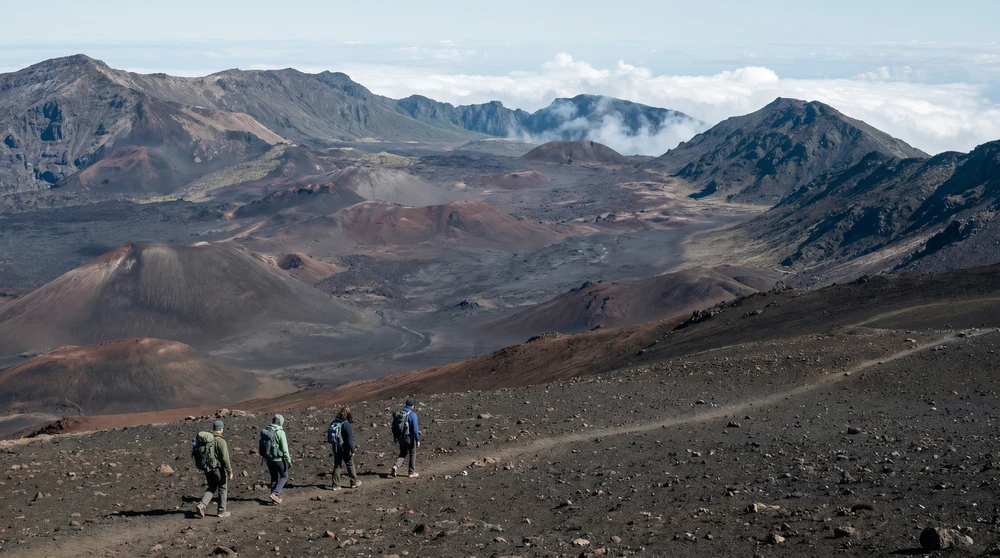
An organized Etna and Taormina tour operates on a tight but rewarding schedule. The morning segment focuses entirely on the volcano. The coaches drive up the winding slopes of Mount Etna to the Silvestri Craters, situated at an altitude of around 1,900 meters. You get roughly an hour to walk around the dormant craters and navigate the lunar-like fields of black basalt. The walking is physically easy and does not require specialized hiking gear.
The afternoon shifts down to the Ionian coast to Taormina. The coach drops you near the pedestrian gates, leaving you with about two hours of free time. You can walk the entire length of Corso Umberto, grab an espresso with a view of the sea, or pay the entrance fee to see the ancient Greek Theatre.
What to Pack for the Volcano
Even if you are leaving Malta in 35°C July heat, the climate at the Etna craters is significantly cooler and exposed to fierce winds.
- Windbreaker or light jacket: essential for the altitude drop in temperature.
- Closed-toe shoes: volcanic ash and sharp gravel easily ruin sandals and make walking uncomfortable.
- Sun protection: the UV index is intense at 1,900 meters, even on cloudy days.
- Small daypack: keep your hands free for taking photos and navigating uneven terrain.
Essential Practicalities for Your Day Trip
Passports, Visas, and Border Checks
Malta and Italy both operate within the Schengen Area, meaning there is no strict customs border. However, maritime law and port security still require formal identification.
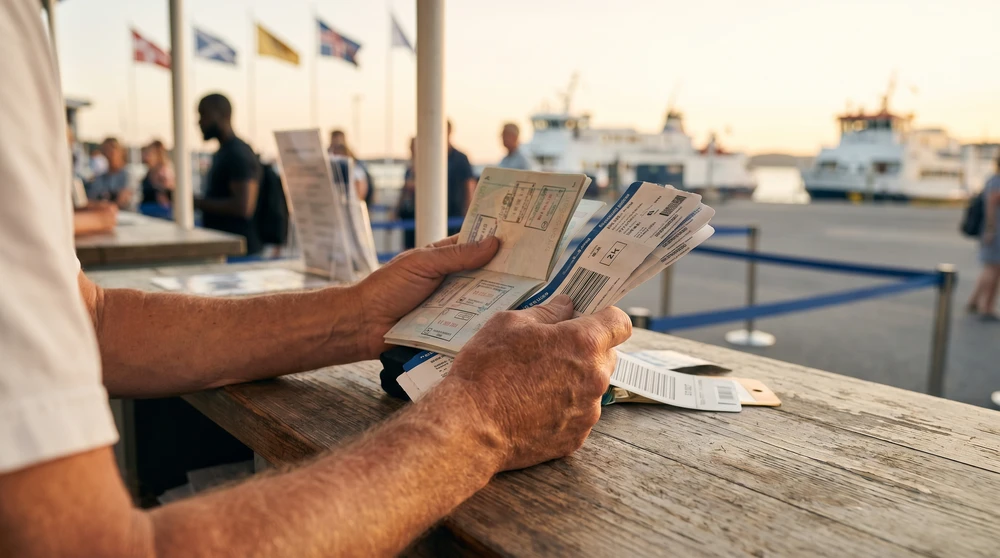
EU and EEA citizens can board using a valid national ID card. Travelers from the US, Canada, Australia, and the UK must present their physical passports. Digital copies or driver's licenses will not get you past the check-in desk at Marsa. Keep your documents easily accessible in a secure pocket, as you will need them again when disembarking in Pozzallo.
Total Cost Breakdown
A day trip to Sicily demands a solid budget. Treat the ferry ticket as your base cost, and factor in ground transport and meals to get a realistic picture of the day's expense.
- Ferry ticket: roughly €100 to €140 depending on the season and how early you book (less if you catch a discounted day-return offer).
- Organized tour add-on: €60 to €100 per person, covering the coach and guide for Etna and Taormina.
- Independent car hire: €40 to €70 per day, plus fuel and local parking fees.
- Food and extras: €30 to €50. Food in rural Sicily is generally slightly cheaper than in Malta, but Taormina commands premium tourist prices.
The Trip Verdict: Is One Day in Sicily Worth It?
Investing the time and money into the Malta to Sicily day trip makes sense if you approach it with realistic expectations. You are not going to experience the depth of Sicilian culture in eight hours.
If you try to cover too much ground independently, you will spend the entire day stressed about the return ferry. The true value of this trip lies in picking a narrow focus. Either rent a car to eat your way through the quiet streets of Modica and Ragusa, or take the organized tour to stand on the slopes of Europe's most active volcano. Choose one clear objective, and the long day of travel will feel entirely justified.