Landing at Malta International Airport with a packed itinerary and assuming you can zip across the island in 20 minutes is the fastest way to ruin your trip. The Mediterranean charm is undeniable, but navigating the aggressive traffic, overcrowded summer buses, and deceptive winter winds takes real on-the-ground knowledge.
Most first-timers waste their first day fixing avoidable mistakes. This guide walks through the eleven blunders that trip up visitors most often, with concrete fixes for each so you spend your time on the islands rather than recovering from bad assumptions.
- Emergency number: 112 (police, fire, and medical)
- Public bus fares: €2.00 winter, €2.50 summer, with free transfers within a 2-hour window
- Tallinja Explore Card: €25 for 7 days of unlimited day and night travel
- Essential apps: Tallinja (live bus tracking), Bolt, Uber
- Peak traffic: 07:00 to 09:00 and 16:00 to 18:00
- Main hazards: high UV from May to September and localized jellyfish swarms (check the marine forecast before swimming)
Transportation and Logistics Blunders
Getting around is where most Malta trips go sideways. The island feels small on paper, but the road network and summer crowds tell a different story. Before you lock in your plans, getting around Malta on public transport is worth a read so you know what the buses can and cannot do.
Trusting the Map for Travel Times
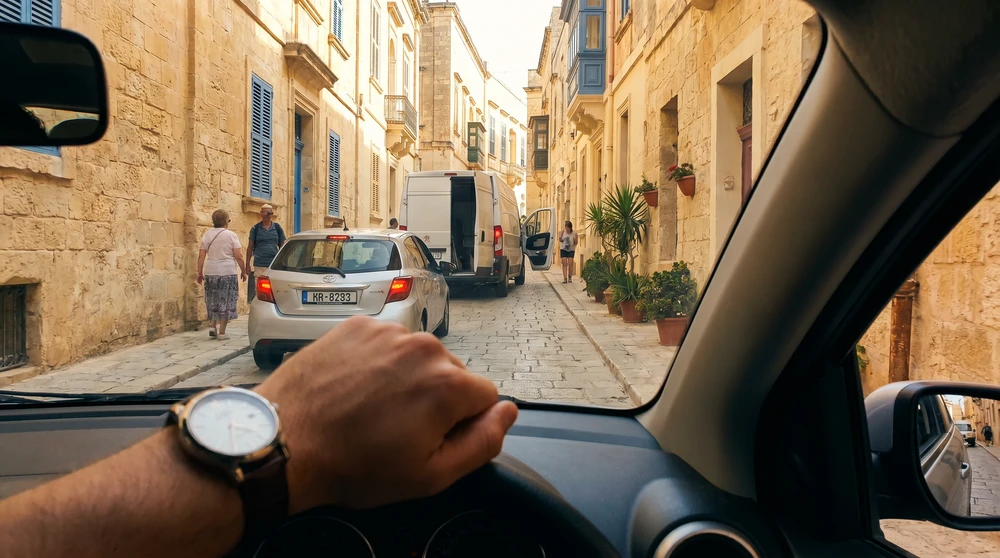
Malta looks tiny on a map, giving the false impression that getting from Valletta to Mellieħa is a quick hop. In reality, a 10-kilometer drive easily takes an hour. Narrow roads, double-parked delivery trucks, and heavy commuter traffic dictate the pace.
Always build a 30-minute buffer into your schedule, especially when heading to the airport. The single most common mistake is treating distances like time, then missing a flight or a ferry because the map promised a 15-minute hop.
Relying Exclusively on Public Buses
The bus network covers the entire island, and at €2.50 in summer the fares are cheap. But relying on it during July and August becomes a test of sheer endurance. When a bus hits capacity, the driver simply will not stop, so a 10-minute wait quickly turns into an hour-long ordeal under the scorching sun.
Use the fast, scenic ferries connecting Valletta to Sliema and the Three Cities instead. For point-to-point travel in crowded areas, ride-hailing apps like Bolt and Uber are far more reliable. If you do plan to lean on buses, the €25 Tallinja Explore Card pays for itself quickly over a week.
Forgetting About Left-Hand Driving and Potholes
Renting a car offers excellent freedom to reach hidden spots like the Coral Lagoon. However, Malta drives on the left, a holdover from British rule. Navigating roundabouts from the left while dodging deep potholes on secondary roads demands real focus.
Local drivers also have a cavalier attitude toward lane changes. Pay for the comprehensive insurance coverage to save yourself the stress, and check what renting a car in Malta actually involves before you book.
Planning and Accommodation Errors
When and where you book shapes the entire trip. Get the season and the base wrong and even a perfect itinerary will feel like a grind.
Booking for August and Expecting to Relax
August brings 33°C heat by breakfast, beaches packed shoulder-to-shoulder, and streets full of exhausted, sunburned visitors. The midday sun makes exploring Valletta's stone streets physically punishing.
If your schedule allows, aim for October or May. The sea holds onto the summer heat, the crowds thin out drastically, and you can actually walk outside at noon without retreating to an air-conditioned room. Our breakdown of the best time to visit Malta covers the trade-offs month by month.
Assuming Winter Means Warm Indoors
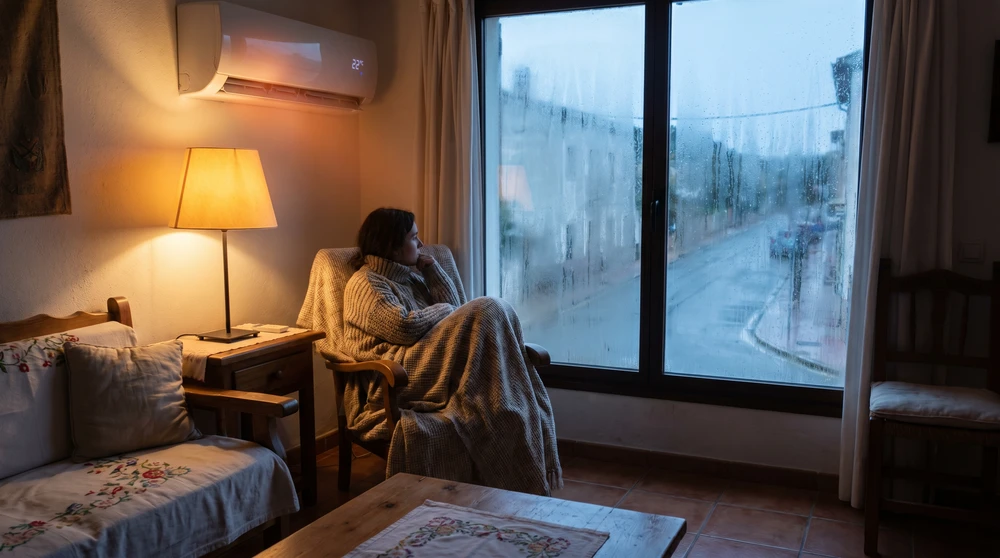
Winter temperatures hover around 12°C, but the fierce sea winds make it feel much colder. Traditional Maltese limestone buildings lack insulation, and central heating is practically non-existent. A breezy January day often feels colder inside your apartment than it does outside.
Pack warm layers for the evenings, and explicitly confirm that your rental has reverse-cycle air conditioning for heating before you book.
Staying Only in Sliema or St. Julian's
Sliema and St. Julian's are convenient commercial hubs with plenty of dining options, but they suffer from severe traffic congestion and noise pollution. Confining yourself to these dense areas limits your perspective of the island.
Break your trip up. Spend a few nights in Rabat for quiet historical immersion, or base yourself in the north near St. Paul's Bay for better access to sandy beaches and the Gozo ferry. A look at where to stay in Malta compares the main bases in detail.
Sightseeing and Activity Slip-Ups
The islands reward people who slow down and time things well. Rushing the headline sights is how visitors end up with photos of crowds instead of memories.
Treating Gozo as a Rushed Day Trip
Squeezing Gozo into a four-hour window guarantees you miss its actual appeal. The sister island is not just more Malta. It has a distinctly slower, more agricultural rhythm, with massive coastal cliffs and rural villages that feel entirely disconnected from the mainland rush.
Spend at least one full night. Rent a scooter or a quad bike to explore the narrow valleys, the Ġgantija Temples, and the hidden pebble beach at Wied il-Għasri properly. If you really only have a day, a tightly planned Gozo day trip shows how to make the most of the limited hours.
Showing Up at the Blue Lagoon at Midday
Arriving at Comino's famous Blue Lagoon at 1:00 PM in peak season means fighting hundreds of people for a single square meter of sharp rock. The noise and the sheer volume of party boats completely erase the natural beauty of the turquoise water.
Take the very first boat available in the morning, or book a late afternoon private charter to experience the lagoon after the massive ferries depart. The Blue Lagoon, Comino breakdown lays out the boat timings worth planning around.
Underestimating the Sea and Jellyfish
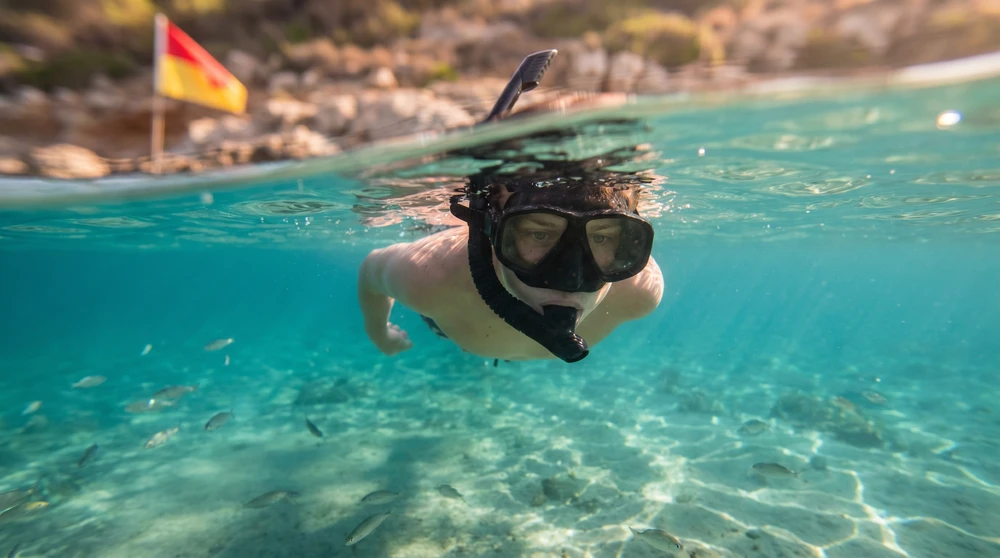
The Mediterranean looks incredibly inviting, but the limestone coastline hides risks. Hidden rip currents near rocky coves pull swimmers into deep water in seconds, and sudden wind shifts push swarms of stinging mauve stinger jellyfish into popular bays, mainly between June and September.
Never enter the water if the sea looks rough. Swim with a basic snorkel mask so you can spot jellyfish before swimming into them, and pay close attention to the colored warning flags on patrolled beaches.
Safety and Cultural Missteps
Malta is welcoming and overwhelmingly safe, but a few cultural and situational missteps catch tourists off guard.
Letting Your Guard Down in Paceville
Malta consistently ranks among the safest countries in Europe for violent crime. Paceville, the main nightlife district, is the notable exception. Heavy-handed bouncers, excessive alcohol consumption, and opportunistic pickpockets create a volatile environment late at night.
Keep a close eye on your belongings, never leave your drink unattended, and simply walk away from any street-level arguments. A closer look at Malta safety goes deeper on the few situations worth watching.
Misunderstanding Island Time
Service in restaurants, cafes, and shops runs at a relaxed Mediterranean pace. Snapping your fingers for the bill or acting visibly frustrated with the waitstaff will not speed up your order, because the culture prioritizes a slow, social dining experience.
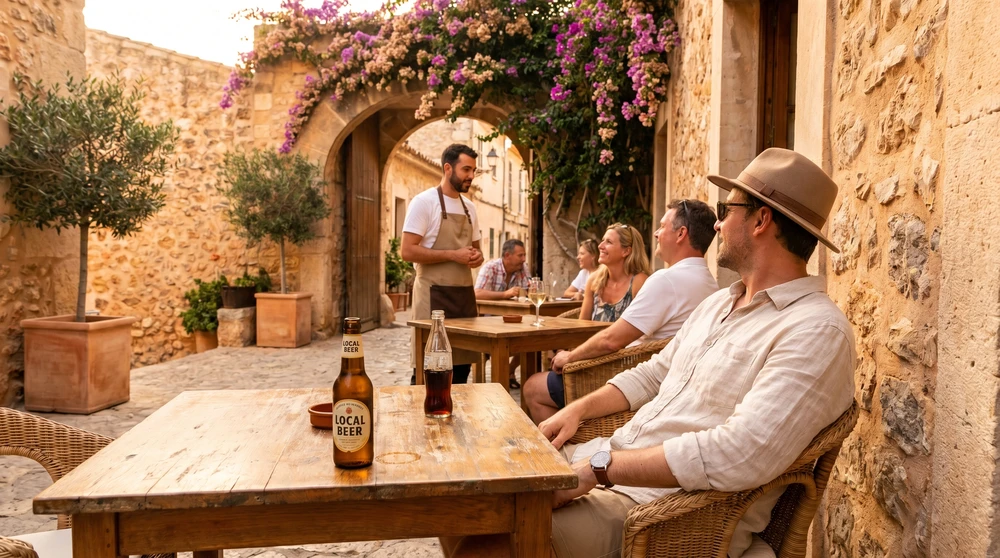
Order a local Cisk beer or a bittersweet Kinnie soda, sit back, and adjust your internal clock. A tip of 5 to 10 percent is appreciated, but check the bill first, since a service charge is sometimes already included.