Booking the flight to the Indian Ocean is the easy part. The real decision is what kind of holiday you want once you land, because the Maldives and Seychelles offer almost opposite versions of paradise. The Maldives leans into overwater isolation and curated resort luxury, while Seychelles rewards travelers who want to drive, hike, and island-hop on their own terms. This guide weighs both honestly so you can match the destination to the trip you actually want.
Vibe: Resort Bubbles vs Exploring Freely
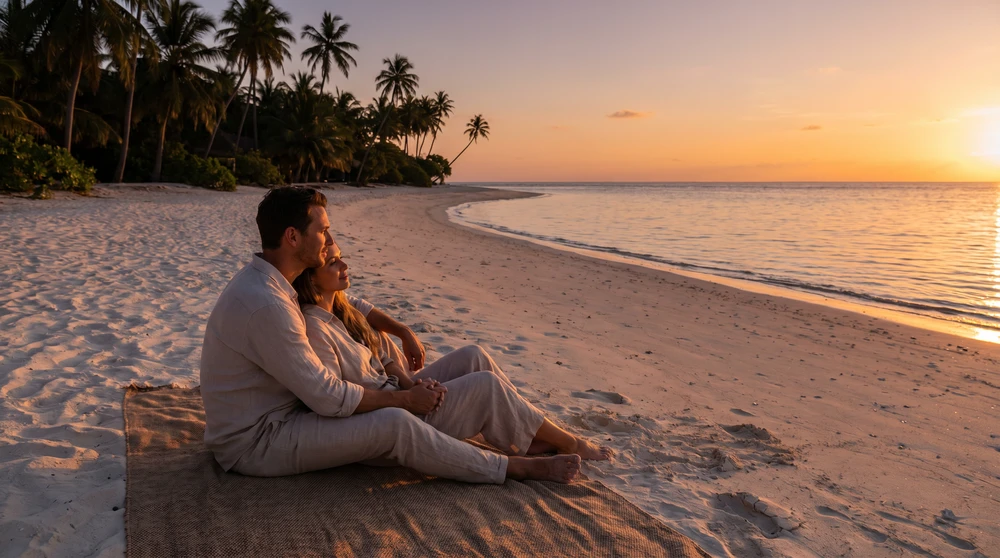
The Maldives perfected the "one island, one resort" concept. Once you step off the arrival jetty, your world shrinks to the boundaries of that single property. Dining, daily excursions, and evening entertainment are all curated by the hotel. It delivers unmatched privacy, frictionless service, and a total mental switch-off. You do not need to carry a wallet or plan an itinerary, because everything comes to you.
The Seychelles asks for a more active and curious spirit. You are not confined to one beach or one restaurant menu. You can wake in a locally run chalet, hike the trails of Morne Seychellois National Park, and grab a spicy octopus curry from a roadside takeaway in Victoria. The cultural immersion is immediate. You share the public beaches with Seychellois families, which gives the islands the feel of a real country rather than a staged paradise.
If you want to disappear into a private bubble, the Maldives wins. If you want to feel like you are in a living place, Seychelles wins.
| Factor | The Maldives | Seychelles |
|---|---|---|
| Geography | About 1,200 flat coral islands | About 115 granite and coral islands |
| Vibe | Total seclusion, curated resort luxury | Independent exploration, hikes, local culture |
| Getting around | Seaplanes and speedboats arranged by resorts | Rental cars, public buses, and Cat Cocos ferries |
| Accommodation | Overwater villas, all-inclusive private islands | Self-catering apartments, guesthouses, resorts |
| Marine life | World-class pelagic diving with manta rays and whale sharks | Giant Aldabra tortoises and good snorkeling spots |
| Island hopping | Difficult and routed back through Male | Easy by daily ferry between main islands |
Getting Around: Logistics and Hidden Costs
Landing at Velana International Airport near Male is only the start of your journey in the Maldives. Unless your hotel sits next to the capital, reaching your island requires a domestic flight, a speedboat, or a seaplane operated by companies like Trans Maldivian Airways. These transfers are tied to daylight hours and weather, so a late international arrival can force an unplanned overnight in Male.
The transfer is a mandatory cost set entirely by your chosen resort, and it is often booked separately from your room rate. Because resort transfer prices are variable and vary widely, it pays to confirm the figure with your hotel before you commit. Compare resort prices for both destinations
The Seychelles puts you in the middle of the action the moment you touch down on Mahe. You can rent a car at the terminal and reach a guesthouse in Anse Royale within minutes. Seychelles lets you island-hop by ferry, the Maldives does not. Moving between the three main islands, Mahe, Praslin, and La Digue, is straightforward, and the fast Cat Cocos ferry connects them daily. You keep full control of your schedule, your budget, and your transit, without relying on a hotel's private transport network.
Beaches and Marine Life: Where Is the Snorkeling Better?
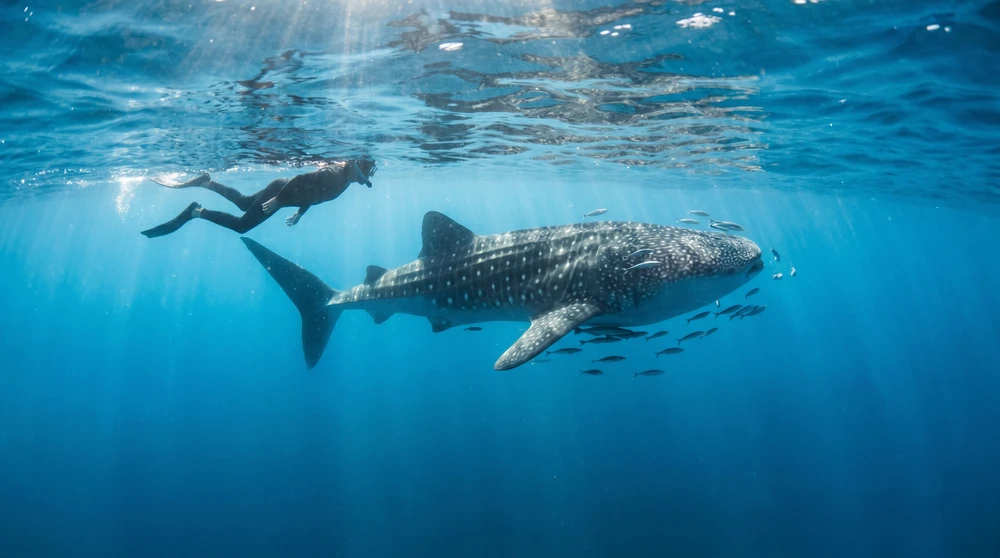
The underwater topography separates the two destinations completely. The Maldives sits on a vast plateau of complex coral reef systems. You can step off an overwater villa deck and snorkel alongside blacktip reef sharks, hawksbill turtles, and manta rays. In protected biospheres like Hanifaru Bay, the volume of pelagic life feeding on plankton is staggering. In the Maldives, the ocean itself is the main attraction.
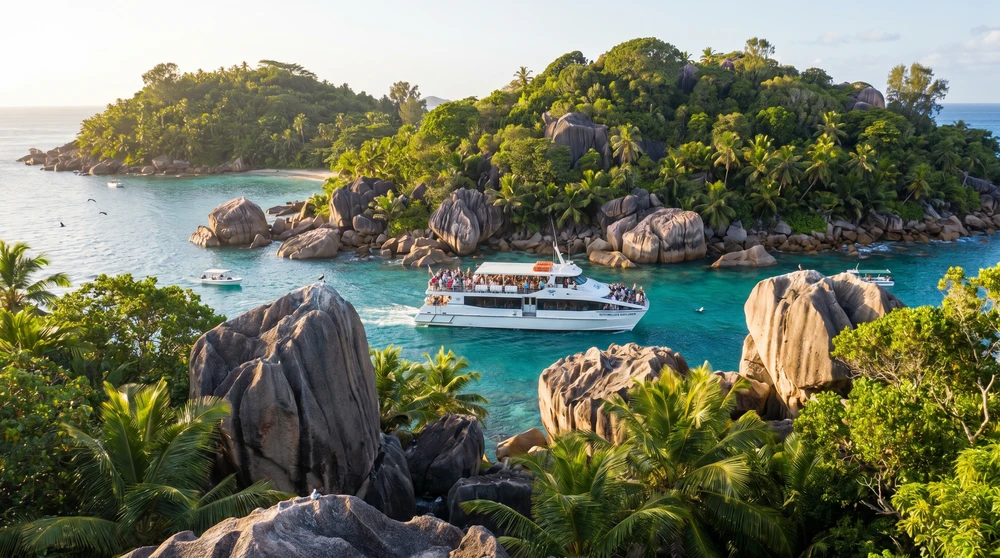
Seychelles offers a different kind of coastal drama. Beaches like the iconic Anse Source d'Argent on La Digue are framed by colossal pink granite boulders, the sand is exceptionally soft, and the interiors are lush. The catch is that the immediate offshore reefs suffered from past global bleaching events.
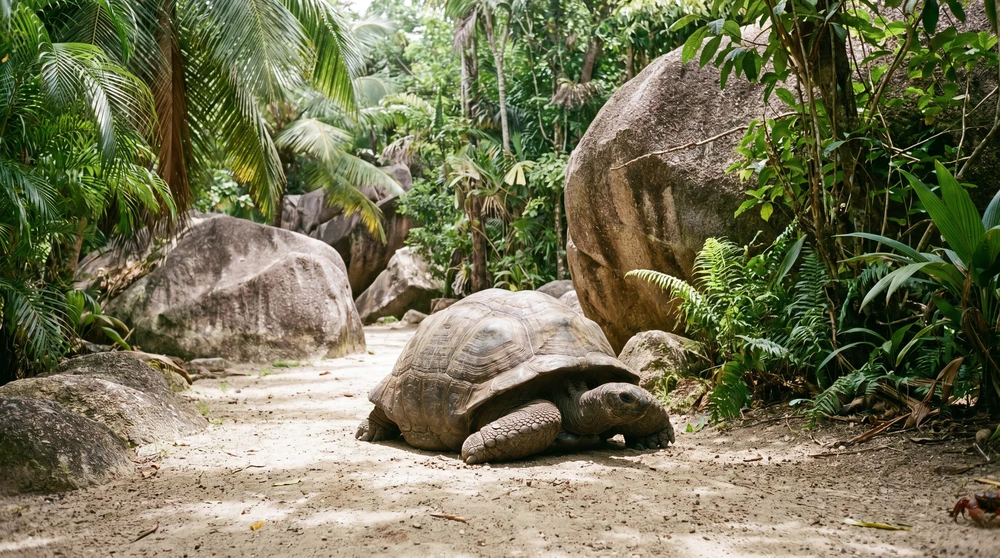
You will easily spot free-roaming Aldabra tortoises on land and enjoy strong snorkeling around Curieuse Island, but the raw underwater diversity does not quite match the Maldivian atolls. For headline scenery above water, Seychelles wins; for sheer marine life below it, the Maldives wins. Book island tours and snorkeling trips
Best Time to Visit
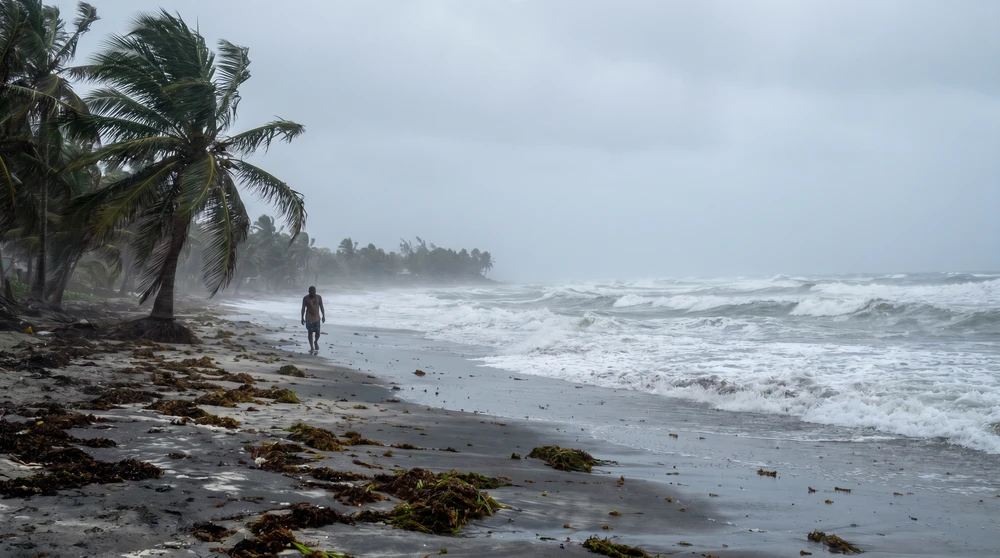
Weather dictates very different peak seasons. The Maldives enjoys its dry season from November to April, when skies are dependably clear, humidity is manageable, and the water is glass-like. Visiting from May to October means the southwest monsoon, with heavy showers and choppy seas that can disrupt boat transfers.
Seychelles sits outside the main Indian Ocean cyclone belt and has a more stable year-round climate, but wind direction changes everything. The best windows are the transition periods of April to May and September to October, when trade winds drop, visibility peaks for divers, and beaches stay calm. June through August brings strong southeast winds, rougher seas, and seaweed washing onto some southern beaches.
Costs: Which Destination Is More Expensive?
The Maldives is notoriously demanding on the wallet. Beyond high nightly rates for overwater villas, you become a captive audience for food and drinks, and excursions carry premium markups. Unless you choose a local island guesthouse, which usually means no alcohol and a conservative dress code, costs are hard to manage once you are on the island.
On top of the room rate, the Maldives applies government tourism charges (2026): a Green Tax of USD 12 per person per night at resorts and USD 6 per person per night at smaller guesthouses, a 17% Tourism Goods and Services Tax, and a 10% service charge. These add a meaningful, predictable layer to every bill.
Seychelles offers far more flexibility for the cost-conscious traveler. Luxury resorts exist, but the islands are also packed with affordable self-catering apartments and family-run guesthouses. You can buy fresh groceries at local STC supermarkets, ride the public bus on Mahe for just a few cents, and access world-class beaches for free.
In Seychelles your daily spend is genuinely in your own hands, in the Maldives it is largely set by your resort. If insuring a high-value trip matters to you, it is worth sorting cover before you fly. Compare travel insurance options
Best for Whom?
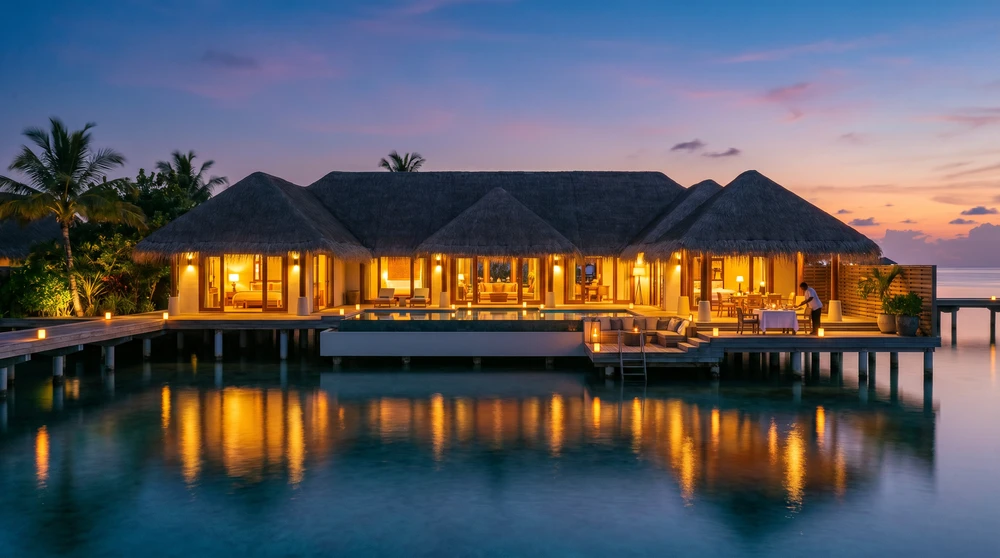
Choose the Maldives if you dream of an overwater villa, want pure switch-off relaxation, prize total privacy, or care most about world-class diving and snorkeling straight off your deck. It also shines for honeymooners who want to be served paradise without lifting a finger, and for families it offers polished resorts with supervised kids' clubs.
Choose Seychelles if you want variety, freedom, and culture, prefer to explore different beaches each day, travel on a more flexible budget, or like the idea of mixing jungle hikes with beach time. Seychelles suits active couples and independent families, while the Maldives suits those who want a sealed, all-inclusive escape. Both are world-class. The right answer simply depends on whether you want to be looked after or to roam.