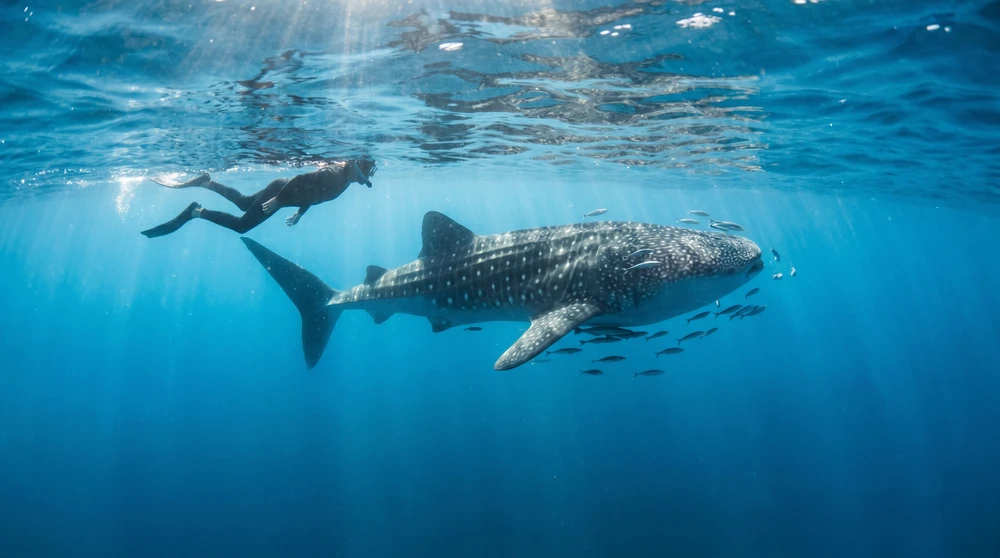
Booking an overwater bungalow in the Maldives without checking the seaplane transfer cutoff or understanding the tax stack layered onto your final bill is the fastest way to derail your honeymoon budget. The real secret to a flawless Maldivian escape lies in mastering atoll logistics, villa orientation, and the split-stay strategy rather than just picking the prettiest photo you saw online.
- Overwater villas deliver unobstructed ocean views and deck-to-reef access, but they are not the best choice for every night of your stay.
- Resorts add a separate Green Tax per night on top of your room rate, plus TGST and a service charge that booking engines rarely show upfront.
- Seaplanes fly in daylight only, so a late arrival into Malé can cost you a full day and an extra transit hotel night.
- A split-stay between a beach villa and an overwater villa is the single best way to cut your accommodation bill without losing the iconic experience.
Why You Should (or Should Not) Book an Overwater Villa
An overwater villa provides complete separation from the island, unobstructed Indian Ocean views, and direct deck-to-reef access. Stepping down your private ladder into crystal-clear water is a genuine once-in-a-lifetime experience, and it is the image most couples picture when they dream of the Maldives.
However, spending a full 7 to 10 nights suspended above the lagoon is not for everyone. These structures sit under the direct equatorial sun with zero garden shade, making midday lounging noticeably hotter. Wind and wave noise easily carry through the floorboards at night, especially during the southwest monsoon season. If you prioritize absolute quiet, soft sand under your feet, and lush tropical privacy, a beach pool villa actually delivers a superior daily experience. The smartest honeymooners treat the overwater villa as a highlight to savor, not a default for the entire trip.
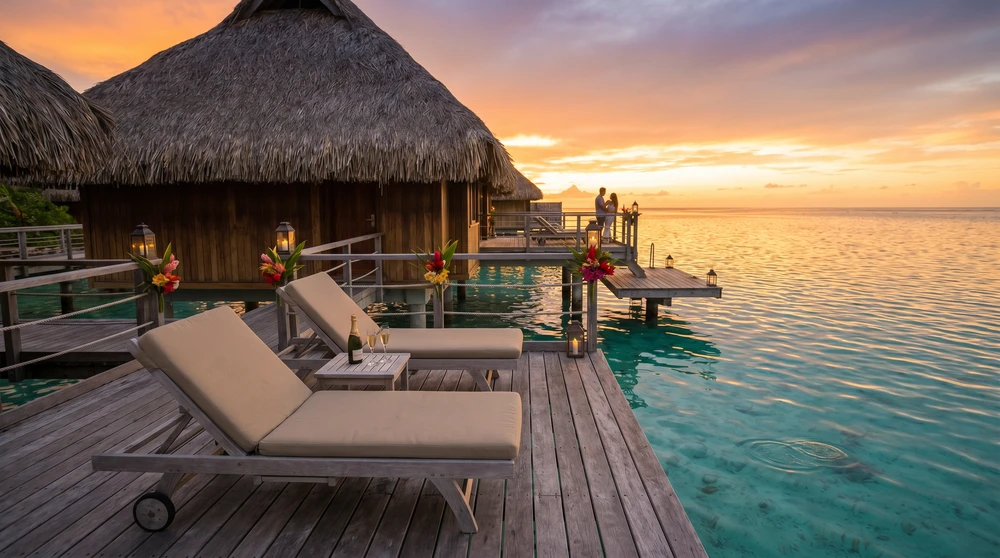
Overwater Bungalow Tiers: What Your Money Buys
Speedboat-Accessible Resorts (Budget-Friendly Options)
These resorts operate mostly in the North and South Malé Atolls. A short speedboat ride eliminates the massive seaplane expense entirely, which is often the single biggest saving on the whole trip. Properties such as Adaaran Club Rannalhi and Sun Siyam Olhuveli offer classic, palm-thatched water bungalows at the entry level of the overwater market.
You trade a bit of square footage and a private plunge pool for excellent affordability. Many of these properties bundle their rates into all-inclusive packages, keeping food and drink costs predictable so the price you see is close to the price you pay. When you are ready to compare options, Check honeymoon resort availability and filter by speedboat transfer to keep transfers simple and cheap.
Mid-Tier Villas with Private Plunge Pools
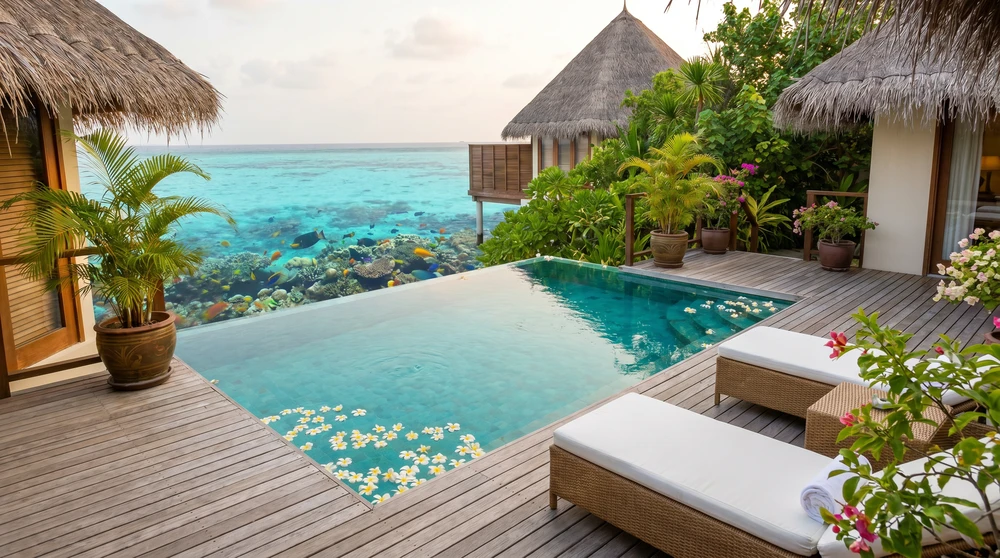
This tier hits the sweet spot for a classic honeymoon. Strong 5-star properties such as Veligandu and Centara Grand Island expand the villas significantly in size, adding deep soaking tubs, modern furnishings, and a private infinity plunge pool right on the deck. The jump in comfort over an entry-level water bungalow is substantial.
Most of these resorts sit in atolls requiring a seaplane transfer. You secure a meaningful upgrade in luxury and house-reef quality, but you must factor the flight cost into your initial budget planning rather than treating it as an afterthought.
Ultra-Luxury and Iconic Water Reserves
Flagship properties treat overwater living as high art. Anantara Kihavah offers enormous sunset pool villas with glass-bottom bathtubs and runs SEA, a fine-dining room set roughly six meters below the surface where turtles, eagle rays, and reef sharks drift past the glass throughout your meal. Dinner is a fixed multi-course menu, generally around USD 450 per person for five courses, or USD 750 per person for seven courses, with wine pairings often built around a rotating guest chef. Entry-level overwater villas cost far less than these flagship reserves, so the gap between the two ends of the market is enormous.
Booking at this tier secures unparalleled privacy, dedicated 24/7 butler service, and architectural features you simply cannot find anywhere else in the world. This is where free honeymoon perks such as room upgrades, sunset cruises, and private dining become most generous, so it is always worth asking what is included before you commit. If a signature meal like the underwater restaurant is on your list, reserve it on your check-in day, since rooms like SEA seat only six tables and fill within hours.
The Hidden Costs: Taxes and Seaplane Transfers
International booking engines consistently display nightly rates before applying the Maldivian tax stack. Every single resort bill incurs a 17% Tourism Goods and Services Tax, a 10% mandatory property service charge, and a USD 12 per person per night Green Tax. The Green Tax doubled in January 2026 and is charged per guest for every night you stay, so two people on a long honeymoon feel it clearly. A villa that looks affordable on the search page can rise meaningfully once these layers are added at checkout, so always budget for the stack rather than the headline rate.
Transportation creates an even stricter logistical hurdle. Trans Maldivian Airways operates strictly during daylight hours, and seaplanes completely stop flying by late afternoon. If your international flight lands in Malé too late, you cannot reach a distant atoll that day and will be forced to book a transit hotel near the airport for the night. To avoid this, either align your international arrival for the morning or book a speedboat-accessible resort that runs transfers around the clock.
Sunset vs Sunrise Orientation: Which Is Better?
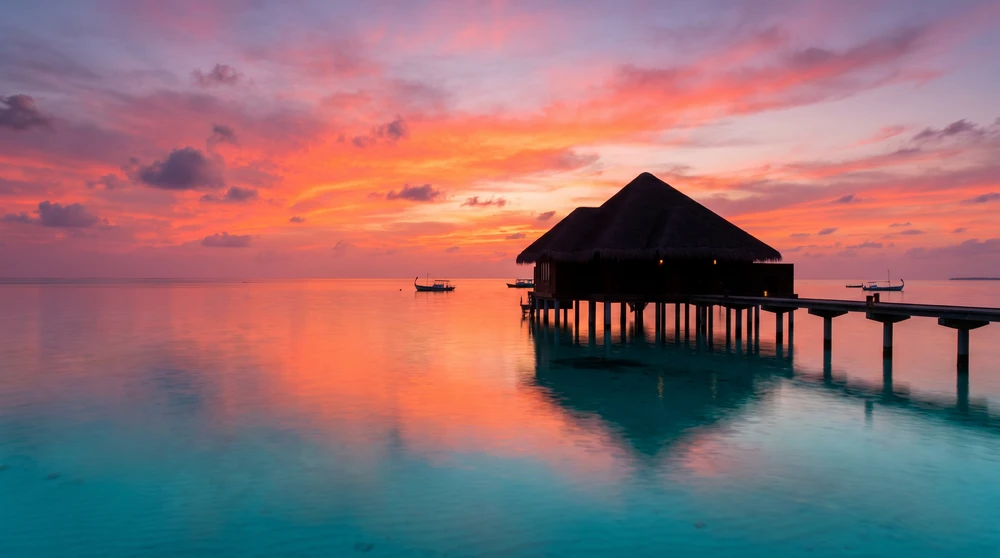
Resorts typically arrange their overwater boardwalks with one row facing east and the other facing west. Sunset villas command a noticeable price premium across the board. They deliver that classic golden-hour glow directly to your private deck, making them the default choice for honeymooners planning evening cocktails by the pool.
Sunrise villas light up beautifully early in the morning and cool down much faster after dark, making it easier to sleep. More importantly, during the wet season from May to November, the prevailing winds blow from the west, so sunrise-facing villas stay significantly calmer and more sheltered, offering smoother water for deck-side snorkeling. The cheaper option is sometimes the more comfortable one.
Best Time for a Maldives Honeymoon
The dry northeast monsoon, running roughly December through April, delivers the calm seas, clear skies, and reliable sunshine that define the postcard Maldives. February and March are the strongest months for a honeymoon, pairing excellent weather with slightly thinner crowds than the December to January peak. Because demand is intense, the best overwater villas book out months ahead, and peak-season dates often sell six months in advance.
If your budget matters more than guaranteed sunshine, the shoulder months of May, June, and September bring the lowest rates and the most generous honeymoon perks. You accept a higher chance of passing rain showers in exchange for quieter resorts and far better value, which can be a smart trade for couples watching the total cost.
The Split-Stay Strategy: How to Save Thousands
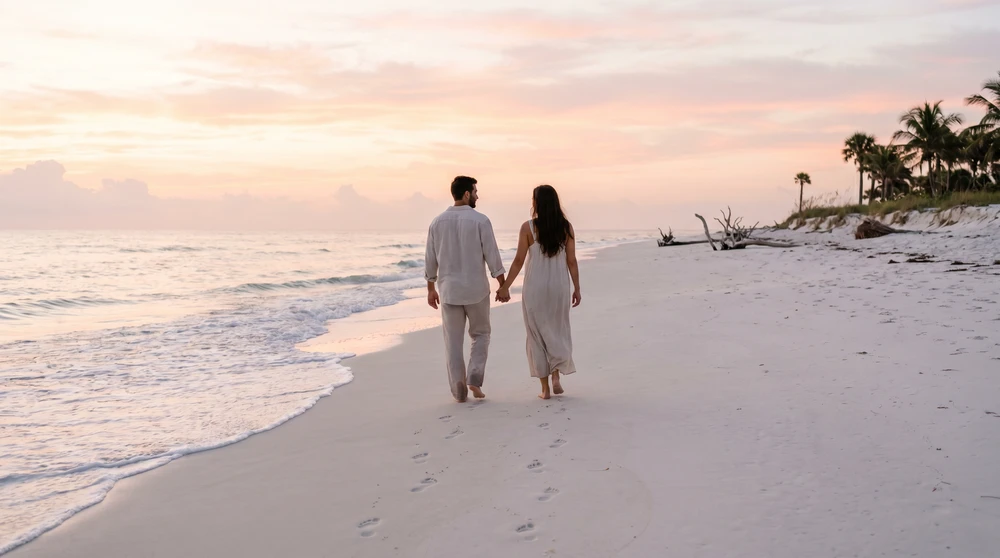
The novelty of an overwater bungalow peaks around the third day. After you enjoy the floating breakfast, take the iconic photographs, and jump from the deck a dozen times, the sheer size and comfort of a land-based villa becomes highly appealing.
Booking several nights in a beach pool villa followed by a few nights in an overwater bungalow delivers the ultimate trip structure. You get the barefoot luxury of a private sandy garden for the bulk of your stay, then finish with the iconic overwater experience. Executing this split at the same resort requires zero extra transfer fees and can cut a large slice off the total accommodation cost, which is why experienced planners recommend it almost universally. To compare beach and overwater categories at a single property, Compare beach and overwater villa rates before you lock anything in.
Are Water Villas Safe for Toddlers?
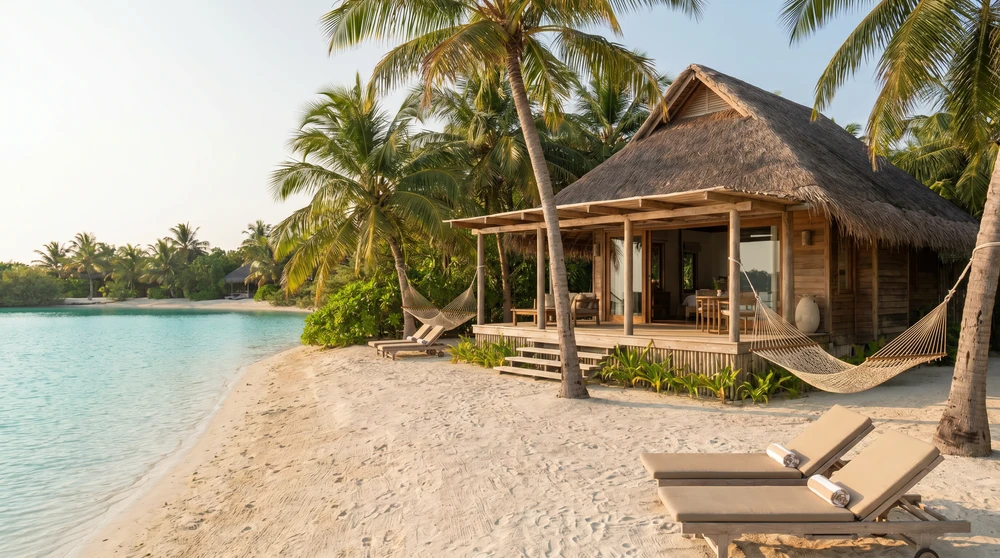
Overwater decks drop straight into deep reef water without any shallow transition zones. Standard glass railings often leave gaps wide enough for a toddler to slip through. Because of this structural reality, many resorts enforce strict age minimums, completely barring children under 8 or 12 from booking overwater inventory.
If traveling with very young children, bypass the safety stress entirely. Book a beach pool villa where kids have immediate access to soft sand and shallow shoreline water. A select few family-focused resorts, such as Waldorf Astoria Ithaafushi, do provide specialized deck-edge child gates upon request if an overwater stay is absolutely non-negotiable.