The Maldives is one of the few places on earth where you can paddle out over warm, glassy water and find a near-perfect reef wave peeling along a desert-island channel. Most of the action sits in the North Male Atoll, a tight cluster of breaks within a short boat ride of each other, anchored by the famous Cokes wave off Thulusdhoo. Getting the most out of a trip here comes down to three things: choosing the right break for your level, timing your visit to the swell season, and deciding whether you want to chase waves from a boat or settle into a local island.
- Best season: March to October, peaking June to September
- Core surf region: North Male Atoll (Kaafu), with central atolls in play
- Wave type: reef breaks over shallow coral, not beach breaks
- Two ways to surf: live-aboard charter or local island guesthouse
- Hub island for budget surfers: Thulusdhoo (walk-out access to Cokes)
- Bring: reef booties, a ding repair kit, and a spare leash
Why the North Male Atoll Draws Surfers
The North Male Atoll, also called Kaafu, sits perfectly to intercept long-period groundswells that travel up from deep in the South Indian Ocean. The reefs here are flat, dead-coral platforms that drop sharply into deep channels, which forces incoming swell to stand up and peak fast. That geometry is what produces the steep takeoffs and clean barrel sections the region is known for.
The seven headline waves of the atoll, Cokes, Chickens, Sultans, Honkys, Jailbreaks, Lohis and Ninjas, sit close enough together that a single base can put several within reach. They range from mellow, rippable walls for improving surfers to hollow, heavy pits that only experts should approach. That spread is part of why the Maldives works for mixed-ability groups, as long as everyone is honest about where they belong.
When to Go: The Maldives Surf Season
The season runs from March to October, and it peaks from June to September when the southwest monsoon pumps the most consistent energy across the reefs. During these months the monsoonal winds blow predominantly offshore through the day and the swell arrives from the south, which is the recipe for clean, ruler-edged walls and the occasional double-overhead day.
The shoulder months of March, April, September and October are the sweet spot for many travellers. The waves are smaller and more forgiving, the lineups are far less crowded, and the winds stay light. June through August brings the biggest swell but also the heaviest crowds, as European summer holidays send surfers flocking to the same seven breaks. If you want size, come mid-season. If you want space, aim for the shoulders.
The Best Breaks, Wave by Wave
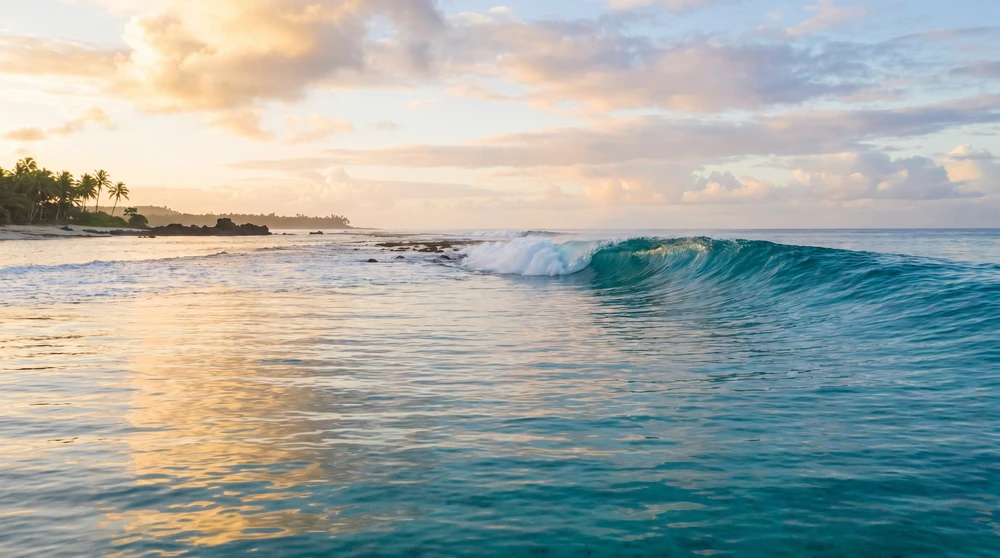
Cokes is a fast, hollow right-hander for experienced surfers only. Breaking right off the northern tip of Thulusdhoo and named for the Coca-Cola bottling plant visible from the lineup, it is the hollowest wave in the North Male Atoll. It starts breaking in shallow water and throws a heavy, mechanical barrel before running into a deep channel, so it demands total commitment on the drop and rewards surfers who can read a fast wall.
Chickens is a long, peeling left that can link sections for hundreds of metres. Sitting directly across the channel from Cokes off an uninhabited island, it is the atoll's biggest swell magnet and will hold just about any size the ocean throws at it. On a good day it is an intermediate-plus wave rather than a beginner one, but its length and the safe channel at the end make it the reliable backup when the right-handers are blown out.
Sultans is the busiest wave in the Maldives, an easy right-hand takeoff that builds into an intense wrapping section at the end. It is the most protected from southerly winds and gathers the most swell, so it is the spot to head for when everywhere else is small. The trade-off is the crowd: on a busy day, charter boats can drop ten or twelve surfers into the lineup at once.
Across the peak from Sultans, Honkys is a fast, wrapping left that needs the right swell direction to fire, sitting near HP Reef just north of Himmafushi. Jailbreaks, also off Himmafushi, is a world-class right-hand reef break with long, clean walls and genuine barrel potential. For mixed groups and improving surfers, Ninjas is the friendly option, a fun right-hander about ten minutes by boat from Thulusdhoo that handles all levels when Cokes and Sultans get too busy.
Charter Boat or Island Stay
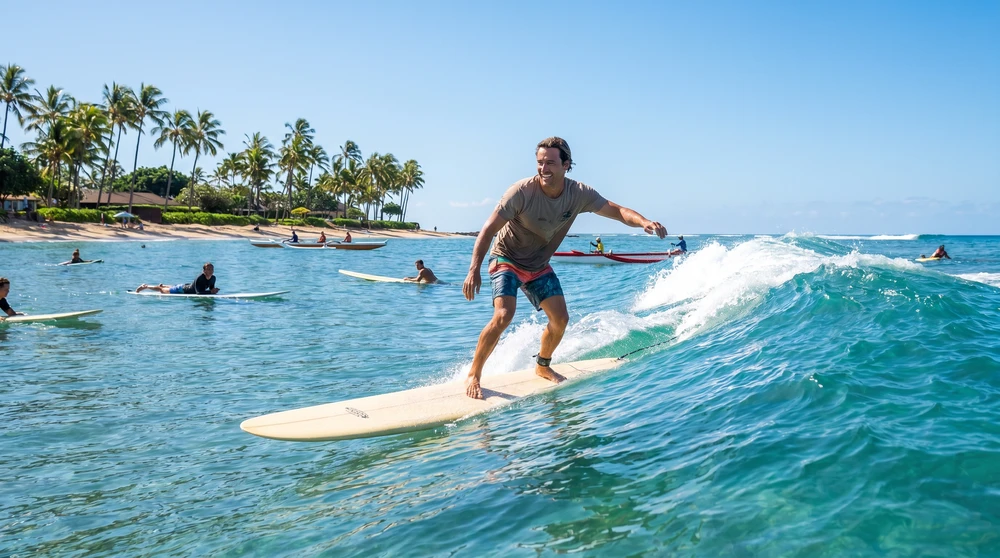
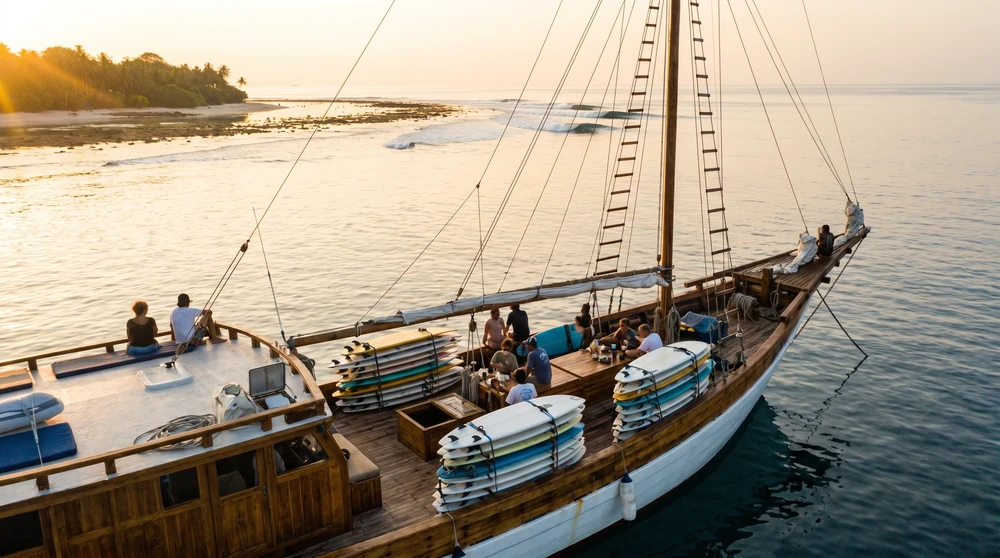
There is no single right answer here, only a question of priorities. A live-aboard charter gives you mobility: you wake up next to the surf, dawn patrol is a dinghy ride away, and if the wind turns or the swell shifts the captain simply moves the boat to a better break. Charters also win the timing game, since boat surfers can be on it for the dawn session before resort guests are awake and for the evening glass-off after the day boats have gone home. The flexibility comes at a higher nightly price, set privately by each operator. If you want to compare boats and dates, it is worth pricing a Guided Maldives surf charter before you commit.
Staying on a local island like Thulusdhoo is the budget-friendly, community-driven alternative. Guesthouses double as informal surf camps with board racks, early breakfasts and local guides, and the walk-out access to Cokes means no daily boat fee for that wave. The catch is that you are tied to one corner of the atoll and dependent on shared surf-taxi dhonis for the other breaks. For travellers who want comfort on land and an authentic village base, a Surf guesthouse on Thulusdhoo is the natural choice.
Whichever you pick, a good surf guide is worth the money. They know the tide windows, the boat lanes and which break will be working at a given hour, which turns a hit-and-miss trip into a reliable one.
Reaching Cokes and Surfing Thulusdhoo
Thulusdhoo is the most accessible base for Cokes and Chickens. From Velana International Airport you can reach the island by speedboat in roughly 25 to 30 minutes, or far more cheaply by public ferry in about 1.5 hours, though the ferry runs on a fixed schedule and does not run on Fridays. Transfer prices are set by the operators and guesthouses, so confirm the current fare and board-bag allowance when you book, as most guesthouses arrange the transfer for you.
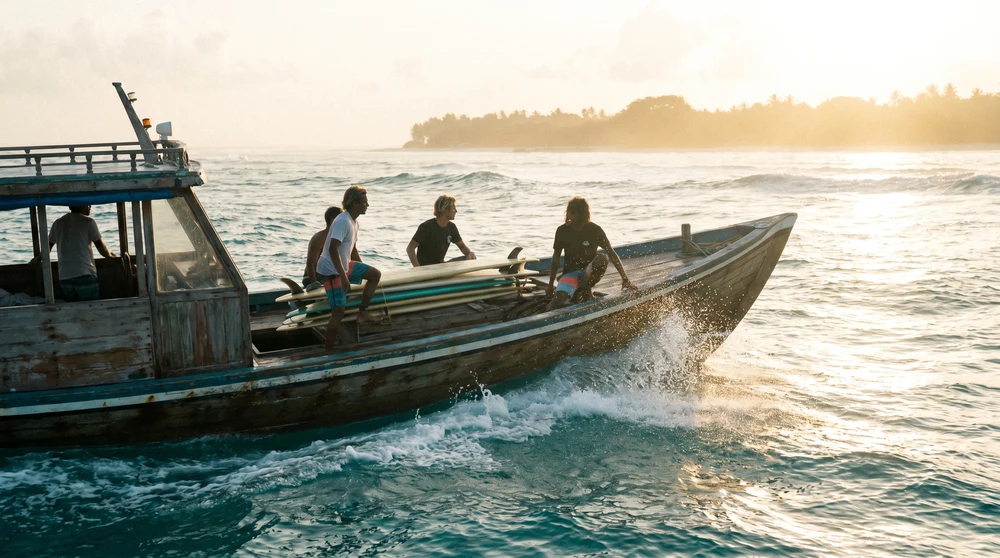
Once you are there, Cokes is a one-minute walk and paddle from the northern beach, which is a rare luxury for a wave of its quality. Chickens, across the channel, needs a short dhoni shuttle that guesthouses run throughout the day, usually charged per person for a round trip. The other breaks, Sultans included, are longer boat rides of around twenty minutes and and typically require a minimum number of surfers to make the run worthwhile.
Respecting the Reef and the Island
These are reef breaks, and the hazards are real: sharp live coral, shallow inside sections at low tide, and strong longshore currents that can sweep an unfit paddler toward the channel. Mid-to-high tide is non-negotiable at Cokes, where low water exposes the coral platform and turns a wipeout into an injury. Booties and even a helmet are sensible at the heavier breaks, and decent travel insurance that covers surfing is genuinely worth having before you go; you can sort a policy through A travel insurance plan in a few minutes.
Thulusdhoo is a local island, home to around 1,400 permanent residents, and it follows Islamic custom. Alcohol is not sold or permitted on land, so any drinks are arranged on the offshore floating bars anchored in the lagoon. When you walk through the village your shoulders and knees should be covered, and swimwear is restricted to the designated Bikini Beach. Respecting these simple rules keeps you welcome and keeps the surf scene on the island healthy for everyone who follows.