Booking a luxury resort in the Maldives is only half the battle. Timing your international flight to align with strict seaplane and ferry schedules is where most travelers make costly mistakes. Understanding the rigid logistics of island transfers saves you from unplanned overnight stays in Male and unexpected overweight baggage fees at the terminal.
- Seaplane transfers run in daylight hours only, roughly 6:00 AM to 4:00 PM
- Resort speedboats are available 24/7, including late-night arrivals
- Scheduled local speedboats run on fixed daily departures
- Public ferries (MTCC) do not run on Fridays
- Seaplanes strictly enforce 20kg checked plus 5kg hand luggage per passenger
Velana International Airport (MLE): Your Starting Point
Every Maldives itinerary begins at Velana International Airport, located on the island of Hulhule, just next to the capital city of Male. The setup here is highly centralized, meaning you do not have to travel far to find your onward transport.
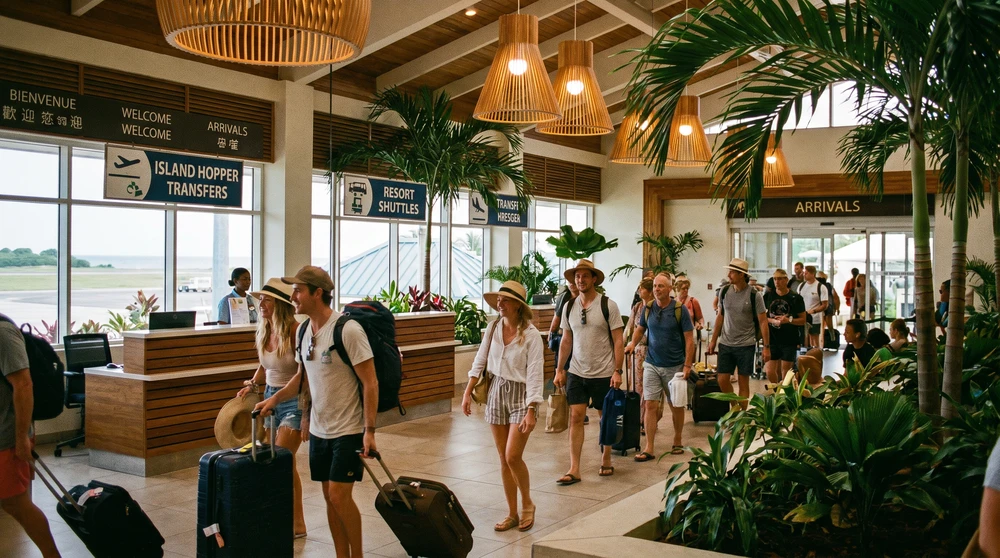
Once you clear customs and step outside, you walk straight into a sea of resort representatives holding signboards. They take over your luggage and escort you directly to the speedboat docks just across the street, or to the check-in counters for your domestic flight or seaplane transfer. The entire transition is surprisingly fast, provided you know exactly which transport method your island requires.
Seaplane Transfers: Rules, Costs, and Luggage Limits
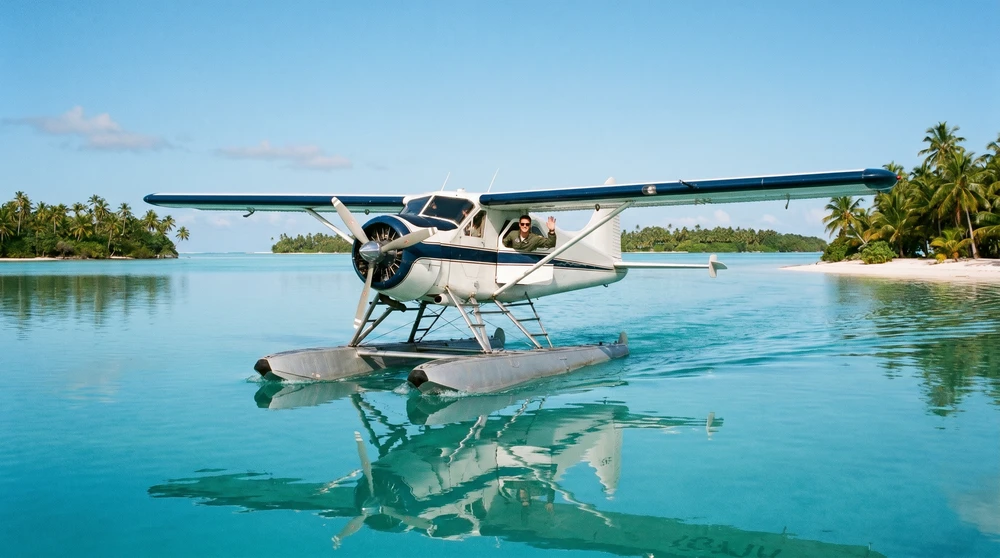
Seaplanes are the backbone of Maldives transportation for resorts located in mid-range atolls like Baa, Ari, and Lhaviyani. Landing directly on the water next to your resort is a visually stunning experience, but it comes with strict logistical boundaries.
Trans Maldivian Airways (TMA) and Manta Air
The seaplane terminal is a short bus ride from the main international arrivals area. Two main operators, Trans Maldivian Airways (TMA) and Manta Air, handle these flights. Because seaplanes operate on a shared, dynamic schedule built around international flight arrivals, you rarely get a fixed departure time weeks in advance. Manta Air is the exception worth noting: it publishes monthly seaplane schedules, so its passengers usually receive confirmed timings alongside their hotel confirmation.
Expect to wait anywhere from one to four hours in a terminal lounge before your flight is called, and plan for the longer end during peak season. The flight itself takes 15 to 60 minutes. The cabins are small, not air-conditioned, and loud, so keep your earplugs handy. Many resorts allow you to bundle these seaplane flights directly into your booking, and many properties bundle the transfer into the room rate, so always confirm whether it is included. Compare Maldives resorts with transfers included
The Strict 20kg Baggage Allowance and Overweight Fees
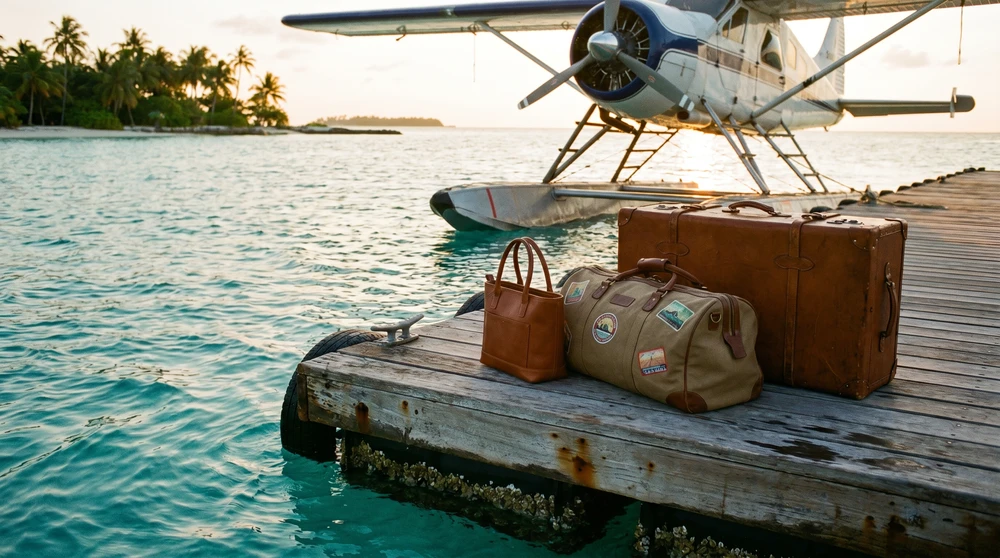
Seaplane weight limits are non-negotiable due to strict aviation safety laws. You get 20kg for checked baggage and 5kg for hand luggage, for a 25kg total per passenger.
If your bag runs over, you pay an overweight fee of roughly five to six US dollars per extra kilogram directly at the counter. More importantly, paying the fee does not guarantee your heavy suitcase travels on the same flight as you. On the rare occasions a bag is offloaded for weight, the operator tells you before departure and lets you transfer essentials to a tote bag, then delivers the suitcase to your resort the same day. Pack medications, a change of clothes, and a swimsuit in your 5kg hand luggage so a delayed bag never derails your first afternoon.
Speedboat Transfers: The 24/7 Option
If your resort or guesthouse is in the Kaafu Atoll (North or South Male), you bypass aircraft entirely and travel by speedboat. The journey usually takes between 15 and 90 minutes.
Resort Speedboats vs. Local Scheduled Speedboats
Resort speedboats are private, premium-priced, and highly flexible. They operate day and night, meaning they will pick you up even if your international flight lands at 11:00 PM. This 24/7 availability is the single biggest reason to favor a speedboat island if your inbound flight arrives in the evening.
Local scheduled speedboats bridge the gap between luxury and budget travel. Operated by private companies, these boats run on fixed timetables to popular local islands like Maafushi, Dhiffushi, or Thulusdhoo. You must book these through your guesthouse a few days in advance, as seats sell out quickly during peak season. If you want a pre-arranged transfer or a transfer tied to an excursion, you can also Book a speedboat transfer in advance to lock in a seat.
Public Ferries (MTCC): The Budget-Friendly Route
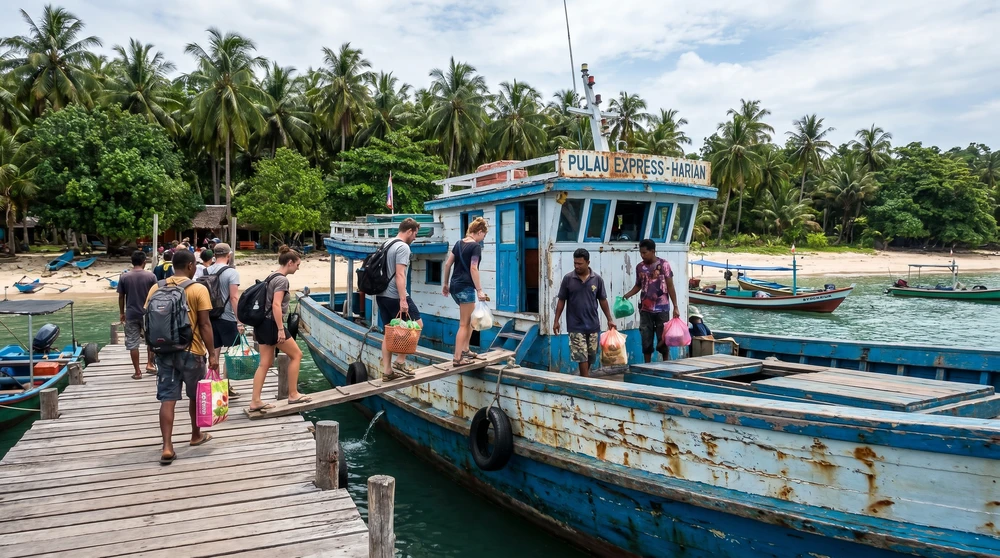
The government-operated MTCC public ferries, the traditional dhonis, connect the inhabited local islands and are the cheapest way to travel the Maldives. All routes now depart from the MTCC Male Ferry Terminal, opposite the Maagiri Hotel in the northeast of the city. The trade-off is time. A journey that takes 45 minutes by speedboat can take three hours on a public ferry, often with stops at multiple islands along the way.
Tickets are cash only. The crew prefers Maldivian Rufiyaa, though US dollars are usually accepted, and on island routes the crew often sells tickets onboard after departure rather than at a booth. Carry small bills, because credit cards and digital payments are not taken at the jetty.
Important: Friday Closures and Schedule Gaps
This is the single biggest trap for budget travelers: MTCC public ferries do not run on Fridays. Friday is a holy day in the Maldives, and the inter-island public network shuts down for the day. The only routine exception is the airport-to-Male shuttle ferry, which keeps running.
If your international flight lands on a Friday and you plan to reach a local island by public ferry, you are out of luck. You will either charter an expensive private speedboat or spend the night in a Male or Hulhumale hotel until ferry services resume on Saturday morning. MTCC also updates its timetables frequently, so confirm the current schedule on the official MTCC site before you build a tight connection around it.
Domestic Flights: Reaching the Southern and Northern Atolls
For resorts located in the extreme north or deep south, such as Addu, Gaafu Alifu, or Laamu atolls, seaplanes simply cannot cover the distance. Instead, you take a standard domestic flight.
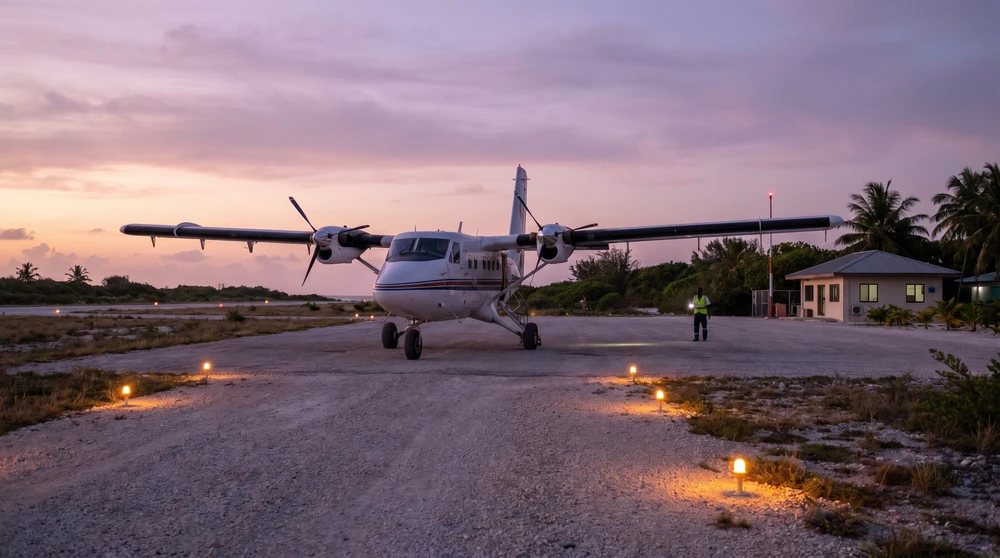
Airlines like Maldivian and Manta Air operate 40-to-60-seat turboprop planes (Dash-8 and ATR) from the domestic terminal at Velana Airport to regional airports such as Kooddoo and Hanimaadhoo. Once you land at the regional airport, a resort speedboat takes you the final 15 to 30 minutes to your island. Unlike seaplanes, domestic flights operate well into the night, making them a reliable option for late arrivals to distant atolls.
Dealing with Late Arrivals: What Happens After 4:00 PM?
Aviation regulations in the Maldives dictate that seaplanes operate strictly under Visual Flight Rules, which means they only fly in daylight. The practical takeaway is simple: land early.
If your international flight arrives after about 3:30 PM, you will miss the last seaplane departure, and resorts will not refund the missed night. To prevent this, aim for an international flight that lands before 3:00 PM, and ideally book a morning arrival so you catch the first seaplane out and gain a full day at the resort. If a late arrival is unavoidable, book a transit hotel in Hulhumale, a roughly 10-minute taxi ride from the airport, for your first night and catch the early morning seaplane the next day.
Can You Book Your Own Transfer to a Private Resort?
Many travelers try to bypass the resort seaplane fee by looking for independent boats or third-party flights. This does not work.
Private resorts hold exclusive operating agreements for their lagoons. You cannot hire a local fisherman or an independent speedboat from Male to drop you at a luxury resort. You are required to book the transfer directly through the resort's reservations team, providing your flight details at least 72 hours ahead, and the cost is added to your final hotel bill at checkout.