Where you sleep in the Maldives decides almost everything else about your trip, from what you can wear on the beach to whether you can order a beer with dinner. The country splits cleanly into two worlds: private resort islands that function as sealed luxury bubbles, and inhabited local islands where guesthouses sit among real Maldivian communities.
Picking the wrong one for your travel style is the fastest way to blow your budget or run into rules you did not see coming. Here is how the two genuinely compare, and why the smartest travelers increasingly refuse to choose just one.
- Local islands cost a fraction of resorts, often around 70 to 100 USD per person per day against 400 USD and well beyond at a resort.
- Alcohol is only available on resort islands, on floating bars off local islands, or as part of a resort day trip.
- Local islands are governed by national law, so modest dress is required in the village and swimwear is limited to designated bikini beaches.
- Resorts deliver privacy, service and overwater villas that local islands simply cannot match.
- A split stay lets you bank the savings and the culture of a local island, then finish in resort luxury.
Comparing the Two at a Glance
The two stay types are almost mirror opposites. One is built around community, value and authenticity, the other around isolation, polish and convenience. This table lays out the qualitative trade-offs before we get into the detail.
| Factor | Local Island | Private Resort |
|---|---|---|
| Vibe | Authentic, community-driven, lively | Isolated, manicured, exclusive |
| Daily spend | Budget-friendly | Premium to very high |
| Alcohol | Not sold on the island | Freely available |
| Dress code | Modest in the village, swimwear at bikini beaches | No restrictions anywhere |
| Transfers | Public ferry or shared speedboat | Private speedboat or seaplane |
| Best for | Explorers, budget travelers, culture seekers | Honeymooners, special occasions, pure relaxation |
The Real Cost Gap
Money is where the two worlds separate most dramatically. On a local island you can secure a modern, air-conditioned guesthouse room with Wi-Fi and an en-suite bathroom, eat generous plates of tuna rice or reef fish at a local cafe, and join an excursion or two, all for a daily figure that stays comfortably in the low hundreds at most. A resort, by contrast, can run from several hundred to a couple of thousand US dollars per person per day once villas, dining and activities are counted.
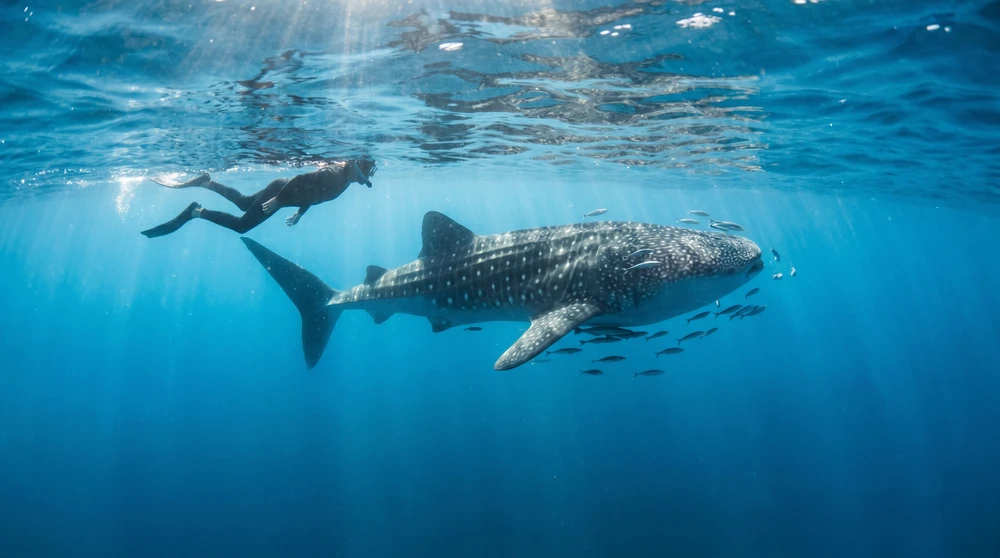
The gap is starkest on excursions. A manta or whale shark snorkeling trip booked from a guesthouse visits the same reef as the resort version at a small fraction of the price. The marine life does not care what you paid for your bed. The same boat trip can cost three to five times more when booked through a luxury resort, simply because of where you happen to be sleeping.
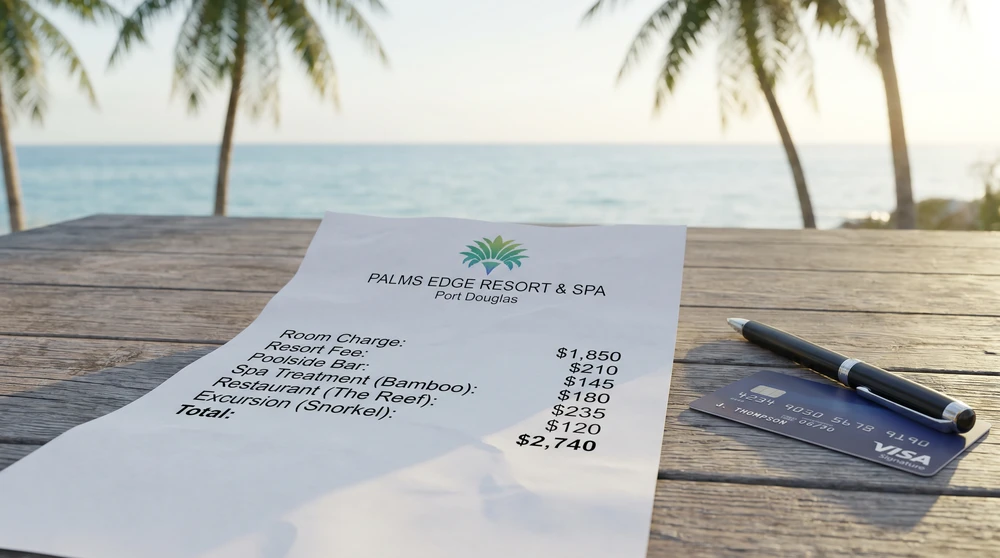
Resort headline rates also hide extras. On top of the nightly figure you will see TGST at 17 percent and a 10 percent service charge added to almost every purchase, plus a per-person, per-night green tax.
That green tax is set by the government and differs by stay type: it is USD 12 per person per night at resorts and larger hotels, and only USD 6 per person per night at guesthouses on inhabited islands. Because exact resort, guesthouse and transfer prices shift constantly by season and property, it pays to Compare guesthouses and resorts for live rates rather than trust any fixed number you read online.
Freedom and the Rules You Need to Know
The Maldives is an Islamic nation, and on inhabited local islands national law applies in full. In the village you must keep shoulders and knees covered, and walking through town in a swimsuit will offend residents and can draw the attention of local authorities.
To welcome tourists, local islands set aside fenced sections of coast as designated bikini beaches - swimwear stays within that zone and is not permitted in the village. Resorts sit under a different arrangement entirely: each private island is a tourist zone where you can wear what you like anywhere on the property.
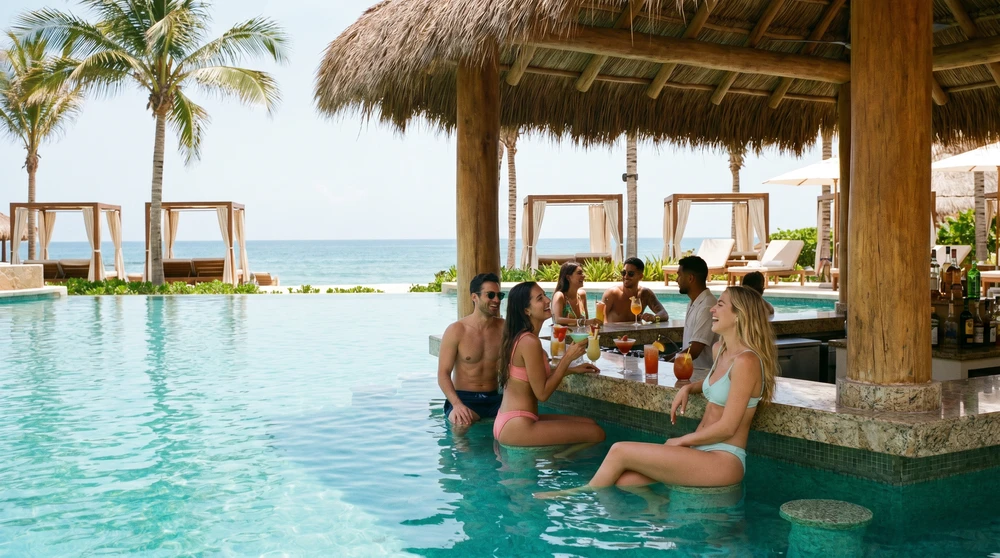
Alcohol follows the same logic: you cannot buy it on a local island, but floating bars anchored just offshore and resort day trips are both valid options. Do not pack duty-free liquor for a local-island stay, as it will be confiscated on arrival at the airport. On a resort you can order a cocktail at the swim-up bar or a glass of wine in your villa without a second thought.
What Local Islands Actually Offer
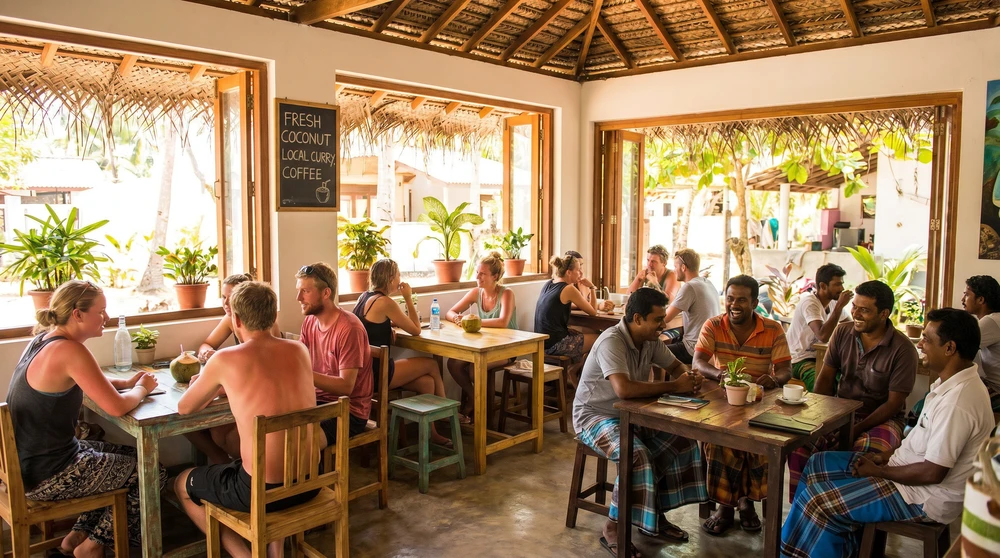
The guesthouse boom transformed budget travel here, and the modern local island is far from roughing it. You get a comfortable room, easy access to dive centers, and genuine contact with Maldivian life that no resort can manufacture.
Some islands have built strong reputations: Maafushi is the developed pioneer with the cheapest excursions and the biggest crowds, Ukulhas is prized for cleanliness and a long, calm bikini beach that suits couples, and Thoddoo is the agricultural island where you cycle past fruit farms to reach some of the prettiest beaches in the country.
The one thing a local island cannot give you is total isolation. You are sharing the island with a working community, the harbor is busy, and the beach is public outside the bikini zone. For many travelers that buzz is the whole point. If you want to dip a toe into resort luxury without paying to sleep there, most guesthouses can arrange a resort day pass, and you can Book reef and sandbank excursions directly from the island at local prices.
What Resort Islands Actually Offer
Resorts deliver the glossy version of the Maldives that fills magazine spreads: the overwater villa with a glass floor, the private plunge pool, the sand swept clean before you wake.
The service is frictionless, staff remember your preferences, marine biologists guide your snorkel, and dining is unhurried and high-end. If absolute privacy and uninterrupted relaxation matter most to you, a resort is the only real option, because no local island can replicate that level of seclusion.
The trade-off is exposure to the full cost stack and a more standardized, international feel. You will see little of everyday Maldivian culture inside the bubble, and the captive setting means a la carte dining and drinks add up quickly unless you are on a comprehensive all-inclusive package.
Getting Around the Atolls
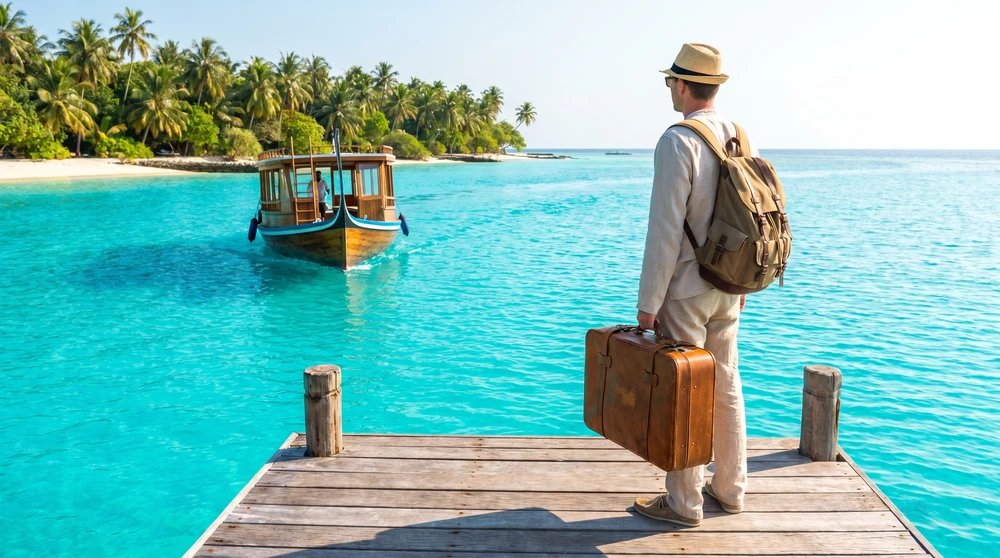
Your island choice dictates how you travel from the capital. Public ferries are extremely cheap but slow, run on fixed schedules, and cancel in rough seas, so they suit only the most patient budget travelers. Scheduled and shared speedboats are the workhorse of local-island travel, reliable and far quicker.
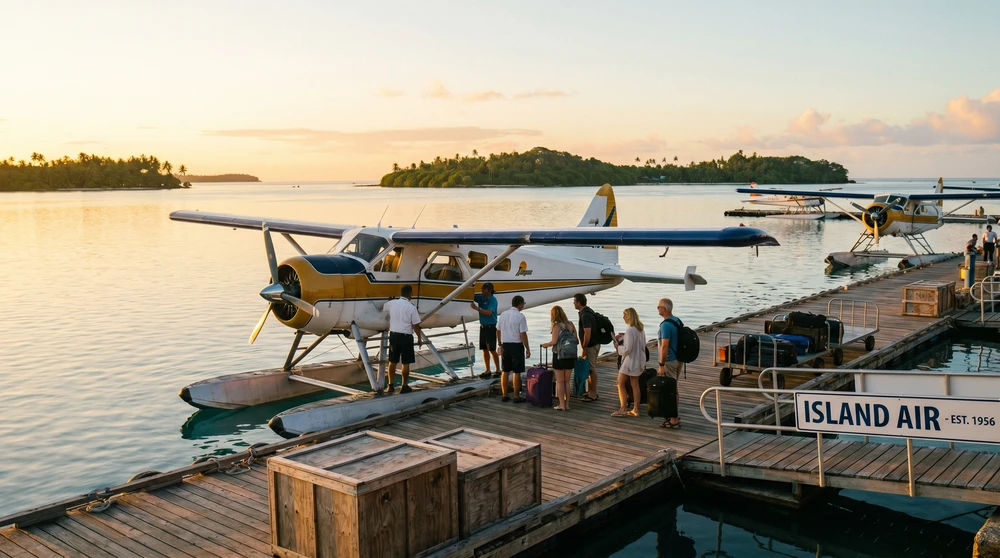
Seaplanes are the only way to reach distant resorts, run in daylight only, depend on clear weather, and add a significant cost to the trip. If your international flight lands late afternoon, expect a night in Male before a morning seaplane out.
The Split Stay: Get Both Worlds
You do not have to pick a side. A split stay can cut your overall budget while still giving you resort luxury, which is why experienced visitors keep recommending it: open your trip on a local island, where you do the energetic, expensive-at-a-resort activities like diving, whale shark spotting and island hopping at a fraction of the cost, then transfer to a resort for the final few nights to switch off completely. By the time you reach the villa your appetite for adventure is satisfied and you are ready to do nothing at all.
Done well, this approach hands you both the authentic culture and the high-end pampering while cutting your overall budget compared with a full resort stay.
The one rule is logistics: keep both islands in the same or adjacent atolls so you are not losing a whole day routing back through Male to change hotels. Wherever you start, it is worth sorting travel insurance before you go, and you can Check travel insurance options that cover diving and watersports.
Which One Suits You
Choose a local island for value and culture, and a resort for privacy and pampering. Pick a local island if you are watching your budget, travel independently, and want real cultural contact and the country's best-value diving. Choose a resort if you are marking a honeymoon or special occasion, value privacy and seamless service, and want to disconnect without planning a thing. And if you can spare seven nights or more, lean toward the split stay, which is the closest thing to having the whole Maldives in one trip.