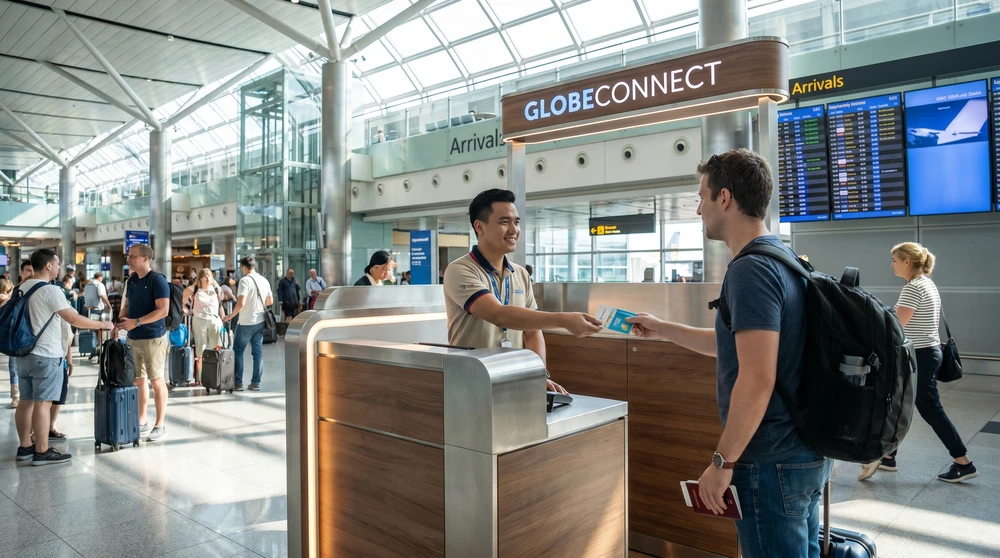
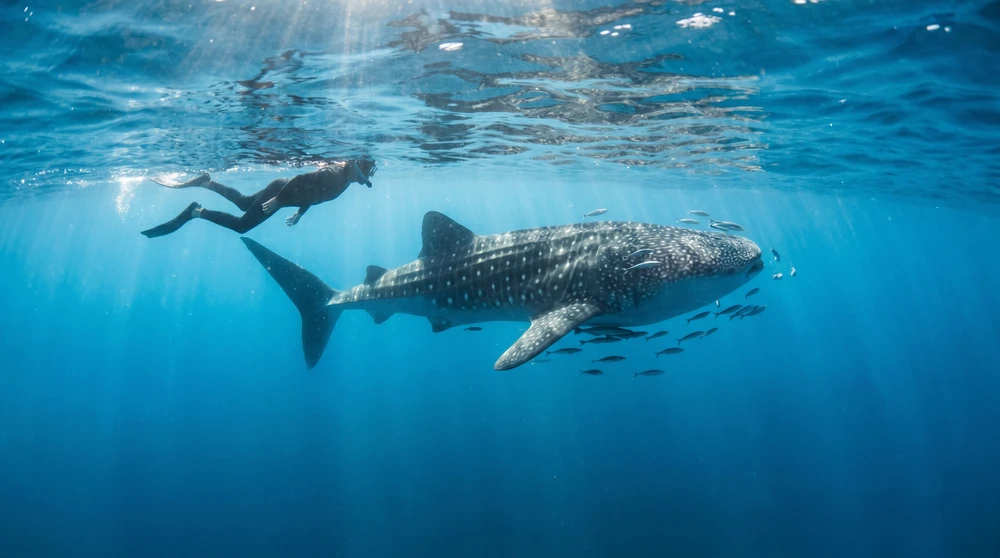
Booking a cheap flight to the Maldives is easy, but ignoring the mandatory tourism tax, service charges, and the cost of getting to your island will quietly wreck your budget. The true cost lives well past the headline room rate, and it is shaped by the strict logistics of a nation spread across hundreds of tiny islands.
| Travel Style | Daily Spend (Per Person) | Typical Accommodation | Transfer Method |
|---|---|---|---|
| Budget | Lowest band | Local island guesthouse | Public ferry or shared speedboat |
| Mid-range | Middle band | Entry-level resort | Shared speedboat |
| Luxury | Highest band | Overwater villa | Seaplane |
Average Maldives Trip Cost in 2026
Calculating a flat rate for a Maldives vacation is impossible because your daily spend depends almost entirely on the island category you choose. The single biggest financial dividing line is whether you stay on an inhabited local island or a private resort island. A week for two on a local island can land in the low thousands, while the same week at a premium private resort can run well into five figures.
Everything below flows from that one decision, so anchor your budget to the island type first, then layer on transfers, food, and taxes.
Accommodation Costs: Local Islands vs Private Resorts
Choosing where you sleep dictates the rest of your spending.
Budget: Guesthouses on Local Islands
Staying on inhabited islands like Maafushi, Thoddoo, or Dhigurah cuts accommodation costs drastically. Local island guesthouses are by far the cheapest way to sleep in the Maldives, and many include breakfast. These islands offer a genuine look into Maldivian daily life, with local cafes and grocery shops. Keep in mind that local islands follow Islamic law, so alcohol is prohibited and you must swim at designated bikini beaches.
If you want to compare guesthouse options across the popular local islands, it pays to check live availability before locking in dates. Compare local island guesthouse prices

Mid-Range: Entry-Level Resorts
If you want the resort experience without the ultra-luxury price tag, entry-level private islands are the sweet spot. To keep this tier affordable, pick a resort in the North or South Male Atoll. That choice eliminates the need for a costly seaplane and lets you reach your hotel on a much cheaper speedboat.
Luxury: Premium Overwater Villas
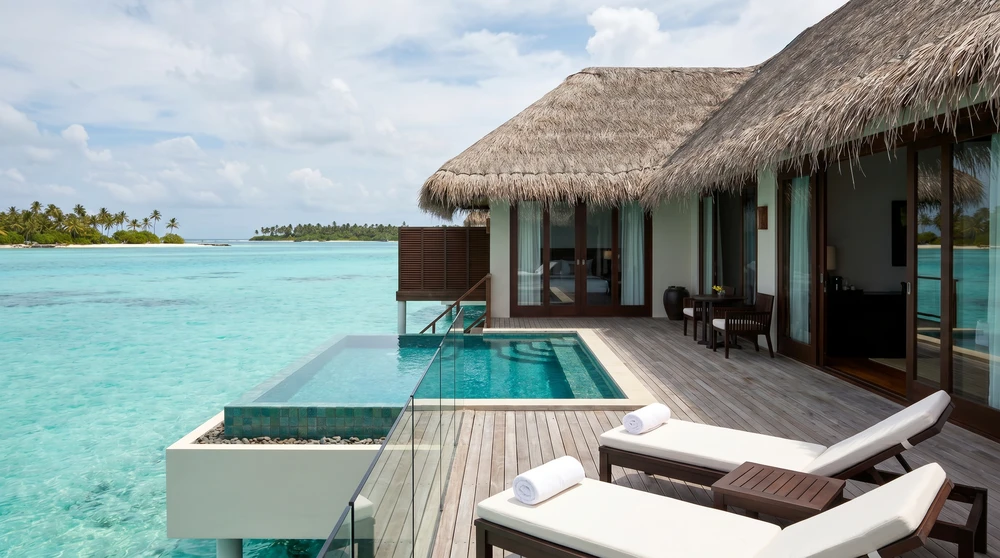
High-end resorts push the daily cost into a different universe. A premium overwater villa with a private plunge pool sits at the very top of the market during the dry season. These properties trade on maximum privacy, dedicated butler service, and direct access to pristine house reefs, and the nightly rate reflects all of it.
Transportation: Getting There and Around
Reaching your final island is often the most complex and expensive part of the journey.
International Flights to Male
Every trip starts at Velana International Airport (MLE), and flights are a major cost driver. Long-haul economy fares from North America run noticeably higher than fares from Europe, and most routes require a layover in the Middle East or Asia. Booking four to six months ahead secures the best routing and the lowest fares.
Public Ferries and Speedboats
Public ferries are the cheapest way to move between Male and the local islands, often costing only a few dollars, but they are slow and run on irregular schedules.
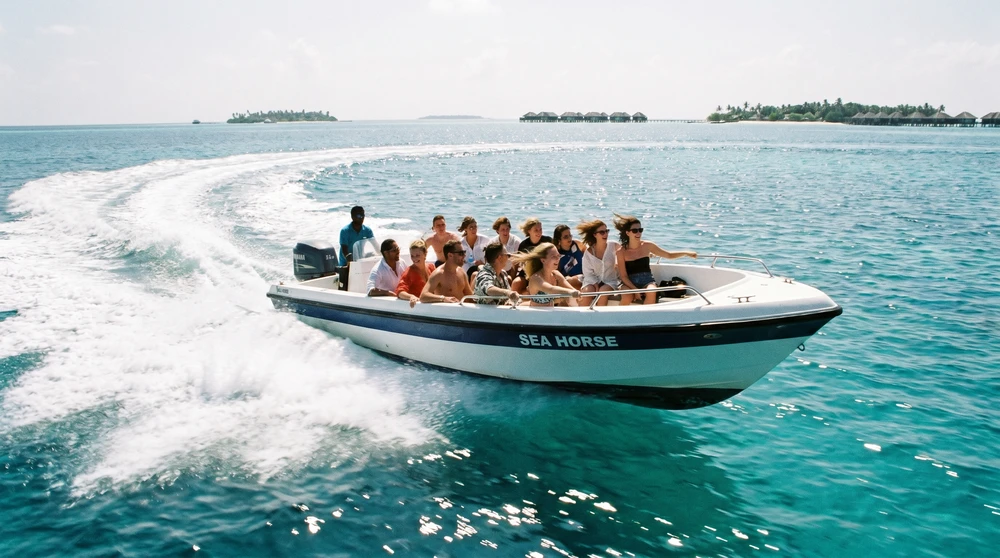
The crucial logistic rule: public ferries do not operate on Fridays in the Maldives. If your flight lands on a Friday, your only options to reach a local island are a shared speedboat or a private charter. Shared speedboats are reliable, fast, and easily arranged through your guesthouse, at a much higher price than the ferry.
Seaplane Transfers
Resorts in distant atolls require a flight with Trans Maldivian Airways, and a round-trip seaplane seat is one of the largest single line items on a luxury trip. It is almost never included in the headline booking price. Seaplanes only fly during daylight hours, so if your international flight lands in the late afternoon, you must book a transit hotel in Male or Hulhumale and fly out the next morning.
Guided day trips, snorkeling safaris, and sandbank excursions are easy to add once you arrive, and pre-booking the popular ones helps avoid missing out. Browse Maldives tours and excursions
Food and Dining Expenses
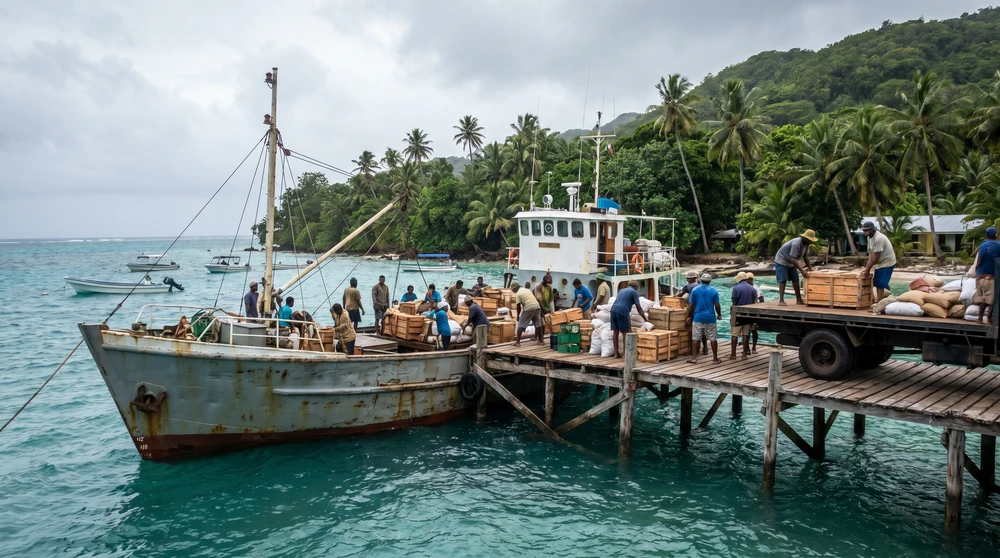
Importing food to isolated islands drives dining costs up significantly.
Local Eateries vs Resort Dining
On local islands, dining is genuinely affordable, especially when you pay in Maldivian Rufiyaa for fresh tuna, rice, and coconut at a local cafe. At private resorts, dining costs multiply, with a single cocktail, a casual lunch, or a multi-course dinner each priced at a steep premium over local island fare.
Are All-Inclusive Packages Worth It?
Upgrading to half-board or all-inclusive provides real financial relief at resorts. Paying for every meal a la carte quickly exceeds the cost of the package upgrade. All-inclusive plans also remove budget anxiety and often bundle non-motorized water sports into the deal.
Hidden Fees to Watch Out For
Online booking platforms rarely display the final checkout price upfront, and the government and resort add-ons stack fast. These are mandatory, verifiable charges rather than discretionary fees.
| Charge | Rate (2026) | Applies To |
|---|---|---|
| Tourism GST (TGST) | 17% | Accommodation, food, and activities |
| Service charge | 10% | Resort bills, including spa and drinks |
| Green Tax (resort) | USD 12 per person per night (resorts and large establishments) | Resorts and large establishments |
| Green Tax (guesthouse) | USD 6 per person per night (guesthouses with 50 or fewer rooms) | Guesthouses with 50 or fewer rooms |
The Green Tax doubled for most establishments in January 2025, and TGST rose to its current level in mid-2025, so older guides quoting lower figures are out of date. Children under two years old at check-in are exempt from the Green Tax.
Travel insurance is another fee most people forget until something goes wrong on a remote island. Compare travel insurance plans
Best Time to Visit on a Budget
Timing your arrival directly impacts the bottom line. The peak dry season from December through March commands the highest hotel rates of the year. Traveling during the shoulder season, in late April, May, or November, drops both flight and hotel prices considerably. The weather stays mostly sunny with occasional short showers, giving you the full tropical experience at a fraction of the peak cost.