Booking a guesthouse in the Maldives expecting a seamless resort experience often leads to a rude awakening when you hit unexpected domestic flight costs or strict local dress codes. Choosing the wrong island can mean the difference between swimming with manta rays straight off the beach and spending your entire budget on two-hour daily speedboat transfers. The trick is matching the atoll to your budget, travel style, and the marine life you actually care about.
- Average daily budget: $60 to $150 per person, covering a guesthouse room, meals, and one standard excursion
- Speedboat transfers run $25 to $80 one way, public ferries are far cheaper but skip Fridays entirely
- Swimwear is allowed only on screened bikini beaches, cover shoulders and knees everywhere else
- Alcohol is banned on every inhabited island, the only legal drinks are on offshore floating bars near hubs like Maafushi
- Budget an extra $20 to $30 per night for the 17% tourism tax and the daily Green Tax that quotes often leave out
What to Know Before You Go
Staying on an inhabited Maldivian island means living inside a working local community, not a sealed-off resort. The dynamics are completely different, and a little cultural awareness saves you from awkward moments and surprise bills. If you are still weighing the two options, our breakdown of a Maldives resort versus a local island stay lays out the real trade-offs.
The Bikini Beach Rule Explained
Local islands operate under Islamic law, and walking through the village in a swimsuit is a genuine cultural offense, not a minor faux pas. To make tourism work, every major guesthouse island fences off a designated bikini beach, usually screened with palm fronds or low walls, where standard swimwear is fine. The moment you step off that strip to grab a coffee or head back to your room, throw on a t-shirt and a sarong. For the full picture of what flies where, see our guide to the Maldives dress code on local islands.
Alcohol, Floating Bars, and Customs
You will not find a single drop of alcohol in any guesthouse, restaurant, or shop on a local island, and bringing your own is not a workaround. Duty-free liquor is confiscated at Velana Airport, even sealed bottles bought on the flight over. If a cold beer at sunset is non-negotiable, base yourself on Maafushi or Himmafushi, which have licensed floating bars anchored just offshore. A free dinghy ferries you out to drink legally, at premium prices.
Cash, ATMs, and the Taxes Nobody Mentions
Most remote islands have no reliable ATM, and the ones that exist dispense Maldivian rufiyaa, not dollars, and regularly run dry.
Pay your main guesthouse bill by card online, but carry crisp US dollars for small cafes, tips, and independent excursion operators. Worn or pre-2006 hundred-dollar bills get rejected routinely, so bring clean notes. The number that catches people out is tax: the Tourism Goods and Services Tax rose to 17% in July 2025, and a daily Green Tax of around $6 per person applies at guesthouses. Together they add $20 to $30 a night to a budget room, so always confirm whether your quote includes them.
Best Local Islands by Travel Style
Stop hunting for the single objectively best island and start matching one to what you actually want to do. Here is the honest breakdown of what each gives you on the ground.
Maafushi: The Budget and Excursion Hub
Maafushi is loud, heavily developed, and packed wall to wall with guesthouses. The bikini beach is small and often crowded with day-trippers off the Male boats.
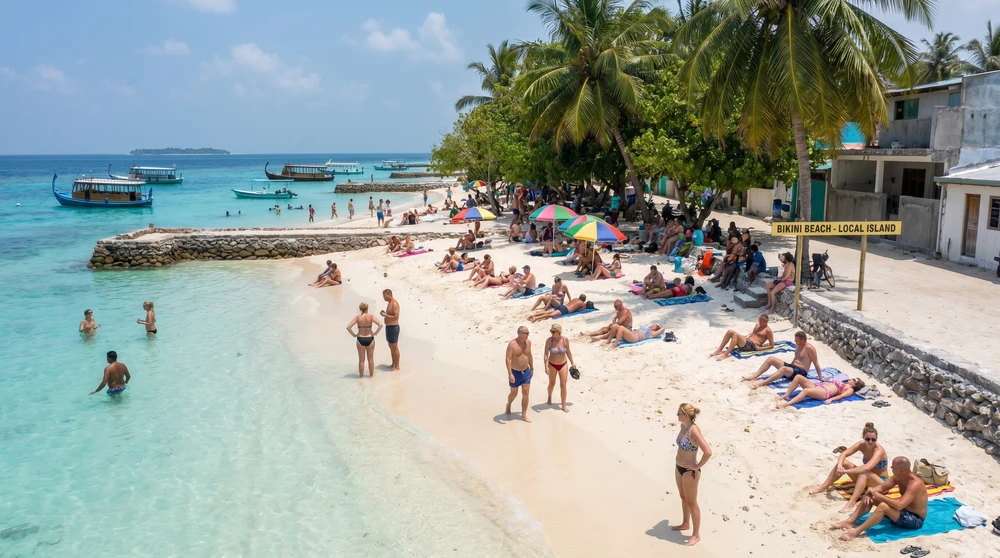
The upside is sheer volume: so many tourists pass through that excursion prices are the lowest in the country. Half-day snorkeling trips, sandbank picnics, and nurse shark encounters cost close to half what you would pay on a quiet island. Choose Maafushi for high activity, cheap food, and a quick 45-minute speedboat from the airport. When you are ready to book, you can Compare guesthouses on Maafushi well in advance, since the best-value rooms sell out fast in high season.
Dhigurah: Long Beaches and Year-Round Whale Sharks
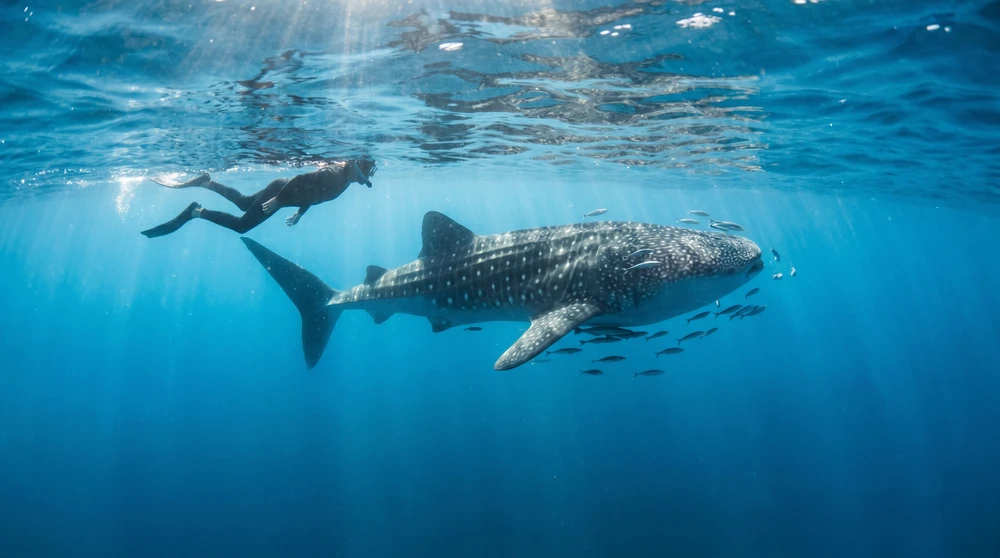
In the South Ari Atoll, Dhigurah stretches over three kilometers and has one of the most walkable white-sand sandbanks anywhere in the Maldives. It rarely feels crowded thanks to its size, and you can walk the southern spit and find yourself completely alone. The real draw is the whale shark aggregation zone, where sightings happen year-round just a short boat ride offshore, something we cover in depth in our guide to swimming with whale sharks in South Ari. Expect higher room rates here, and budget a two-hour, $50 speedboat or a domestic flight from $170 one way.
Thulusdhoo: Surf Culture and Street Art
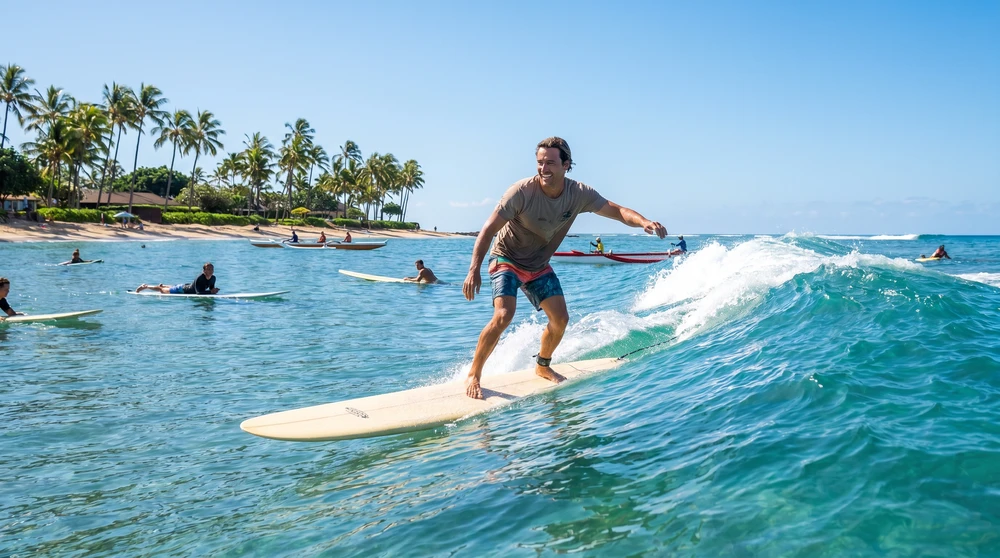
Thulusdhoo swaps sleepy village life for an energetic surf scene. Home to the famous Cokes and Chickens breaks, it fills with international surfers from May to October, and the streets carry a bohemian, mural-covered vibe.
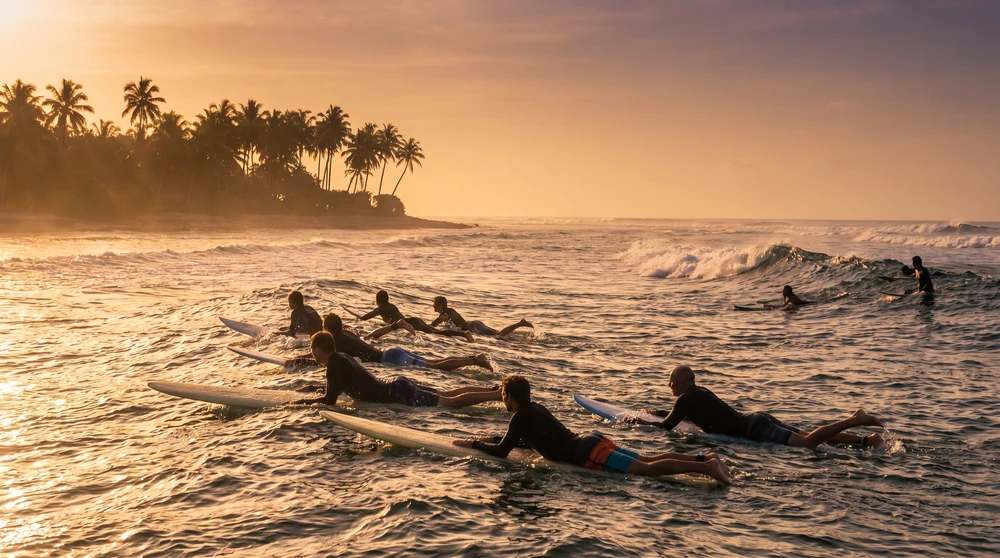
The bikini beach is decent rather than pristine, and currents near the reef breaks run strong, so it suits confident swimmers more than families. It sits just 30 minutes from Male, which makes it ideal for a short stay. Surfers planning sessions on Cokes should read our guide to the best surf breaks in the Maldives first.
Dharavandhoo: Manta Rays at Hanifaru Bay
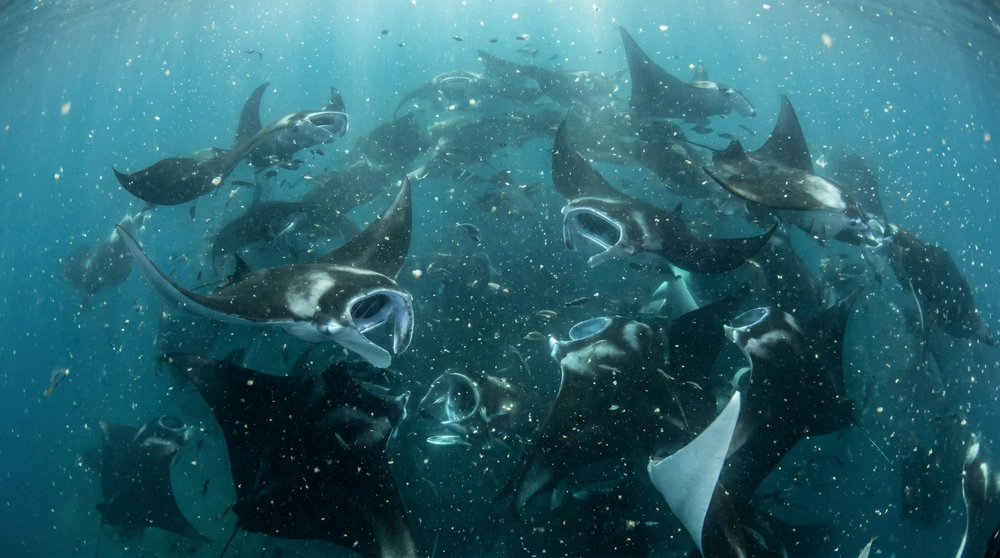
If swimming alongside dozens of manta rays is the priority, Dharavandhoo in the Baa Atoll is the strategic base. Between May and November, plankton blooms in nearby Hanifaru Bay trigger huge feeding aggregations.
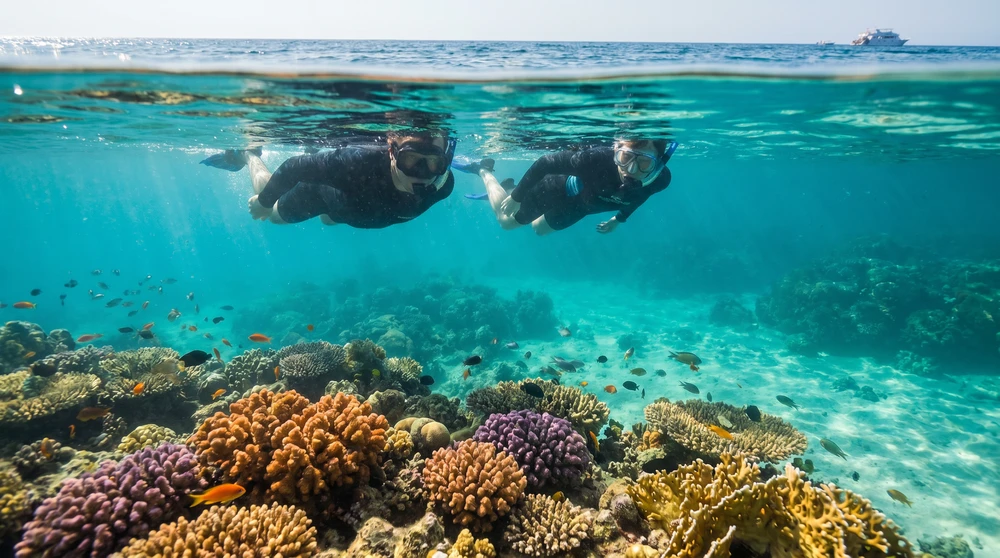
Snorkeling is tightly controlled by park rangers, and scuba diving is banned inside the bay to protect the animals, a rule worth knowing before you book a dive package. The island has its own domestic airport, so you skip the rough ocean crossing, though flights run around $110 to $140 one way. Our full guide to snorkeling with mantas in Hanifaru Bay explains the permit system and timing.
Fulidhoo: Tiny, Tranquil, and Shark-Rich
In the Vaavu Atoll, Fulidhoo is one of the smallest local islands, walkable end to end in a few minutes, and it trades nightlife for genuine quiet. The reason divers and snorkelers love it sits right at the jetty: nurse sharks and stingrays gather in the southwest lagoon, gliding past in knee-deep water so clear you can count fish well below the surface. Morning boat tours to nearby Shark Point run roughly $45 to $55 per person and turn up dozens of nurse sharks, with the occasional blacktip. It is a 40-minute speedboat from Male, making it an easy add-on to a wider island-hopping route.
Ukulhas: Eco-Friendly with a Walk-In House Reef
Ukulhas stands out for its cleanliness and a house reef you can reach on foot. Unlike Maafushi or Thulusdhoo, you do not need a daily boat tour to see marine life, just grab a mask, step off the long bikini beach, and spot turtles, reef sharks, and eagle rays within minutes. The community runs strict waste management, which gives the whole island an orderly, pristine feel. It takes a 90-minute, roughly $50 speedboat from Male.
Rasdhoo: Advanced Diving and Hammerheads
Rasdhoo is compact, functional, and built almost entirely around its diving community, with more of a backpacker feel than its neighbors. It sits beside deep ocean channels where strong currents funnel in large pelagics, and divers base here for early-morning trips to spot hammerhead sharks, a genuine rarity in other atolls. The bikini beach is small with strong currents, a poor fit for families wanting calm lagoon swimming. Go to Rasdhoo strictly for the underwater adrenaline, and pair it with our guide to scuba diving across the Maldivian atolls to plan dive sites.
How to Get to Local Islands from Male
Your international flight lands at Velana International Airport (MLE), but the journey is only half done. Transport here runs on fixed schedules, not on-demand convenience, and getting this wrong can cost you a full day. For the bigger picture across seaplanes and ferries, see our guide to getting around the Maldives.
Speedboats versus Public Ferries
Scheduled speedboats are the workhorses of local island travel. They run one to three times a day, cost $25 to $80, and hold 20 to 30 passengers. Book your seat through your guesthouse at least three days ahead, because they sell out fast in high season.
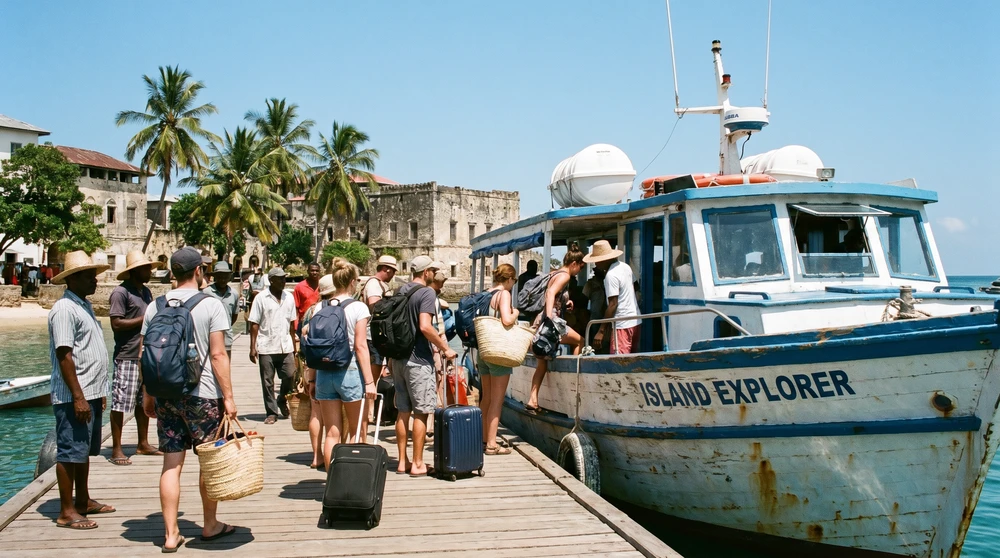
Public ferries cost a fraction of that but take roughly three times as long and cancel readily in bad weather. The detail that trips people up: public ferries do not run on Fridays for the Islamic holy day, so if your flight lands on a Thursday or Friday, plan the connection carefully or you may be stuck overnight in Male.
Domestic Flights for Far Atolls
For distant atolls like Baa (Dharavandhoo) or the deep south, speedboats are either nonexistent or punishingly long. Domestic flights on Maldivian or FlyMe take 20 to 40 minutes and leave from the domestic terminal beside the international arrivals hall.
Fares run $110 to $180 one way. Guesthouses can often secure discounted tickets if you let them handle the booking rather than buying direct from the airline, so ask before you click confirm. Once you know which atoll suits you, Book island excursions ahead of arrival to lock in the better-value operators.