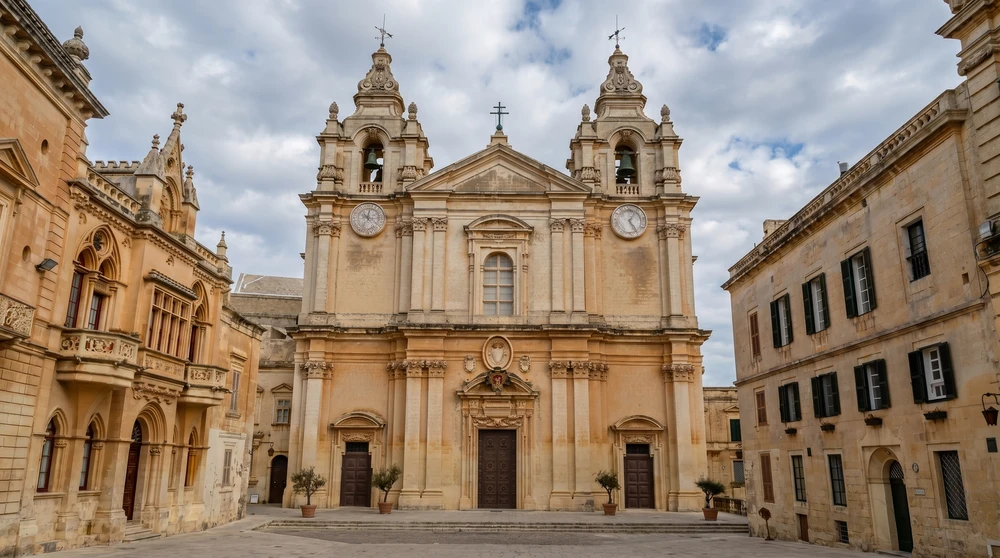
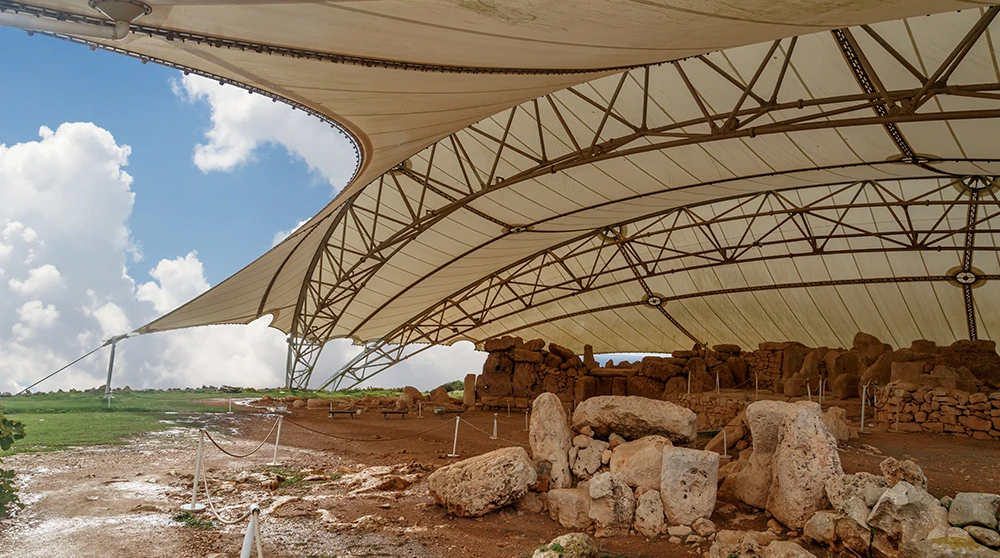
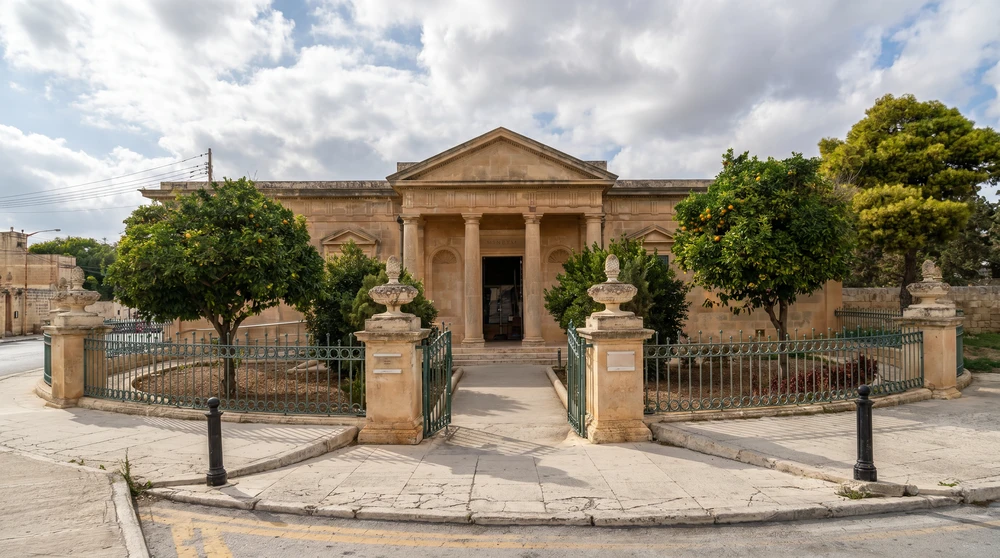
Choosing an English school abroad often feels like a trade-off between draining your savings in the UK or gambling on education quality somewhere cheaper. The honest answer about Malta is that it can cut your tuition and living costs by 30% to 50%, but the Mediterranean-British environment suits some learners far better than others. This guide walks through who Malta works for, who should look elsewhere, and what the realities of accent, cost, and timing actually mean before you book.
- Average tuition (4 weeks, 20 lessons/week): around €700 to €900, varying by season and accreditation
- Best for: beginners to upper-intermediate (A1 to B2), EU citizens needing easy access, and young adults
- Less ideal for: advanced learners (C1/C2) chasing highly literary, near-native vocabulary
- Top school locations: Sliema, St. Julian's, and Valletta
- Visa: part of the Schengen Zone, a major advantage over post-Brexit UK for EU citizens
Why Choose Malta Over the UK or Ireland?
The numbers often make the decision for you. Studying in London or Manchester means paying a premium just to exist in the city, before tuition even enters the picture. Malta flips that equation, with a typical monthly cost of roughly €1,500 to €2,000 against €2,800 to €3,500 in major UK cities. Beyond the financial relief, the bureaucratic ease is a genuine advantage.
For European students, the UK's post-Brexit landscape means navigating visa rules that do not apply to Malta or other EU nations. You can land, settle in, and start speaking English the next day without consulate headaches. Class sizes also tend to be smaller in Malta, often 8 to 12 students versus the 15 to 20 common in peak-season UK schools. If you are comparing the wider picture, our Malta cost of living guide for students breaks down rent, transport, and groceries in detail.

The Reality of the Maltese English Accent
You will hear plenty of opinions about the "Maltese accent." English is an official language here, woven into daily life, business, and tourism. That said, the local flavor of English carries a clear Mediterranean influence. For students at A1 to B2 levels, this is a hidden advantage. The slightly slower pace and softer accent make comprehension noticeably easier.
You are not battling thick regional British dialects or fast slang just to order a coffee. The cosmopolitan mix of expats, locals, and international students creates a forgiving space where almost everyone is also working in a second or third language, so the fear of making mistakes fades fast. Advanced learners face the opposite situation. If you already speak fluently and want to polish your vocabulary to academic, near-native levels, Malta can hold you back.
The everyday English in local cafes and shops is functional rather than literary. Since advanced learners often absorb high-level idioms and complex structures from their surroundings, the practical street-level English here can feel limiting if you are chasing strict British immersion.
Pros of Studying English in Malta
Malta has over 30 licensed ELT schools, and the quality tier runs deep. The Federation of English Language Teaching Organisations Malta (FELTOM) represents the accredited schools, while every licensed school must hold the ELT license from the Ministry of Education, which sets baseline standards for teaching, infrastructure, and supervision.
Top institutions add international accreditation such as EAQUALS, which involves rigorous external inspection. Reputable schools in Sliema and St. Julian's hire native English-speaking teachers holding CELTA or DELTA qualifications, so the classroom instruction matches what you would get in Oxford, just with a Mediterranean view. You also get a natural environment for daily practice: with a large share of foreign residents and millions of tourists, English is the default bridge language. Step out of class and you immediately use it to buy groceries, book a boat trip, or chat with flatmates.
The lively promenade in Sliema and St. Julian's doubles as a daily speaking lab.

Cons to Consider Before Booking
Malta transforms in July and August. The island gets crowded, schools fill to capacity, and accommodation prices climb sharply, with many schools adding a high-season supplement of around €50 per week. Book a last-minute summer course and you can end up paying UK-level prices for a shared apartment.
To get the famous "Malta value," aim for shoulder seasons like May, June, September, or October; our best time to visit Malta breakdown maps the weather and crowd patterns month by month. The party scene is the other trade-off. Paceville and St. Julian's are known for vibrant nightlife, which is a draw for teens on summer camps but a problem for professionals studying for an IELTS exam. Living next to a strip of nightclubs is a fast track to exhaustion, so location matters.
Older students often prefer quieter bases in Valletta or Gozo, and the best towns in Malta for students and expats split along cost and commute lines.

Which Age Groups Benefit the Most?
Teens and summer camps get a safe, contained environment with a vacation feel, and parents tend to see real improvement in grades back home. Young adults aged 18 to 30 thrive here, drawn by affordable living, diverse networking, and accessible nightlife in one work-play-study package.
Mature students are well served too, provided you book the right package: many premium schools run dedicated "30+" or "50+" classes so you study with peers rather than rowdy nineteen-year-olds.
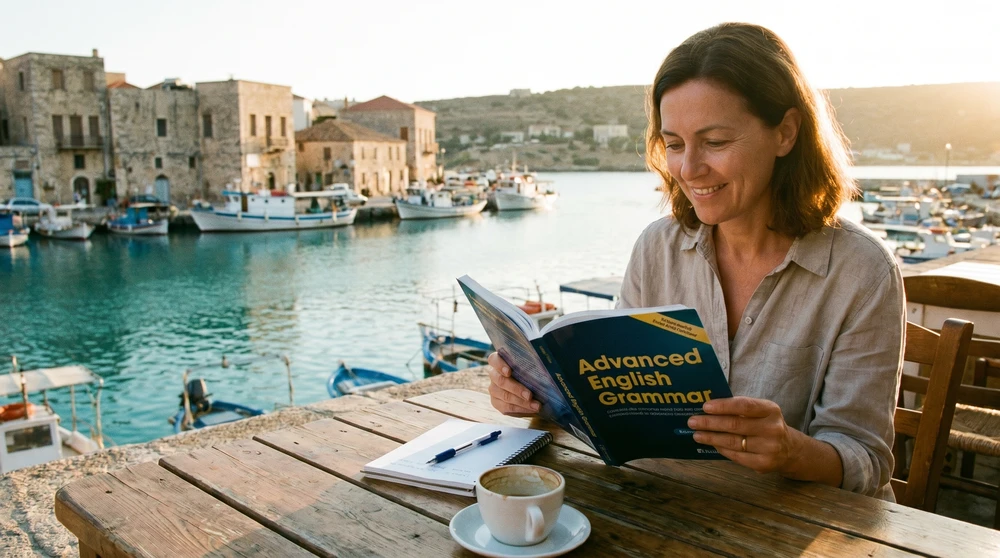
Ultimately, Malta delivers what it promises: British-standard education in an affordable, sunny setting. Manage your timing and be honest about your current level, and the island is hard to beat. If you plan to fund part of your stay with a job, confirm your permit lets you work, since working and studying in Malta hinges on visa type.