Most international students miscalculate their Malta budget by focusing only on tuition fees, completely ignoring the island's high winter utility bills and the cost of imported groceries. To survive financially on this Mediterranean island, you need a razor-sharp budget that accounts for everything from agency fees for your Msida apartment to your weekly Lidl grocery runs.
This guide breaks down realistic monthly costs for 2026, where the hidden expenses hide, and how the local rules on work and transport can stretch your money further.
- Monthly living budget: €750 to €1,100 (excluding tuition)
- Visa proof of funds: roughly €750 per month of your stay, often shown as a lump sum of €9,000 to €11,000
- Legal work limit: 20 hours per week (after 90 days)
- Average student wage: €6.00 to €8.00 per hour
- Public transport: free with a registered Tallinja Card
Average Monthly Living Costs for Students
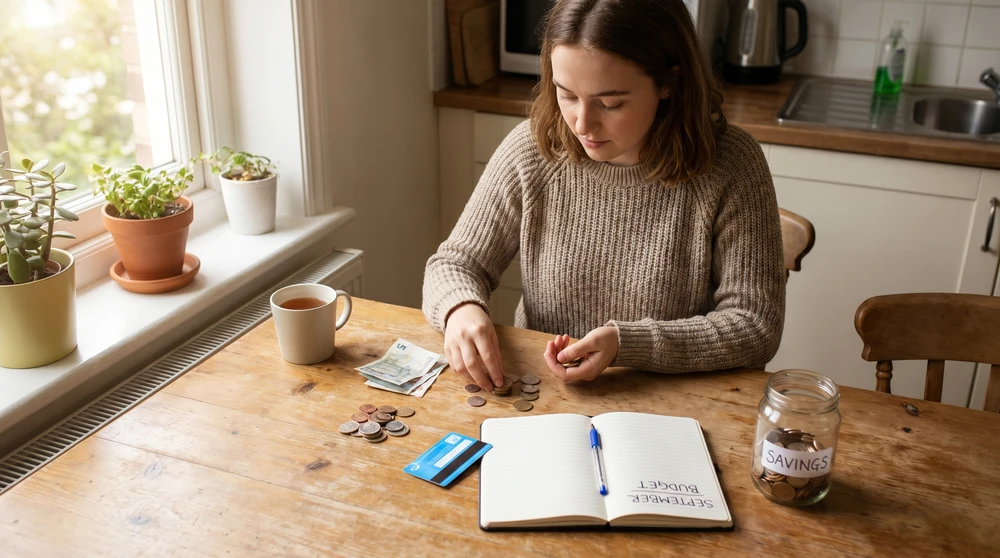
Creating a functional budget requires looking past the national averages and focusing on specific student hubs. Your actual expenses fluctuate wildly based on which neighborhood you choose and how you handle your daily meals.
If you are still deciding where to base yourself, the best areas to stay in Malta help you weigh price against commute time before you sign anything. For a wider picture of day-to-day spending beyond student life, the breakdown of typical travel and living costs across Malta is a useful sanity check.
Rent and Student Accommodation (Msida vs. Valletta vs. Gozo)
Rent consumes the largest portion of your monthly budget. Location dictates everything; choosing a flat right next to the University of Malta or GBS Malta in Msida or Gzira costs significantly more than living further out.
If you want to walk to campus, you pay a premium for convenience. Alternatively, towns in the South or on the island of Gozo offer lower rent, but the daily bus commute will easily steal two hours of your day.
- Shared apartment (Msida, Gzira, Sliema): €350 to €500
- Private one-bedroom (Msida, Gzira): €700 to €900
- Shared apartment (South Malta or Gozo): €250 to €350
- University residence or campus hub: €450 to €650
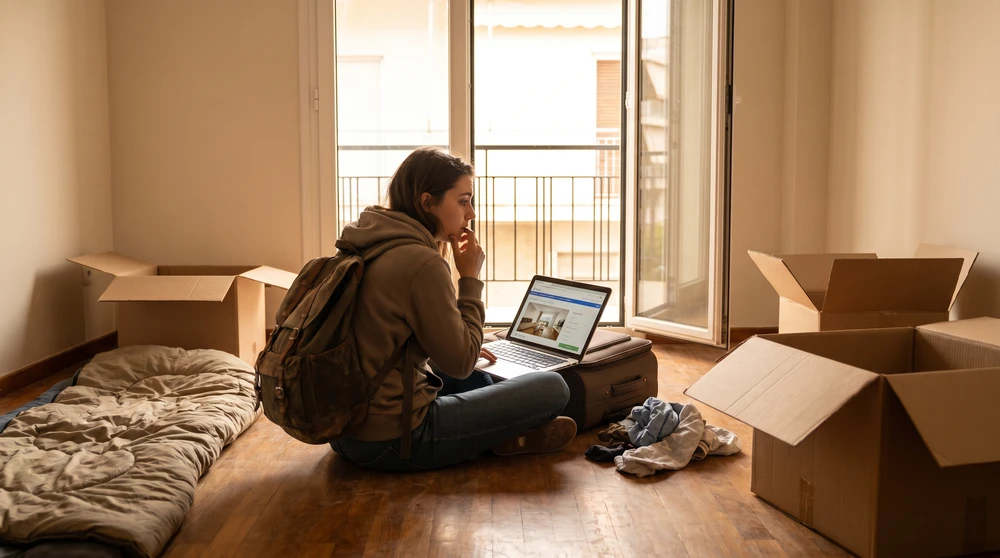
Never sign a lease without factoring in the move-in costs. Landlords typically demand one month's rent as a deposit, and if you use a real estate agent, you must pay an agency fee equal to half a month's rent plus VAT.
Grocery Prices and Supermarket Hacks
Because Malta imports the vast majority of its food from Italy and Sicily by sea, grocery prices run higher than in mainland Eastern or Southern Europe. Relying on local corner stores (often branded as convenience shops) for your daily needs will drain your budget within weeks.
To keep your food expenses between €200 and €250 a month, do your bulk shopping at large discount supermarkets like Lidl, PAVI, or Welbee's. These stores offer loyalty programs and weekly discounts that significantly reduce the cost of staples.
Tap water in Malta comes from desalination plants. While it is safe for brushing teeth and cooking, the heavy mineral taste pushes most residents to buy bottled water. Factor in around €10 to €15 a month for six-packs of bottled water, or invest in a high-quality water filter jug upon arrival.

Utility Bills: Electricity, Water, and Internet
Maltese homes famously lack central heating and adequate thermal insulation. This structural reality creates a massive hidden cost during the short but humid winter months.
When temperatures drop between December and February, you will likely run electric heaters or reverse-cycle AC units, which causes electricity bills to spike aggressively. In the summer, you need the AC to combat the intense Mediterranean humidity.
If you share an apartment, budget around €50 to €90 per person, per month for water and electricity. For connectivity, local telecom providers like Epic, GO, and Melita offer student-specific mobile and home internet packages ranging from €20 to €30 monthly.
Public Transport and the Tallinja Card
Malta relies entirely on a public bus network; there are no trains or subways. Paying the standard €2.50 cash fare for every ride makes no financial sense for a student. If you want a deeper look at routes and timetables, getting around Malta on public transport covers the practical side.
Apply for a personalized Tallinja Card online before you even arrive or immediately upon landing. The standard card carries a one-time registration and postage fee of around €25, though student cards are frequently offered free of charge during the autumn registration window each academic year. Once you have the card, all day, night, and weekend bus routes across Malta and Gozo become completely free, and the same card covers the Valletta ferry services and the Barrakka Lift.
Health Insurance Requirements for International Students
Non-EU students face a strict legal requirement: you must possess comprehensive health insurance to secure both your student visa and your electronic residence card. Policies typically need to cover a minimum of €30,000 for the duration of your stay.
A standard student health insurance policy costs between €120 and €250 annually. This basic coverage handles hospital emergencies and severe illnesses, but it almost never covers routine dental work or pre-existing medical conditions. Compare policies from local providers like GasanMamo or Atlas to find the exact coverage accepted by Identità (formerly Identity Malta).

Earning While Studying: Part-Time Job Wages
Working part-time provides a crucial financial safety net, but Malta imposes strict rules on international students. Non-EU citizens can legally work up to 20 hours a week, but this right only activates starting from the 91st day of your stay, once you hold your e-Residence Permit.
Before starting any shift, your employer must apply for an employment license through Jobsplus. From March 2026, first-time Single Permit applicants must also complete an online Pre-Departure Course covering living and working in Malta. Many students find roles in the booming iGaming sector, hospitality, retail, or food delivery networks like Wolt and Bolt.
Expect your starting hourly wage to hover between €6.00 and €8.00. Multilingual students often secure higher-paying customer support roles in international tech companies operating on the island.

3 Hidden Costs to Watch Out For in Malta
Beyond the obvious expenses, several subtle costs catch international students off guard during their first semester.
- Laundry fees: Many private student residences and campus housing facilities do not include washing machines in the room rate. You will use communal laundromats, spending about €3 to €5 per wash and dry cycle.
- Print and stationery: Despite the digital shift, universities still require hard copies of certain assignments or specific textbooks. Budget an extra €50 to €100 per semester for printing credits and course materials.
- Appliance purchases: Cheaper rental apartments often lack basic climate control appliances. You may find yourself spending €30 to €60 at a local hardware store for a freestanding electric heater or a high-powered fan just to survive the seasonal extremes.
With a Tallinja Card in your pocket, smart supermarket habits, and a realistic winter electricity buffer, most students keep their monthly spend comfortably under €1,100. Build the deposit and insurance into your arrival fund, and the rest of your Malta budget becomes far easier to manage.