Securing a student visa for Malta looks straightforward on paper, yet a single misstep in the timing of your work permit application can leave you burning through savings without a legal income. Balancing your studies with a part-time job in this Mediterranean hub means working through two separate government bodies before you earn your first euro.
The rules split sharply depending on whether you are taking a language course or a recognised degree, and getting that distinction wrong is the most common way students lose the right to work. This guide walks through the hours you can work, when the clock starts, and the exact steps from arrival to your first payslip.
- Maximum working hours: 20 hours per week during term, full-time during scheduled breaks
- Waiting period (language students): 90 days of study before legal employment
- Waiting period (higher education): apply once the e-Residence permit is issued
- Key authorities: Identità (residence) and Jobsplus (employment licence)
- e-Residence card fee: €27.50 per person
- Single Work Permit fee: €230, paid by the employer
The 20-Hour Work Rule for International Students
The 20-hour weekly cap is an absolute statutory threshold enforced by Jobsplus. Exceeding this limit, even by a single hour, places your student status and legal residency in immediate jeopardy.
You cannot average your hours across a month or a fortnight. Every individual week stands alone during labour audits, so a 22-hour week cannot be balanced out by an 18-hour week later on.
There is one release valve. During scheduled academic breaks, such as the summer recess, students can work full-time, which makes the warmer months the natural window for stacking up earnings. If you are timing a stay around both work and weather, the best months to visit Malta line up neatly with the seasonal hiring peak.
A second condition is easy to overlook: you must keep up genuine attendance, generally a minimum of 15 classroom hours per week, to hold onto both your work permit and your visa. The permit exists to support your studies, not to replace them.

When Can You Start Working in Malta?
Your path to the local job market depends entirely on the type of course you enrol in. Maltese immigration law draws a hard line between foundational language tracks and higher education degrees.
Rules for Higher Education Students (MQRIC Level 5+)
Enrolling in a full-time bachelor's, master's, or higher diploma recognised by the Malta Qualifications Recognition Information Centre (MQRIC) gives you the strongest access to employment. You can apply for a work permit during your first year of study.
You only need to wait for your physical e-Residence permit card to be issued before approaching employers. There is no separate 90-day calendar delay layered on top for recognised university tracks.
Rules for Language Course Students (MQRIC Levels 1-4)
Taking an English language certificate or a foundation course means playing a stricter waiting game. You must complete a minimum of 90 days of study in Malta before you can take up any legal employment.
Your applications also remain subject to a domestic labour market test. Local authorities prioritise European Union nationals for these entry-level roles, which makes approval noticeably tighter for non-EU students.
How to Apply for a Student Work Permit in Malta
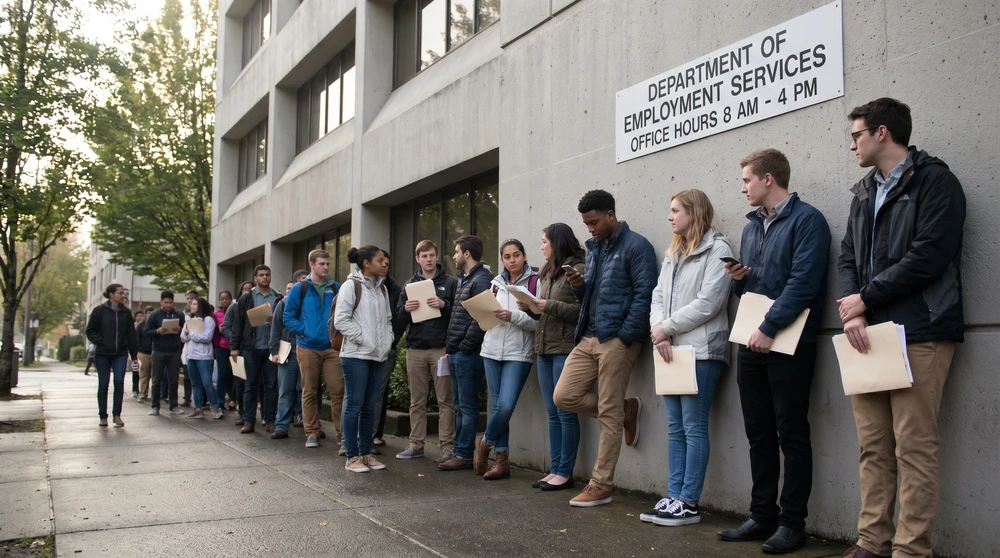
You cannot simply sign a private contract with a local business and start your shifts. The application follows a multi-step sequence that demands precise coordination between you and your employer.
Step 1: Secure Your e-Residence Permit via Identità
Your first milestone after arriving on a temporary Type D visa is securing an e-Residence card from Identità. You submit your official school acceptance letter, a validated lease agreement, comprehensive health insurance, and bank statements proving you can support yourself.
Most students apply roughly four to five weeks after arrival, and a fee of €27.50 applies when you collect the card. This card replaces your entry visa stamp and is the legal foundation for every work application that follows.
Step 2: Obtain Your Employment Licence from Jobsplus
Once the e-Residence card is in hand, your prospective employer formally initiates the Single Work Permit application through Jobsplus. The employer, not the student, files this, and the standard fee is €230 with processing typically running one to two weeks.
The resulting licence is tied strictly to that specific employer and job description. If you decide to change jobs or chase better terms elsewhere, the new employer has to file a fresh application, and you can only begin once it is approved.

Getting to interviews and shifts across the islands is its own small project, so it helps to read up on how public transport works in Malta before you commit to a job on the far side of the island.
Top Part-Time Jobs for International Students
Malta's service-driven economy provides steady seasonal and year-round openings that suit a student schedule. Focusing your search on sectors used to international, shifting workforces keeps your academic life balanced. Part-time pay generally lands between €6 and €15 per hour depending on the role.
- Hospitality and food service: Cafes, restaurants, and boutique hotels along the Sliema and St. Julian's coastlines constantly recruit multilingual front-of-house staff.
- Retail operations: Supermarkets, fashion outlets, and electronics stores offer structured shift patterns that fit neatly around university timetables.
- Customer support hubs: Digital firms and tech companies frequently seek native speakers for part-time chat support and document verification roles.
If you are still deciding which town to base yourself in, where to stay in Malta covers the same coastal districts where most student jobs cluster.
How to Stay in Malta After Graduation
Completing a higher education qualification gives you an extended runway to turn your academic stay into a professional career on the island.
Graduates who finish an MQRIC Level 5 or higher qualification can apply for a specialised nine-month residence extension. This temporary bridge lets you live in Malta legally while searching for full-time professional work.

Finding a qualifying company within that window allows a clean transition into a standard single work permit without needing to leave the country. Be aware that this post-study permit is granted only once and cannot be renewed, so apply while your student permit is still valid rather than after it lapses.