Many visitors get stuck in dense coastal traffic or wander aimlessly trying to figure out where Sliema ends and St Julian's begins. The good news is that the two towns are joined by one continuous seaside promenade, so structuring your day around a single logical walking route saves hours of transit time. Doing so guarantees you hit the best swimming, shopping, and dining spots without the frustration.
This stretch of coast is also one of the easiest parts of Malta to reach by ferry, which keeps you out of the worst rush-hour gridlock. Below is a practical, walk-it-yourself plan covering the route, the swimming spots, where to eat, and how to get around efficiently.
The Sliema to St Julian's Promenade Walking Route
This coastal path is the main artery connecting Malta's commercial hub directly to its dining capital. It offers a completely flat, paved surface that makes navigating between the towns effortless, and the full waterfront promenade actually runs around 7 km if you start back near Gzira. The core Sliema-to-St-Julian's section is roughly 3 km and takes most people 45 to 60 minutes at a relaxed pace.
If you are still deciding where to base yourself for easy access to this walk, where to stay in Malta breaks down which neighbourhoods suit beach days versus nightlife. For wider island logistics, see getting around Malta by public transport.
Starting at Tigne Point and The Strand
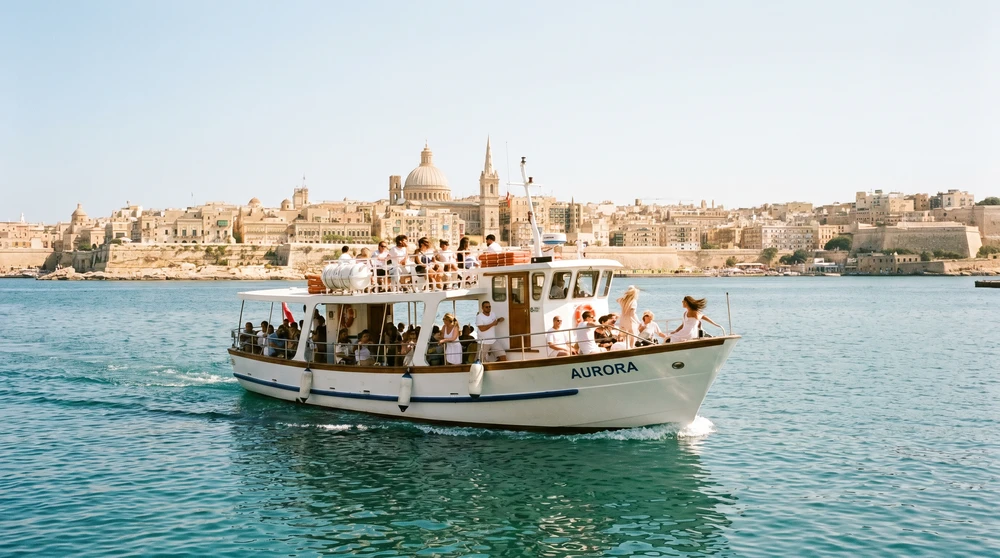
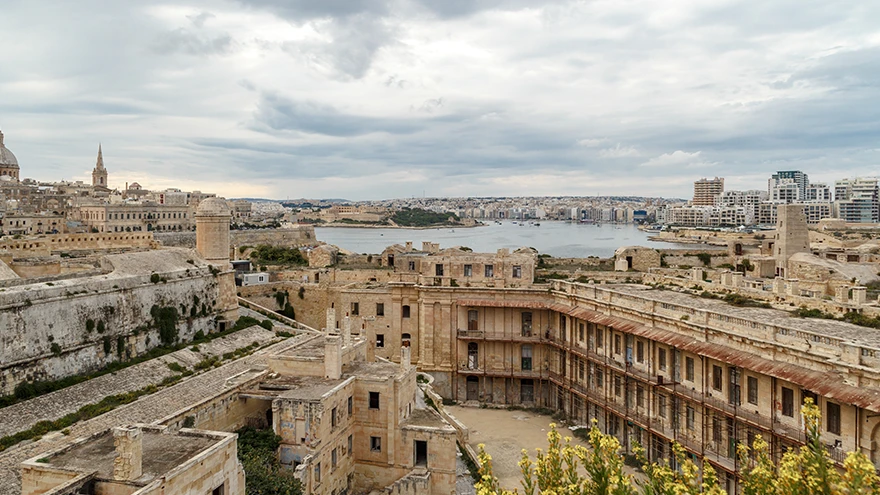
Drop off the ferry at The Strand and head east towards Tigne Point. The view of Valletta's golden bastions from the pedestrian bridge here is hard to beat. Tigne Point itself houses The Point, Malta's largest shopping mall, making it a practical stop to grab any missing travel essentials or a quick coffee before starting the walk north.
Swimming Spots Along the Sliema Coast
Do not expect soft white sand here. Sliema's shoreline is made of wide, flat limestone rocks stretching right to the edge of the deep blue water, which provides a clean base for sunbathing. You will find safe, stainless-steel ladders bolted into the rocks for easy entry straight into the sea.
Popular local spots include Qui-Si-Sana, Fond Ghadir, and the Roman Baths, a set of rectangular rock-cut pools that offer more sheltered swimming. Bring water shoes, as the rocky edges get slippery near the tideline.
Reaching Balluta Bay and Spinola Bay
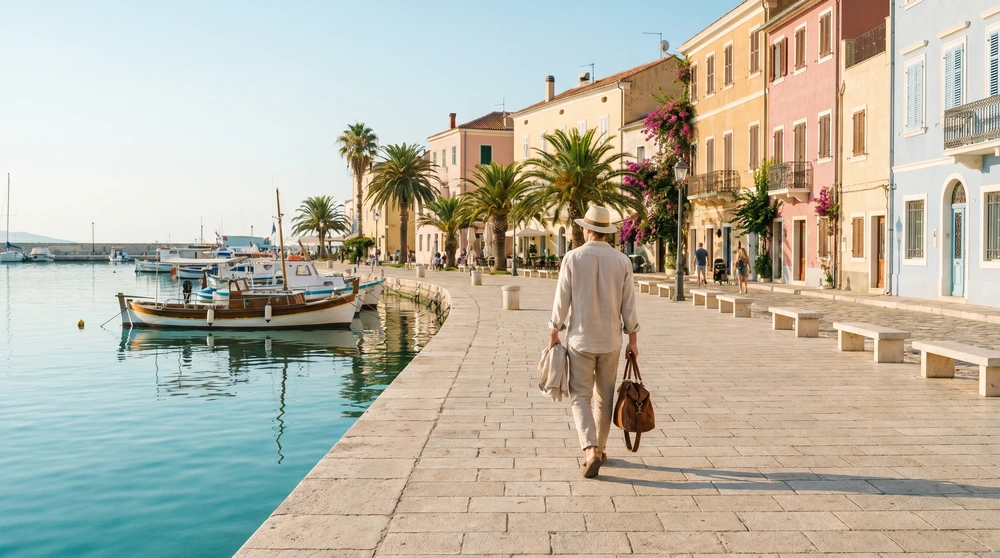
Keep walking north along the coast. The landscape shifts as the neo-gothic Our Lady of Mount Carmel Church towers over Balluta Bay, which hides a small patch of sand that appears at lower tides. Just around the corner sits Spinola Bay, a sheltered inlet packed with colourful traditional luzzu fishing boats and home to the popular waterfront LOVE monument. This area marks the official transition from Sliema's retail energy to St Julian's culinary scene.
Best Places to Eat and Drink
Knowing which town does what best prevents mediocre meals. Sliema handles the daytime cafe culture, while St Julian's dominates the evening dining.
Seafront Dining in St Julian's
The innermost curve of Spinola Bay offers the highest concentration of quality seafood and Mediterranean dining on this coast. Book a table on an outdoor terrace right on the water's edge to watch the boats. The atmosphere gets busy after 7 PM, so reservations are highly advisable in the warmer summer months to secure a seafront view. Prices and menus vary widely, so check each restaurant's official channels directly before you go.
If you want to lock in a harbourside table or a guided food walk before you arrive, you can compare current options here.
Quick Bites and Cafes in Sliema
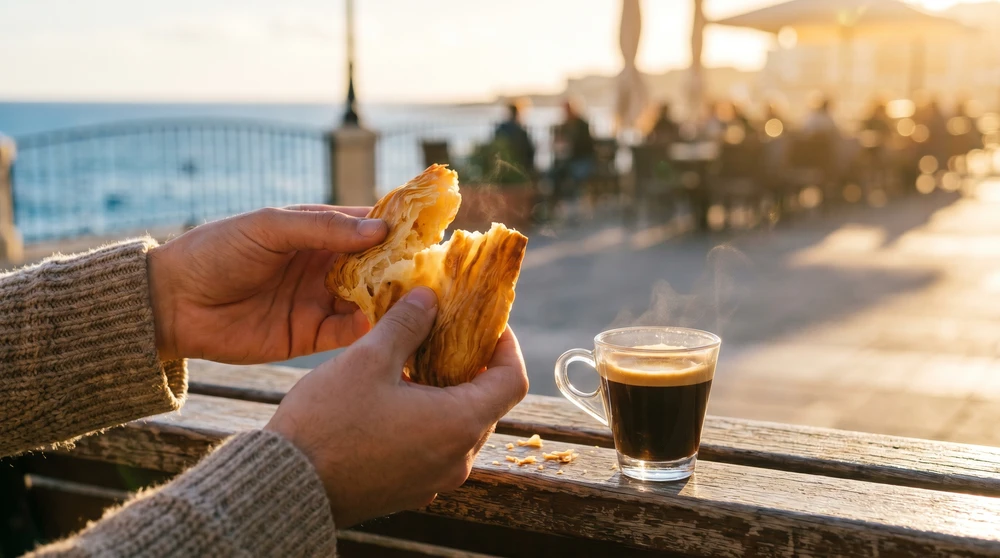
Sliema excels at casual cafe culture and fast, quality grab-and-go options. The small kiosks lining the promenade, locally known as gabbanas, serve espresso, fresh juices, and pastries. Grab a traditional pastizz (a flaky pea or ricotta pastry) from a local vendor and sit on a promenade bench facing the open Mediterranean.
Evening and Nightlife: Where to Go
St Julian's caters to two very different evening crowds, separated by just a few streets.
Paceville for Late-Night Entertainment
Walk just up the hill from St Julian's to find Paceville. This compact grid of neon-lit streets holds almost all of the island's major clubs, late-night bars, and lively pubs. The volume rises significantly after 10:30 PM, attracting an energetic, younger crowd that stays out until the early morning.
Right beside Paceville sits St George's Bay, the only proper Blue Flag sandy beach in the Sliema and St Julian's area, which is handy for a swim before a night out.
Relaxed Evenings Along the Marina
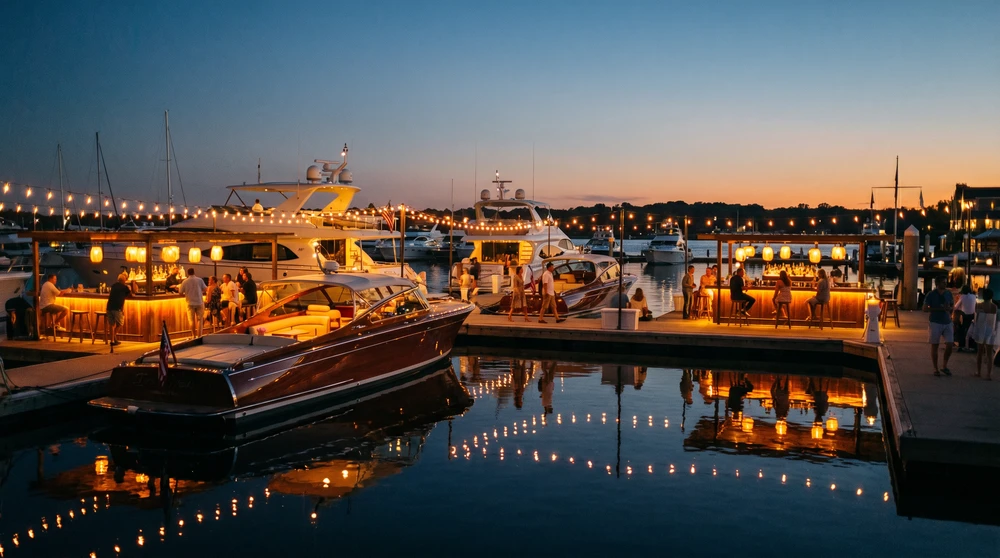
For a quieter, more upscale evening, head down to the Portomaso Marina area. Surrounded by luxury yachts and the Portomaso Business Tower, Malta's tallest building, the bars here focus on craft cocktails and premium wines. The vibe is relaxed and sophisticated, insulated from the loud clubbing scene a few blocks away.
How to Get Around (Transport Tips)
Logistics dictate the success of your day here. Relying solely on road transport during peak hours often wastes time.
Taking the Sliema to Valletta Ferry
The Valletta to Sliema ferry cuts straight across Marsamxett Harbour, avoiding the buses that crawl along the marina in rush hour. The crossing takes about 10 minutes and boats run roughly every 30 minutes through the day. A standard daytime ticket costs €3.00 one way and €5.00 return, with cheaper child fares and a slightly higher night tariff.
It is the most scenic and efficient commute into the capital. For the full crossing detail, the Malta and Gozo ferry covers timetables, fares, and the night tariff.
Public Buses and Walking Distances
Buses run frequently along the main coastal road on routes 13, 14, and 16, with a single daytime fare of €2.00 that includes free transfers within a 2-hour window. They fill up quickly in peak season and sometimes bypass stops entirely, so walking remains the most reliable method for short hops between Sliema and St Julian's. The flat, paved terrain easily accommodates strollers, wheelchairs, and comfortable walking shoes. If you plan wider exploring, weigh up the trade-offs in our renting a car in Malta guide.