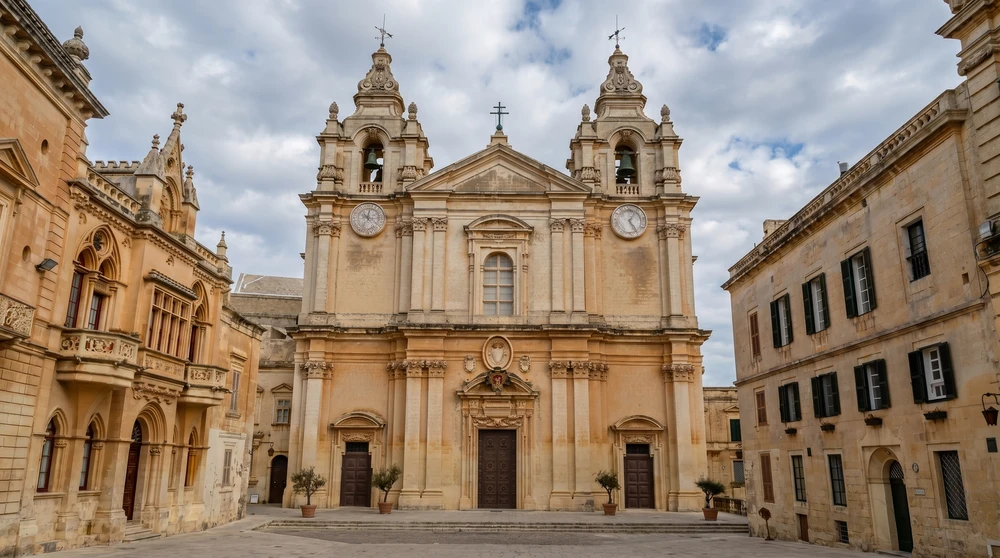
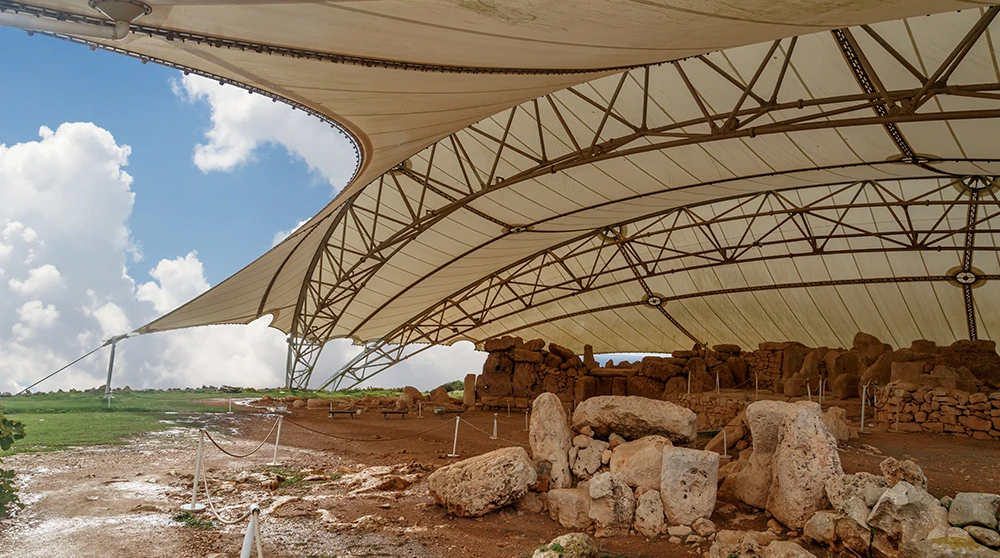
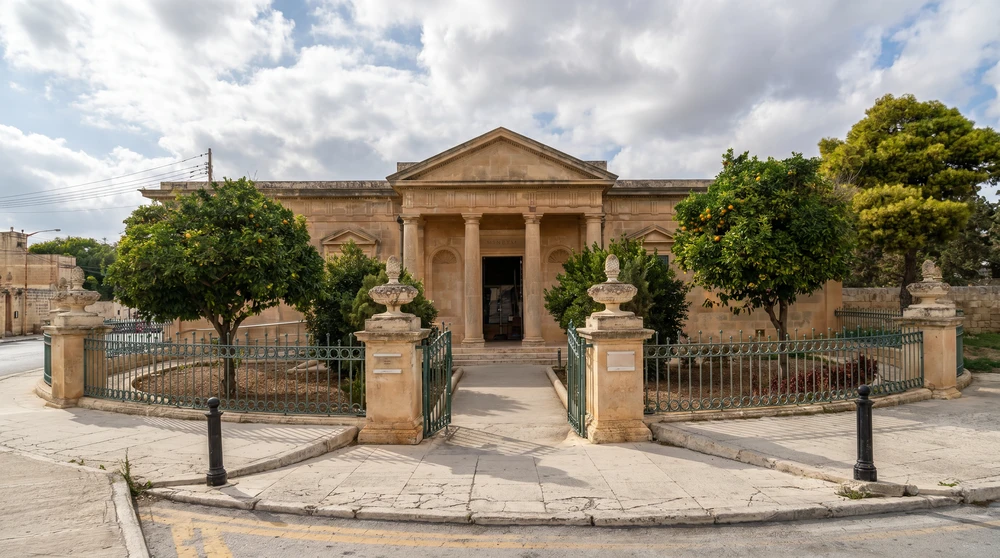
Finding the right base in Malta means balancing steep coastal rental premiums against the reality of summer transit delays. The island covers a small geographic footprint, yet distinct neighborhood boundaries dictate your daily commute, grocery expenses, and access to the university or commercial hubs.
Choosing a location blindly often leads to unexpected utility surcharges and lengthy bus rides. This guide breaks down where students and expats actually settle, what they pay, and the practical traps to avoid.
| Aspect | 2026 Benchmark / Status |
|---|---|
| Average student rent (Msida / Gżira) | €950 to €1,400 / month (1-bedroom) |
| Average expat rent (Sliema / St Julian's) | €1,200 to €1,700 / month (1-bedroom) |
| Public transport (Tallinja Card) | Free personalized day/night routes (excludes TD lines) |
| Primary healthcare hub | Mater Dei Hospital (Msida) |
| Main economic sectors | iGaming, fintech, corporate services, tourism |
Cost of Living and Relocation Realities in Malta
Current Rental Market Benchmarks
Housing expenses form the largest part of your monthly budget on the island. Central coastal zones command premium rates because of high demand from corporate professionals and digital nomads. Moving just two or three kilometers inland changes the price landscape completely, dropping average rental rates by up to 30%.
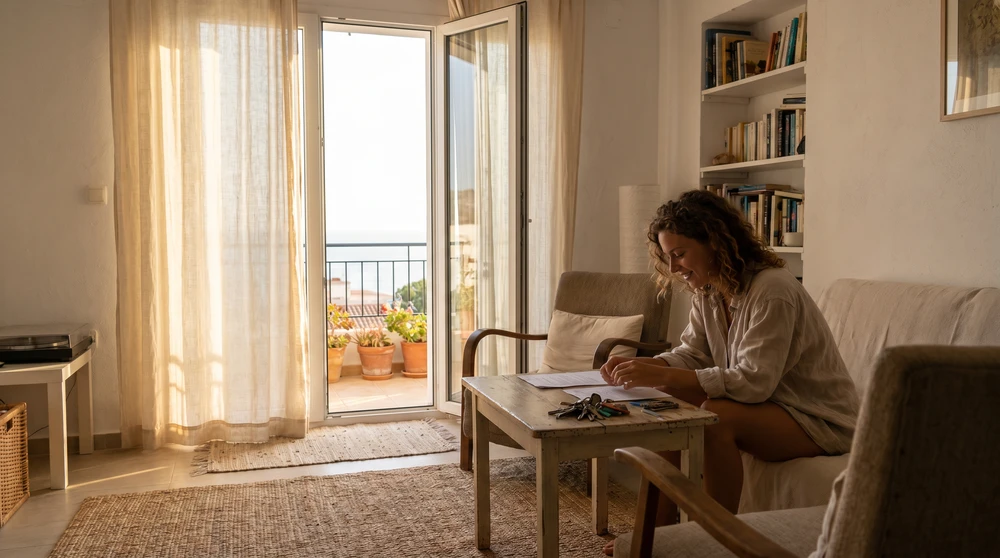
Long-term rental contracts typically require a one-month deposit, the first month's rent upfront, and an agency fee of roughly half a month's rent. Always ensure your rental agreement is officially registered with the Housing Authority within ten days of signing, since an unregistered contract is legally void. This registration protects your deposit and validates your residence status for identity card applications.
If you want to compare neighborhoods and pricing in more depth before committing, where to stay in Malta maps out the trade-offs area by area.
Public Transport and the Tallinja Card Advantage
Navigating the island relies heavily on the public bus network managed by Malta Public Transport. The personalized Tallinja Card offers free travel on standard day routes, night routes, and special services for registered residents, which significantly reduces commuting costs for long-term expats and students. The card carries a €25 application fee and usually arrives within two weeks.
Tallinja Direct (TD) routes maintain separate fares and require cash or explicit card credit. Valletta serves as the central terminal for all major routes, so cross-island journeys often require a transfer at the capital gates. Ferry services also link Valletta directly to Sliema and the Three Cities, bypassing coastal road traffic entirely. For a fuller breakdown of routes, fares, and timetables, getting around Malta by public transport lays out how the network actually connects.
Top Maltese Towns for International Students
Msida and Gzira: The University Hubs
Msida sits wrapped around a busy marina and serves as the practical gateway to L-Università ta' Malta. The town caters directly to student life, offering affordable grocery stores, local pastizzerias, and copy shops. Housing options consist mostly of high-density apartment blocks with shared student accommodation.
Adjacent to Msida, Gzira blends student convenience with a lively waterfront atmosphere facing Valletta. Rent here runs slightly higher than in central Msida, but the neighborhood provides better access to cafes, international supermarkets, and casual dining. The proximity to both the university campus and the Sliema commercial strip makes it a highly functional middle ground, typically 20 to 30% cheaper than Sliema itself.

Pembroke: The International Education District
Pembroke occupies a coastal stretch on the northern border of the central district, defined by its quiet, low-density residential layout. The area hosts a high concentration of educational institutions, including the Verdala International School and several language centers. It appeals to students who prefer open green spaces and rocky swimming areas over dense urban settings.
The neighborhood stays calm throughout the week, free from the heavy commercial foot traffic found further south. Regular bus links connect Pembroke to neighboring entertainment districts within fifteen minutes. Housing mostly consists of spacious maisonettes and terraced houses, often shared among multiple international students to balance costs.
Premier Neighborhoods for Expats and Digital Nomads
Sliema and St Julian's: The Commercial and iGaming Epicenters
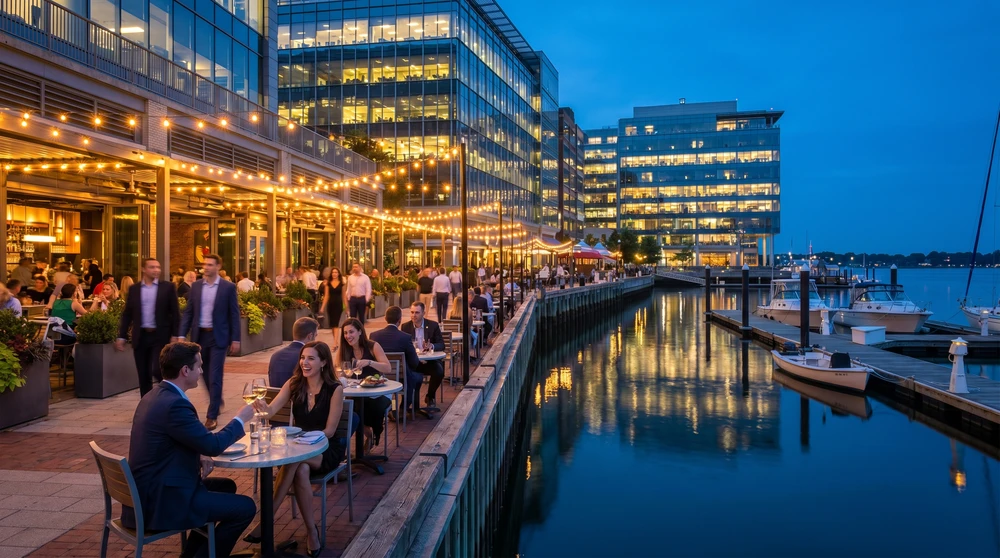
Sliema functions as Malta's primary commercial heartbeat, featuring modern high-rise apartments, retail malls, and a panoramic seaside promenade. The town serves as a major hub for international corporate services, financial companies, and tech firms. Living here puts every modern amenity, from private medical clinics to fitness centers, within short walking distance.
Continuous with Sliema, St Julian's transitions into the entertainment and nightlife core of the island. Spinola Bay offers picturesque waterfront dining, while the inner streets house the offices of the booming iGaming sector. This area carries the highest rental and living costs on the island, drawing expats who prioritize career networking and a fast-paced social scene.
St Paul's Bay and Mellieha: Coastal and Budget-Friendly Alternatives
St Paul's Bay, which takes in Bugibba and Qawra, sits on the northeast coast and offers a relaxed lifestyle at a lower price point. The winter months bring a calm, community-focused rhythm that shifts to a busy holiday atmosphere during the peak summer season. Commuting to the central business district from here requires careful planning, since peak-hour traffic bottlenecks are frequent.
Further north, Mellieha offers dramatic hillside views, detached villas, and proximity to the largest sandy beaches on the island. The town keeps a distinct local village charm, attracting families and retirees who favor peace over nightlife. Rent settles lower than the central harbor zone, though owning a car becomes highly practical for daily errands here.
Victoria (Gozo): The Quiet Mediterranean Retreat
Victoria operates as the historic and cultural capital of Malta's sister island, Gozo. Life here moves at a noticeably slower pace, deeply rooted in traditional Mediterranean routines and community structures. The town marketplace, old fortifications, and local artisan shops stay active throughout the entire year.
Digital nomads and remote workers choose Victoria to escape the urban density of mainland Malta while benefiting from lower rental fees. The Gozo Channel ferry provides regular transport links for vehicles and passengers to the northern tip of Malta. This setup suits professionals who do not need a daily physical presence in the central commercial offices. If a move to Gozo tempts you, our Gozo day trip itinerary is a good way to scout the island first.
Critical Infrastructure and Settling In
Healthcare Access and Mater Dei Hospital
Mater Dei Hospital, located in Msida, serves as the primary public acute general hospital for the entire country. The facility provides high-standard medical care, though waiting times in emergency departments can be lengthy. Public healthcare access depends on your employment status, social security contributions, or specific student visa agreements.
Many expats keep a private health insurance policy alongside public coverage to reach private clinics faster. Private hospitals and localized health centers offer rapid consultation appointments and diagnostic services. Most local pharmacies also host family doctors daily for basic prescriptions and non-emergency checkups.
Navigating ARMS and Utility Billing
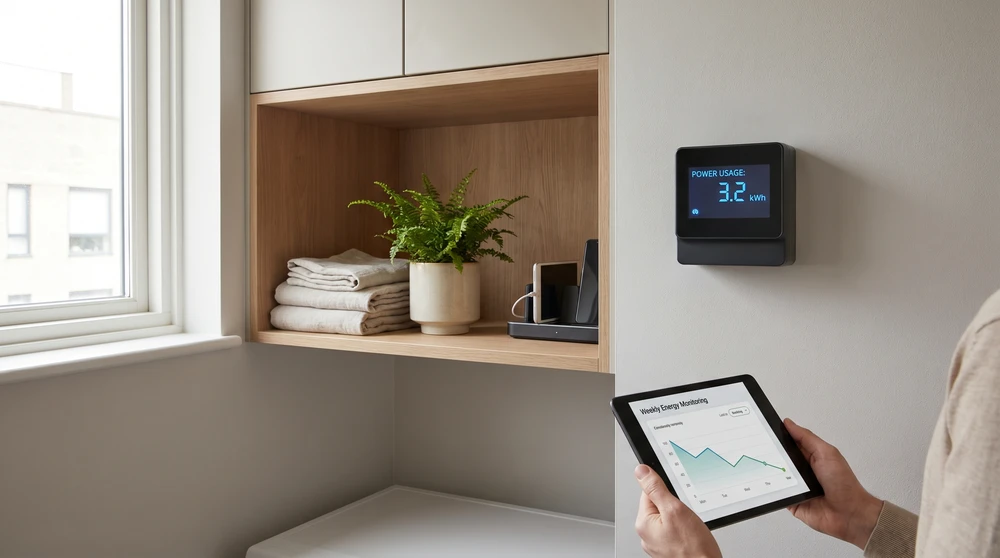
Utility billing for electricity and water runs through a centralized entity known as ARMS. Rates differ significantly between registered primary residences and unregistered properties, with the domestic tariff running about 30% higher than the residential one. It is vital to confirm that your landlord registers the correct number of tenants on the official ARMS forms when you move in, since the residential rate and eco-reduction benefit depend on the number of registered occupants.
Failing to update tenant counts pushes you into higher tier calculations, leading to unexpected adjustments at the end of the year. Water and electricity meters should be read and submitted online every two months so billing reflects actual consumption. Most modern apartment complexes now feature smart meters that transmit usage data automatically.