Arriving at Buracona at 10:00 AM or 3:00 PM means you will stare into a dark, underwhelming cave, entirely missing the famous glowing effect. To see the electric turquoise water that gives the "Blue Eye" its name, timing the sun's angle perfectly between 11:30 AM and 1:00 PM is absolutely critical.
- Entrance fee: €3 per person (2026), cash or card accepted
- Best time for the Blue Eye: 11:30 AM to 1:00 PM, clear sunny days only
- Access: 5km of rough dirt road, 4x4 vehicle highly recommended
- Facilities: Restaurant, cafe, souvenir shop, public toilets
- Swimming: Permitted in the adjacent natural lava pool, subject to tide and flag warnings
What to Expect at the Buracona Blue Eye
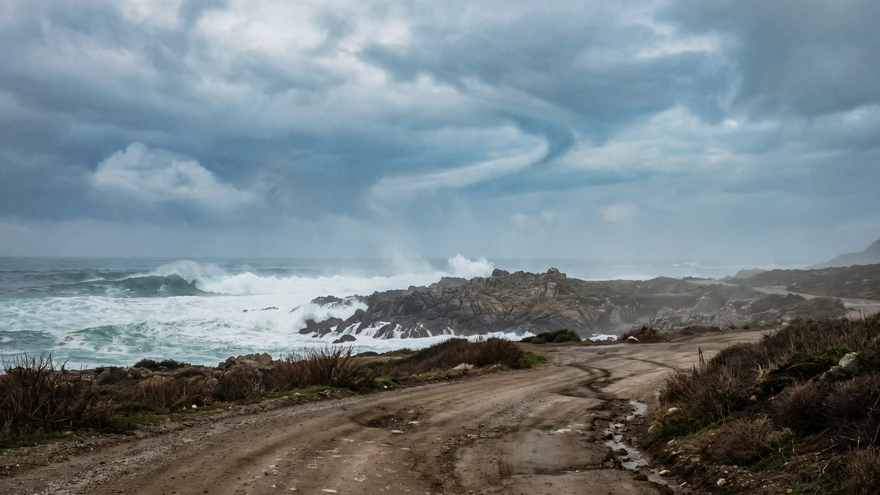
The site is essentially a rugged stretch of volcanic coastline rather than a massive, curated park. The contrast between the jet-black lava rocks and the deep blue Atlantic is striking. You navigate the area via wooden boardwalks that keep visitors safely away from the sharpest drops. The viewing platform itself has no protective barrier at the cliff edge, so keep a firm grip on children and watch your footing if heights make you uneasy.
Because practically every island tour arrives during the narrow midday window, the site gets incredibly busy. Expect a 15 to 30 minute queue on the viewing platform just to peer down into the collapsed lava tube. The viewing spot itself is small, and a staff member usually guides you on where to stand for the best angle. Day tours that Bundle Buracona with Shark Bay and the salt pans sometimes move through the line faster, though not every operator includes that perk.
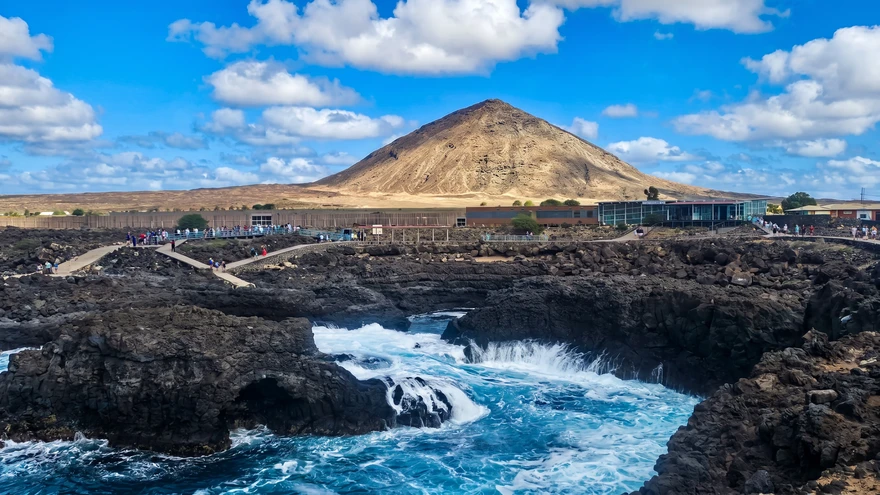
The Magic Window: Best Time to See the Light Effect
The optical illusion of the "Blue Eye" relies entirely on overhead sunlight. When the midday sun hits the water inside the deep cave at a direct angle, the ocean illuminates from within, creating a glowing, neon-blue pupil.
If there is cloud cover, or if you visit early in the morning or late in the afternoon, the magic vanishes. The water turns black, and the cave looks like any other hole in the rock. For a slightly quieter experience during this peak window, Sundays tend to have fewer large tour groups.
Beyond the time of day, the season matters too. The sun sits closest to directly overhead during the summer months, particularly June, which is why this window keeps turning up on lists of the best time to visit Cabo Verde overall. Visits in autumn or winter can fall inside the correct clock hours and still produce a duller, less dramatic glow.
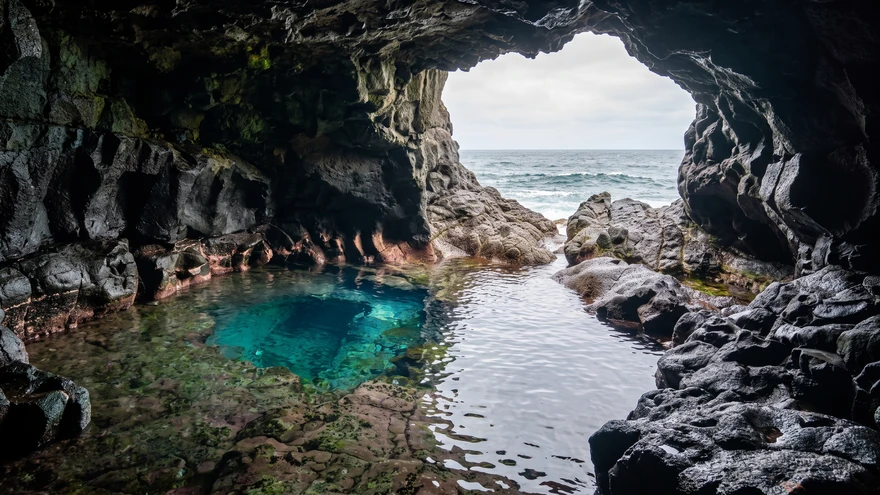
Swimming in the Volcanic Natural Pool
Right next to the Blue Eye cave sits a completely separate natural pool carved out of the volcanic rock. When the ocean is relatively calm, you can jump off the surrounding cliffs into the crystal-clear water. If sandy shoreline matters more to you than lava rock, Sal's calmer stretches around Santa Maria and Ponta Preta round out the best beaches in Cabo Verde a short drive south.
The volcanic rock underfoot is incredibly sharp and uneven. Flip-flops will not survive this terrain, wear sturdy water shoes or sneakers instead. Keep an eye on the flag system, since on windy days with rough seas the waves crash violently into the bay and swimming is strictly prohibited.
How to Get to Buracona from Santa Maria or Palmeira
Buracona sits on the northwest coast of Sal, about 5 kilometers north of the small fishing village of Palmeira. Driving there independently requires preparation. Mobile signal drops frequently, so downloading an offline map of the area beforehand is essential. Road signage from Palmeira is minimal, and several visitors report missing the turnoff entirely on their first attempt.
Driving the Dirt Road: Why You Need a 4x4
The main road ends long before you reach the site. The final 5 kilometer stretch is a desolate, lunar landscape of deeply rutted dirt and sand tracks.
Standard rental cars struggle heavily here, moving at a crawl and kicking up massive clouds of dust. If you would rather not test a standard rental's suspension on this terrain, Compare 4x4 rental options before you land, since suitable vehicles are limited outside Santa Maria. Navigating this stretch without a 4x4, a rented quad bike, or an experienced local driver is asking for a flat tire or a damaged undercarriage.
Site Facilities: What Does the Entrance Fee Cover?
The minimal entry fee goes toward maintaining the wooden walkways, the viewing platforms, and the safety staff stationed near the cliff edges. Inside the fenced complex, you will find a large souvenir shop and a restaurant serving cold drinks and basic meals with great views over the crashing waves. Souvenir prices inside run noticeably higher than what you would pay in Santa Maria, so at €3 the ticket itself remains one of the cheapest line items in a broader Cabo Verde travel budget.
Do not expect much from the "Botanical Garden" or the small geological museum on site. The garden, featuring sand and shell replicas of the Cape Verde islands, is currently quite parched and untidy. The museum exhibits are heavily weathered. The real value of the site lies entirely in the raw coastal power and the geological formations, not the man-made additions.
Practical Tips for a Safe Visit
There is absolutely zero shade across the entire complex. The wind on the northwest coast is relentless, whipping up a mix of sea spray and fine dust.
Bring high-SPF sunscreen, a hat that fastens securely, and a light cover-up to protect your skin from the harsh elements. If you plan to test the waters of the natural pool, pack a quick-dry towel and a change of clothes, since the ride back across the dusty plains is much more comfortable when dry.